Recent Tr4vel

Lhasa + Tibet in 7 Days on a Budget
7 Days in Lhasa: Shigatse, Not Everest Base Camp Seven days is exactly where people start asking about Everest Base Camp. Don’t. EBC from the Tibet side sits around 5,200m, needs its own Aliens’ Travel Permit (ATP) on top of your Tibet Travel Permit, and takes several days round trip that leave almost no cushion for things going wrong. Shigatse and Tashilhunpo Monastery is the version...
read more
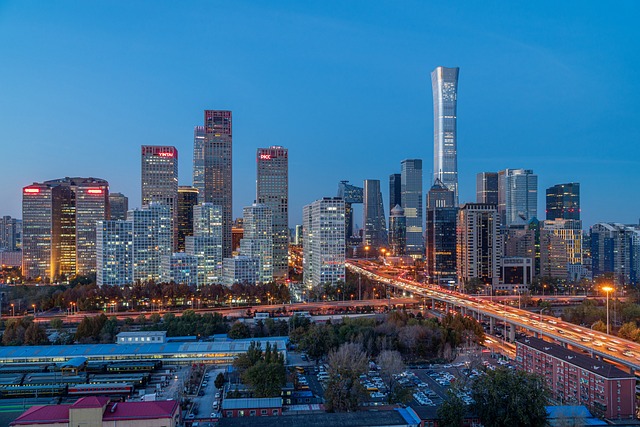
Beijing + China in 3 Days on a Budget
Three days: Beijing’s core, the Wall, then a second city If you’re entering under the 240-hour visa-free transit rule (roughly 55 nationalities qualify, US/UK/Canada/EU/Australia/NZ among them, provided you hold a confirmed onward ticket to a third country), three days is a comfortable use of that window with plenty of room left. This plan treats Beijing as the base it is on a short...
read more
Beijing + China in 2 Days on a Budget
48 hours in Beijing on a layover ticket If your itinerary has a Beijing connection with two spare days before the next flight, you’re likely traveling on the 240-hour visa-free transit rule rather than a full tourist visa. About 55 nationalities, including the US, UK, Canada, most of the EU, Australia, and New Zealand, qualify as long as you’re holding a confirmed onward ticket to a...
read more
Lhasa + Tibet in 6 Days on a Budget
6 Days in Lhasa: Don’t Blow the Extra Day on Namtso A sixth day is exactly where agencies push Namtso Lake as an add-on, and it is the wrong move on a trip this length. Namtso sits above 4,700m, a serious jump even after days of acclimatizing, and rushing it as a single long day is a poor trade for the rest a sixth day can otherwise buy you. Want Namtso done properly instead?
read more
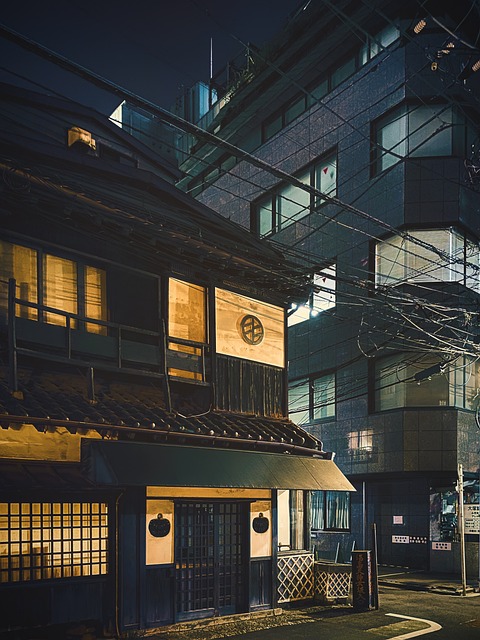
Tokyo on a Budget: Prices and Free Days
Tokyo has a reputation as an expensive city, and the surface prices back that up: a Shibuya Sky ticket runs ¥2,700-3,400, teamLab Borderless is ¥3,600-5,600, and a formal sushi counter can run ¥15,000 a head. What that reputation misses is that the actual best sights, Senso-ji, Meiji Jingu, the Shinjuku skyline deck, cost nothing at all. This is the cost-first version of Tokyo: what’s...
read more

Kathmandu + Nepal in 5 Days on a Budget
Five days: the same gateway plan, plus a first taste of Pokhara This builds on the 4-day Nepal itinerary by trading the flight-home ending for a quick out-and-back to Pokhara, Annapurna’s actual launch town and a genuinely different kind of place from the Kathmandu Valley. One night there isn’t enough to trek from, it’s just enough to see why people extend their trip once...
read more
Tokyo + Japan in 7 Days on a Budget
Seven days in Tokyo is long enough that restaurant fatigue and budget fatigue both become real, so this plan changes the ratio: three city days, three day trips (Kamakura, Hakone, Nikko), then a lighter seventh day at Mt Fuji or Yokohama before your flight. Builds on the 6-day version ; shorter trip, the 4-day itinerary keeps just Kamakura.
Book these before you go:
Hotels: check rates on Agoda ,...
read more
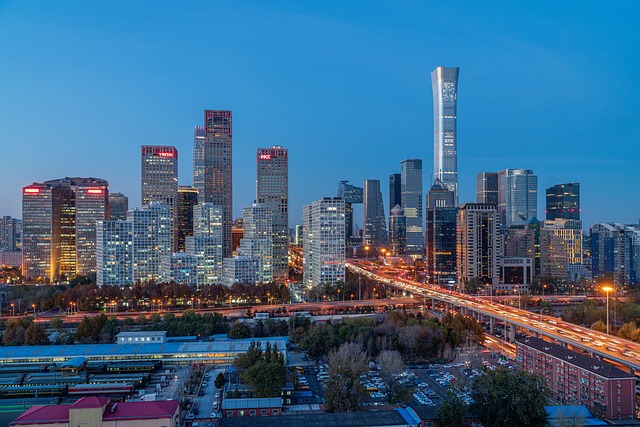
Beijing in 7 Days on a Budget (With Daily Costs)
Seven days in Beijing: the full city, plus a second wall day Seven days means you can give the Great Wall a second visit instead of just one, this time the quiet, rugged section instead of the crowd-pleaser. Here’s the full week, cost by cost. Shorter trip? See the 6-day version. Splitting time between Beijing and the rest of China? See Beyond Beijing: China on a Budget and its own 7-day...
read more
Lhasa + Tibet in 5 Days on a Budget
5 Days in Lhasa: The Car and Driver Is Your Real Budget Line The single biggest cost variable in a Tibet itinerary is not the flight or the hotel, it is the private car and driver every day trip requires. Five days is where that cost first pays off with a genuine high-altitude lake. Want less driving? Our 4-day plan stops at Ganden; our 6-day plan uses the extra day back in the city instead of...
read more
Tokyo + Japan in 6 Days on a Budget
Six days means three day trips are realistic, but only if you book the things that need booking before you leave home, not after you land. Builds on the 5-day version by adding Nikko; the 7-day itinerary adds a slower final day or Mt Fuji instead.
Book these before you go:
Hotels: check rates on Agoda ; a week this rail-heavy rewards staying near Shinjuku or Tokyo Station. Ghibli Museum tickets,...
read more
Beijing in 6 Days on a Budget (With Daily Costs)
Six days in Beijing: palace, wall, temples, tombs, and a bargaining afternoon Six days is where you can finally give the Ming Tombs their own half-day instead of bolting them onto a rushed Wall tour, and still end with an afternoon spent haggling instead of queuing. Here’s the full run, cost by cost. Shorter trip? See the 5-day version; the 7-day plan adds a second, quieter Wall day.
Day...
read more
Lhasa + Tibet in 4 Days on a Budget
4 Days in Lhasa: Old Town Money vs New City Money Lhasa is really two cities stitched together, and four days is the first itinerary length long enough to see both plus one real day trip beyond them. Coming from a shorter trip? Our 3-day itinerary stays in-city; our 5-day plan adds Yamdrok Lake to this same spine.
Book these before you go
A licensed Tibet agency package: TTP, guide, and driver,...
read more

Lisbon, Portugal: Day Trip Costs on a Budget
Lisbon as a Budget Base for the Rest of Portugal Lisbon isn’t just a city to see, it’s the cheapest, best-connected base for reaching the rest of Portugal on a budget. Two train stations put Sintra’s palaces and the Cascais coast 40 minutes away for a couple of euros each way, Setubal’s dolphins and wine sit under an hour out, and even Porto is reachable as a long day by...
read more
Tokyo + Japan in 5 Days on a Budget
Five days lets you add a second day trip without feeling like you’re sprinting through it, and that matters because Hakone alone deserves a full day, don’t try to bolt it onto Kamakura in the same 24 hours. Builds on the 4-day version ; the 6-day itinerary adds Nikko as a third.
Book these before you go:
Hotels: check rates on Agoda , Shinjuku puts you closest to the Odakyu Romancecar...
read more

Toronto + Ontario in 6 Days on a Budget
Six Days: Add Blue Mountain to the Muskoka Trip Six days lets you push the Ontario side of this trip further north, adding a Blue Mountain/Georgian Bay day to the Niagara, Hamilton-and-Elora, Stratford, and Muskoka spine. This is a car-heavy week; three of the six days (Hamilton/Elora, Muskoka, and Blue Mountain) genuinely want a rental.
Book these before you go:
A Spencer Gorge (Hamilton)...
read more
Beijing in 5 Days on a Budget (With Daily Costs)
Five days in Beijing: the full sightseeing set Five days lets you add a museum-and-temple day to the palace, wall, and hutong core without ever feeling rushed. Here’s the full spine with costs for each day. Want a tighter trip? See the 4-day cut; the 6-day plan adds a market afternoon and the Ming Tombs.
Day Focus Rough spend pp Day 1 Tiananmen, Forbidden City, Jingshan Park ¥230-330 Day 2...
read more
Tokyo + Japan in 4 Days on a Budget
Four days is enough to stop rushing and actually eat well, which is where most of your budget goes anyway: three city days, then Kamakura as the payoff day trip. The 3-day version drops Ueno; the 5-day itinerary adds Hakone on top of this plan.
Book these before you go:
Hotels: check rates on Agoda , Shinjuku or Shibuya keep everything below on the Yamanote loop. teamLab Borderless or Planets, if...
read more
Lhasa + Tibet in 3 Days on a Budget
3 Days in Lhasa: What the Package Price Actually Covers Ask three Tibet agencies for a 3-day Lhasa quote and you will get three different numbers for what is legally the same product: a Tibet Travel Permit (TTP), a guide, a driver, and a Potala Palace slot. Need more room for a day trip? Our 4-day and 5-day Lhasa + Tibet itineraries add Ganden and Yamdrok Lake to this same spine.
read more
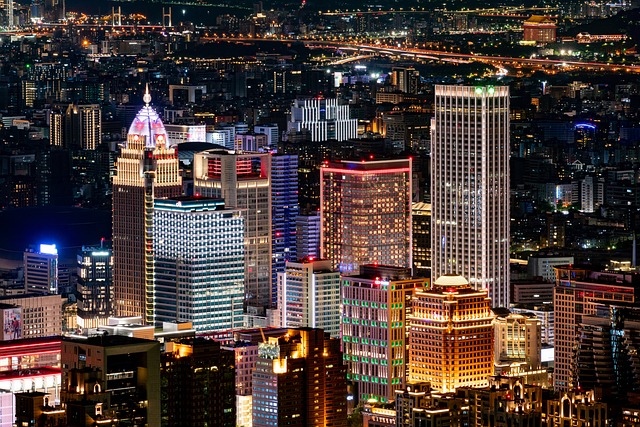
Taipei + Taiwan in 6 Days on a Budget
Six days lets you treat Taipei as the starting point of a longer loop instead of the whole itinerary. The first half stays in the capital and its coastline; the second half rides the High Speed Rail south to Sun Moon Lake and Tainan before the line loops you back to Taoyuan for departure. Only have 5 days for the north coast and Sun Moon Lake without Tainan, use our 5-day Taipei + Taiwan itinerary...
read more
Tokyo + Japan in 3 Days on a Budget
Three days is where Tokyo-as-a-base starts paying off: two city days plus one real day trip, Kamakura, without needing the nationwide Japan Rail Pass. Shorter trip? The 2-day version keeps everything inside the city. A fourth day free? The 4-day itinerary adds Ueno, Yanaka and teamLab on top of this plan.
Book these before you go:
Hotels: check rates on Agoda , Shinjuku or Asakusa both work for...
read more
Lisbon + Sintra in 7 Days on a Budget
Seven Days in Lisbon: Four Day Trips and One Ambitious Fifth A week is enough time for two city days, four regional day trips, Sintra, Cascais, Setubal and Obidos, and still leave room for one more ambitious add-on: Porto, Portugal’s second city, by fast train. Give Lisbon itself its two days first, see the Lisbon city guide for how to spend them, before the day trips start eating your week.
read more
Beijing in 4 Days on a Budget (With Daily Costs)
Four days in Beijing: palace, wall, temple, and a free afternoon Four days is enough to slow down without wasting a day. This builds on the tight two-day core with a temple-and-hutong day and a fourth day that costs almost nothing beyond a single palace ticket. Shorter trip? See the 3-day version; longer, the 6-day plan adds the Ming Tombs and a market afternoon.
Day Focus Rough spend pp Day 1...
read more
Lhasa + Tibet in 2 Days on a Budget
2 Days in Lhasa: The China Logistics Reality Check Two days is not enough time for Everest Base Camp, Namtso Lake, or a scenic overnight train. It buys Lhasa city and nothing higher, plus the agency paperwork that gets you here at all. Longer window available? Our 3-day , 4-day , and 5-day Lhasa + Tibet itineraries start adding real day trips.
Book these before you go
A licensed Tibet agency...
read more
Kathmandu + Nepal in 4 Days on a Budget
Four days: same gateway plan, plus a cheap hill you’d otherwise skip This is the 3-day Nepal itinerary with a fourth day tacked on for Dhulikhel and Namobuddha, a quieter hill-and-hike combo east of the city that costs a fraction of what Nagarkot or the Everest flight do. Everything from the shorter plan stays put, this just adds one more thing before you leave.
Book these before you go:...
read more
Taipei + Taiwan in 5 Days on a Budget
Five days is the sweet spot for treating Taipei as a base rather than the whole trip. You get three full days in the city and on the north coast, then two more riding the High Speed Rail south to Taichung and Sun Moon Lake before looping back for your flight. Only have three days for the city-plus-day-trip version, see our 3-day Taipei + Taiwan itinerary ; want Tainan added on too, use the 6-day...
read more
Tokyo + Japan in 2 Days on a Budget
Two days isn’t enough for a day trip, so this plan treats Tokyo as a fast, efficient first or last stop on a bigger Japan trip rather than a destination to rush. Same two days as our in-city-only 2-day itinerary , but built around handing off cleanly to whatever comes next, Kyoto, Osaka, or your flight home. Longer stay planned? The 3-day version adds Kamakura as a real day trip.
read more
Singapore + Beyond in 7 Days on a Budget
A week is enough to stop rushing and actually work through Singapore’s food geography, plus two neighbouring countries, without spending like it’s Monaco. Prices below are SGD unless a day trip crosses a border. This is the full version of the 6-day itinerary ; want the postcard sights instead of the food-and-border trail, our plain Singapore in 7 days itinerary covers Marina Bay,...
read more
Beijing in 3 Days on a Budget (With Daily Costs)
Three days in Beijing: palace, wall, and the city at street level Three days is the point where Beijing stops being a two-stop checklist and gives you a slower day too, walking temples and back alleys instead of queuing at gates. Here’s the plan, day by day, with what it costs. Need less time? See the 2-day cut; need more? The 5-day version adds the Lama Temple and a shopping night.
read more
Singapore + Beyond in 6 Days on a Budget
Six days buys you two neighbouring countries on top of Singapore’s own hawker trail: a bus ride into Malaysia and a ferry into Indonesia. Prices below are SGD unless a day trip crosses the border, where currencies change. This nests on top of the 5-day itinerary ; a full week available, the 7-day itinerary adds Botanic Gardens and a Changi departure day.
Book these before you go Compare...
read more
Taipei + Taiwan in 3 Days on a Budget
Three days is enough to see Taipei properly and still get one day out of the city, if you plan the money and the clock instead of winging it. This version uses Taipei as a base for one north-coast day trip; if you’d rather spend all three days in the city itself with no day trip, see our 3-day Taipei itinerary instead, or add two more days and a High Speed Rail leg with our 5-day Taipei +...
read more

Tokyo in 7 Days on a Budget (With Daily Costs)
A full week inside Tokyo, no day trip out: six neighborhoods covered in depth, then a slow seventh day built around your flight home. Rough total across the week: ¥32,000-53,000 in attractions, food, and local transit, plus airport transfers on either end, excluding your hotel. If a week with Kamakura, Hakone and Nikko sounds better than a week entirely in the city, the gateway 7-day itinerary is...
read more

Lhasa in 7 Days on a Budget (With Daily Costs)
Lhasa in 7 Days on a Budget: A Full Week in the City Itself Seven days is enough to know Lhasa properly without ever leaving it: the full core (rest, Potala and Jokhang, Sera and Drepung, Norbulingka and the museum), plus real time in both the old town and the newer Chinese-built district, the food scene, and the market. If you’d rather spend a week reaching Yamdrok Lake, Namtso, or...
read more
Lisbon + Sintra in 6 Days on a Budget
Six Days in Lisbon: Every Coast, Plus a Medieval Town for the Price of a Train Ticket Six days covers the full spread: two city days, Sintra’s palaces, the Cascais coast, Setubal’s wine and dolphins, and still leaves a day for something nobody puts on the standard list. Obidos is a walled medieval town about two hours north that most Lisbon-based itineraries skip because it...
read more
Singapore + Beyond in 5 Days on a Budget
Five days is enough to eat across five neighbourhoods and still cross into a different country on a public bus for less than SGD 5. All prices below are SGD unless a leg actually crosses the border. This nests on top of the 4-day itinerary ; six days available, the 6-day itinerary adds a second border crossing into Indonesia.
Book these before you go Compare capsule hostels near Chinatown or Bugis...
read more
Singapore + Beyond in 4 Days on a Budget
Four days lets you add a genuine day trip to the food-and-neighbourhoods plan from the 3-day itinerary : an actual island with no shopping mall on it. Everything here is priced in SGD, and none of it needs a theme park ticket. Five days available, the 5-day itinerary adds a Johor Bahru border crossing.
Book these before you go Compare capsule hostels in Chinatown or Bugis on Agoda ; Tiong...
read more
Taipei in 7 Days on a Budget (With Daily Costs)
A week in Taipei means you don’t have to rush anything, temples and museums early, hot springs and a bike ride mid-week, and three more in-city days most guidebooks never mention. EasyCard on day one, non-negotiable. Want the north coast and Sun Moon Lake instead of the back half of this route, see our Taipei + Taiwan 6-day itinerary ; only have six days here, use the 6-day version .
read more
Tokyo in 6 Days on a Budget (With Daily Costs)
Six days spent entirely in Tokyo goes deeper than most trips manage: old and new Tokyo, a full Toyosu day, Ginza and the Imperial Palace, Ueno and Yanaka, and a sixth day in Shimokitazawa and Shinjuku Gyoen. No day trip out, this is the “know one city properly” version. Rough total across all six days: ¥31,000-50,000 in attractions, food, and local transit, excluding your hotel. Want...
read more
Singapore + Beyond in 3 Days on a Budget
Skip the theme parks. Three days is enough to eat properly across Chinatown, Katong, Kampong Glam and Little India, and to understand why locals treat hawker centres as the real national cuisine, not a cheap fallback for tourists. Only have 2 days, use the 2-day version ; got a fourth, the 4-day itinerary adds Pulau Ubin.
Book these before you go Compare capsule hostels near Chinatown or Bugis on...
read more
Beijing in 2 Days on a Budget (With Daily Costs)
Two days in Beijing: just the palace and the wall Two days buys exactly two big things here, the imperial core and the Great Wall, and squeezing in a third stop is how you end up seeing both through a taxi window. This is the version that works, with what everything costs. Want more room to breathe? See the 3-day or 5-day version instead; the full 13 cheap and free things to do guide covers...
read more
Singapore + Beyond in 2 Days on a Budget
Two days is a short layover, not a real trip, but Singapore is compact enough that it works if you build the whole thing around hawker centres instead of paid sights. This is where the SGD actually goes further and the food is better anyway. Have a third day, nest this into the 3-day version instead; want the postcard sights rather than the food trail, our plain Singapore in 2 days itinerary...
read more
Lhasa in 5 Days on a Budget (With Daily Costs)
Lhasa in 5 Days on a Budget: The Deep In-City Version Five days is enough to slow down and stay inside the city itself: the full three-day core, plus two extra days for Norbulingka, the Tibet Museum, and the Barkhor’s back streets instead of rushing back to the airport. If you’d rather spend those two extra days on a day trip to Ganden or Yamdrok Lake, our 5-day Lhasa + Tibet gateway...
read more
Singapore in 7 Days on a Budget (Daily Costs)
Seven days is more than most people need for Singapore, this is a genuinely compact city, but it buys you a slower pace and a proper rest day. Same spine as the 6-day itinerary , stretched out, every stop’s SGD cost attached. Want to cross a border instead of adding a seventh in-city day, see the Singapore + Beyond itineraries .
Book these before you go Compare Chinatown and Bugis stays on...
read more
Taipei in 6 Days on a Budget (With Daily Costs)
Six days covers Taipei properly, temples, the skyline, hot springs, a riverside bike ride, and two more in-city days most guidebooks skip entirely, all on one EasyCard. Get your card the day you land. Want the north coast instead, our Taipei + Taiwan 6-day itinerary swaps the last two days for Jiufen and Sun Moon Lake; only have five, use the 5-day version .
Book these before you go:
Ximending,...
read more
Tokyo in 5 Days on a Budget (With Daily Costs)
Five days, entirely inside Tokyo, no day trip out: two classic days, a Toyosu-and-Ginza day, an Imperial Palace/Ueno/Yanaka day, and a fifth day in Shimokitazawa and Shinjuku Gyoen most visitors never get to. Rough total across all five days: ¥29,000-46,000 in attractions, food, and local transit, excluding your hotel. If you’d rather spend that fifth day on a real day trip instead, the...
read more
Las Vegas in 6 Days on a Budget (Daily Costs)
Six days in Las Vegas: both Strip zones, no wasted afternoons Six days is enough to slow down: a North Strip walk on top of Center Strip, an off-Strip locals casino, and a full Downtown day, without any single day feeling rushed. This plan stays inside the city; Hoover Dam, Red Rock Canyon, and the Grand Canyon belong to the Nevada day-trips guide and the USA road-trip guide . Tighter on time?
read more
Lisbon + Sintra in 5 Days on a Budget
Five Days in Lisbon: The City, The Palace, The Coast and the Water Five days is enough room to stop rationing yourself. You still get two city days and Sintra, but now there’s space for two coastal day trips instead of one, and the second, Setubal and the Arrabida coast, sees a fraction of the tourists that Sintra and Cascais do. Give the city its two days first, see the Lisbon city guide...
read more
Singapore in 6 Days on a Budget (Daily Costs)
A sixth day is where an old-Singapore side trip fits: Pulau Ubin, a bumboat ride away, still has no real development and costs a fraction of the ferry day trips to Malaysia or Indonesia. Same spine as the 5-day itinerary , priced day by day. A full week available, the 7-day itinerary adds Tiong Bahru and a relaxed departure day.
Book these before you go Compare Chinatown and Bugis stays on Agoda .
read more
Beijing on a Budget: Prices and Free Days
What a day in Beijing actually costs A full sightseeing day here, one paid ticket, transport, and three meals, runs roughly ¥150-350 per person, cheap by any major-capital standard. The catch isn’t the price, it’s the booking window: the Forbidden City sells out weekend slots within minutes of releasing, while plenty of the best things in the city, a park view, a hutong walk, an art...
read more
Singapore in 5 Days on a Budget (Daily Costs)
A fifth day is where a Mandai Wildlife Reserve visit fits without squeezing the Marina Bay, heritage-district or Sentosa days from the 4-day itinerary . Same spine, one more day, every stop priced in SGD. Six days available, the 6-day itinerary adds a Pulau Ubin day trip.
Book these before you go Compare Chinatown and Bugis stays on Agoda . Check Gardens by the Bay conservatory tickets . Book...
read more
Lhasa in 3 Days on a Budget (With Daily Costs)
Lhasa in 3 Days on a Budget: The Classic Route Three days is the sweet spot for a first Lhasa trip: enough time for the Potala and Jokhang without rushing, plus a full extra day for the two big monasteries outside the old town, no day trips required. Shorter on time? Our 2-day itinerary strips it to the essentials. Got five or seven? Our 5-day and 7-day plans go deeper into the city itself.
read more