Recent Tr4vel
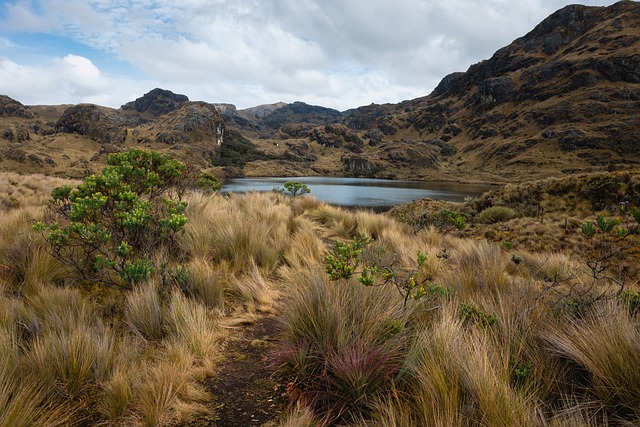
Walking Routes and Short Hikes in Ecuador
Safety notice for travellers, October 2026: Check two government sources before booking Ecuador: the UK FCDO page and the US State Department advisory . At the time of writing the FCDO advises against all but essential travel to the coastal provinces of Esmeraldas, Manabí, Santa Elena, Guayas, El Oro, Los Ríos and Santo Domingo de los Tsáchilas (airside transit at Guayaquil airport is excepted)...
read more
Multi-Day Trip Ideas for Ecuador
Safety notice for travellers, October 2026: Check two government sources before booking Ecuador: the UK FCDO page and the US State Department advisory . At the time of writing the FCDO advises against all but essential travel to the coastal provinces of Esmeraldas, Manabí, Santa Elena, Guayas, El Oro, Los Ríos and Santo Domingo de los Tsáchilas (airside transit at Guayaquil airport is excepted)...
read more
Family Friendly Activities for Ecuador Trips
Safety notice for travellers, October 2026: Check two government sources before booking Ecuador: the UK FCDO page and the US State Department advisory . At the time of writing the FCDO advises against all but essential travel to the coastal provinces of Esmeraldas, Manabí, Santa Elena, Guayas, El Oro, Los Ríos and Santo Domingo de los Tsáchilas (airside transit at Guayaquil airport is excepted)...
read more
Ecuador Day Trips by Bus, Tour and Taxi
Safety notice for travellers, October 2026: Check two government sources before booking Ecuador: the UK FCDO page and the US State Department advisory . At the time of writing the FCDO advises against all but essential travel to the coastal provinces of Esmeraldas, Manabí, Santa Elena, Guayas, El Oro, Los Ríos and Santo Domingo de los Tsáchilas (airside transit at Guayaquil airport is excepted)...
read more
Ecuador Attraction Tours, Museums to Tortoises
Safety notice for travellers, October 2026: Check two government sources before booking Ecuador: the UK FCDO page and the US State Department advisory . At the time of writing the FCDO advises against all but essential travel to the coastal provinces of Esmeraldas, Manabí, Santa Elena, Guayas, El Oro, Los Ríos and Santo Domingo de los Tsáchilas (airside transit at Guayaquil airport is excepted)...
read more
Activities in Ecuador, From Quito to the Galápagos
Safety notice for travellers, October 2026: Check two government sources before booking Ecuador: the UK FCDO page and the US State Department advisory . At the time of writing the FCDO advises against all but essential travel to the coastal provinces of Esmeraldas, Manabí, Santa Elena, Guayas, El Oro, Los Ríos and Santo Domingo de los Tsáchilas (airside transit at Guayaquil airport is excepted)...
read more

Walking Routes in Addis Ababa by Daylight
Before you plan: an armed conflict is under way in Ethiopia. Federal forces and Tigray-aligned groups began fighting again on 23 September 2026, Ethiopian Airlines stopped flying to Tigray, and drones were reported over military sites in Addis Ababa on 1 October. The British FCDO tells travellers not to go to Tigray, Amhara or Gambela, or to parts of Oromia, Afar and other regions. It gives no...
read more
Addis Ababa Sightseeing: Cathedrals and Museums
Before you plan: an armed conflict is under way in Ethiopia. Federal forces and Tigray-aligned groups began fighting again on 23 September 2026, Ethiopian Airlines stopped flying to Tigray, and drones were reported over military sites in Addis Ababa on 1 October. The British FCDO tells travellers not to go to Tigray, Amhara or Gambela, or to parts of Oromia, Afar and other regions. It gives no...
read more
Romantic Getaways in and Around Addis Ababa
Before you plan: an armed conflict is under way in Ethiopia. Federal forces and Tigray-aligned groups began fighting again on 23 September 2026, Ethiopian Airlines stopped flying to Tigray, and drones were reported over military sites in Addis Ababa on 1 October. The British FCDO tells travellers not to go to Tigray, Amhara or Gambela, or to parts of Oromia, Afar and other regions. It gives no...
read more
Multi-Day Trips and Longer Stays Around Addis Ababa
Before you plan: an armed conflict is under way in Ethiopia. Federal forces and Tigray-aligned groups began fighting again on 23 September 2026, Ethiopian Airlines stopped flying to Tigray, and drones were reported over military sites in Addis Ababa on 1 October. The British FCDO tells travellers not to go to Tigray, Amhara or Gambela, or to parts of Oromia, Afar and other regions. It gives no...
read more
Addis Ababa With Kids: Zoo, Museum and Forest Park
Before you plan: an armed conflict is under way in Ethiopia. Federal forces and Tigray-aligned groups began fighting again on 23 September 2026, Ethiopian Airlines stopped flying to Tigray, and drones were reported over military sites in Addis Ababa on 1 October. The British FCDO tells travellers not to go to Tigray, Amhara or Gambela, or to parts of Oromia, Afar and other regions. It gives no...
read more
Bishoftu Lakes and Day Trips from Addis Ababa
Before you plan: an armed conflict is under way in Ethiopia. Federal forces and Tigray-aligned groups began fighting again on 23 September 2026, Ethiopian Airlines stopped flying to Tigray, and drones were reported over military sites in Addis Ababa on 1 October. The British FCDO tells travellers not to go to Tigray, Amhara or Gambela, or to parts of Oromia, Afar and other regions. It gives no...
read more
Addis Ababa Museum Visits and Guided City Tours
Before you plan: an armed conflict is under way in Ethiopia. Federal forces and Tigray-aligned groups began fighting again on 23 September 2026, Ethiopian Airlines stopped flying to Tigray, and drones were reported over military sites in Addis Ababa on 1 October. The British FCDO tells travellers not to go to Tigray, Amhara or Gambela, or to parts of Oromia, Afar and other regions. It gives no...
read more
Things to Do in Addis Ababa: Parks, Coffee, Music
Before you plan: an armed conflict is under way in Ethiopia. Federal forces and Tigray-aligned groups began fighting again on 23 September 2026, Ethiopian Airlines stopped flying to Tigray, and drones were reported over military sites in Addis Ababa on 1 October. The British FCDO tells travellers not to go to Tigray, Amhara or Gambela, or to parts of Oromia, Afar and other regions. It gives no...
read more
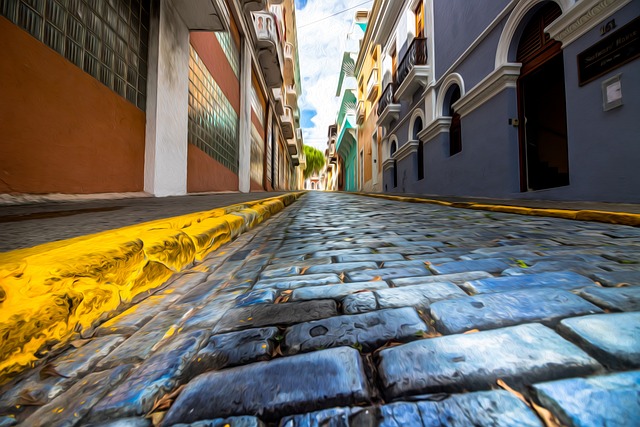
San Juan Walking Routes: Old Town and Santurce
Two districts suit walking in San Juan: Old San Juan, a grid of cobbled streets inside the old walls, and Santurce, where murals cover buildings along Calle Cerra. Both can be done on your own, and each also has a guided option. Bring water, sun protection and shoes that cope with cobblestones. Hurricane season runs from 1 June to 30 November.
Route 1: Old San Juan loop Start at the Puerta de San...
read more
San Juan Sightseeing: Forts, Church and Art
Sightseeing in San Juan is compact. Nearly every landmark in Old San Juan is within a short walk of the next, and one extra district, Santurce, holds the main art museum. Costs are in US dollars. Start early, because the stone streets and walls hold heat. Hurricane season is 1 June to 30 November.
Two forts, one ticket San Juan National Historic Site includes Castillo San Felipe del Morro, begun...
read more
Romantic Getaways in San Juan, Puerto Rico
Romance in San Juan happens mostly after the afternoon heat fades: a wall-side stroll at sunset, a cocktail, a late dinner and a night on the water. The ideas below are venues with published details. Listings of romantic hotels are outside this page, so use a booking site to pick an area. Prices are in US dollars, and Puerto Rico adds an 11.5% sales tax to many bills. Atlantic hurricane season...
read more
San Juan Stays of Two to Four Nights
A stay of several nights in San Juan is easiest when the city is the base and the island is visited in loops. The only trips that truly need a night away are Culebra and Vieques. This page names no hotels. Find a room by neighbourhood on a booking site. All prices are US dollars and many have the 11.5% Puerto Rico sales tax added. Atlantic hurricane season lasts from 1 June to 30 November.
read more
Things to Do in San Juan, Puerto Rico
Puerto Rico’s capital packs fortress visits, rum, rainforest and reef into a small area. This page lists what to do, with the practical details that decide whether a plan works. Costs are in US dollars, and a sales tax of 11.5% is added to many tour and ticket prices. Hurricane season is 1 June to 30 November, with the peak around August to October.
Read this before swimming Rip currents are...
read more

Abu Dhabi Walking Routes: Corniche to Mangroves
Travel advisory: Anyone on foot should know the current risks. Iran has fired missiles and drones at the UAE since 28 February 2026 as part of the conflict with the United States, and debris from intercepted missiles has come down in parts of Abu Dhabi. The FCDO reports strikes and retaliatory attacks across the region since 8 July, and it names falling debris as the main danger. Britain does not...
read more
Abu Dhabi Landmarks: Mosque, Museums, Palaces
Travel advisory: Sightseeing is possible in Abu Dhabi, but the backdrop is a live regional conflict. Since 28 February 2026 Iranian missiles and drones have been fired at the UAE, and bits of intercepted missiles have fallen in parts of the city. According to the FCDO, strikes and retaliation have continued across the region since 8 July. The UK does not advise against travel to the UAE, and the...
read more
Abu Dhabi for Couples: Sunset, Palace, Marina
Travel advisory: Couples planning a special trip should weigh the current security situation. The UAE has been affected by the 2026 conflict involving the United States and Iran: Iranian missiles and drones were aimed at the country from 28 February, and shrapnel from intercepted missiles landed in parts of Abu Dhabi. The British FCDO says there have been strikes and retaliatory attacks in the...
read more
Abu Dhabi Itineraries for Three Days or More
Travel advisory: A trip of several days gives the security situation more time to change, so read this first. In 2026 the UAE became a target in the conflict between Iran and the United States: missiles and drones were launched at the country from 28 February, and debris from intercepted weapons fell in parts of Abu Dhabi. Britain’s FCDO reports renewed strikes and retaliation across the...
read more
Day Trips From Abu Dhabi: Al Ain and Beyond
Travel advisory: The UAE is dealing with the effects of a regional war that began involving Iran and the United States in 2026. From 28 February, Iranian missiles and drones were launched at the country, and fragments from intercepted missiles came down in several Abu Dhabi districts. The FCDO says attacks and counter-attacks across the region have recurred since 8 July. While the UK government...
read more
Abu Dhabi Activity Guide: Yas, Mangroves, Dunes
Travel advisory: Check the security picture before you commit to any plan here. Since 28 February 2026, Iranian missiles and drones have been fired at the UAE, and pieces of intercepted missiles have dropped on areas of Abu Dhabi. After a calmer spell in the spring and early summer, the British FCDO reports fresh strikes and retaliation around the region from 8 July. Britain does not advise...
read more

Walking the Ghats and Galis of Varanasi
Varanasi’s old city is pedestrian. Cars and buses stop at Godowlia or about 1.5 km short of the temple, and the galis (lanes) beyond are for walkers, with e-rickshaws on the wider stretches. Five routes cover most of it. Prices are in Indian rupees (INR, about 95 to the US dollar) and are approximate. Carry a zipped bag and bottled water.
Route 1: Godowlia to the temple Walk the lanes from...
read more
Sightseeing in Varanasi: Ghats, Sarnath, Ramnagar
The main sights of Varanasi sit in four clusters: the river and old city, the south around the university, Sarnath outside the city and Ramnagar across the water. Many are active places of worship, so go quietly, cover shoulders and knees, and take shoes off when asked. Prices are in Indian rupees (INR, about 95 to the US dollar), and fees and hours change.
Old city and river Kashi Vishwanath...
read more
Varanasi for a Long Weekend or Five Days
Most visitors give Varanasi between two and five days. That is enough for the river, the main temple and one outing, and with five days there is time for museums, silk lanes and a rest. Prices are in Indian rupees (INR, about 95 to the US dollar). Train times and fees change, so confirm them before you commit.
A long weekend, 2 to 3 days Day 1. Sunrise boat from Assi toward Dashashwamedh, or the...
read more
Family Days in Varanasi: Parks, Museums, Boats
Varanasi is a pilgrimage city built around crowded steps, tight lanes and working temples, so very little is designed with children in mind. A family visit works best with short outings, early starts and a calm afternoon. Prices are in Indian rupees (INR, about 95 to the US dollar) and are approximate.
What suits children best Sarnath. About 10 km from the ghats, with landscaped grounds, deer and...
read more
Guided Walks and Temple Tours in Varanasi
Organised tours in Varanasi are mostly small, local and on foot or by boat. Big coach tours do not suit the old city, where cars and buses stop at Godowlia or about 1.5 km short of the temple and the lanes are pedestrian only. Tour buses cannot stop at any ghat. Prices are in Indian rupees (INR, about 95 to the US dollar) and move often, so confirm each one directly.
read more
Varanasi Ganga Aarti, Boat Rides and Street Food
A day in Varanasi runs on the river’s clock: dawn on the water, the temple in the morning, lanes and food at midday, and fire on the steps at dusk. This page follows that rhythm. The only travel caution is the usual one for India, which is to watch your bag in crowds and to ignore touts. Prices are in Indian rupees (INR, about 95 to the US dollar) and shift often, so treat them as a guide.
read more
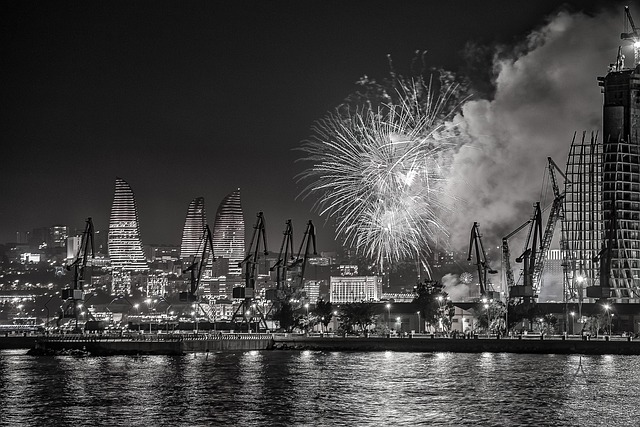
Walking in Azerbaijan: Baku Lanes and Sheki Streets
Official advice. The British FCDO recommends against all travel within 5 km of Azerbaijan’s Armenian border, and against all but essential travel to the south-western districts of the 2020 and 2023 fighting, where landmines and unexploded munitions remain. The US advisory is Level 3, Reconsider Travel. Land crossings with Armenia and Russia are closed. Every route below lies in Baku, Sheki...
read more
Guided Tours in Azerbaijan: Gobustan and Absheron
Government advice before any tour. The British FCDO recommends against all travel within 5 km of Azerbaijan’s border with Armenia and against all but essential travel to the south-western districts of the 2020 and 2023 conflicts, where mines and unexploded munitions remain. The US advisory is Level 3, Reconsider Travel. Land crossings with Armenia and Russia are closed, and airports are open...
read more
Azerbaijan Landmarks: Old City, Palaces, Rock Art
Advice from governments. The British FCDO recommends against all travel within 5 km of Azerbaijan’s Armenian border, and against all but essential travel to the south-western districts of the 2020 and 2023 conflicts, where mines and unexploded munitions remain. The US lists Azerbaijan at Level 3, Reconsider Travel. Land crossings with Armenia and Russia are closed, so travellers fly in. The...
read more
Couples in Azerbaijan: Sea Walks and Mountain Stays
Official advice for travellers. The British FCDO recommends against all travel within 5 km of Azerbaijan’s border with Armenia and against all but essential travel to the south-western districts affected by the 2020 and 2023 fighting, where landmines and unexploded munitions remain. The US advisory is Level 3, Reconsider Travel. Land crossings with Armenia and Russia are closed, and visitors...
read more
Azerbaijan Multi-Day Routes: Sheki, Quba, Gabala
Read this before you plan a route. The British FCDO recommends against all travel within 5 km of Azerbaijan’s Armenian border and against all but essential travel to the south-western districts hit by the 2020 and 2023 fighting, where mines and unexploded munitions remain; travel insurance can be invalid if you go against such advice. The US advisory is Level 3, Reconsider Travel. All land...
read more
Azerbaijan with Kids: Gentle Days Out
Safety note for parents. The British FCDO recommends against all travel within 5 km of Azerbaijan’s Armenian border, and against all but essential travel to the south-western districts left mined by the 2020 and 2023 fighting. The US advisory is Level 3, Reconsider Travel. Land crossings with Armenia and Russia are closed, and families fly in. All the outings below are in Baku or the...
read more
Day Trips Out of Baku: Gobustan, Absheron, Shamakhi
Check the official advice first. The British FCDO recommends against all travel within 5 km of Azerbaijan’s border with Armenia, and against all but essential travel to the south-western districts of the 2020 and 2023 fighting (the Karabakh area), where landmines and unexploded munitions remain. The US advisory is Level 3, Reconsider Travel. Land crossings with Armenia and Russia are closed,...
read more
Things to Do in Azerbaijan: Culture and Peaks
Safety first. Britain’s FCDO tells travellers to avoid all travel within 5 km of Azerbaijan’s Armenian border and all but essential travel to a group of south-western districts around Karabakh, where mines and unexploded shells are still a danger. The United States puts Azerbaijan at Level 3, Reconsider Travel. The land borders with Armenia and Russia are closed, so you fly in. The...
read more
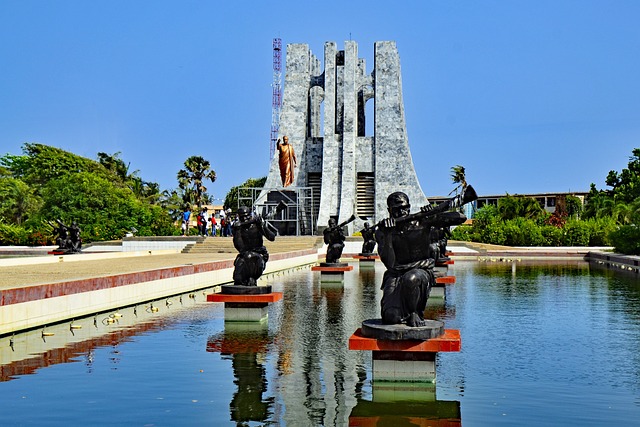
Seeing Accra: Nkrumah Park, Jamestown, Museums
Sightseeing in Accra comes down to a short list of places, spread across a city with heavy traffic. This page ranks them by how much time each needs and says what is open, what costs money and what to confirm. Fees are in Ghana cedis (GH₵), at about 11.7 to the US dollar. Only the cedi is legal tender for shops and taxis, so US dollars are not a substitute. Several sites are memorials, and a quiet...
read more
Family Days Out in Accra: Zoo, Gardens, Reserve
Families will find Accra short on theme parks and long on outdoor space, so the best days combine a garden, an animal visit and a lot of water and shade. Only options that could be confirmed are listed, and prices are left out where no reliable figure exists. Money is in Ghana cedis (GH₵), about 11.7 to the US dollar.
Animals Accra Zoo, Achimota Forest: The Forestry Commission’s Wildlife...
read more
Accra Day Trips: Aburi, Shai Hills and Ada Foah
Where you can go from Accra in a day depends on one thing: how long you are willing to sit in traffic. The sights below are grouped by driving time, from the shortest to the longest. Costs are in Ghana cedis (GH₵), which trade at about 11.7 to the US dollar, and the cedi is the only legal tender for everyday purchases. Leave before the morning rush, which runs from roughly 6:30 to 10:00, and plan...
read more
Serbia on Foot: Old Towns and Riverfronts
The easiest Serbian walks are urban: short, mostly level routes that link a main square with a fortress or a river. Below are route sheets for the main towns, with distances where known. Money is the dinar (RSD), about 117 to the euro. As a safety note, the US rates Serbia Level 2 for crime and the British government says demonstrations can turn violent at short notice, so avoid crowds and follow...
read more
Serbia Landmarks: Forts, Monasteries, Roman Sites
Serbia’s landmarks group neatly by type: river fortresses, monasteries, Roman and prehistoric sites, and the memorials and museums of the twentieth century. This guide follows that order. Prices are in dinars (RSD), about 117 to the euro. For safety, the US lists Serbia at Level 2 for crime, and the British government says demonstrations can turn violent at short notice, so keep clear of...
read more
Serbia for Couples: Cellars, Rivers and Rail
Serbia is a modest choice for couples rather than a lavish one. Few operators sell dedicated romance packages. What works is a short run of simple pleasures: a river sunset, a candle-lit table, a glass of local wine, a train ride. Here is one way to string them into a weekend, with prices in dinars (RSD), about 117 to the euro. For safety, the US rates Serbia Level 2 for crime and demonstrations...
read more
Family Days Out in Serbia: Fares by Child Age
Children’s fares in Serbia depend on age, and the cut-off differs from one attraction to the next, so this guide is sorted by what each ticket office asks. Costs are in dinars (RSD), about 117 to the euro. For safety, the US rates Serbia Level 2 for crime and the British government warns that demonstrations can turn violent at short notice, so steer your family away from any gathering.
Fares...
read more
Guided Sites in Serbia: Golubac to Lepenski Vir
Guided and ticketed visits in Serbia come with rules that change by month, so it pays to know them before you travel. All prices are in dinars (RSD), about 117 to the euro. As a safety reminder, the US lists Serbia at Level 2 for crime and the British government says protests can turn violent at short notice, so avoid them and follow local news.
Golubac Fortress ticket zones Golubac guards the...
read more
Serbia Activities by Season: Rail, Ski, Festivals
What you can do in Serbia depends heavily on the month, because trains, cable cars, fortresses and ski lifts all run on seasonal timetables. This guide is organised by season. Money is the dinar (RSD), about 117 to the euro, and the euro is not legal tender, so withdraw dinars on arrival. For personal safety, the US advisory is Level 2 (crime), and British guidance says protests can become violent...
read more
Nassau Historic Forts, Museums and Galleries
Stay alert. Washington gives The Bahamas Level 2 (Exercise Increased Caution) for crime, and London’s FCDO tells visitors not to walk outside the main tourist areas and beaches, especially alone. Downtown Nassau has regular police patrols, so see the sights by day and take a licensed taxi after dark. Wording is current on the US advisory page and the UK safety page .
Nassau’s main...
read more
Nassau Date Nights and Quiet Beach Time
For couples. The US State Department lists The Bahamas at Level 2 (Exercise Increased Caution). It and the UK FCDO both mention violent crime, assaults reported on and near downtown beaches, and dangerous jet ski and boat operators. Take licensed taxis at night, keep to lit tourist areas and decline rented jet skis or unmarked boat rides. Read the US advisory and the UK safety page .
Romance is...
read more