Recent Tr4vel
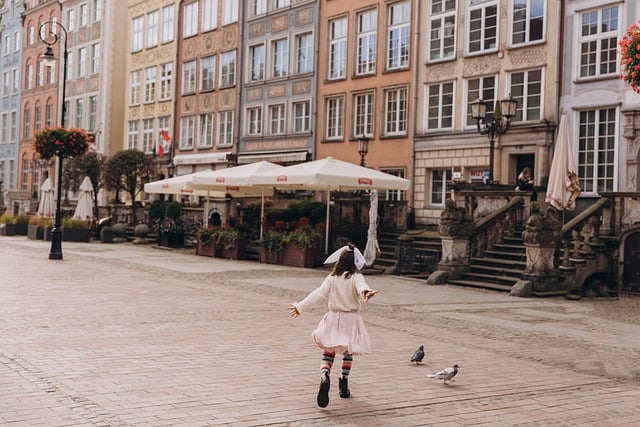
Gdańsk Sights: Free Views and Ticketed Rooms
Gdańsk’s best views cost nothing, and its best rooms cost between 23 and 37 PLN. Sorted by price, the main sights show how many tickets a visit really needs.
Free views The sixth-floor observation deck at the European Solidarity Centre, at Plac Solidarności 1, looks over the shipyard cranes and is free in good weather. Between October and April the centre opens 10:00-17:00 on Monday and...
read more

Reykjavik Sightseeing From Morning to Midnight
Start at Harpa at nine o’clock, before the coaches arrive. The glass facade throws patterned light across the foyer, and the building opens daily from 09:00 with free access to the public spaces. Reykjavik sightseeing works best if you follow the light through the day.
Morning: Harpa and the harbour Harpa’s south wall is a honeycomb of steel and glass bricks designed with the artist...
read more

Panama City Family Days: Three Easy Plans
Families do best in Panama City with a simple rule: outdoors before noon, indoors during the afternoon showers. Here are three ready-made days, each with fees for children.
Plan one: canal and causeway Morning. Miraflores Locks open at 08:00 daily. Child tickets for ages 6 to 12 cost $7.22, and under-6s are free; the adult top price is $17.22. The decks overlook ships squeezing into the chambers....
read more
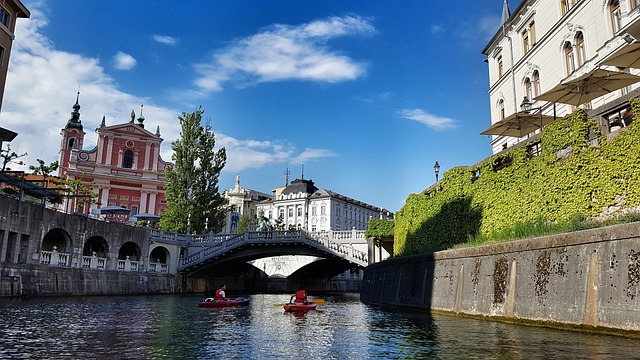
Ljubljana Attraction Tours: Guided or Self-Led
Guided or Self-Led: Ljubljana Attractions Some of Ljubljana’s best attractions let you wander at will, and a few only open their doors with a guide. Knowing which is which saves queuing in the wrong place.
Guided only Plečnik House: the architect’s former home in Trnovo is visited on a guided tour that starts every full hour. It runs Tuesday to Sunday from 10:00 to 18:00 and is shut on...
read more
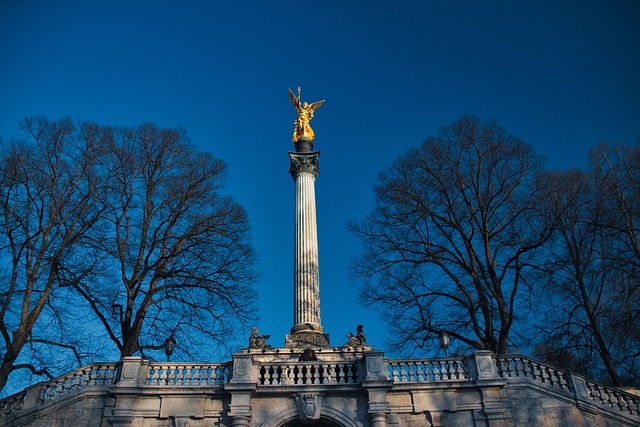
Munich Activities by Budget: Free to Splurge
You can fill a full Munich day for nothing if you know where to look. The city’s price ladder runs from free squares and parks to a €250 tasting menu, so here is what each rung buys.
Free Marienplatz is the first stop. The Glockenspiel in the New Town Hall tower performs at 11:00 and 12:00 daily, with 32 life-size figures and 43 bells. Inside the Frauenkirche you can look for the...
read more
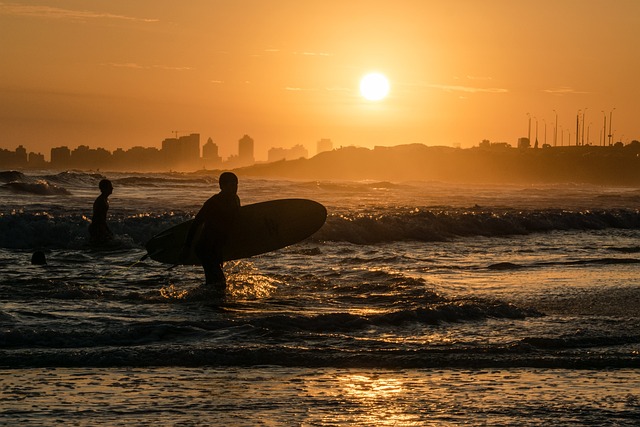
Uruguay Couples Route: Ferry, Sunset, Beach
It starts with a boat The most romantic way into Uruguay is the river crossing from Buenos Aires. Colonia Express reaches Colonia in about an hour from the Dársena Sur terminal, while Buquebus and its Seacat service take about 1h15 from Puerto Madero. Fares vary by class and date, and you check in with your passport, so look at Colonia Express when you plan. Three stops are worth building a trip...
read more
Romantic Bulgaria: Melnik, Plovdiv, Black Sea
A short list of good ideas Bulgaria’s romantic options are few and well defined: a wine village, two old towns and a high mountain day. All prices below are in euros.
Wine in Melnik Melnik is a tiny town in the southwest, set among sandstone hills and known for the Melnik 55 grape. Villa Melnik is a family-led winery with two-hour visits that include five wines, and Villa Sintica offers...
read more
Luxor for Families: A Slow Day by Day Plan
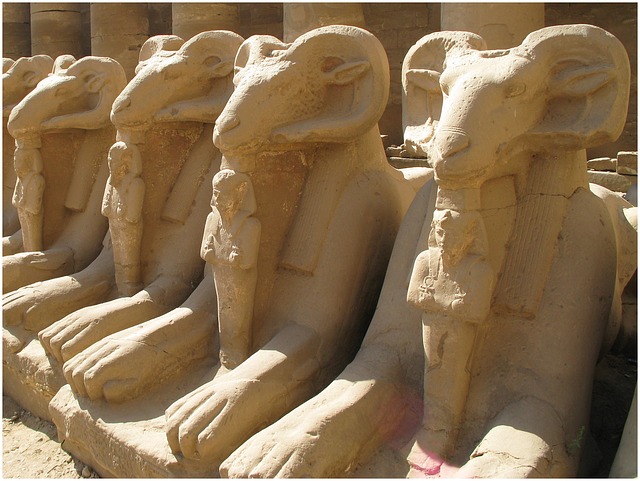
Families do best in Luxor with one outing a day and a long pause in the middle. This plan spreads three easy days across both banks, with the harder sights kept short and early.
Day one: the river Begin with a felucca. A one hour sail costs about EGP 400 to 600 for the entire boat, which takes up to four people. Settle the price and the duration on the dock, and ask for life jackets.
read more
Panama City Day Trips for Wildlife, Forts, Islands
The easiest day trips from Panama City group into three themes: wildlife in the forest, history on the Caribbean coast, and the islands. Pick a theme and the logistics follow.
Wildlife and forest Soberanía National Park and Gamboa (about 45 minutes). Pipeline Road is one of the great birding walks of the tropics, with trogons, motmots and puffbirds. Go at dawn. In Gamboa, boat trips on Gatún Lake...
read more
Philippines Honeymoon Ideas: Island Pairings
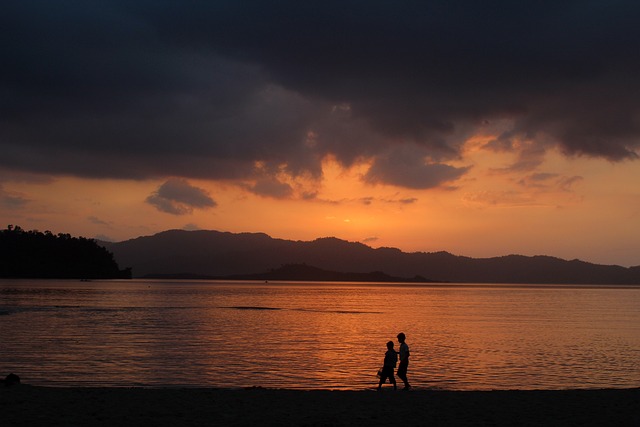
Honeymoon and couples ideas for the Philippines A good Philippine romantic trip is two islands, not five. Pick a pairing, give each place three nights and leave room for weather.
Pairing one: Palawan alone El Nido is the strongest choice for couples. Hire a private bangka for the day, which for two people is commonly estimated at ₱7,000 to ₱10,000 for the boat, and sail early to enter Big Lagoon...
read more
Romantic Tallinn: A Two-Evening Plan for Couples
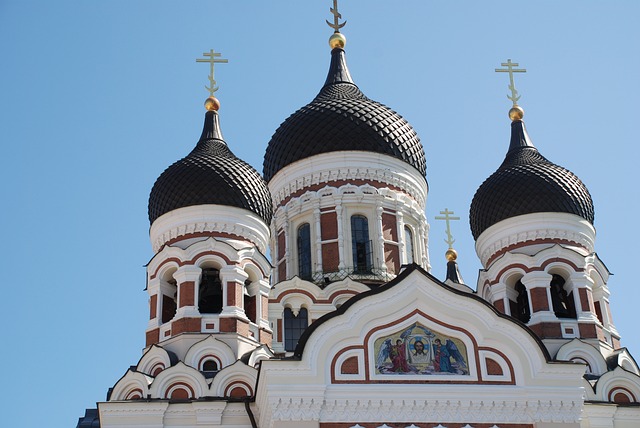
Romantic Tallinn: A Two-Evening Plan Tallinn is small enough to do romance properly in two evenings. The first belongs to the Old Town, and the second to the gardens and the sea. Nothing here needs a big budget.
Evening one: Toompea and the Old Town Go up to the Kohtuotsa platform on Toompea Hill as the light fades. The red rooftops and spires of the Lower Town stretch toward the sea, and the view...
read more
Day Trips from Luxor: Timing, Cost and Heat
A day trip from Luxor is mostly a question of timing. The temples are worth the drive, but only if you leave early enough to beat the heat, so the planning matters more than the destination.
Choosing your trip Two directions work. North of Luxor are Dendera and Abydos, usually done together in one long day. South of Luxor are Edfu, about 110 km away, and Kom Ombo, which are the classic stops of a...
read more
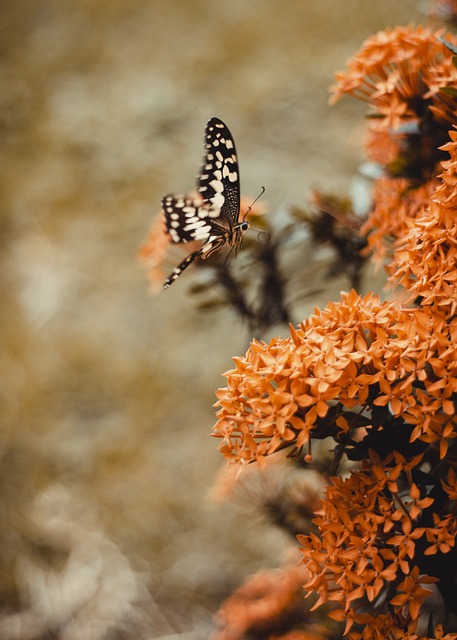
Ghana Itineraries of 3 to 11 Days by Road and Air
Multi-day trips in Ghana The number of days you have decides the route, because distances are large and the roads are slow. Sorted by trip length below, each route carries fares so you can compare coach and plane. Figures are in cedis (GH₵); the rate was about 11.7 per US$ on 1 October 2026 and shifts, so treat dollar equivalents as approximate.
Three to four days: Accra and the coast Spend a day...
read more
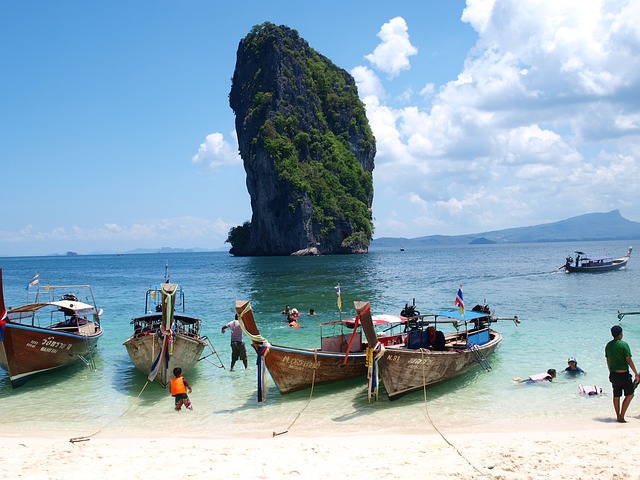
Krabi Sights: Cliffs, River Peaks and Viewpoints
Krabi’s sights range from a stroll on a riverside lawn to a punishing staircase, so it helps to sort them by effort. Start easy, and work up to the hard ones on a cool, clear morning.
Easy: the river and its twin peaks Khao Khanab Nam is a pair of limestone towers standing about 100 metres tall beside Krabi Town. From Chao Fah Park on the waterfront you can look across the river at them,...
read more
Panama City Canal Cruises and Guided Attractions
A ship rising 54 feet inside a lock is the sight most visitors want from a tour. Panama City’s guided options split into water, history and culture, and each has a clear price band.
On the water Partial canal transit. A 5 to 6 hour cruise leaves from Flamenco Marina, passes under the Bridge of the Americas and goes through the Miraflores and Pedro Miguel locks. Prices run about $130 to $170...
read more
Luxor Museums, Carter House and Light Show
When the midday sun makes the temples a bad idea, Luxor has a second tier of attractions with a roof or a floodlight. Four of them fill a gap in the day and cost a fraction of the big tomb tickets.
Luxor Museum The Luxor Museum is the polished one, with climate-controlled galleries and a small, well-chosen collection from Thebes. Adult entry is about EGP 400 (about EGP 200 for students).
read more
Gdańsk and Sopot Romantic Weekend Plan
Two nights, two towns, one 20-minute train. A Gdańsk and Sopot weekend splits neatly into a city night and a seaside night, and there is little to plan beyond a hotel and a concert ticket.
Friday evening: the Motława waterfront Arrive in time for a slow walk along the Długie Pobrzeże quay, where water gates and the medieval Crane face the river and the lights come on over the water. Cross the...
read more
Romantic Reykjavik: Midnight Sun or Aurora
In June the sun hardly sets, and in December it barely rises. Which Reykjavik romance suits you depends on that swing, so plan around the season rather than a fixed list.
Summer: the midnight sun From late May to late July the sky stays bright through the night. Walk the waterfront at 23:00 from the Sun Voyager sculpture towards Harpa, when the light falls gold across the bay. The northern lights...
read more
Tallinn With Kids: Rainy-Day and Outdoor Picks
Tallinn With Kids Pull a child through the hatch of a 1936 submarine and you have a Tallinn memory that outlasts any castle tour. The city suits families because most big sights are compact and many are covered, which matters when the Baltic weather turns. Pick by weather first, then by age.
When it rains Seaplane Harbour is the first choice. Its 1916 hangars house the submarine Lembit, boats,...
read more
Things to Do in Panama City by Neighborhood
Panama City is easiest to enjoy one neighborhood at a time, because the sights cluster and the traffic between them is slow. Four areas hold almost everything worth a visit.
Casco Viejo: the old quarter Built in 1673 and listed by UNESCO, the quarter still has pastel colonial facades, churches and four plazas. Wander Plaza Mayor, Plaza de Francia, Plaza Bolívar and Plaza Herrera on foot. A seawall...
read more
Bulgaria Road Trip Planner: Rila, Pirin, Plovdiv
Why drive Bulgaria’s best multi-day travel is by car. Mountain stops sit far apart, and public transport is thin around Rila and Pirin. A circuit through the southwest works in five days, and each leg is two to three hours at most.
Before you set off Bulgaria has no toll booths. Cars need an electronic vignette on national roads, which costs €10 for a week or €6.60 for a weekend. Buy it...
read more
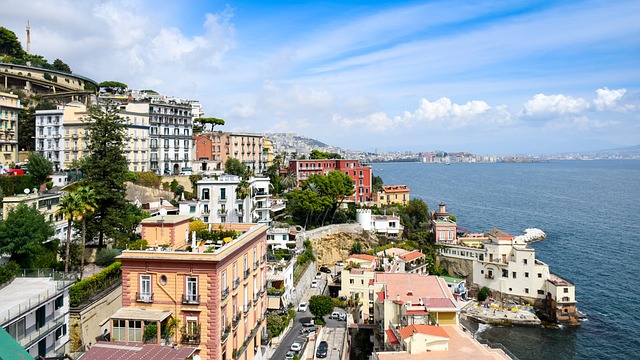
Naples Walks: Decumani, Quartieri, Posillipo
Three walks, three moods Naples rewards walking more than any other kind of touring, but the city is too big for one route. Three separate walks, each two to four hours, give a fair sample of it.
Walk one: the Greek-Roman decumani This is the straight historic axis. Begin at Piazza del Gesu and follow Spaccanapoli east through Piazza San Domenico Maggiore. Return along Via dei Tribunali, the...
read more
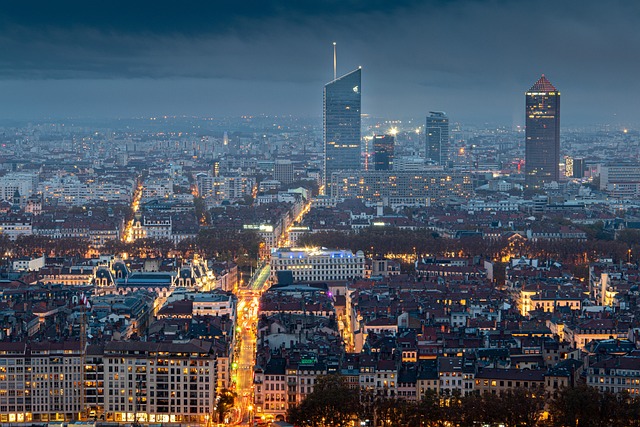
Lyon Sightseeing Planner: Free Sights and Passes
Lyon Sightseeing Planner: Free Sights and Passes Most of what makes Lyon worth seeing costs nothing. The hills, the cathedral, the Roman theatres and the great squares are all free, so the real planning question is which paid museums deserve your money.
The free list The Basilique Notre-Dame de Fourvière is free every day, with seasonal hours that run later in summer. See fourviere.org . Below it,...
read more
Ghana With Children: Gardens, Reserve, Canopy
Ghana with children Travelling in Ghana with children is more about stamina than attractions. Journeys are long, the heat is steady and purpose-built family venues are scarce, so the trip works best with one outdoor highlight a day and plenty of rest. Figures are in cedis (GH₵); the rate was about 11.7 per US$ on 1 October 2026 and shifts, so treat dollar equivalents as approximate.
Start with...
read more
Krabi for Couples: A Slow Three Day Plan
Couples do best in Krabi with a few unhurried set pieces rather than a packed list. This plan spreads three of them over three days: one on the water, one in Railay and one on the quiet north coast, with dinners to match.
Day one: a calm morning on the water Start early in Ao Nang, when the longtail engines are still quiet. Hire a pair of sit-on-top kayaks on the beach, or try sunrise...
read more
Naples Attraction Tours: Tunnels, Palaces, Opera
Three layers of the city Naples reads best in layers: what lies under the street, what the kings built on top, and what is staged inside the opera house. Tours follow the same pattern, so the sections below follow that order.
Below the street Under the old centre runs a network of Greek-Roman cisterns and aqueduct tunnels, reached from Napoli Sotterranea at Piazza San Gaetano 69. Guided tours...
read more
Gdańsk Longer Trips: Teutonic Castles and Warsaw
Gdańsk sits at the northern end of the Teutonic Order’s old castle country, and a rail line runs south along the Vistula through most of it. Two longer routes start here: a castle trail and a Warsaw extension.
The Teutonic trail, 4 to 5 days Malbork is the anchor, a UNESCO site begun in 1274 and the largest brick castle in the world. From 25 April to 30 September the Historical route costs...
read more
Multi-Day Philippines Planner: Transfers by Season
Multi-day Philippines planner: transfers by season A Philippine itinerary succeeds or fails on its transfers. Map the boat, bus and flight legs first, then drop the sights between them.
Step 1: choose the season The dry Amihan runs roughly November to April, with calm seas on the west coast of Palawan and Boracay. Habagat, the southwest monsoon, and typhoons run roughly June to November, about 20...
read more
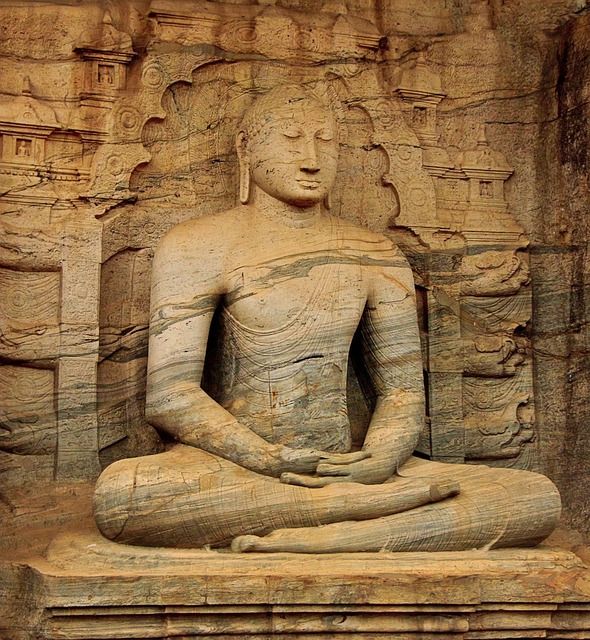
Sri Lanka Sightseeing Tickets and Timing
Sri Lankan sightseeing is expensive at the gate and cheap everywhere else, so it pays to know the ticket structure before you plan the route. Here is the price ladder first and the sights second.
The ticket ladder Heritage tickets are priced in US dollars and paid in rupees at the day’s rate (about 334 LKR to the dollar in autumn 2026).
Site Foreign adult price Sigiriya US$35 (SAARC US$20)...
read more
Reykjavik With Kids: Plans by Age Group
Children under ten swim free in Reykjavik’s public pools, which makes the city unusually easy with small kids and a modest budget. As children grow, the best stops change, so the options below run from babies to teenagers.
Babies and toddlers Laugardalslaug has zero-depth wading areas, warm paddling pools and baby baths in the changing rooms, plus family dressing rooms. Children aged 0 to 9...
read more
Day Trips From Tallinn: Half Day to Full Day
Day Trips From Tallinn by Time Needed The right excursion depends on how many hours you can spare. Here are the options from shortest to longest, starting with those that finish before lunch.
Under half a day The Estonian Open Air Museum at Rocca al Mare is inside the city. It is open Tuesday to Sunday, 10 to 17, in its winter season from 29 September.
Jägala Waterfall is about 25 km east of...
read more
Family Holidays in Bulgaria: What Suits Children
Match the day to the child Bulgaria rewards families who choose outings by age. Toddlers want sand and short walks, primary-school children want animals and trains, and teenagers can handle a mountain. Prices below are in euros, which the country has used since January 2026.
Under 7: sand, sea and short strolls The Black Sea has gentle beaches, and swimming is dependable from mid-June to...
read more
Krabi Day Trips by Weather and Time Available
Most Krabi day-trip advice ranks places by beauty. A better filter is sea state and time, because those decide whether the boat sails at all and how much of your day it consumes. Here is how the options sort.
Half a day, calm sea: Four Islands The Four Islands trip is the short option. A longtail visits Koh Poda, Chicken Island, Koh Tub and Phra Nang Cave Beach, with a snorkel stop and a lunch box...
read more
Ghana Day Trip Planner: Kakum, Aburi, Shai Hills
Day trips in Ghana, sorted by travel time How far you can go in a day depends on traffic as much as distance. Accra’s congestion can add hours, so the best day trips are those with a short first leg, and the longest ones deserve an overnight. Figures are in cedis (GH₵); the rate was about 11.7 per US$ on 1 October 2026 and shifts, so treat dollar equivalents as approximate.
read more
Family Days in Gdańsk and Sopot
A 20-minute train ride takes a family from the cobbled Main Town to a wooden pier over the Baltic. The coast and the castle make good outdoor days, with a few museums for wet afternoons.
A day in Sopot The SKM from Gdańsk Główny runs every 7 to 15 minutes and takes about 20 minutes. Buy tickets in an app, at a station machine or ticket office, or from the conductor.
read more
Family Trips in the Philippines by Age Group
Family trips in the Philippines, sorted by age Children’s needs change fast, and so does the best Philippine island for them. Match the activity to the age and keep the transfers short, since every island hop eats a day.
Toddlers and preschoolers Choose calm sand and short days. Boracay’s White Beach slopes gently into the sea and is a good fit from roughly November to April, in...
read more
Uruguay Attractions: Casapueblo, Fort, Museums
Sunset is the Casapueblo attraction Casapueblo, the cascading white cliff house at Punta Ballena, is easy to spot from the road, and its best hour is dusk. The museum and terraces open daily at 10:00 and stay open until sunset. General entry is UYU 600, UYU 500 for 65 and over, and under-12s are free. The Ceremonia al Sol, a sunset reading over the Atlantic, is the draw, so arrive about 40 minutes...
read more
Krabi Attraction Tours: Kayaks, Caves, Waterfalls
The best Krabi attraction tours put you inside the landscape: in a kayak between limestone walls, under a cavern roof or beside a rainforest waterfall. Here are the ones with enough substance to build a day around, and what to know before you go.
Ao Thalane by sea kayak Ao Thalane is a mangrove estuary north of Ao Nang, where narrow channels open into steep-sided canyons. A guide leads a sea kayak...
read more
Ghana Attraction Tours by Hub: Accra to Kumasi
Attraction tours in Ghana Most Ghanaian attractions sit around three bases, and the sensible way to plan is to pick a base, then add stops within a morning’s reach. Figures are in cedis (GH₵); the rate was about 11.7 per US$ on 1 October 2026 and shifts, so treat dollar equivalents as approximate.
Base one: Accra Teshie fantasy coffins. Along the coast road at Teshie and Nungua, Ga...
read more
Things to Do in Naples, Sorted by Price
Free first The best money-saving fact about Naples is how much of it costs nothing. Spaccanapoli and the parallel Via dei Tribunali, the straight Greek-Roman streets that cut through the old centre, are free to walk all day. The nave of the Duomo di San Gennaro is free, as are Piazza del Plebiscito, Galleria Umberto I and the nativity-figure workshops of San Gregorio Armeno, where craftsmen sell...
read more
Sri Lanka Romantic Getaways: Coast and Sunsets
The south coast of Sri Lanka at sunset is the romantic part of the island: long beaches, a fort wall to walk and a table on the sand. Plan the trip around the dry months and the evenings take care of themselves.
Where to stay Tangalle and Mirissa have quiet villas away from the main beach strips, and Galle’s ramparts are a short drive away. Villa rates vary widely by season and style, so...
read more
Tallinn Attractions Ranked: Tickets and Tips
Tallinn Attractions Ranked Not every Tallinn ticket earns its price. This ranking leans on variety, value and how well each stop copes with bad weather. Prices are 2026 euro rates and may change, so use the official sites for the final word.
1. Seaplane Harbour The 1916 seaplane hangars hold the submarine Lembit, the steam icebreaker Suur Tõll and hands-on exhibits. Adults pay €22, children and...
read more
Gdańsk Day Trips by Train and Water Tram
Most Gdańsk day trips begin the same way, on the SKM commuter railway from Gdańsk Główny. Buy the ticket in an app such as Jakdojade or Koleo, at a station machine or ticket office, or from the conductor on board. The old cardboard tickets you stamped yourself were withdrawn from sale on 1 January 2026, and any left over stop being valid after 12 December 2026.
Sopot and Gdynia on the SKM The SKM...
read more
Naples Sightseeing: Art, Churches and Viewpoints
Look up, then look down The best sightseeing in Naples happens at two heights: inside churches, where ceilings and cloisters hold the art, and on the hills, where the whole bay opens up. This route sorts the city by what you want to look at.
Sculpture and paintings The star is Giuseppe Sanmartino’s Veiled Christ of 1753 in the Cappella Sansevero, whose marble veil looks translucent. The...
read more
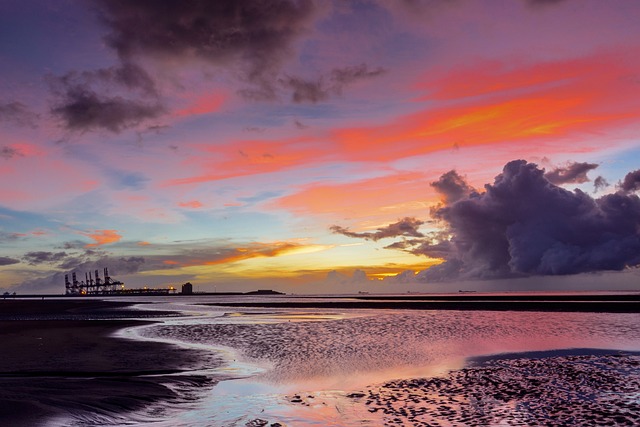
Sightseeing in Taiwan: North, Centre and South
A country in three bands Sightseeing in Taiwan is easiest to plan from north to south. The north has museums and temples, the centre has lake and mountain scenery, and the south has the oldest history.
The north: Taipei and its edges Start with the National Palace Museum, which holds nearly 700,000 imperial artefacts including the Jadeite Cabbage. Admission is NT$350 for adults and about NT$150...
read more

Walking in Kenya: Trails, City Lanes and Sand
The easiest Kenyan walk is also the free one: a beach at low tide, with the Indian Ocean warm and nothing to pay. From there the options climb in effort, up through city markets, forest trails and a volcanic gorge to a crater rim at 2,776 m.
Easy: beach sand at Diani and Watamu Public access runs below the high tide mark, so walking either beach costs nothing. At Watamu, sandbars appear at low...
read more
Reykjavik Day Trips: Choosing Your Route
Strokkur geyser fires boiling water 15 to 30 m into the air every six to ten minutes, and that single sight is why the Golden Circle tops most lists. It is not the only option, though, so here is how to choose between the three big day trips out of Reykjavik.
Pick the Golden Circle if you want variety The paved loop covers about 230 km and takes six to eight hours with stops.
read more
Day Trips in Bulgaria: Monastery, Rocks and Roses
One capital, four very different days Pick a day trip by what you want to see, and the rest follows. From Sofia you can reach a monastery, a rock fortress, a rose valley and Europe’s oldest continuously inhabited city, each in its own long day.
For spiritual calm: Rila Monastery At 117 km south of Sofia, Rila Monastery takes about two to two and a half hours each way. Entry to the courtyard...
read more
Romantic Kenya: Balloons, Camps and Beach Days
Couples in Kenya tend to remember three moments: the sky at dawn, the fire at dusk and the long empty beach after both. The sections below follow that rhythm through the day, using only options that exist and can be booked.
Dawn: a balloon over the Mara Balloon flights lift off before sunrise from the Mara plains and finish with a breakfast in the bush. Secondary listings put prices from about...
read more
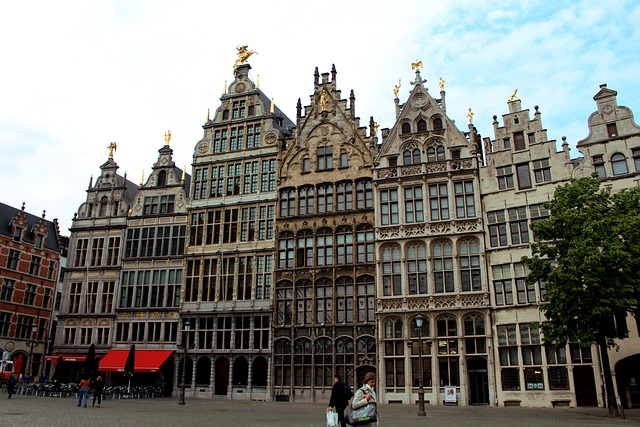
Romantic Antwerp: A Two-Evening Plan for Couples
Romantic Antwerp: A Two-Evening Plan for Couples Give Antwerp two evenings and it repays you with a candlelit alley, a river crossing and a view of the whole port. The days are for slow wandering and the nights are where the city shines. Below is a plan for two nights, with opening details and prices in euros.
Evening one: old town Afternoon: Kloosterstraat. Browse the antique shops, vintage...
read more