Recent Tr4vel
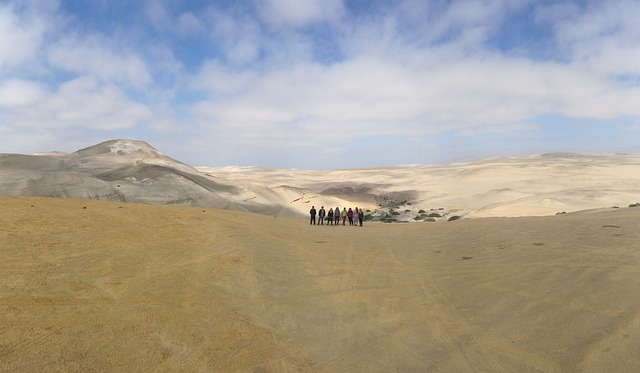
Multi-Day Trips from Ica, Peru
Heads up: some links here are affiliate links. Book or buy through them and we may earn a small commission at no extra cost to you. We only point you to things we would actually use.
There is no train from Lima to Ica, and no scheduled commercial flight lands there either; every multi-day route through this desert runs on the Panamericana Sur by coach or private van. Once that’s settled, Ica...
read more
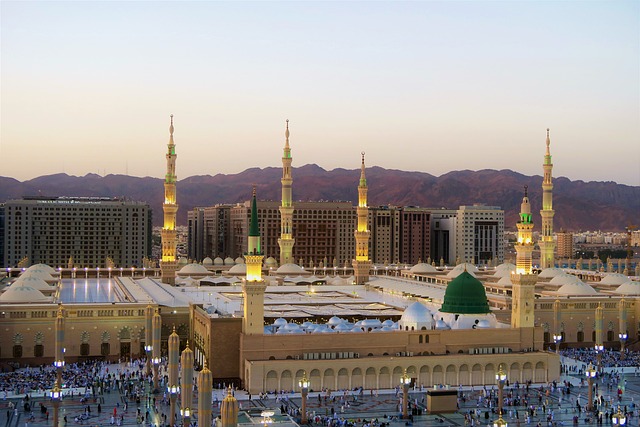
Multi-Day Trips From Medina: Umrah to Al-Ula
Nobody flies into Medina for a single afternoon. The city sits at the head of three genuinely different multi-day routes, and which one fits depends on whether the trip is a pilgrimage, a heritage run, or a coastal add-on.
The Twin Holy Cities Circuit (3 to 7 days) This is the itinerary most visitors are actually building: two or three days in Medina, then the Haramain High-Speed Railway south to...
read more
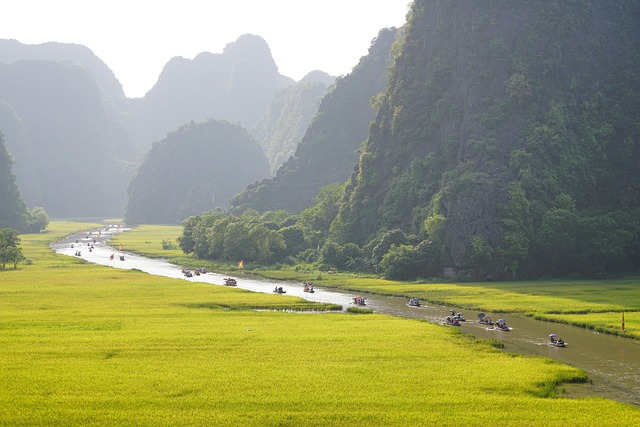
Ninh Binh Outdoor Activities: Steps, Water, Karst
Your legs will know Ninh Binh by the second day: flat river paths in the morning, then 500 stone steps in the afternoon sun. The province rewards people who show up ready to move, and it punishes anyone who treats it as a scenic drive-through.
The 500 steps everyone talks about Hang Mua, usually translated as Mua Cave though the cave itself is a footnote, is really about the climb. Around 486 to...
read more

NYC Activities: Broadway Tickets, Decoded
A TKTS line snaking around Duffy Square looks like the one way into a cheap Broadway seat. It is one of three, and it is not automatically the best one for tonight’s specific show.
Three ways to a cheaper Broadway ticket TKTS booths (Duffy Square, Lincoln Center, and South Street Seaport) sell that day’s unsold inventory at 20-50% off face value, plus an $8-per-ticket service charge....
read more

Rome Activities Beyond the Checklist
Two thousand years after the arena went quiet, you can still learn to fight the way the men who filled it did. Rome’s real activities are the ones that put something in your hands, not just in front of your eyes: a wooden gladius, a ball of fresh pasta dough, a stadium locker room door.
Fight like a gladiator Scuola Gladiatori Roma, run by the Gruppo Storico Romano re-enactment group near...
read more
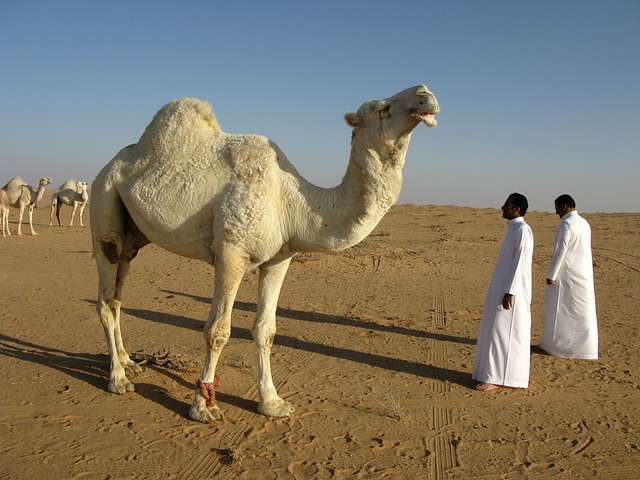
Saudi Arabia's Most Private Luxury Retreats
A private plunge pool cut into a sandstone cliff face in Ashar Valley is not the picture most people carry of a Saudi honeymoon, and that gap between expectation and reality is exactly what makes this country’s luxury-resort scene worth a second look. Three regions carry almost all of it: the AlUla canyons, the Red Sea’s private islands, and the heritage quarter of Diriyah just outside...
read more
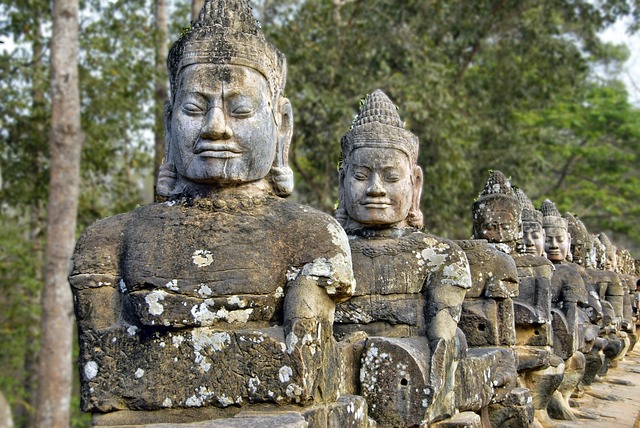
Siem Reap's Animal Activities, Honestly
Ask a Siem Reap tour desk for “animal activities” and most will pause before answering, because there is no big-name zoo or safari park here to send you to. That pause is honest, and it is worth explaining plainly rather than filling the gap with things that do not really exist.
The one animal activity everyone gets wrong Riding an elephant up Phnom Bakheng for sunset sounds like...
read more
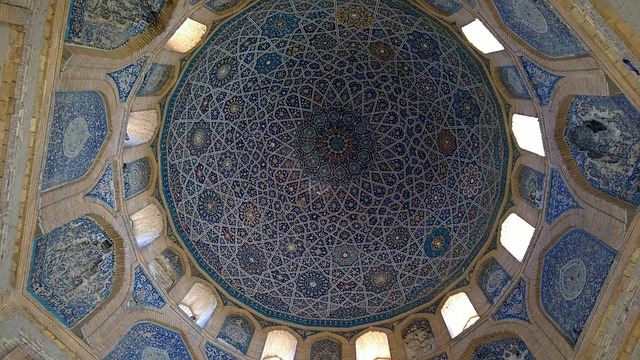
Solo Travel in Urgench, Uzbekistan
Nobody checks your seat number on the green Škoda trolleybus at the Central Bazaar terminus, nobody asks if you are traveling alone, and that quiet lack of interest is exactly what makes Urgench such an easy place to travel solo.
Getting around without waiting on anyone Urgench’s grid of wide, Soviet-planned boulevards is flat and easy to read on a phone map, so a solo traveler rarely needs...
read more
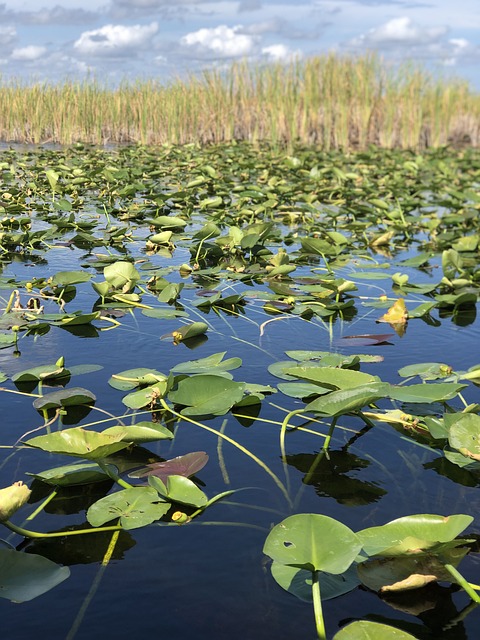
Swamp Buggies and Wet Walks Beyond the Boardwalk
A swamp buggy climbs out of black tannin water on tires taller than a person, and there is no hill, no rapid, and no zipline cable anywhere in sight. That is the honest shape of adventure tourism around Everglades City: flat, wet, and unhurried, built around getting deep into wilderness that swallows roads whole rather than chasing an adrenaline spike from gravity.
Riding into the swamp on...
read more

Tokyo Activities: Classes, Sumo and Shows
A queue outside a plain Kabukicho doorway most nights is not for a nightclub. It is for cartwheeling samurai and taiko drums, three shows a night, at the venue that took over Tokyo’s most notorious dinner theater.
The show that replaced Robot Restaurant Robot Restaurant shut for good in 2020, a genuine COVID casualty despite years of reopening rumors that still circulate online. Its old...
read more
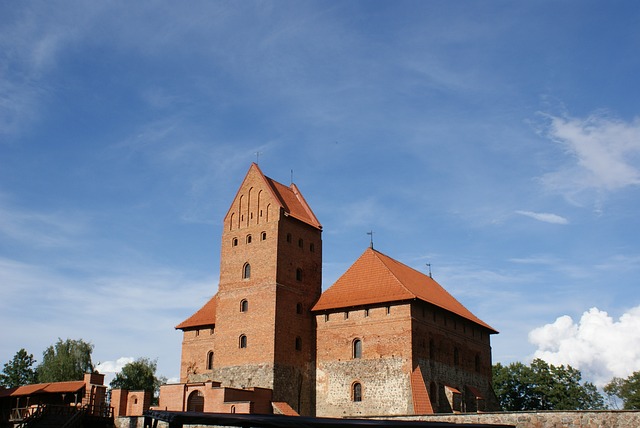
Trakai in a Day: Castle, Lake and Karaite Quarter
Cross the 300-meter wooden footbridge to Trakai Island Castle before ten in the morning and the red-brick ramparts are still quiet enough to hear the lake lapping against the barbican walls. That gap before the tour buses arrive from Vilnius is the single best planning tip for anyone building a day around Trakai’s activities.
The Island Castle and its museum The Gothic water fortress on...
read more
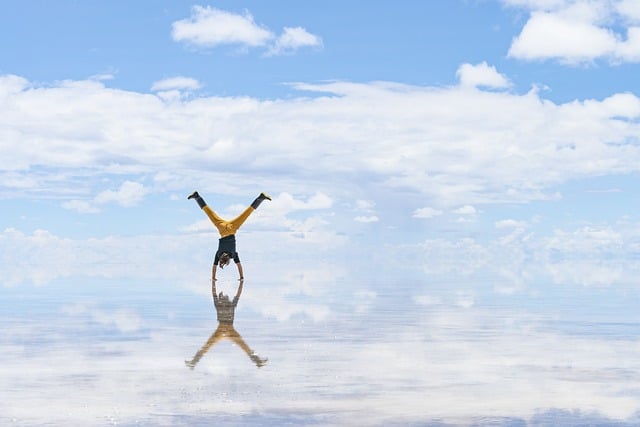
Uyuni Walking Tours: What's Really There
Search for a self-guided Salar de Uyuni walking route and you will find nothing bookable, and that gap is the first thing worth knowing: setting off on foot across the salt flat alone is one of the genuinely dangerous ideas a traveler can have here. There is no shade, no water, no cell signal, and no visible landmark once the horizon curves away in every direction. Disorientation, sunstroke and...
read more
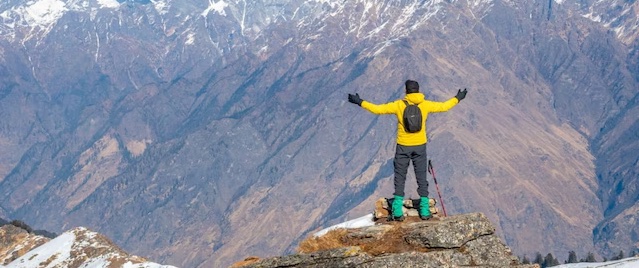
Romantic Kharkhorin: Ger Camp Price Tiers
Two romantic ger camps near Kharkhorin sit well above the standard seasonal camp in price, and it’s worth knowing exactly what that extra cost buys before you book the expensive option by default.
The upper tier Ursa Major Geo-Lodge, in the Orkhon Valley near Kharkhorin, is an eco-conscious camp with well-appointed traditional gers, private dry toilets, French-Mongolian cuisine and an...
read more
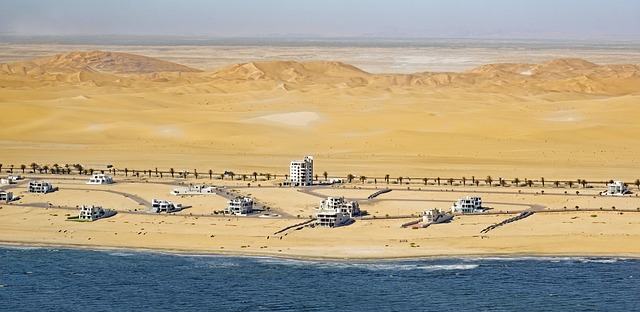
Windhoek Animals on a Budget: Free to Splurge
Skip anything in Windhoek marketed as a Big Five safari. Lions, wild elephants, and rhinos in a natural ecosystem mean a 400 km drive north to Etosha National Park, or a private reserve like Okonjima, not a city outing. What Windhoek offers instead is smaller, cheaper in places, and worth budgeting properly for.
Free: Avis Dam Nature Reserve A municipal dam on the city’s eastern edge with no...
read more
Kharkhorin Outdoors: Free Hikes, Priced Horses
Once you’ve paid to get out of Kharkhorin town, almost everything you do next is free. The one real line item is the horse.
What costs money Half day horse treks along the Orkhon Valley, riding hardy Mongolian steppe horses with local wranglers, run roughly 35,000 to 50,000 MNT per horse, plus a guide fee. That’s the one outdoor activity here with a real per-person, per-day price tag...
read more
What a Multi-Day Kharkhorin Loop Actually Costs
Before booking a 4 day loop or a 7 day expedition through Kharkhorin and the Orkhon Valley, know what actually drives the price: it’s the vehicle, not the itinerary length.
The three routes on offer A 3 to 4 day Central Mongolia Steppe Loop typically runs Ulaanbaatar to Hustai National Park (wild Przewalski’s horses) and the Elsen Tasarkhai dunes on day one, Kharkhorin’s Erdene...
read more
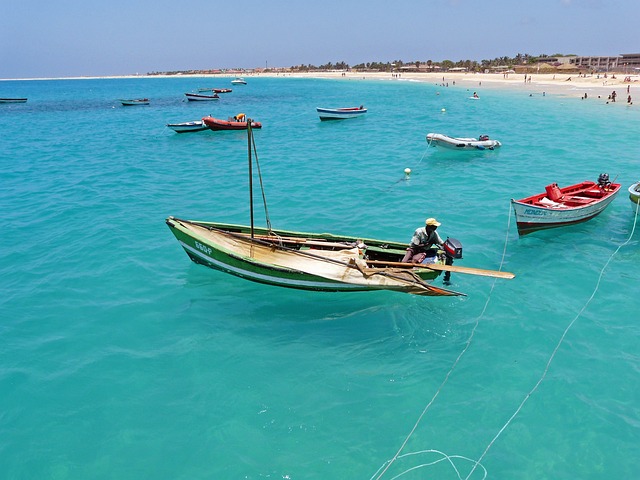
Cape Verde Sightseeing: Free Views, Paid Drives
Work out what you can see for free in Cape Verde before you rent a car, because several of the best views here don’t cost anything beyond getting there.
Free viewpoints The Fontainhas village viewpoint on Santo Antão costs nothing: pastel stone houses perched on a narrow ridge above a deep green ravine, best seen from the clifftop trail rather than a vehicle. Monte Leão on Sal, a volcanic...
read more
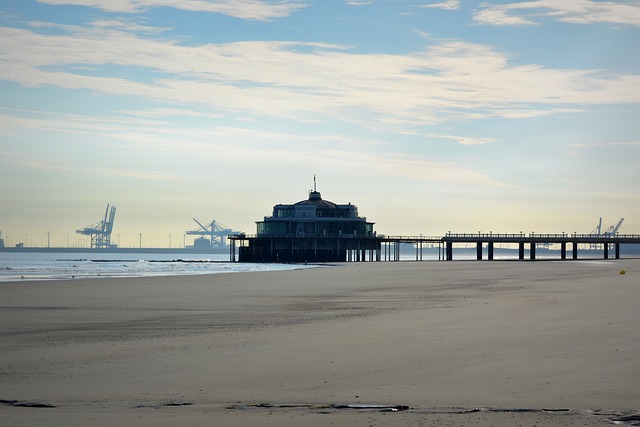
Zeebrugge Sightseeing on a Real Budget
Here’s the useful version of Zeebrugge sightseeing: almost everything worth seeing costs nothing, and the one thing worth paying for is a boat ticket, not an entrance fee.
Start free, at the St. George’s Memorial on the Zeedijk, a granite monument to the British Royal Navy’s raid on the harbor on April 23, 1918. Walk on to the Zeebrugge Churchyard nearby, where the Commonwealth...
read more

Budget-Smart Romantic Getaways in Chengdu
A night at Six Senses Qing Cheng Mountain costs more than a week of hotpot dinners for two, but the best romantic evening in Chengdu is nearly free if you know which riverbank to walk.
Mount Qingcheng: splurge on the night, or just take the day A 30-minute train ride out to Mount Qingcheng’s Front Mountain gets you stone stairways wrapped in moss, pine forest, and mountain mist, the kind of...
read more
Cape Verde Festivals: Free Fun, Booking Timing
Book the room before you book the flight if a Cape Verde festival is anywhere near your dates, because the free events are the ones that fill hotels fastest.
Free: Baía das Gatas and weekly morna The Festival de Música da Baía das Gatas, held on São Vicente every August during the full moon, is a free open-air beach concert running three days straight through Morna, Coladeira, Funaná, reggae, and...
read more
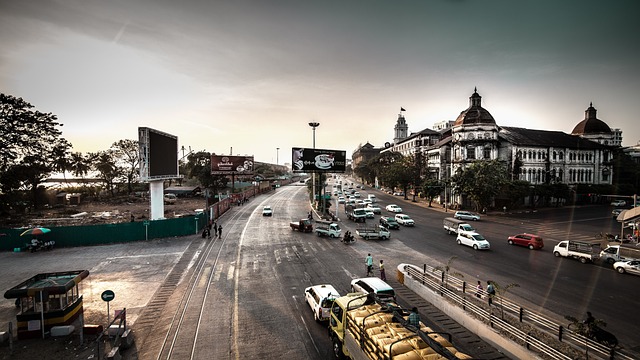
Yangon Shows and Festivals: Cost vs Free
Yangon Shows and Festivals: Cost vs Free Skip the phrase “water puppet show” if you see it advertised in Yangon: Myanmar’s puppet tradition doesn’t use water at all, and knowing that difference will save you from a mismatched booking.
Myanmar’s traditional puppet art is Yoke The, string-operated marionettes carved from wood and manipulated by a master puppeteer,...
read more
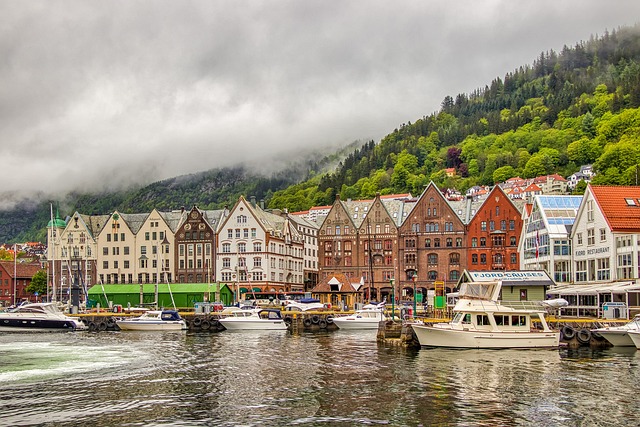
Bergen Workshops: Fish, Buns and Silver Crafts
The workshop scene in Bergen runs through fish, dough, and hot metal rather than through generic craft studios, and grounding a booking in one of those three keeps you away from listings for shops that do not exist.
Learning to cook the way Bergen eats The most genuinely hands-on option is a guided fishing trip paired with outdoor cooking: you go out for cod, mackerel, or crab, then clean and cook...
read more

Sa Pa Group Activities That Won't Break the Bank
Sa Pa Group Activities That Won’t Break the Bank Splitting a homestay dinner eight ways changes the math on a Sa Pa group trip more than any single ticket does.
The homestay dinner, and what it actually costs per person Groups hiking into Ta Van or Ban Ho typically overnight in a family’s wooden stilt house rather than a hotel, and the host cooks a full communal dinner: roasted pork,...
read more
Zeebrugge Day Trips: Real Costs and Times
Before you book anything, know the actual numbers: four real day trips from Zeebrugge, none of them expensive, and none of them requiring a car.
Bruges (15-20 minutes by train, roughly €3.50-€4.50 one way): the obvious choice and worth every minute. Direct trains run from Zeebrugge-Dorp or Zeebrugge-Strand station straight to Brugge, and the fare covers the whole trip. Once there, the...
read more
What to Actually See Around Cotopaxi
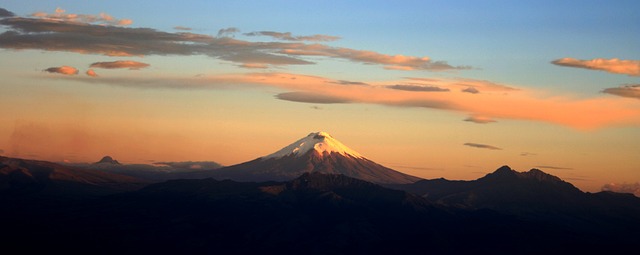
Most of what makes Cotopaxi Province worth seeing does not require a park fee, a guide, or a single step above 4,000 meters, though the single most photographed view does ask for all three.
The volcano itself Cotopaxi’s snow-capped cone rises to 5,897 meters and dominates the skyline from the Pan-American Highway, from the Limpiopungo plains at 3,800 meters, and from the high refuge itself....
read more
Cape Verde Outdoor Activities on a Budget
Price the ferry before you price the hike: Santo Antão holds Cape Verde’s best trekking, and it has no airport, so every outdoor budget here starts with a boat ticket.
Getting to the trails The only way onto Santo Antão is the CV Interilhas ferry from Mindelo (São Vicente), a scenic 60 minute crossing running 2 to 3 times daily for around 1,500 CVE (about €14) each way for non-residents,...
read more
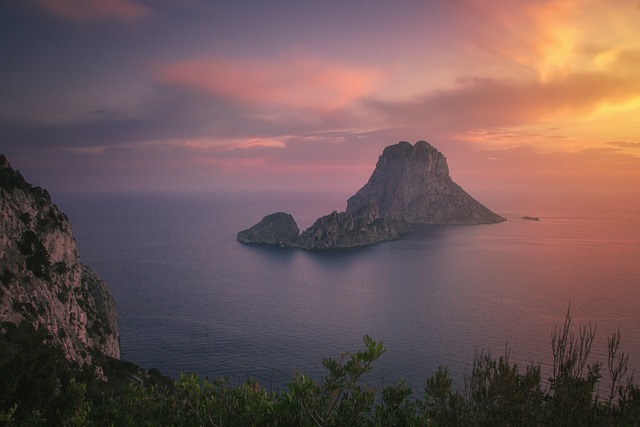
Guided Adventure Tours in the Balearics
Four islands, four completely different structured-tour formats: a capped-quota national park boat trip, a traditional sailboat anchoring where no road reaches, a speedboat safari past a mystical rock, and a 4x4 route through olive terraces. None of these substitute for one another.
Cabrera Archipelago boat expedition (from Mallorca) A full-day trip departing Colònia de Sant Jordi by boat to the...
read more

Osaka Romantic Getaways on a Real Budget
You don’t need a suite at the Ritz to make this work A hotel room with a view is the obvious romantic move in any big city, and Osaka has three genuinely good ones. But before you book a night you can’t really afford, know that the cheapest option on this list, an onsen admission, delivers just as much of the actual romance: shared robes, hot water, and a couple of hours where neither...
read more
Romantic Getaways in Colombo's Western Province
The high tea trolley at Mount Lavinia Hotel still rolls out onto the same ocean-facing terrace where a British governor once entertained the woman he built the mansion for, and the waves underneath have not changed much since 1806.
Colonial high tea and boutique stays Mount Lavinia Hotel , built as Governor Thomas Maitland’s residence for his companion Lovina Aponsuwa, serves a...
read more

Shanghai Outdoors: Riverfront Runs, Park Tai Chi
Set an alarm for 6:45 and walk into Fuxing Park before the humidity builds, and you will find a French-style lawn already full of retirees mid-routine: fan dancers on one path, tai chi on the lawn, water calligraphy dripping across the paving stones. That, not a mountain trail, is what counts as outdoor Shanghai.
Cycle the plane-tree avenues, not the highway Shared bikes, unlocked through Alipay,...
read more
Real Romance in the Bay Islands, Honduras
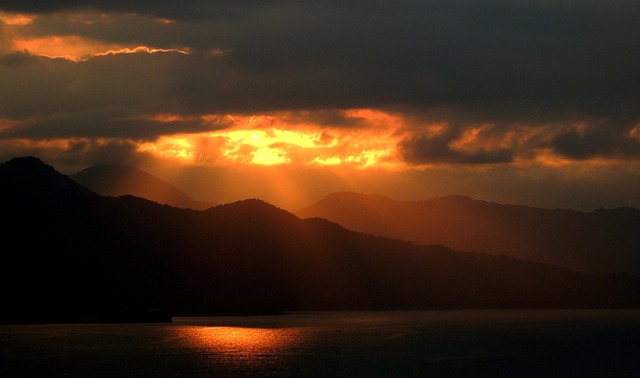
The captain cuts the catamaran’s engine a few hundred meters off Half Moon Bay, right as the color drains out of the sky, and that’s the moment couples staying in West End actually book the boat for. Romance in the Bay Islands has very little to do with candlelit menus and almost everything to do with getting away from other people, on a set of islands small enough that...
read more
Chengdu Multi-Day Trips Without the Splurge
The old sleeper bus to Jiuzhaigou took ten hours each way and burned an entire travel day before you saw a single lake. The new bullet train does the same run in under two and a half hours, and that single change rewrites the budget math for every multi-day trip out of Chengdu.
Jiuzhaigou and Huanglong by train (2 to 3 days) The Sichuan-Qinghai high-speed line runs from Chengdu East Railway...
read more

Multi-Day Trips From Mexico City on a Budget
Mexico City has four intercity bus terminals, and between them they reach more of the country than most week-long itineraries manage without ever booking a flight. The budget question isn’t whether to leave the capital, it’s which terminal and how many days you can spare.
Puebla and Cholula (2 to 3 days), from Terminal TAPO (Oriente), is the cheapest add-on: about 2 hours east by ADO...
read more
Yangon Outdoor Spaces: What's Free, What's Not
Yangon Outdoor Spaces: What’s Free, What’s Not The best outdoor hour in Yangon costs less than a dollar and involves a slow boat, not a trail map.
Yangon sits flat across the Ayeyarwady Delta, on freshwater lakes rather than hills, so skip anything that promises hiking trails or nature reserves with elevation gain inside city limits. There isn’t a hillside footpath network here....
read more
Walking Tours in Taif: Old Town and Farms
Ask a taxi driver in Taif where to go for a walking tour and the honest answer is a shrug, because this is a highway city spread across a mountain plateau, not a compact old town built for wandering.
Souq Al Balad is the real walk here The one genuine walking route is Souq Al Balad, the old central market, where a 1.5 to 2 hour loop covers cobblestone pedestrian lanes lined with mountain honey...
read more
Cape Verde with Kids: What's Free, What's Not
Work out what’s genuinely free before you book a single Cape Verde family activity, because the honest split here is sharper than most brochures let on.
Free: salt water and shark watching Floating in the Pedra de Lume salt crater on Sal costs nothing beyond getting there: the extinct volcanic caldera holds water 27 times saltier than the open sea, so children float without effort. Shark...
read more
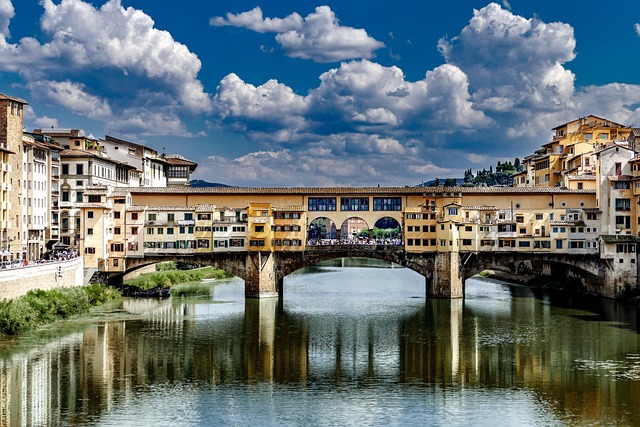
Florence Shows and Events: What's Actually On
Most of what shows up under “Florence events” online is generic aperitivo-and-live-music filler that could apply to any Italian city. Florence actually has a short list of events specific enough to plan a trip around, and a few that will ruin your day of sightseeing if you wander into the wrong square without knowing what’s happening.
Calcio Storico Fiorentino, held every June...
read more
Sa Pa Bus Tours: Sleeper Coach vs Local Shuttle
Sa Pa Bus Tours: Sleeper Coach vs Local Shuttle “Bus tours” in Sa Pa actually means three different things, and mixing them up is how people overpay for a 10-minute ride or underpay for an 8-hour one.
Getting to Sa Pa: the sleeper coach The budget-sane way to reach Sa Pa from Hanoi is the VIP cabin sleeper bus, running the Noi Bai to Lao Cai Expressway direct to downtown Sa Pa in about...
read more
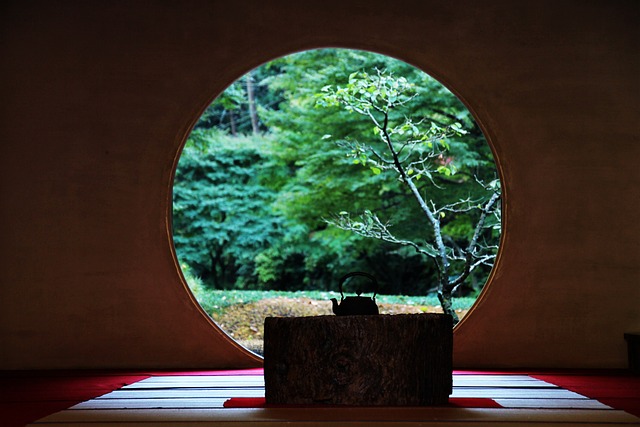
Kamakura Workshops: Zazen, Lacquerware, Soba
Book a workshop in Kamakura and you’re paying for one of three real things: a seat in a temple meditation hall, a chisel and a block of katsura wood, or a rolling pin and a bowl of buckwheat flour. Nothing else in this category actually exists here, so here’s what your money and time buy.
Zazen at Kencho-ji and Engaku-ji Both temples run traditional seated meditation sessions led by...
read more

Tegucigalpa Walking Tours: Free Route, Safe Hours
The best sightseeing in Tegucigalpa costs nothing but a pair of comfortable shoes and a start time before 9am, while the sun is still low enough to make the walk pleasant instead of punishing.
The route, stop by stop Start at Plaza Morazan, the 1883 bronze equestrian statue of General Francisco Morazan at its center. On the plaza’s east side stands the Catedral de San Miguel Arcangel, built...
read more
Adventure Sports in the Balearic Islands
A 682-meter climb packed into ten kilometers of hairpins, a canyon that has killed hikers who ignored the forecast, and a wind reliable enough to build an entire kitesurfing season around it. Adventure sports here are island-specific, and the specifics matter more than the marketing.
Mallorca: cycling, climbing, and one dangerous canyon Mallorca is Europe’s winter and spring road-cycling...
read more

Amman Bus Tours: Fares, Routes, and Booking Tips
Sixty JOD buys a private car and driver for a day trip out of Amman. Seventy-eight cents, roughly 0.55 JOD, buys a seat on a public bus covering ten minutes of the same city. Knowing which of Amman’s bus options actually fits your trip saves real money, and the choice is less obvious than it sounds.
Getting in from the airport Queen Alia International Airport sits about 35 km south of...
read more
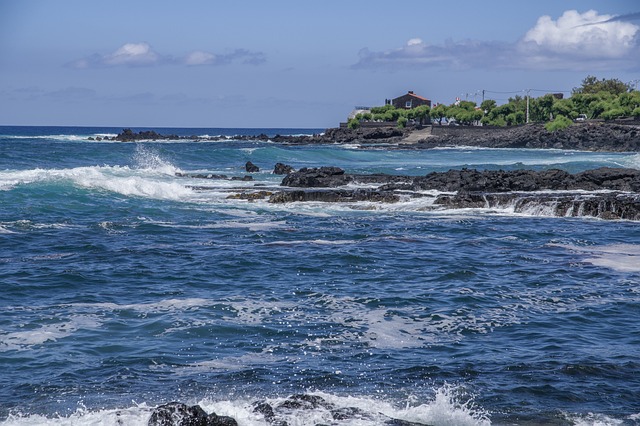
Azores Animal Encounters: What They Really Cost
The whale-watching boat is not actually the bargain option in the Azores. The clifftop path beside the harbor, free and open before sunrise, sometimes shows you more animals than the boat does. Here is what wildlife watching on these islands really costs, in money and in planning.
Whale and dolphin watching: the paid centerpiece Sperm whales, common dolphins, bottlenose dolphins, and Risso’s...
read more
Bergen's Honest Animal Guide: No Safari Park
Search “Bergen zoo” and the results will waste your afternoon: there isn’t one. Bergen is a Hanseatic port city cradled by seven mountains and a fjord system, not a wildlife park, and the honest starting point for animal activities here is admitting that up front rather than inventing a farm park that does not exist.
Akvariet i Bergen: the one real ticketed animal attraction At...
read more
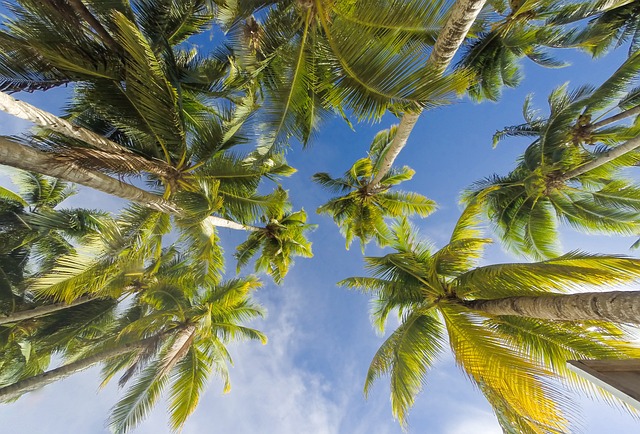
Boracay Workshops: Learn to Dive, Kite or Cook
Forget the pottery wheels and glassblowing studios that show up on some Boracay workshop lists. They don’t exist here. What Boracay actually teaches well, and cheaply, all happens in or near the water.
Get PADI or SSI certified without a live-aboard budget Station 1’s shelf stays chest-deep for a long stretch before it drops to the reef, which is exactly why Boracay is one of the more...
read more
Kandalama Outdoor Activities on a Budget
There is no rental kiosk on the Kandalama Reservoir bund handing out kayaks for a flat hourly fee, and no bike-share dock at the gate. If you came expecting a resort strip with pricing boards, recalibrate: Kandalama is a working reservoir ringed by forest, and its outdoor activities run through your lodge, not a tourist storefront.
Kayaking the reservoir Sit-on-top kayaks go out on Kandalama Wewa...
read more
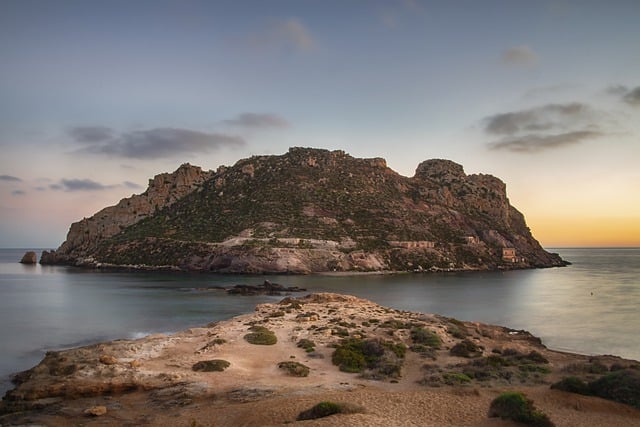
Likuri Island Romance on an Eco Budget
The Real Cost and Comfort of Romance on a 25-Acre Island Skip the honeymoon-suite Pinterest board. Likuri Island’s version of romance runs on solar panels and a diesel generator, not remote-controlled everything, and knowing that ahead of time is what makes the trip feel right instead of like a letdown.
What you’re actually booking. Couples stay in freestanding thatched bures set...
read more

Riyadh Province Attractions: Book Ahead
Show up at At-Turaif without a ticket and staff will turn you around at the footbridge. That single fact should shape how anyone plans a Riyadh Province attractions itinerary: some sites are free and walk-up, one headline site is booking-only, and the desert excursions run on a completely different clock.
The pass you cannot buy at the gate At-Turaif, the UNESCO-listed 18th-century mud-brick...
read more
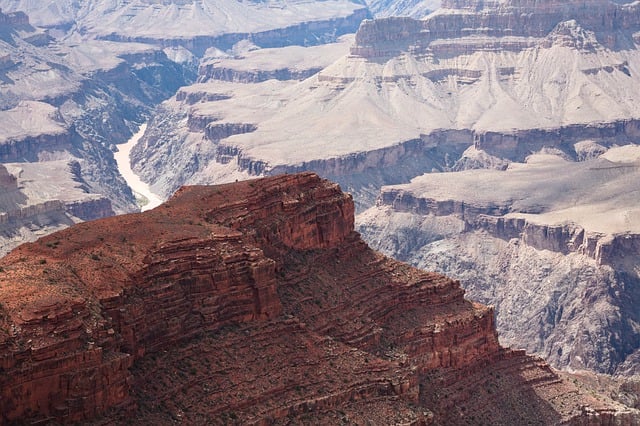
Romantic Grand River South East On A Budget
Romance Here Doesn’t Need A Four Seasons Budget Grand River South East (GRSE) sits on Mauritius’s east coast, and the postcard version of romance here is the Four Seasons Resort Mauritius at Anahita in nearby Beau Champ: private pool villas across 64 acres of garden, overwater spa pavilions, couples’ massages with local sugarcane scrubs. It is genuinely excellent. It is also...
read more
Bay Islands Wildlife: Skip the Sloth Selfies
A snorkel boat off West End will point out sea turtles without a second thought, but ask the same captain about the “monkey and sloth hangout” up the road and the answer gets vaguer. That gap between the wildlife trip everyone recommends and the one it stays quiet about is the entire story of animal activities in the Bay Islands.
The credible encounters start on Útila. The Whale Shark...
read more