Recent Tr4vel
Taiwan for Couples: Tea, Steam and Lakeside Calm
Three settings for a good evening Taiwan suits couples who like their romance quiet. The options below fall into three settings: steam, tea and water. None needs a big budget, and all are close to Taipei or a rail line.
Steam: private hot spring rooms Beitou and Wulai offer private bathhouse rooms with a cedar or stone tub for two. They are booked by the hour, typically 60 to 90 minutes, and...
read more
Krabi Activities for Calm Seas and Monsoon Days
Krabi has two personalities, and the sea decides which one you get. Outside the monsoon the water is the main attraction. From May to October it turns rough and the best plans move onto land. Pack both lists and let the weather choose.
When the sea is calm Sea kayaking at Ao Thalane. A half-day paddle takes you through mangrove channels and between limestone walls, with kingfishers, monitor...
read more
Uruguay Activities by Season and Budget
What a “$600” menu really costs On a Uruguayan menu, “$600” is 600 pesos, roughly US$15 at about 40 UYU to the dollar. Dollars are written “U$S” or “USD”. Every cost below is in pesos, so you can budget before you land.
Free Shore whale watching from July to October at Punta del Este, José Ignacio, La Paloma and Cabo Polonio, strongest in August and...
read more
Gdańsk Activities: Amber, Food and the Baltic
Pick up a piece of Baltic amber on Mariacka street and you are holding resin roughly 40 million years old. Gdańsk has long called itself the world capital of amber, and that is the easiest thread to follow through the city.
Amber, from workshop to museum Ulica Mariacka is lined with studios where jewellers cut, polish and set amber in silver, and you can often watch the work through the doorway.
read more
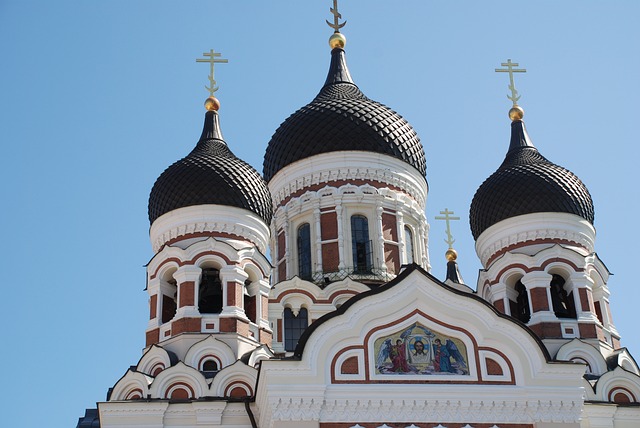
Tallinn Activities by Budget: Free to Splurge
Tallinn Activities by Budget Tallinn can fill three days without a single ticket, or swallow a few hundred euros if you climb, sail and dine your way around. Sorting the options by price makes the choices clear. Everything below is in euros, and cards are accepted almost everywhere.
Free The UNESCO Old Town: Pikk, Lai and Vene streets, St Catherine’s Passage and the Viru Gate towers....
read more

Reykjavik Attraction Tours: A City Card Plan
One card, one ticket or a mix? In Reykjavik the answer depends on how many museums and pools you plan to fit into a day, so it helps to count before you buy.
The City Card arithmetic The Reykjavik City Card sells at ISK 6,100 for 24 hours, ISK 8,500 for 48 hours and ISK 10,500 for 72 hours. It covers Strætó city buses, the eight public pools, around 17 museums and attractions, and the ferry to...
read more
Bulgaria Activities for Every Season of the Year
Winter: snow and a mountain town January belongs to the ski resorts and to the masked dancers of the Surva festival in Pernik. Bansko is the main ski town, with a one-day adult lift pass at €59 in peak weeks (27 December to the end of March) and €45 outside them. The gondola return is €27. Resorts publish fresh prices every season, so the Bansko ski price page is the place to confirm figures for...
read more
Philippines Attraction Tours: Book or Go Solo
Philippines attraction tours: book or go solo Some Philippine attractions are easiest on a joiner tour that handles the vans and permits. Others cost less and feel better when you go alone. Here is how the main ones split.
Worth booking as a tour Underground River, Palawan. The park is at Sabang, about two hours by van from Puerto Princesa, and the daily cap is 900 visitors, so permits matter. The...
read more
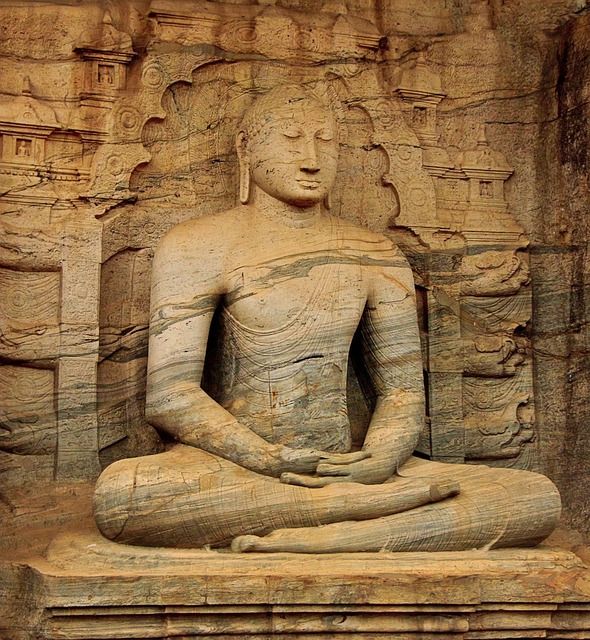
Sri Lanka Multi-Day Trips: Culture and Trails
Two kinds of multi-day trip work in Sri Lanka: a seven-day culture loop by car, and a slow walking route through tea country. Pick the one that fits your legs and your month.
Route one: the seven-day culture loop Days Base Highlights 1 to 2 Sigiriya Sigiriya rock (US$35), Dambulla caves, Pidurangala 3 Polonnaruwa Gal Vihara (US$30) 4 Kandy Temple of the Tooth (LKR 3,000), lake 5 to 6 Nuwara Eliya...
read more
Things to Do in Ghana: Forest, Wildlife, Food
Things to do in Ghana Think of Ghana as four short trips sharing one visa: a forest coast, an Ashanti heartland, a savannah park and a busy capital. Each has one standout activity, and travelling between them takes longer than most itineraries admit. Figures are in cedis (GH₵); the rate was about 11.7 per US$ on 1 October 2026 and shifts, so treat dollar equivalents as approximate.
Before anything...
read more

Animal Encounters Near Bordeaux
Bordeaux built its reputation on wine, not wildlife, so anyone hoping for a big-city zoo or an aquarium downtown should adjust the plan before arriving. There is exactly one real animal attraction inside easy reach of the city, and one more worth a full day trip if the first isn’t enough.
Zoo de Bordeaux-Pessac The city’s only real animal collection sits just outside the center, at 3...
read more
Traveling Solo in Da Nang
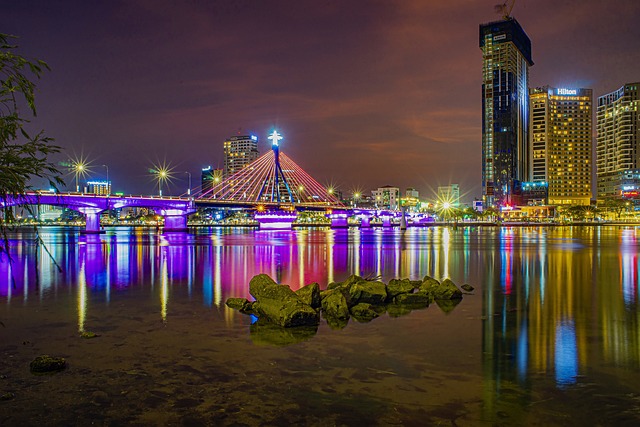
Da Nang doesn’t have a backpacker strip or a solo-traveler hostel scene the way Hanoi’s Old Quarter or Hoi An’s riverside does. What it has instead is a compact, walkable coastal city that one person can cover easily in a day or two on a rented bike or with a ride-hailing app, without ever needing a group.
No dedicated solo scene, and that’s the honest picture There’s...
read more
Hands-On Workshops in Helsinki
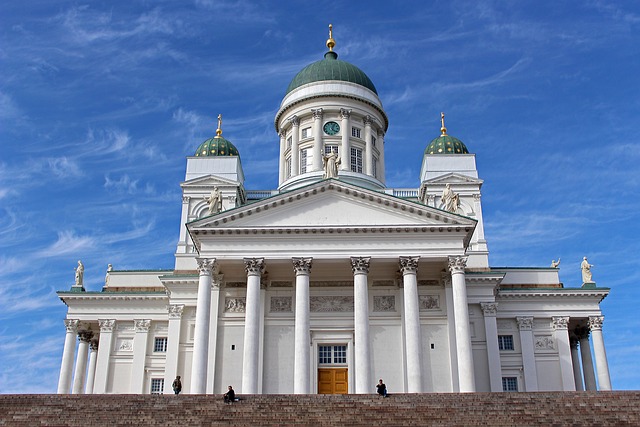
There’s no single tourist “workshop day” in Helsinki that bundles pottery, baking, and design history into one bookable product, whatever a listing site might imply. What the city has instead is one genuinely free hands-on space and a neighborhood of working studios worth walking through.
Oodi’s makerspace, free and open now The second floor of Oodi Central Library...
read more
Group Activities in Colombo
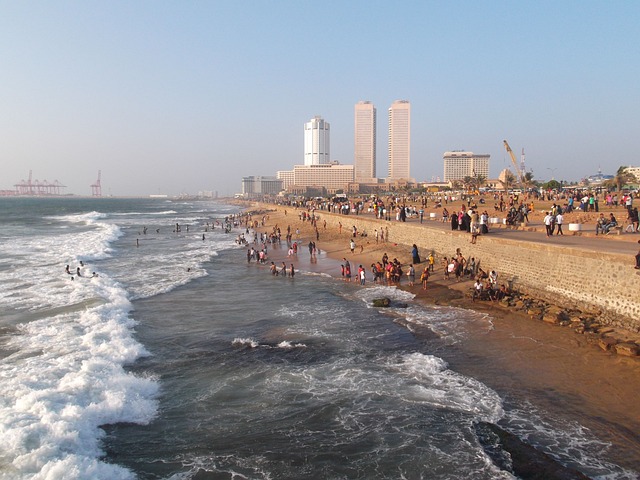
Colombo rewards a group better than a solo visit in a few specific ways: crab feasts are priced and portioned for sharing, the bowling alley and arcade at Excel World need more than one player to be worth the trip, and the market lanes of Pettah are easier to navigate as a pack than alone.
A crab dinner built for a table, not a plate Ministry of Crab, inside the restored Old Dutch Hospital in...
read more
Bus Tours in Helsinki: What to Know
Helsinki’s compact center means a bus tour here is really two separate things: one loop around the city sights, and a set of coaches heading out to nearby towns for the day.
The hop-on-hop-off loop Stromma runs Helsinki’s sightseeing bus, a hop-on-hop-off route departing from Senate Square that operates May through September. A day ticket costs EUR 36 and lets you get on and off as...
read more
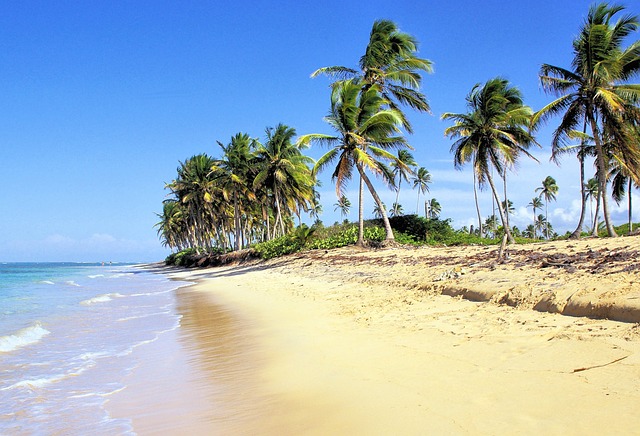
Sightseeing Beyond Punta Cana Resorts
Unforgettable Sightseeing in the Dominican Republic The sights worth planning a day around here split cleanly into three kinds: colonial stone, mountain and waterfall, and a coastline that only shows its best side in the right season.
Beaches Punta Cana’s resorts sit on some of the country’s most developed sand, good for swimming and water sports but crowded by midday. Playa Dorada...
read more
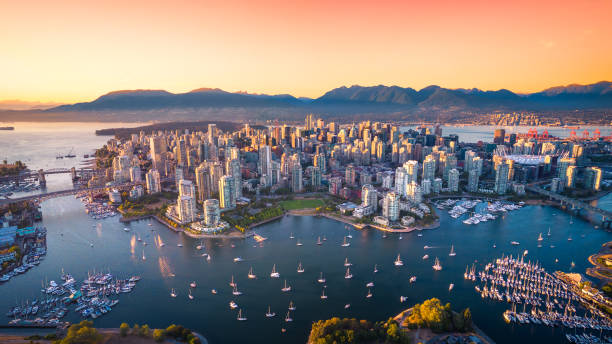
Vancouver's Skyline, Seawall and Summit Views
Vancouver’s sightseeing runs on three levels: sea level along the seawall, street level in the older neighbourhoods, and up on the mountains ringing the city.
Sea level The Stanley Park seawall covers almost 9 kilometers around the peninsula, past the Brockton Point totem poles and Prospect Point’s lookout over Lions Gate Bridge, and it costs nothing to walk or cycle; the cycling lane...
read more
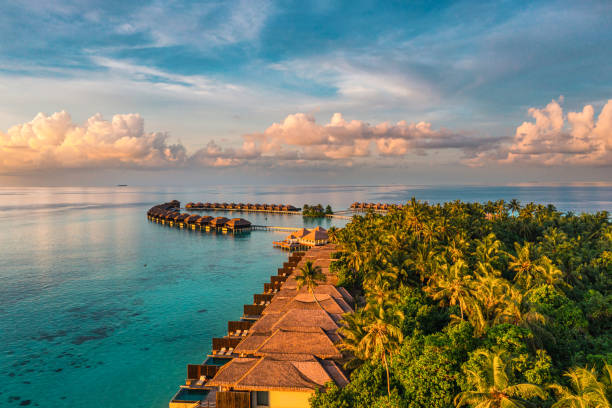
Maldives Sightseeing Beyond the Beach Resort
The View Starts Underwater In most of the world sightseeing means a skyline or a monument. Here, the main view is a few meters underwater, and the best of it has names: Maaya Thila for the density of reef life packed onto one pinnacle, Manta Point for a reliable manta gathering spot, and Fish Head for a coral garden thick with reef fish and the occasional grey reef shark.
Malé’s Compact Old...
read more
Vancouver Date Nights: Water, Wine and Views
Vancouver’s better date nights all lean on the same two things: water and low light, whether that means a free walk at dusk or a paid seat on a boat.
Free, at dusk Walking the Stanley Park seawall toward English Bay as the sun drops costs nothing and covers most of the same view a paid cruise sells, with the mountains across the water catching the last light. A picnic in Queen Elizabeth Park...
read more
Planning A Multi-Day Dominican Republic Trip
Explore Paradise: Multi-Day Trips in the Dominican Republic The mistake most multi-day trips here make is treating the whole country as an extension of the resort strip, when three genuinely different landscapes sit within a day’s drive of each other.
Samaná and El Limón Waterfall From January 15 through March 31, Samaná Bay hosts humpback whale watching under an 80-meter approach limit set...
read more
A Four-Day Loop From Vancouver
Four days out of Vancouver is enough to cover the mountains and the island without rushing either one, if the route runs in one direction instead of backtracking.
Day 1: North to Squamish and Whistler Leave downtown on Highway 99, stopping at Shannon Falls before the Sea to Sky Gondola near Squamish, which runs $73.95 CAD online or $81.95 CAD at the gate. Continue on to Whistler Village by...
read more
Couples' Guide to the Maldives: Sunsets and Spas
Why Couples Keep Choosing the Maldives The one-island-one-resort model does most of the romantic heavy lifting on its own: no crowds to navigate, no other guests sharing your stretch of beach, and evenings that end with an actual sunset over open water rather than a skyline.
A Sunset Cruise to Start the Trip A dhoni or catamaran cruise at sunset, often with a drink in hand and occasionally a...
read more
Family Days Out In The Dominican Republic
Family Fun Under the Dominican Sun Not every headline attraction in the Dominican Republic is built for young kids, and knowing which ones actually are saves a day of arguing on the beach.
Beach Bliss Bávaro Beach in Punta Cana has calm, shallow water and enough flat sand for a full afternoon of sandcastles. Cabarete’s wind makes it better suited to kiteboarding lessons for older kids and...
read more
Vancouver Day Trips: Mountains or Island
Every day trip out of Vancouver ends up being either a mountain trip or an island trip, and deciding which one first saves a lot of route planning.
Mountain routes North Vancouver holds two of the closest options: the Capilano Suspension Bridge Park, which charges roughly $75 to $80 CAD for an adult online ticket, and the free Lynn Canyon Park nearby with a smaller suspension bridge and its own...
read more
Maldives With Kids: Beaches, Boats and Reefs
The Base You Pick Sets the Trip Before picking activities, pick the island type. A private resort is swimwear-legal everywhere and usually has a shallow house-reef entry point that suits smaller kids. A local island such as Maafushi keeps children to the same rule as adults: swimming and swimwear stay inside the fenced bikini beach, with modest dress required elsewhere on the island.
The Whale...
read more
Attraction Tours Across The Dominican Republic
Discover the Beauty of the Dominican Republic with Attraction Tours Three attraction tours cover three different reasons to visit the Dominican Republic, and none of them overlaps much with the others.
Nature and adventure: Samaná and Puerto Plata Samaná’s humpback whale season runs January 15 through March 31, with licensed boats holding to an 80-meter distance and a marine biologist...
read more
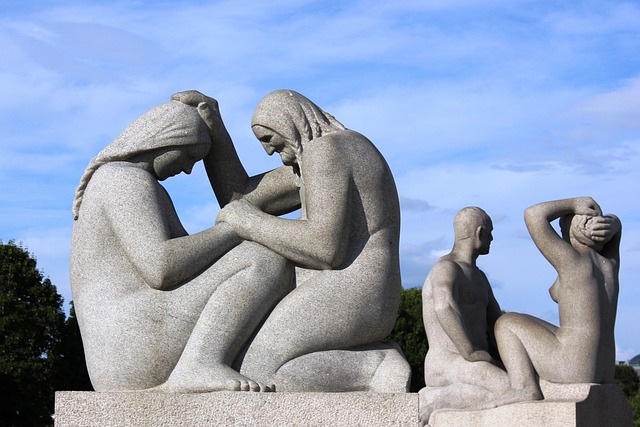
Walking Oslo: Routes, Seasons and Footwear
The same four Oslo walking routes read completely differently depending on the season, and planning around that matters more here than picking the “best” route.
Architecture and design Oslo Opera House’s sloping marble roof, the modern Barcode district towers next to it in Bjorvika, and the functionalist-era National Theatre building along Karl Johans gate make a walkable...
read more
Vancouver Activities Sorted by Weather and Budget
Rain changes the plan in Vancouver more often than the calendar does, so it helps to know which activities work when the sky opens up and which only make sense on a clear day.
For a clear day Stanley Park’s seawall is free and stretches nearly 9 kilometers around the peninsula, with rented bikes covering it faster than walking; the park’s cycling lane runs one-way counter-clockwise....
read more
Maldives Day Trips Beyond Your Resort Island
Getting Off Your Resort Island for the Day Your resort sits on its own small island, and reaching anywhere else means a boat, not a road. That single fact turns a day trip into a boat-scheduling question first and an activity choice second.
A Local Island by Traditional Boat A dhoni ride to an inhabited island such as Maafushi or Thulusdhoo swaps a resort’s manicured grounds for a real...
read more
Dominican Republic Activities Season By Season
Adventures Await: Activities in the Dominican Republic What you can do here changes by the month more than most Caribbean destinations, so the calendar matters as much as the map.
Thrill Seekers Canyoning and rappelling through Jarabacoa’s canyons, and white-water rafting on the Yaque del Norte River, run through the wetter months when the rivers carry the most water. The Damajagua...
read more
A First-Timer's Oslo Sightseeing Route
Rather than a list of names, here’s the order that actually works on foot: start at Frogner Park in the west, finish at the harbor in the east, and let the walk itself string the sights together.
Stop 1: Vigeland Sculpture Park Frogner Park holds over 200 Gustav Vigeland works, free and open around the clock, and is the natural first stop since it sits slightly outside the compact center and...
read more
A Romantic Weekend in Oslo, Hour by Hour
A weekend in Oslo has enough real romantic material to fill a Friday evening through a Sunday morning without repeating the same waterfront walk twice.
Friday evening: arrive and warm up Check into somewhere along Tjuvholmen or Aker Brygge, then head straight for a sauna: KOK and SALT both run wood-fired sauna sessions with a cold plunge into the fjord at the harbor. A private two-person rental at...
read more
Planning a Family Trip to Oslo With Kids
Planning a family day in Oslo comes down to logistics as much as attractions: which tickets have a child rate, which stops let kids burn off energy, and which afternoons need a backup plan for rain.
Bygdoy: hands-on rather than look-only The Fram Museum lets children climb through the actual polar ship that carried Fridtjof Nansen and Roald Amundsen toward the poles, adult admission around NOK...
read more
Oslo Day Trips: Islands, Forts and Forest
Every day trip out of Oslo falls into one of three buckets: island escapes you reach on a transit ticket you already own, history towns that need a real train fare, or forest that’s technically still inside the city limits.
Nature: islands and forest without a special ticket A standard Ruter Zone 1 ticket (NOK 46) is all you need for the public ferry from Rådhusbrygge pier 4 out to Hovedoya...
read more
Booking Oslo's Museum and Fortress Tours
Deciding whether to book a guided attraction tour in Oslo or just walk in usually comes down to one question: does the site reward having someone explain it, or does a ticket alone get you everything worth seeing.
Where a guide earns the price Akershus Fortress, standing on its harbor bluff since roughly 1299, is the clearest case for a guide: the grounds are free to wander from 06:00 to 21:00,...
read more
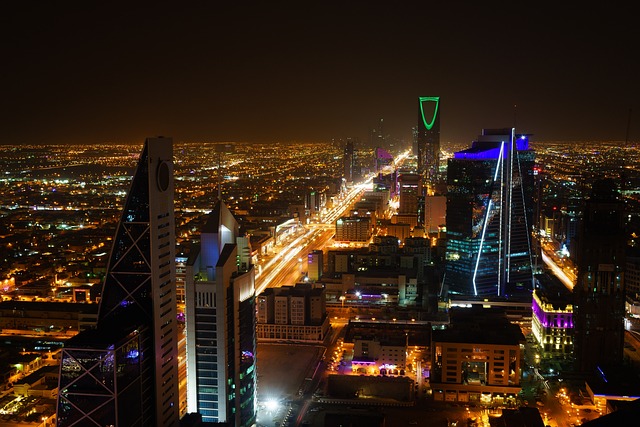
A Sightseeing Guide to Riyadh
Travel advisory: The US State Department currently rates Saudi Arabia Level 3, “Reconsider Travel,” because of the regional conflict. Houthi missile and drone attacks have reached several Saudi cities since July 2026, with Riyadh among them. UK FCDO restrictions are limited to the Yemen border area, not the capital. Check travel.state.gov and gov.uk before booking, and confirm flights...
read more
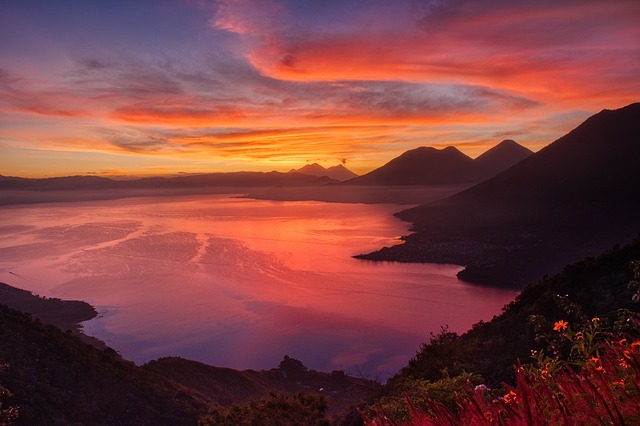
Guatemala Sightseeing Checklist
Travel advisory: the US and UK governments both call for extra caution when visiting Guatemala because of crime, naming San Marcos and Huehuetenango departments and Zone 18 and Villa Nueva in the capital as areas to avoid. Check the US State Department and UK FCDO advisories before you go.
Guatemala’s sightseeing rewards a short list done properly rather than a long list rushed, and four...
read more
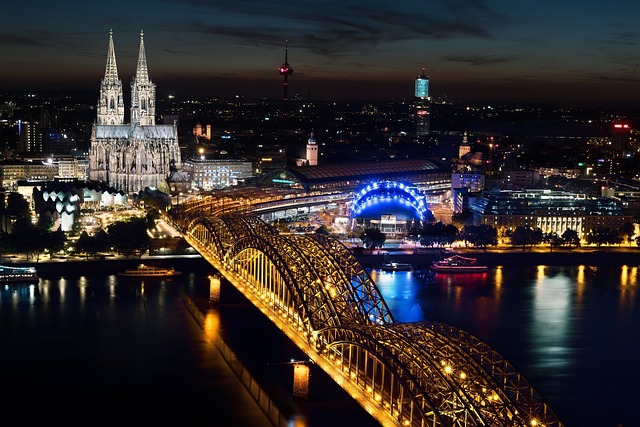
Self-Guided Walking Tours in Cologne
Explore Cologne on Foot Cologne’s center is compact enough to cover almost entirely by walking, which makes a self-guided route as useful as a booked tour for most of the historic core.
Start at the cathedral Kölner Dom anchors any walking route. Since 1 July 2026, sightseeing entry costs €12 regular / €6 reduced, with worship and under-14 visits kept free (full terms on koelner-dom.de )....
read more
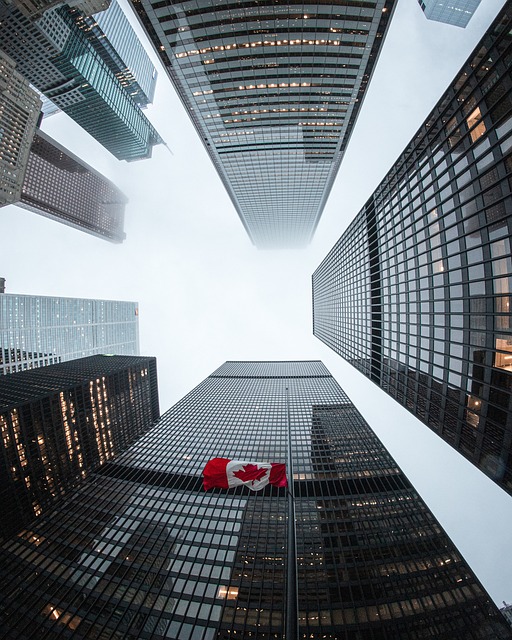
Walking Tours of Toronto by Neighbourhood
Kensington Market and Chinatown This loop runs from Spadina Avenue’s dim sum bakeries into Kensington’s vintage shops, produce stalls, and Jamaican patty counters, a route of roughly 2 km that rewards a slow, unplanned pace more than a checklist. Pedestrian Sundays close several Kensington streets to cars from May through October.
Old Town and St. Lawrence Market A heritage walk of...
read more
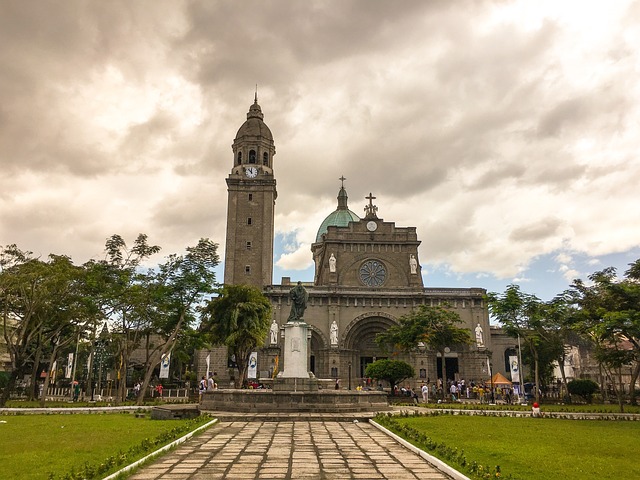
Manila Sightseeing: Intramuros to Makati
Manila’s landmarks sit in a handful of walkable clusters rather than spreading evenly across the metro, so sightseeing here works best as a district list rather than one continuous route.
Intramuros The walled Spanish-era core holds Fort Santiago (₱75 adult, ₱50 discounted, open until 22:00, with a Klook booking needed after 20:00), San Agustin Church, a UNESCO World Heritage listing, and...
read more
Toronto Romantic Getaways: Evening by Evening
Evening one: sunset by ferry The Toronto Islands are reachable only by the City ferry from the Jack Layton Ferry Terminal, or by private water taxi; there is no bridge across. Adult return fare is $9.57 CAD, and the later evening crossings, quieter than the midday rush, put the skyline behind you as the boat pulls away from the terminal. toronto.ca carries the current ferry schedule.
Evening two:...
read more
Cologne Sightseeing: Dom, Museums, More
Sightseeing in Cologne Cologne’s fourth-largest-city status shows in how much sits inside its compact center, from the cathedral to the museums to the riverfront that ties them together.
The Cologne Cathedral Since 1 July 2026, sightseeing entry to Kölner Dom costs €12 for adults, €6 reduced, with worship, private prayer and under-14 visits kept free. The full breakdown is on koelner-dom.de...
read more
Riyadh Date Nights and Getaways
Travel advisory: Saudi Arabia is currently Level 3, “Reconsider Travel,” on the US State Department’s scale, citing the regional conflict. Houthi missiles and drones have struck several Saudi cities since July 2026, with Riyadh named among them. UK FCDO restrictions apply to the Yemen border area, not Riyadh. Check travel.state.gov and the UK FCDO before booking a trip, and...
read more
Couples Guide to Guatemala Getaways
Travel advisory: crime concerns lead the US and UK governments to recommend extra caution across Guatemala, with San Marcos and Huehuetenango departments and Zone 18 and Villa Nueva in the capital called out specifically. Check the US State Department and UK FCDO before you lock in dates.
A couples’ trip to Guatemala works best split between two settings that could not feel more different:...
read more
Day Trips from Toronto: Niagara and Farther
Niagara Falls, the honest travel time Niagara Falls sits roughly 130 km south of Toronto, and it takes 1.5 to 2.5 hours each way by road, or about 2 to 2.5 hours each way on the seasonal GO Transit train; it is a real day trip, not a quick hop from downtown. Horseshoe Falls, Niagara-on-the-Lake’s preserved 19th century streets, and the Niagara Parkway’s wineries fill the day once you...
read more
Romantic Manila: Sunset Bay to Rooftop Bars
A romantic evening in Manila runs on water, old walls and rooftops more than any single named venue. Here’s what actually holds up for couples in 2026.
Sunset at Manila Bay Baywalk Along Roxas Boulevard, the promenade is free and never closes; only the adjoining Dolomite Beach stretch shuts down each Thursday for maintenance. A DENR swimming ban covers the whole bay, though, so plan on...
read more
Romantic Cologne: Dates by the Rhine
Romantic Cologne, Built Around the Rhine Cologne’s romance runs along the river rather than up any hills: a sunset view of the cathedral, a slow cruise, and a warm pool at the end of the day cover most of it.
Claudius Therme At Sachsenbergstraße 1 in Deutz, this outdoor thermal pool looks straight across at the Dom skyline and stays open until midnight, with couple’s massages bookable...
read more
Day Trips You Can Take From Riyadh
Travel advisory: The US State Department has Saudi Arabia at Level 3, “Reconsider Travel,” citing the regional conflict. Houthi drone and missile strikes have reached several Saudi cities since July 2026, including Riyadh. UK FCDO restrictions cover the Yemen border area rather than Riyadh. Check travel.state.gov and gov.uk before you plan a day trip, and confirm flights with your...
read more
Planning a Multi-Day Trip Through Manila
Group Manila’s stops by district rather than by theme; the metro’s traffic makes a plan built on distance far more reliable than one built on interests alone.
Days 1-2: the historic core Start in Intramuros: Fort Santiago (₱75), San Agustin Church and Casa Manila (₱75), a two-to-three-hour loop through the wall circuit. The National Museum Complex sits right next door, free daily...
read more
Attraction Tours in Toronto: A Planning Guide
Pick your tower ticket before you arrive Standing 553 metres tall, the CN Tower is among the world’s tallest freestanding structures and does not sell one single ticket: LookOut admission is $47 CAD, the SkyPod/“The Top” bundle is $59 CAD, and EdgeWalk, the hands-free ledge walk 356 metres up, starts at $199 CAD for guests 13 and older and only runs seasonally. Compare CN Tower...
read more