Recent See Eat Do
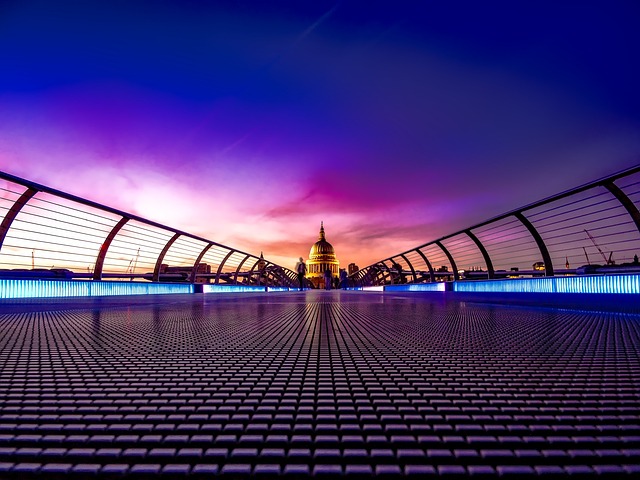
St Pauls Cathedral on a Budget: Prices and Savings
St Pauls Cathedral on a Budget The verdict: GBP 27 for an adult ticket gets you the cathedral floor, the crypt, and all three dome galleries in one price, which is genuinely good value against comparable London sights charging GBP 30-plus for a single level. From 25 June to 1 September 2026, the UK government’s summer savings scheme drops that to GBP 24 adult and GBP 9.50 child, so a summer...
read more
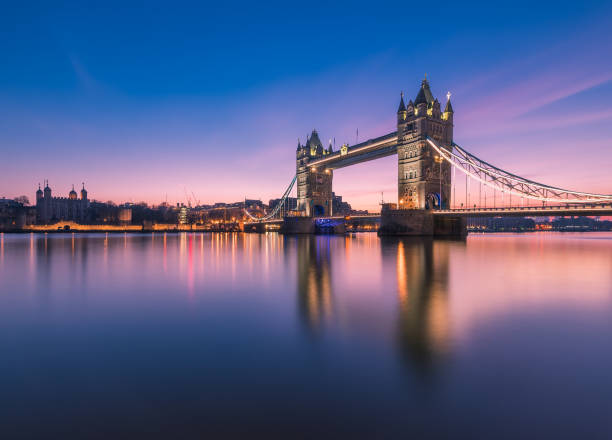
Tower Bridge on a Budget: Free Walk, Paid Views
Tower Bridge on a Budget The verdict: walking across Tower Bridge is free and gives you the same Thames views everyone photographs. The paid part is the Tower Bridge Exhibition, which puts you on the glass floor of the high-level walkways 42 metres up and lets you into the original Victorian engine rooms that used to raise the bascules. That costs GBP 16.50 standard, cut to GBP 15.50 during the...
read more
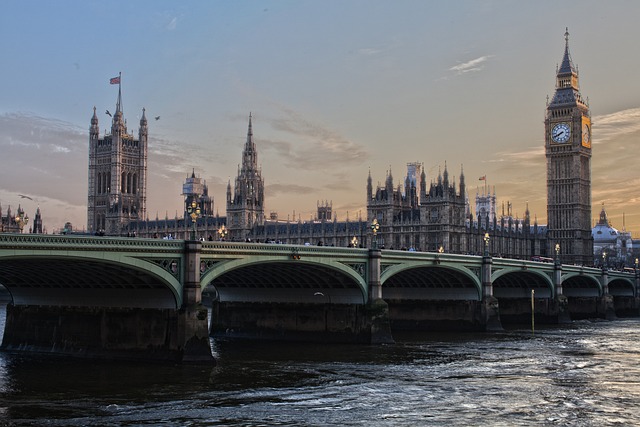
Tower of London on a Budget: Prices and Saving Tips
Tower of London on a Budget The verdict: GBP 37 for an adult ticket is the going rate and there is no genuinely free way inside, since the Crown Jewels and the White Tower sit behind the paywall the moment you cross the moat. Children 5-15 pay GBP 18.50 and under-5s go free, but there is no free-admission day and no evening discount the way some museums offer. Book online rather than at the gate;...
read more
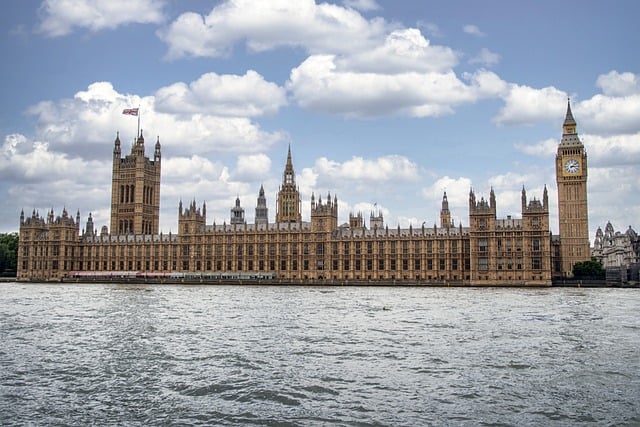
UK Parliament on a Budget: Free Galleries and Tours
UK Parliament on a Budget The verdict: you can watch UK democracy in session, inside the Palace of Westminster, for GBP 0. The public galleries are free whenever the House of Commons or House of Lords is sitting, and that free option gets you into the actual chambers, not just a lobby. The paid alternative, a 90-minute guided tour of the full Palace including Westminster Hall and the Robing Room,...
read more
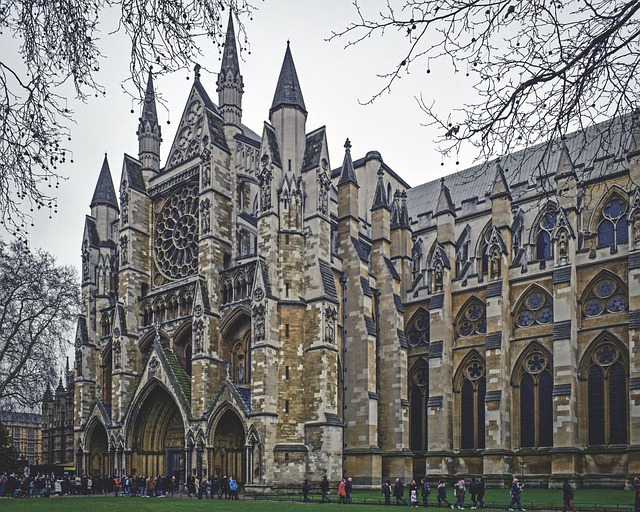
Westminster Abbey on a Budget: Free Evensong Tips
Westminster Abbey on a Budget The verdict: GBP 31 for a standard adult ticket is steep for a single building, but there is a genuinely free way in that most visitors never use. Attend choral Evensong, held most weekdays around 17:00, and you sit in the same Quire as paying sightseers, listening to one of England’s best choirs, for nothing. The paid daytime ticket gets you the Coronation...
read more
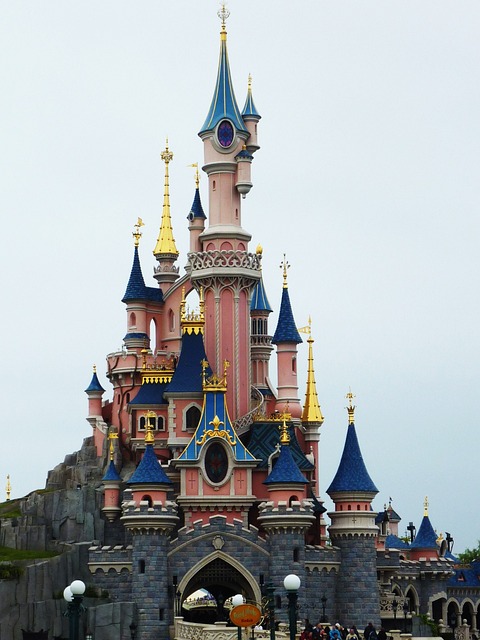
Disneyland Paris on a Budget: Prices by Date Tier
Disneyland Paris on a budget: the date tier is the whole game The single biggest lever on what this trip costs is the calendar, not the park. A 1-Park 1-Day ticket runs EUR56-62 on the cheapest Eco or Low date tiers and climbs past EUR130 on Peak dates for the exact same rides. Pick an off-peak weekday in January or early November, book the RER A separately from the park ticket, and stay off-site,...
read more
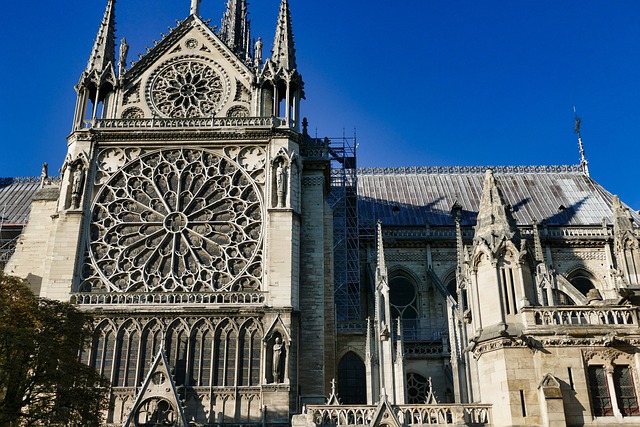
Notre-Dame on a Budget: Prices and Free Days
The nave is free. The towers are the only thing you’ll pay for Notre-Dame reopened on 7 December 2024 after the five-year restoration following the 2019 fire, and entry to the nave has been free the entire time since, no ticket, no charge. The one paid part is the bell towers, reopened separately during Heritage Days weekend in September 2025 and now open year-round through spring 2026,...
read more

Paris Day Trips on a Budget: Prices and Free Days
The cheapest way out of Paris is rarely the coach tour Every one of these day trips has a self-organized version that costs less than a bundled tour: a regional train ticket instead of a coach seat, a walk-up chateau ticket instead of a guide’s markup. Chartres is the standout, a completely free cathedral about an hour from Montparnasse by regional train, and Fontainebleau at EUR17 undercuts...
read more
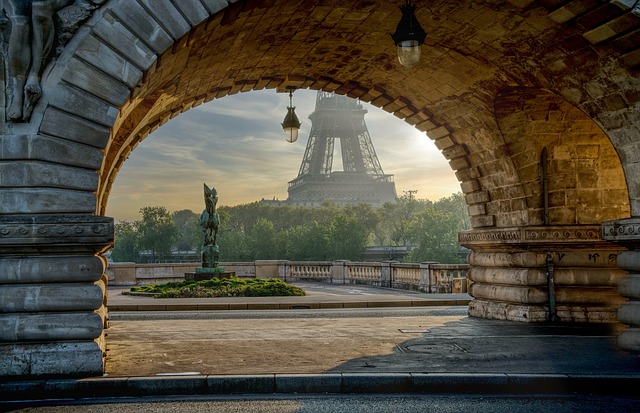
Paris on a Budget: Prices and Free Days
Notre-Dame and Sacre-Coeur are free. That’s the whole budget story Two of Paris’s biggest sights cost nothing to enter, and a third, the whole Marais neighborhood on a Sunday, costs nothing to wander. The paid sights are where a Paris trip gets expensive, and not all of them earn their price the same way. Below is what actually costs money, what doesn’t, and which free days are...
read more
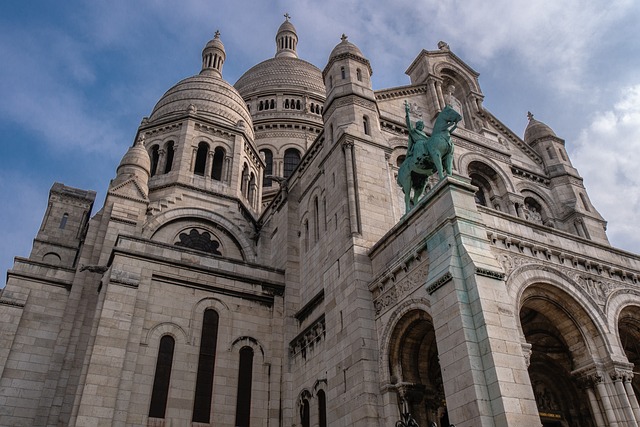
Sacre-Coeur on a Budget: Prices and Free Days
The basilica is free. The only real cost is the dome, and a scam to dodge Sacre-Coeur charges nothing to enter, no ticket, no timed slot, no reservation. The only paid part is the 280-step dome climb, EUR8 for adults, EUR5 for under-16s, sold on-site only at the base of the stairs. The other genuine cost on this hill isn’t a ticket at all, it’s the bracelet scam worked by crews on the...
read more
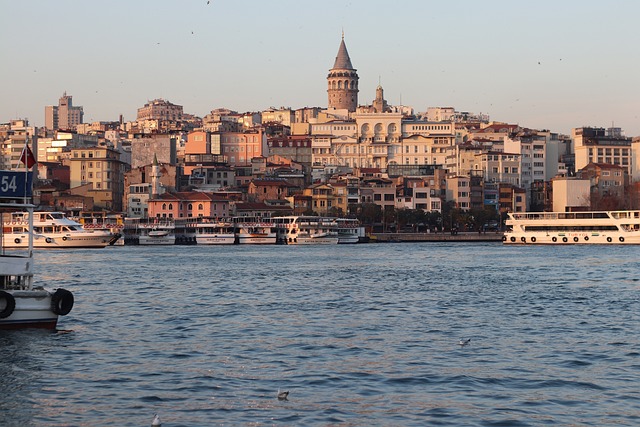
Edirne Day Trip on a Budget: Bus Cost and Time
Edirne: The Cheapest Real Day Trip Out of Istanbul Of every escape covered in our Istanbul day trips guide , Edirne is the one that’s actually cheap and actually a day trip. A direct bus covers the roughly 235km in about 2h15 on the fastest departures (up to 2h45 on slower ones), and the payoff at the other end is free: Mimar Sinan’s Selimiye Mosque, the building the architect himself...
read more
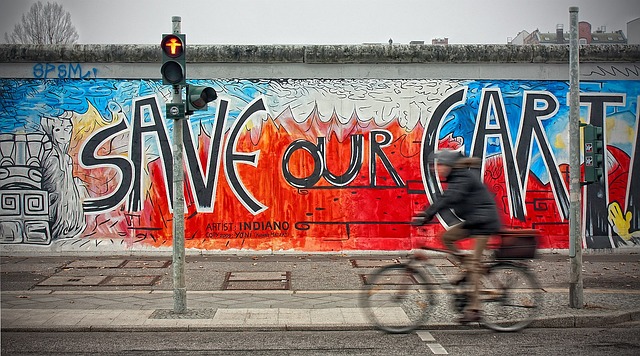
Berlin Wall on a Budget: Free Sites, Paid Museum
The Berlin Wall on a budget: the free sites beat the paid one Every Berlin Wall site worth building a day around costs nothing. East Side Gallery’s 1.3-kilometre stretch of murals is free and open at all hours. The Berlin Wall Memorial on Bernauer Strasse, the only place that preserves the full border system, watchtower included, is free. The one Wall-related charge in the city is the...
read more
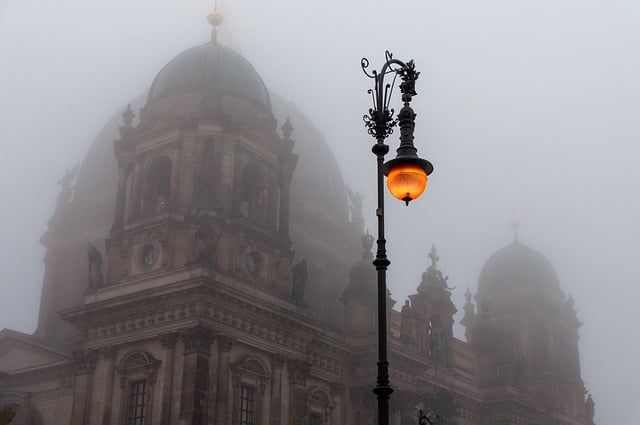
Berliner Dom on a Budget: Price and Free View
Berliner Dom on a budget: pay for the climb, not the view The Berliner Dom’s single combined ticket costs EUR 15 adult (EUR 12 concession), and since March 2026 it covers everything at once: the nave, the 267-step dome climb, the Hohenzollern Crypt, the Cathedral Museum, and an audio guide. That’s the only ticket on offer now; the old cheap nave-only tier is gone. If the budget only...
read more
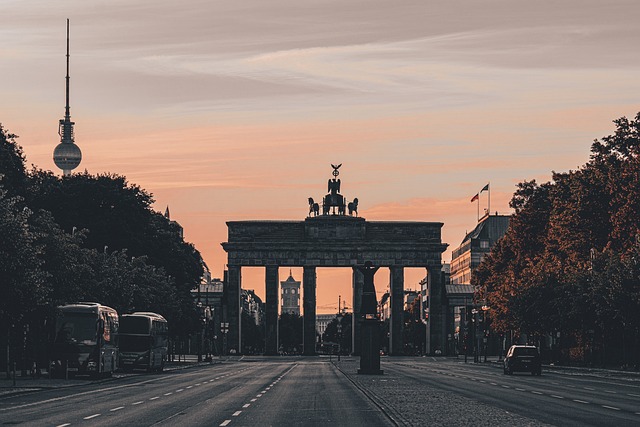
Brandenburg Gate on a Budget: Free to See
Brandenburg Gate on a budget: the one flagship sight that costs nothing Brandenburg Gate is free, always has been, and needs nothing booked in advance. No ticket, no timed slot, no registration form. Compare that to the Reichstag dome three minutes’ walk away, free too but requiring registration up to three months ahead, or the Museum Island day pass at EUR 24, and the Gate is the single...
read more
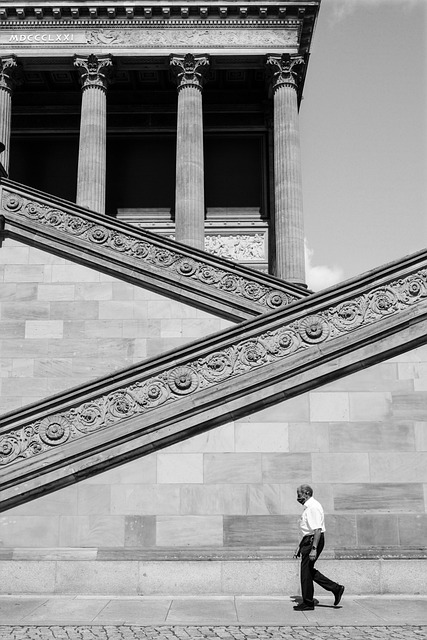
Museum Island on a Budget: EUR 24 for 4 Museums
Museum Island on a budget: do the math before you buy the pass The Museumsinsel day pass costs EUR 24 adult (EUR 12 reduced) and covers every open house on the island for one day. A single museum runs EUR 14 adult (EUR 7 reduced). The breakeven point is two museums: pay for two single tickets and it’s EUR 28, one euro more than the day pass with a third and fourth museum thrown in free.
read more
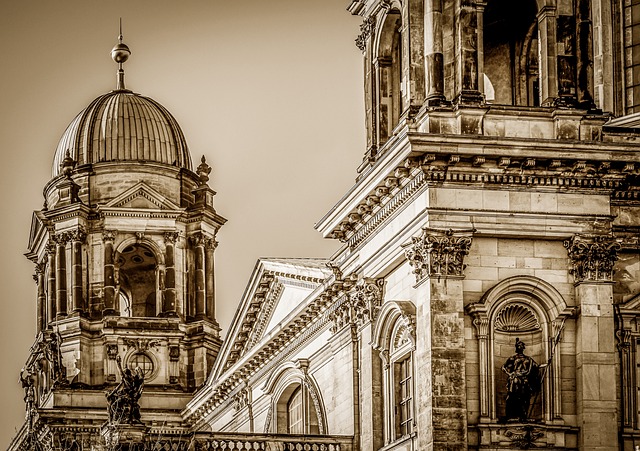
Potsdam and Sanssouci on a Budget: Prices
Heads up: some links here are affiliate links. Book or buy through them and we may earn a small commission at no extra cost to you. We only point you to things we would actually use.
Potsdam and Sanssouci are the cheapest genuine day trip out of Berlin: a EUR 5 ABC-zone train ticket gets you there in 25-35 minutes, and the park itself costs nothing to walk. Where the budget actually gets spent is...
read more
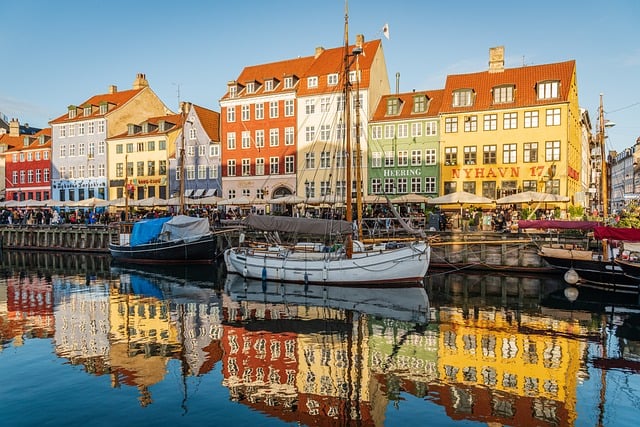
Copenhagen on a Budget: Prices and Free Days
Heads up: some links here are affiliate links. Book or buy through them and we may earn a small commission at no extra cost to you. We only point you to things we would actually use.
Copenhagen is routinely one of the three or four most expensive cities in Europe for food and hotels, and it shows up fast: a casual meal runs 150-250 DKK, a sit-down dinner with wine 400-600+ DKK.
read more
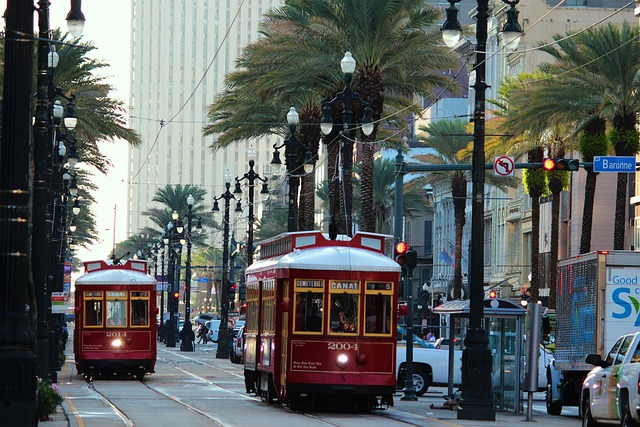
New Orleans on a Budget: Prices and Free Days
New Orleans, priced: what’s free and what isn’t New Orleans’ single best sight costs nothing: Jackson Square and St Louis Cathedral together, no ticket required. The paid tier that follows is short and specific, the National WWII Museum at $36 and St Louis Cemetery No. 1’s mandatory guided tour at roughly $33. Don’t assume every above-ground cemetery here works the...
read more
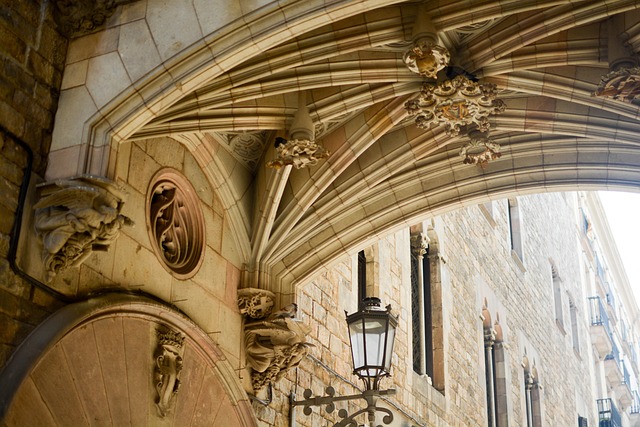
Barcelona on a Budget: Prices and Free Days
Barcelona on a budget: the number the brochures skip Sagrada Familia and Park Guell are the two costs that actually shape a Barcelona budget, EUR 26 and EUR 18 respectively, confirmed on sagradafamilia.org and parkguell.barcelona , both with mandatory timed entry and zero walk-up option. Everything most visitors assume costs money, doesn’t: Barceloneta beach, the Magic Fountain of Montjuic,...
read more
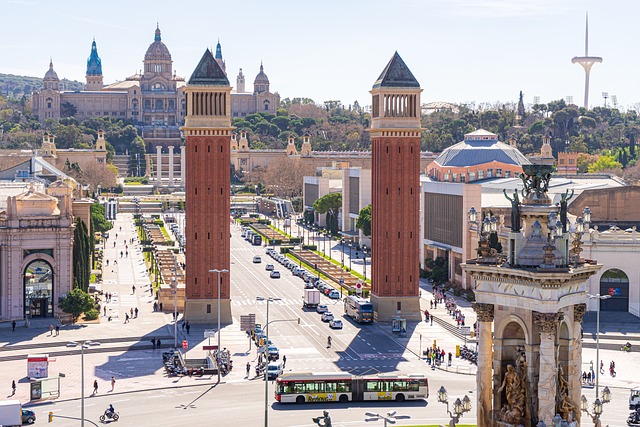
Montserrat on a Budget: Prices and Free Days
Montserrat, Priced: What’s Actually Free and What Isn’t Montserrat costs EUR 15.90 one-way on the combined FGC-train-plus-rack-railway ticket from Barcelona’s Placa Espanya, the one line item most day-trip budgets need to plan around. The monastery’s exterior, courtyard and hiking trails are free to everyone, no ticket required. The Basilica and a close-up look at the Black...
read more
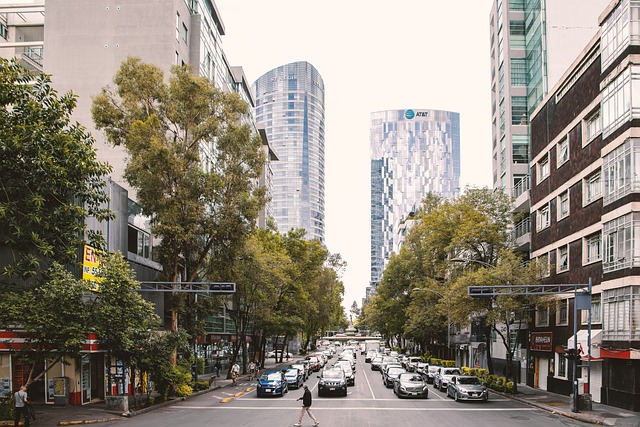
Teotihuacan on a Budget: Entry Price and Bus Fare
Teotihuacan on a Budget: Entry Price and Bus Fare Teotihuacan is the best-value day trip anywhere near Mexico City. Entry runs 210 MXN for foreign visitors, 105 MXN for nationals and resident foreigners, and the second-class bus from Terminal Central del Norte costs roughly 60 to 70 MXN each way, about an hour each direction. Total round-trip cost, bus plus entry, lands well under 400 MXN per...
read more

9/11 Memorial on a Budget: Prices and Free Days
The 9/11 Memorial plaza is free. The Museum is not. The twin reflecting pools and the plaza around them, sitting in the actual footprints of the Twin Towers, cost nothing to visit, any day, no ticket required. The Museum below ground is a separate, paid experience: $33 for adults, $27 for seniors and youth 13-17, $21 for children 7-12, free under 7, unless you time a free Monday evening slot or...
read more
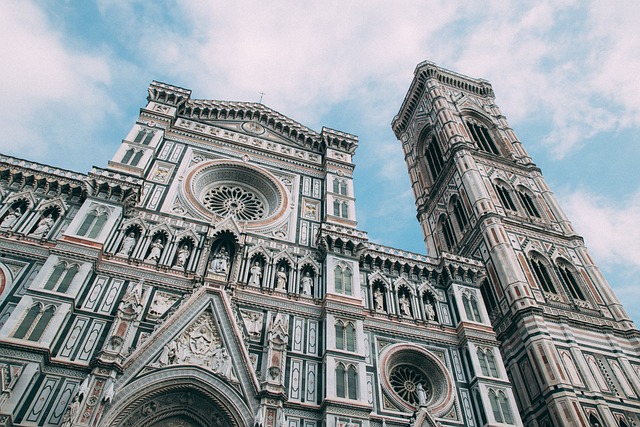
Florence Duomo on a Budget: Prices and Free Entry
The Florence Duomo on a Budget Most visitors overpay for the Duomo complex because the three-tier system is easy to misread and resellers exploit exactly that confusion. Buy the Ghiberti Pass, EUR 15, unless climbing Brunelleschi’s dome specifically matters to you; it still gets you into the Baptistery, the crypt, and the Opera Museum. The cathedral’s nave itself, the part most people...
read more
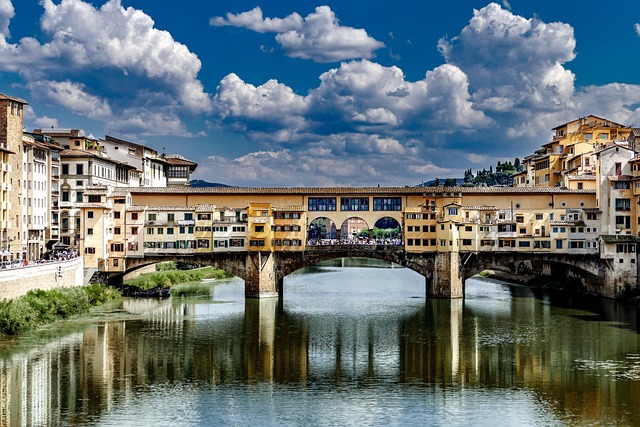
Piazzale Michelangelo on a Budget: Prices vs Free
Piazzale Michelangelo: The Best View in the City Costs Nothing The single best framing of Florence, the terrace at Piazzale Michelangelo with the Duomo and the Arno laid out below it, is free, all day, every day. There is no ticket, no timed slot, and no reason to book a paid tour to see it, though paid options do exist if you want transport or a guide included. Ten minutes further uphill, San...
read more
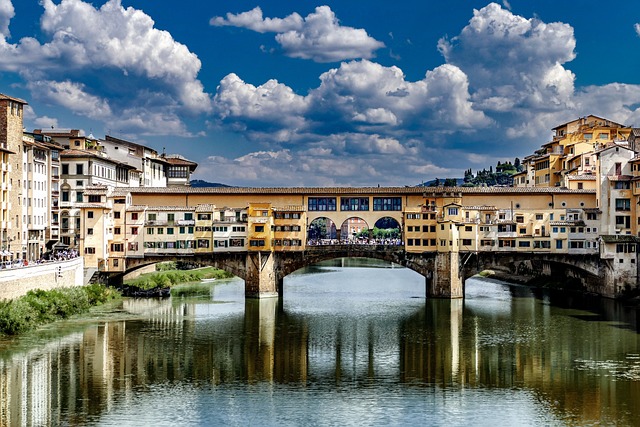
Siena on a Budget: Prices and Free Days
Siena Costs About 10 Euros to Reach and Nothing to Enter Siena is the strongest single Tuscan day trip from Florence, and the best part is that the town itself charges you nothing to walk through. The regional train from Firenze Santa Maria Novella runs about 10 euros one way and takes 1 hour 20 minutes to 1 hour 30 minutes, despite a straight-line distance of only about 50km, because no high...
read more
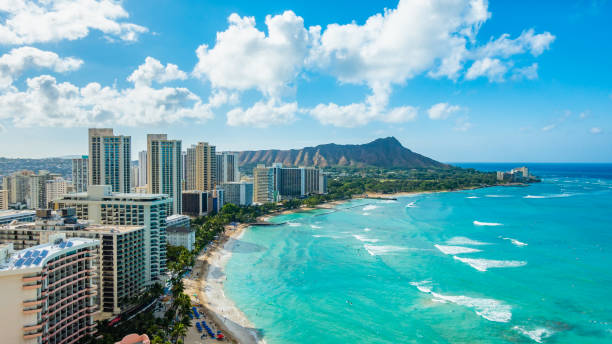
Oahu on a Budget: Prices and Free Days
Free beaches, a $7.50 bus cap, and flights that start the real spending Oahu is the island Honolulu sits on, and for a budget trip it’s less a single sight than the base you use to reach three free-to-cheap zones: the North Shore, the windward coast, and a circle-island drive between them. None of the three charge admission. What costs money is the getting there, either a rental car at...
read more
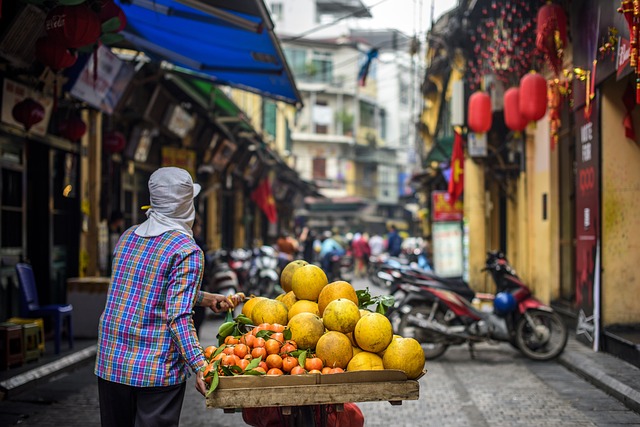
Hoan Kiem Lake on a Budget: Prices and Free Days
Hoan Kiem Lake itself costs nothing. Walking the full perimeter, watching the tai chi and badminton crowds at sunrise, crossing the red Huc Bridge for a look, all free. The only line item is Ngoc Son Temple on the small island partway across the bridge, 30,000 VND, about $1.20, under 15s free. Against the 70,000 VND Temple of Literature or the 100,000-200,000 VND Water Puppet show, this is the...
read more
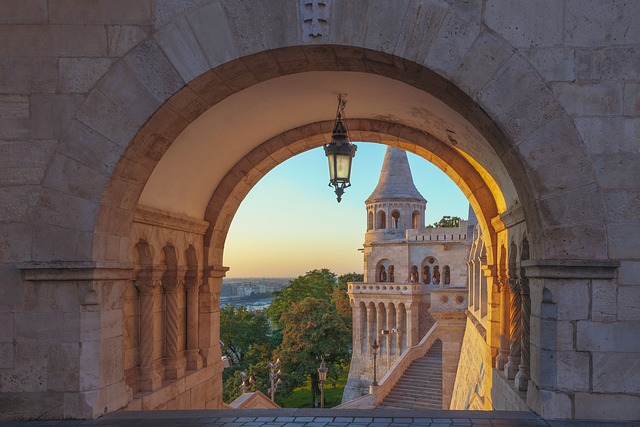
Budapest on a Budget: Prices and Free Days
What Budapest actually costs, line by line Budapest still prices below Vienna or Prague for the same day of sightseeing, but two things wreck a budget fast if you don’t plan around them. Gellert Baths closed for renovation in October 2025 and won’t reopen before 2028, so drop it from any cost comparison entirely. And every card terminal here will offer to charge you in euros instead of...
read more
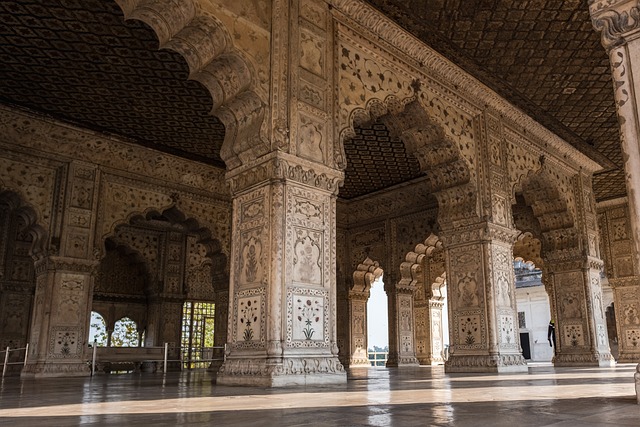
Red Fort on a Budget: Prices and Free Days
The Red Fort costs about 500 rupees, and that’s the honest number Published prices for the Red Fort’s foreigner ticket range from Rs 500 to Rs 600 depending on the source, so budget Rs 500-600 and treat anything lower as a pleasant surprise at the counter. Indian nationals pay Rs 35, the usual roughly 15-to-1 gap at monuments run by the Archaeological Survey of India. Under-15s enter...
read more
Taj Mahal on a Budget: Prices, Hours and Tips
The Taj Mahal on a Budget: What It Actually Costs The Taj Mahal is not in Delhi, it is in Agra, about 230 km away, and the cheapest reliable way to reach it is the Gatimaan Express, which covers the distance in 1 hour 40 minutes for around ₹860 in AC Chair Car. Budget roughly ₹2,500 to ₹3,500 total per person for a full day trip from Delhi: train fare both ways, the foreigner entry ticket, local...
read more
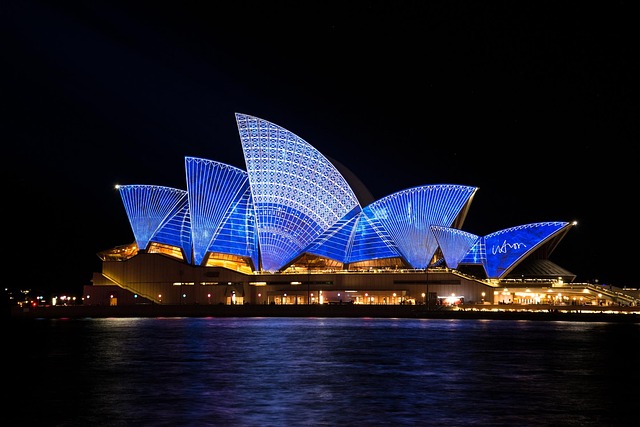
Blue Mountains on a Budget: Prices and Free Days
Blue Mountains by train costs about a quarter of a coach tour The Blue Mountains is Sydney’s classic day trip, and the budget math is stark: a return Opal or contactless fare from Central to Katoomba runs about $19 on the Blue Mountains Line , plus roughly $55 for Scenic World’s Unlimited Discovery Pass, against $150 to $200-plus per person for a coach tour covering the same three...
read more
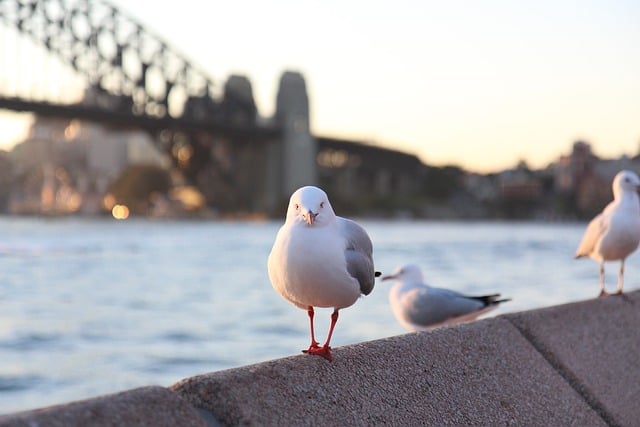
Sydney Opera House on a Budget: Free vs Paid
The Free Part and the Paid Part Are Different Buildings, Basically The Sydney Opera House’s forecourt, steps and shell exterior cost nothing to visit, day or night, and that free view is genuinely most of what people picture when they picture Sydney. The interior is a different transaction entirely: you cannot wander in on your own, and the only ways inside are a paid guided tour or a ticket...
read more
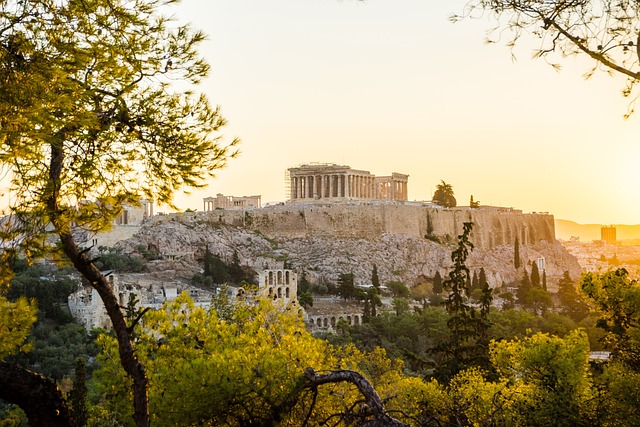
Athens on a Budget: Prices and Free Days
Athens on a budget: what each site actually costs Verdict: the Acropolis is worth its 30 EUR flat-rate ticket, no question, but everything past it is where a tight Athens budget is won or lost. The two ancient agoras run 8 EUR each in summer (4 EUR winter), the National Archaeological Museum is 20 EUR flat as of 2026, and two of the city’s best viewpoints, Lycabettus and Filopappou, cost...
read more
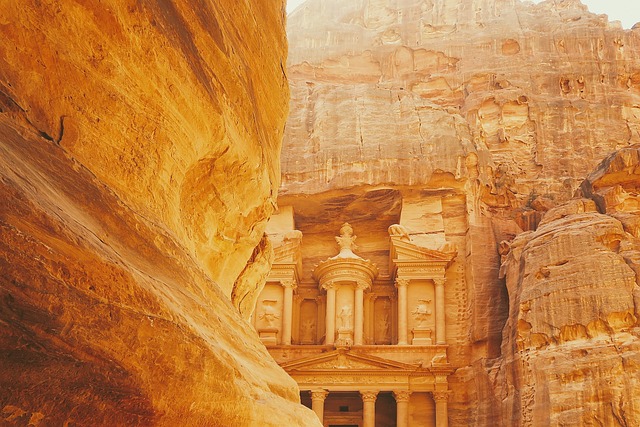
Petra on a Budget: Prices and Free Extras
Petra on a budget: what the ticket actually costs Petra’s price tag depends on where you’re sleeping, not on how long you stay. Overnight-in-Jordan visitors pay 50, 55 or 60 JOD for a one, two or three-day ticket. A same-day crossing with no Jordan overnight, common from Eilat, pays a flat 90 JOD instead, with no multi-day discount. Little Petra costs nothing and under-12s enter free...
read more

Las Vegas on a Budget: Prices and Free Days
Las Vegas on a budget: the number nobody quotes upfront The room rate is not what Las Vegas actually costs. Nearly every Strip hotel adds a mandatory resort fee, roughly $42-62 a night after tax, plus $20-25 self-parking or $35-50 valet, none of it optional and none of it shown in the headline price most booking sites lead with. Budget for both up front and the rest of the trip gets a lot cheaper:...
read more
Marrakech Day Trips: Prices, Times and Booking
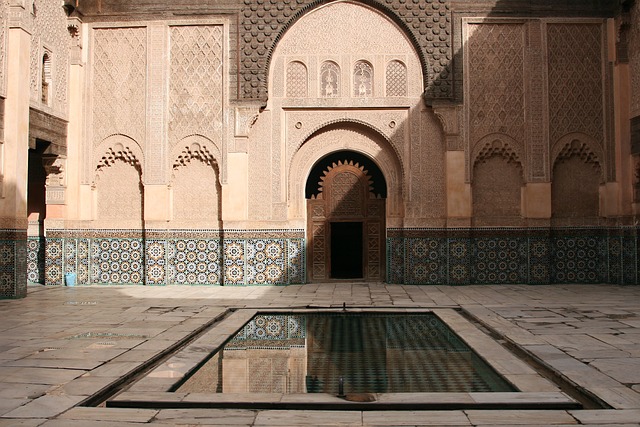
Marrakech’s day trips, priced and timed Marrakech’s real value on a Morocco trip isn’t the city itself, it’s what can be reached from it. Six trip options sit within a half-day to a 12 hour round trip of the medina, priced from a 300 MAD desert evening to a roughly 2,700 MAD, 3 day run to the Sahara’s real dunes. The rule that saves money: match the trip to the days...
read more
Marrakech on a Budget: Prices and Free Days
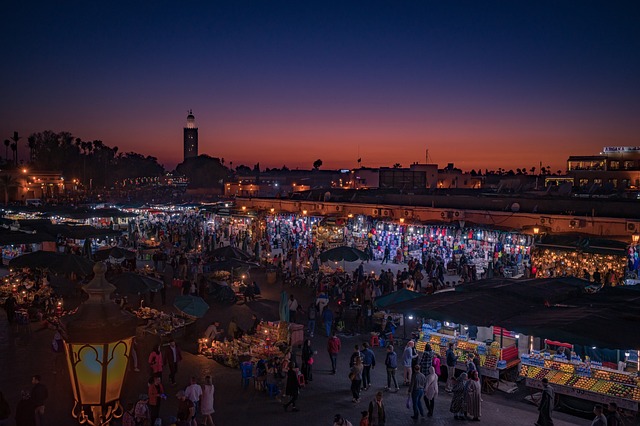
Marrakech is cheap once you know what should actually cost money None of the medina’s ticketed sights top 230 MAD, the square itself is free at any hour, and the real leak in a Marrakech budget is an unagreed taxi fare, not an entry fee. Currency is the Moroccan dirham (MAD), roughly 9.3 to the dollar; the euro isn’t legal tender here and vendors quoting you in it aren’t doing...
read more

Los Angeles on a Budget: Prices and Free Days
Los Angeles on a budget: the parking fee nobody mentions upfront The headline number on Los Angeles is misleading either way. Griffith Observatory and Getty Center admission are both genuinely free, but the Getty charges $20 a car to park ($15 after 3pm, rising to $25 during the mid-June to late-July peak), and that fee is what most “free things to do” lists leave out. Budget for...
read more
San Francisco as a Base: 7 Day Trip Costs
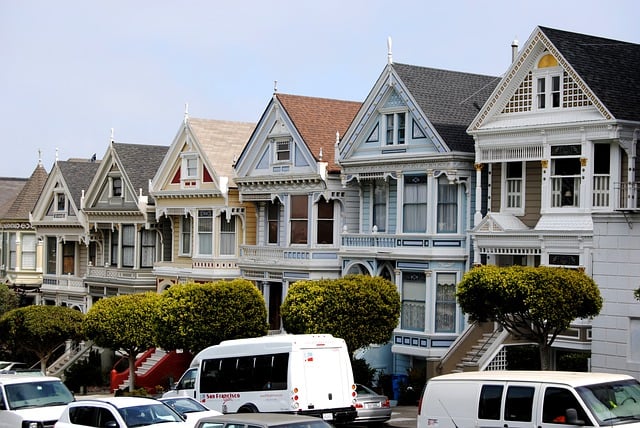
Two of these seven day trips cost less than a museum ticket San Francisco’s real value as a base isn’t the city itself, it’s what sits within a couple of hours: Berkeley and the Muir Woods/Sausalito loop both run under $20 round trip on a Clipper card, while Napa, Sonoma, Half Moon Bay, Point Reyes, Santa Cruz, and Monterey with Carmel and 17-Mile Drive all need a rental car or a...
read more

Tokyo on a Budget: Prices and Free Days
Tokyo has a reputation as an expensive city, and the surface prices back that up: a Shibuya Sky ticket runs ¥2,700-3,400, teamLab Borderless is ¥3,600-5,600, and a formal sushi counter can run ¥15,000 a head. What that reputation misses is that the actual best sights, Senso-ji, Meiji Jingu, the Shinjuku skyline deck, cost nothing at all. This is the cost-first version of Tokyo: what’s...
read more
Lisbon, Portugal: Day Trip Costs on a Budget
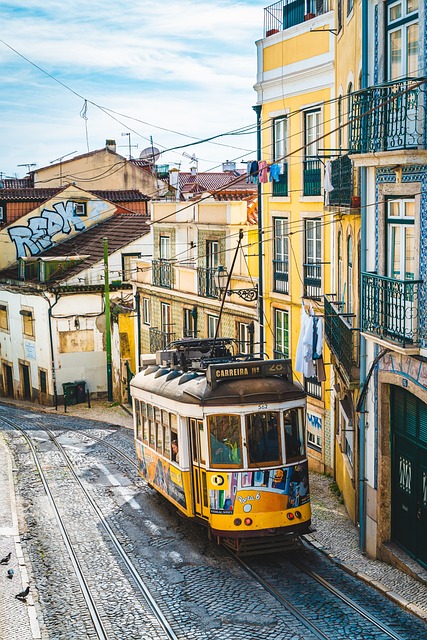
Lisbon as a Budget Base for the Rest of Portugal Lisbon isn’t just a city to see, it’s the cheapest, best-connected base for reaching the rest of Portugal on a budget. Two train stations put Sintra’s palaces and the Cascais coast 40 minutes away for a couple of euros each way, Setubal’s dolphins and wine sit under an hour out, and even Porto is reachable as a long day by...
read more

Beijing on a Budget: Prices and Free Days
What a day in Beijing actually costs A full sightseeing day here, one paid ticket, transport, and three meals, runs roughly ¥150-350 per person, cheap by any major-capital standard. The catch isn’t the price, it’s the booking window: the Forbidden City sells out weekend slots within minutes of releasing, while plenty of the best things in the city, a park view, a hutong walk, an art...
read more

Nevada Day Trips on a Budget: Prices and Free Days
Two of these five day trips cost nothing Las Vegas sits within an hour of five real Nevada destinations, and the price spread between them is the whole budget story: Mount Charleston and Seven Magic Mountains are free, Red Rock Canyon and Valley of Fire run about $15 a vehicle, sometimes $2 more for a timed slot, and Hoover Dam scales from a free dam-crest walk up to a $40 guided tunnel tour...
read more
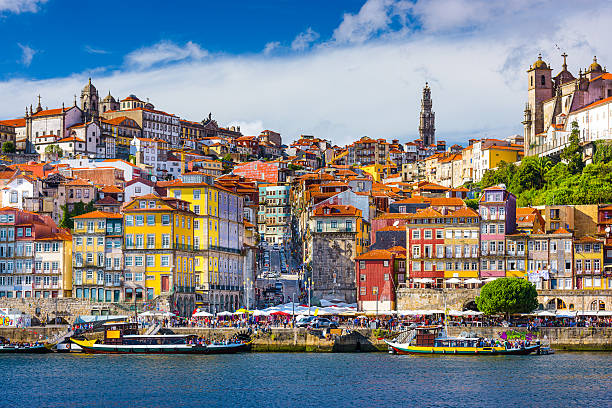
Porto on a Budget: Prices and Free Days
Porto Gave Portugal Its Name and Then Kept the Tripe In 1415, the city sent its good meat to the fleet sailing to conquer Ceuta and kept only the offal for itself: tripe. That’s why Portuenses are still called Tripeiros (tripe-eaters), and why Tripas a Moda do Porto, the tripe-and-white-bean stew that grew out of that scarcity, is still the city’s most historically loaded dish (the...
read more
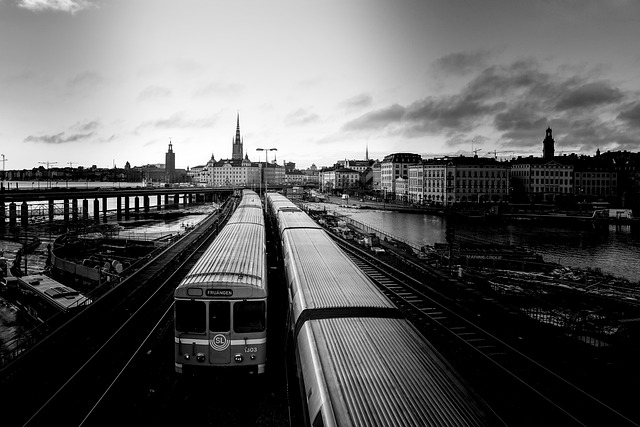
Stockholm on a Budget: Prices and Free Days
A Warship Sank a Few Minutes Into Its Maiden Voyage and Now Has Its Own Museum in Stockholm The Vasa capsized in Stockholm harbour on August 10, 1628, roughly 1,300 meters into her maiden voyage, in front of a crowd who’d gathered to watch her depart. The Swedish Navy’s most expensive vessel went down in calm water with barely enough wind to fill a sail, undone by a design flaw (too...
read more
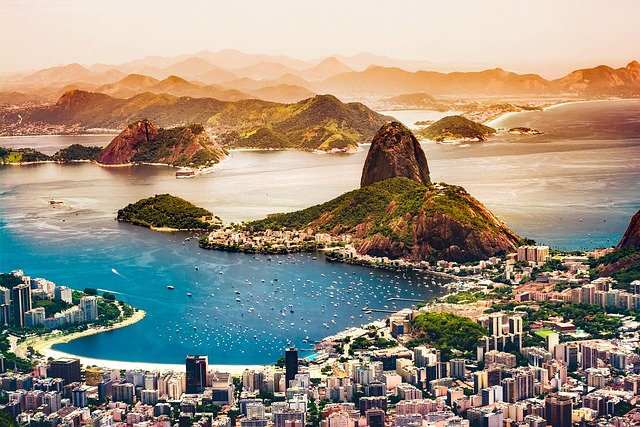
Rio de Janeiro on a Budget: Prices and Free Days
Every Paid View in Rio Has a Free Version Nearby, Once You Know Where to Look Rio’s risk to a tourist is overwhelmingly petty theft, not violence: phone snatching on the beachfront, bag theft on the sand, and organized late-night sweeps along the promenade between roughly midnight and 6am. The fixes are boring and effective: keep your phone in a pocket rather than held up for photos on a...
read more

Rio Day Trips on a Budget: Prices and Timing
The places worth leaving Rio for Rio’s beaches and Christ the Redeemer get all the attention, and if you only want that, our in-city guide has it covered. This post is about the places within reach of Rio, and a bit beyond it, that most first-timers never budget time for, and what each one actually asks of your schedule and wallet.
Place Cost Time needed Book ahead? Niteroi R$1-6 ferry,...
read more

Toronto on a Budget: Prices and Free Days
Toronto Is the Most Culturally Diverse City on Earth and It Wears the Distinction Without Making a Fuss Half of Toronto’s 2.9 million residents were born outside Canada. Over 160 languages are spoken across the Greater Toronto Area. What that means on a Saturday is a city that functions less like a single culture and more like a working confederation of neighbourhoods, each with its own food...
read more
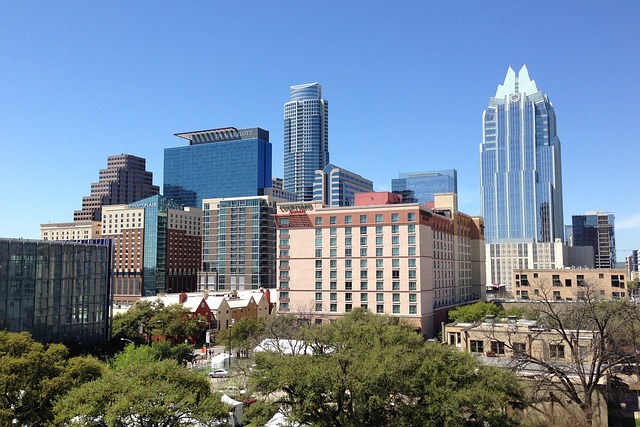
Austin on a Budget: Prices and Free Days
Austin: Live Music Capital of the World, and the Brisket Is Not Overhyped “Keep Austin Weird” was invented in the early 2000s as a scrappy campaign to back local businesses over chains, and now the chains print it on merchandise, which tells you what’s happened to the city. Austin in 2026 is more expensive, more corporate, and more crowded than the place people get nostalgic for...
read more
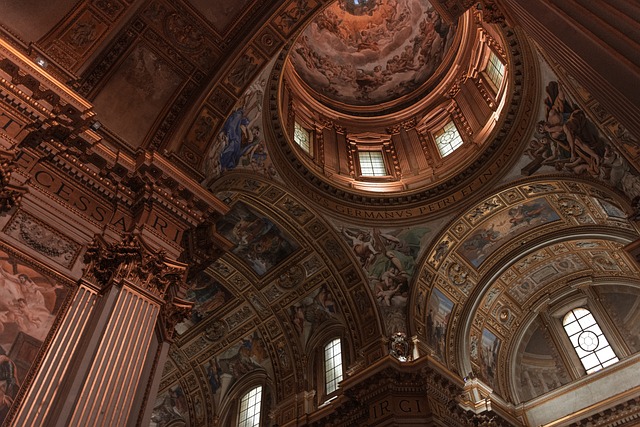
Rome on a Budget: Prices and Free Days
A City That Never Finished Building Itself Rome doesn’t perform for tourists the way some cities do. It carries on being itself, 2,800 years deep, and lets you pay the entry fee or not. The Colosseum opened in 80 AD. The Pantheon’s unreinforced concrete dome is nearly 1,900 years old and still the largest of its kind on earth. Medieval Rome shrank into the Tiber bend after the Empire...
read more