Recent See Eat Do
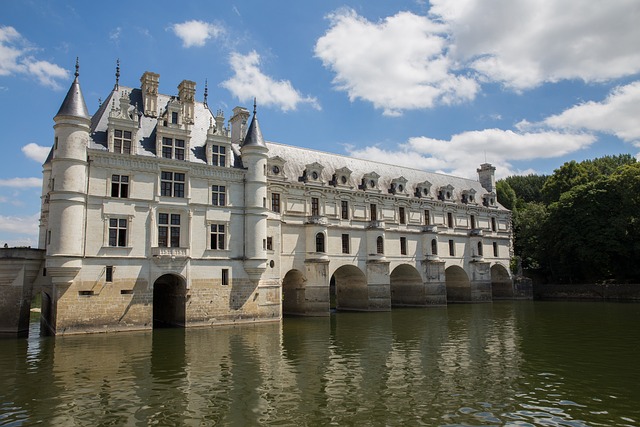
The Loire Valley
The Loire Valley: 300 Chateaux, France’s Biggest White Wine Region, and a Double Helix Staircase That May or May Not Have Been Designed by Leonardo da Vinci The attribution question at Chambord is genuinely unresolved and more interesting than the usual tourist-board version. Construction of the chateau began in 1519, commissioned by Francis I of France as a hunting lodge. Leonardo da Vinci...
read more
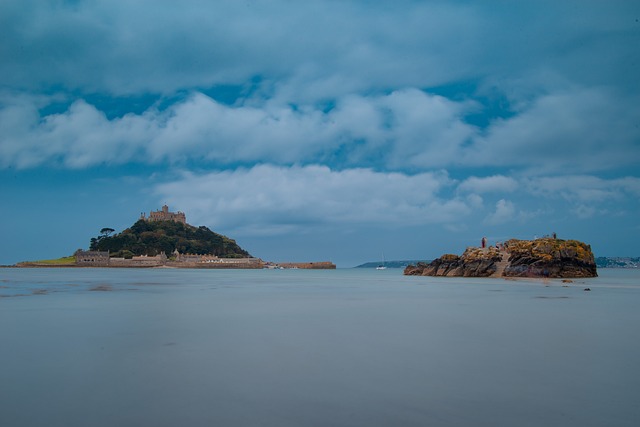
St Michaels Mount
The Island That France Controlled for 300 Years St Michael’s Mount sits less than 400 metres off the coast of Marazion in Cornwall, and for much of the medieval period it was effectively a French institution. Edward the Confessor granted the site to the Benedictine abbey of Mont-Saint-Michel in Normandy, and construction of a priory church began in 1135. The Cornish prior owed absolute...
read more
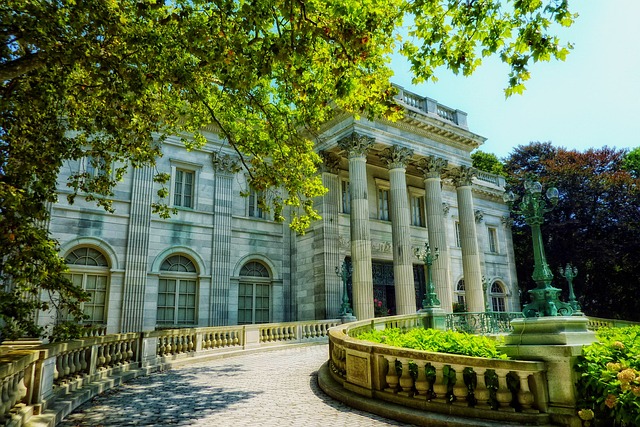
Newport Rhode Island
Newport Before the Mansions: Why the Gilded Age Is Only Half the Story In the 1750s, Newport was the fifth-largest city in the American colonies, rivalling Boston and New York as a commercial port. It had the largest concentration of skilled craftsmen in colonial America, a functioning synagogue (the oldest surviving one on the continent), and a philosophy of religious tolerance unusual enough...
read more
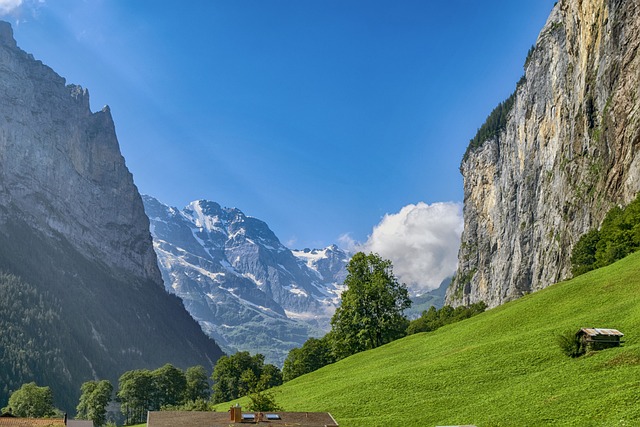
Lauterbrunnen Switzerland
The Valley That Tolkien Turned Into Rivendell J.R.R. Tolkien walked through the Lauterbrunnen Valley in 1911, a 19-year-old on a hiking trip through Switzerland, and what he saw shaped the landscape of Middle-earth more than any other place. In a 1967 letter to his son Michael, Tolkien described his adventures in Switzerland and noted specifically that “the hobbit’s journey from...
read more
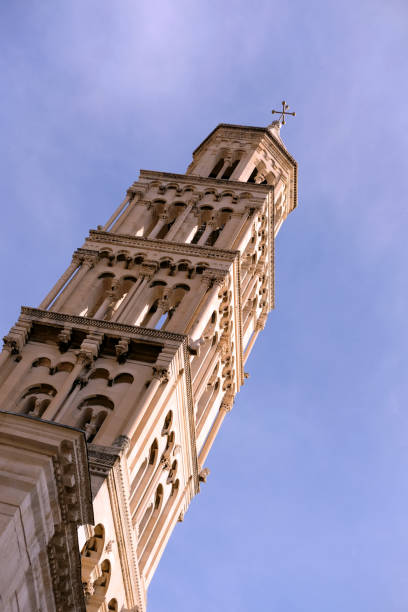
Historical Complex of Split With the Palace of Diocletian
Split and the Palace of Diocletian: The Emperor Who Retired Here and Whose Mausoleum Became a Church Named After Someone He Executed The Cathedral of Saint Domnius in Split is, by the reckoning of many historians, the oldest continuously used cathedral in the world. What makes this more interesting than it might first appear is that the building began its existence as the mausoleum of the Roman...
read more
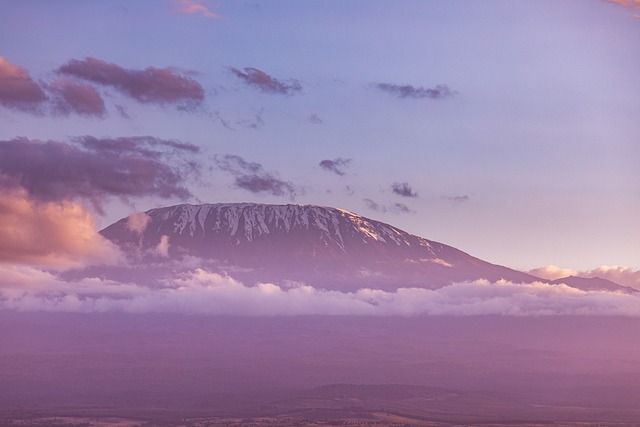
Mount Kilimanjaro
Kilimanjaro: The Mountain That Kills the Unprepared and Rewards the Patient Roughly 35,000 people attempt Mount Kilimanjaro every year. The overall success rate for all climbers, across all operators, hovers between 60 and 80 per cent. The most common reasons people fail to reach Uhuru Peak at 5,895 metres are entirely preventable: not enough days on the mountain, ascending too quickly, and...
read more
Lumorismo Di Piton
The Twin Peaks That Formed in Lava 200,000 Years Ago Most people know the Pitons of St. Lucia from a postcard or a cruise ship silhouette: two sharp volcanic peaks rising from the sea on the island’s south-western coast. What those images rarely convey is the geological drama underneath them. Gros Piton (771 metres) and Petit Piton (743 metres) are dacitic lava domes, the solidified remnants...
read more
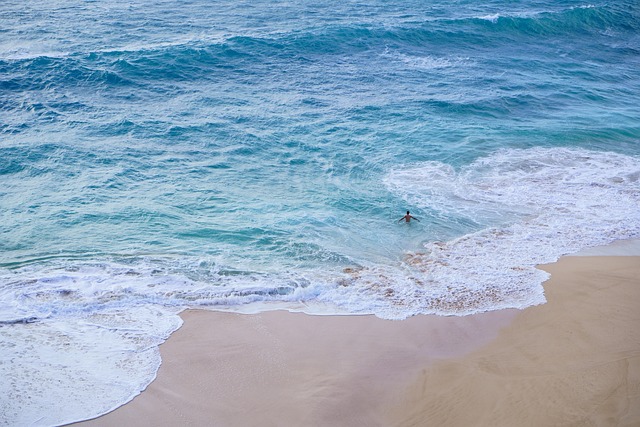
Lahaina Hawaii
Lahaina in 2026: What to Know Before You Go On August 8, 2023, a wind-driven wildfire destroyed more than 2,200 structures in Lahaina, killed 102 people, and displaced thousands of residents. It was the deadliest US wildfire in over a century. The town that had been Maui’s busiest tourist destination and the former capital of the Hawaiian Kingdom no longer existed in the form that millions...
read more
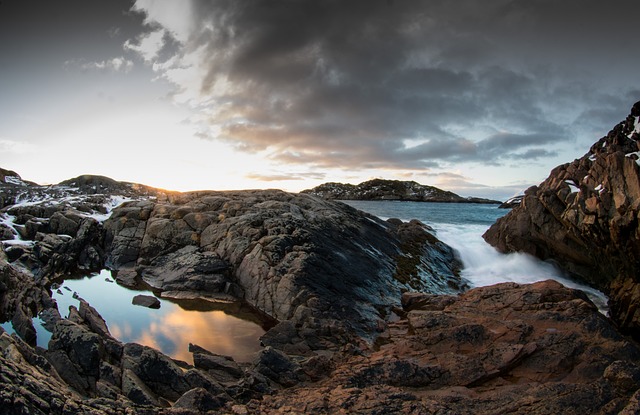
Fjords of Norway
The Fjords Are Changing Faster Than Most Guidebooks Admit From 2026, Norway requires all small passenger vessels operating in the UNESCO-protected Geirangerfjord and Nærøyfjord to run on zero-emission propulsion. The full ban on large cruise ships is deferred to 2032, which means the window to see these fjords without the visual and acoustic presence of large vessels is still open, but the...
read more
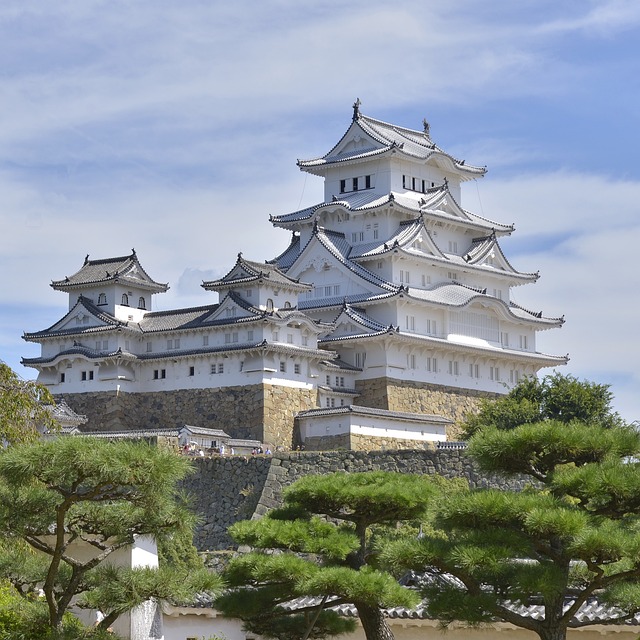
Himeji Jo
A Bomb Fell on Himeji Castle During World War II. It Did Not Explode. That fact should be on every tourism brochure for Himeji-jo but is not. The castle survived intact while much of the surrounding city was destroyed in 1945 air raids. The dud bomb is taken as a piece of extraordinary luck. The castle’s survival through six centuries of war, earthquake, and fire, combined with the fact that...
read more
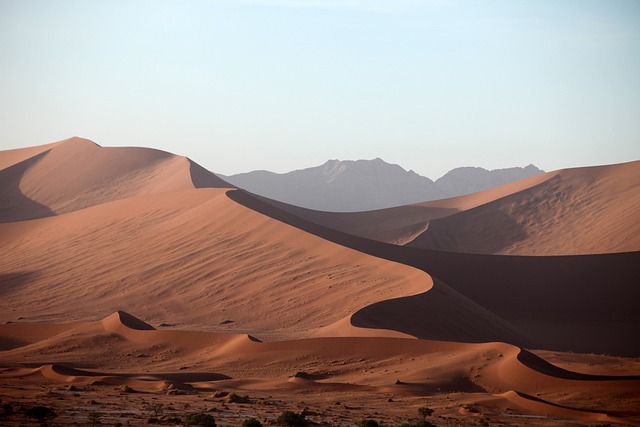
Sahara Desert Africa
The Sahara Desert: What the Pictures Do Not Show You The sand dune image is misleading. Only about 25% of the Sahara is covered in sand. The rest is rocky plateau, gravel plain, dry riverbeds, and salt flat. The Sahara is the world’s largest hot desert at 9.2 million square kilometres, but it is not the largest desert overall: the Antarctic polar desert and the Arctic are bigger. The...
read more
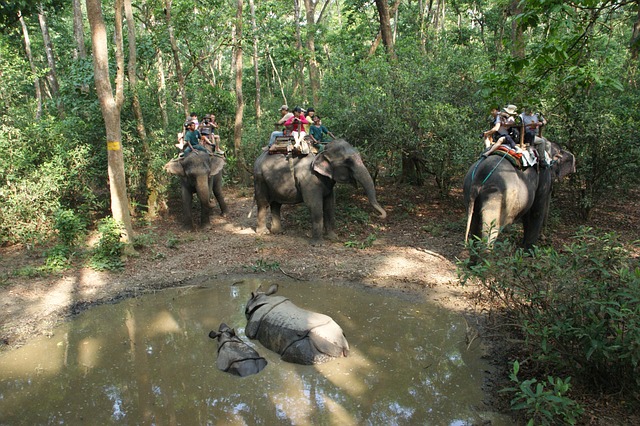
Chitwan National Park Nepal
Chitwan National Park, Nepal: Greater One-Horned Rhinos at Close Range Nepal’s greater one-horned rhino recovery is one of the more quietly remarkable conservation stories of recent decades. The last census put 694 rhinos in Chitwan National Park alone – a 16% increase from the count taken in 2015 – making Chitwan the single most important rhino habitat on the planet outside...
read more
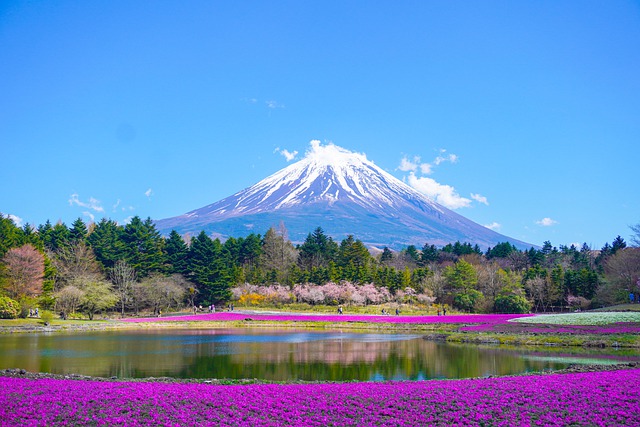
Fuji
Japan’s Sacred Volcano Is Now Stricter About Who Gets to Climb It Mount Fuji last erupted on 16 December 1707, triggered 49 days earlier by a magnitude-8.4 earthquake. Ash darkened the sky as far as Edo (now Tokyo) and buried buildings near the mountain’s base. It is still classified as an active stratovolcano, and the Japanese government has a detailed evacuation plan should seismic...
read more
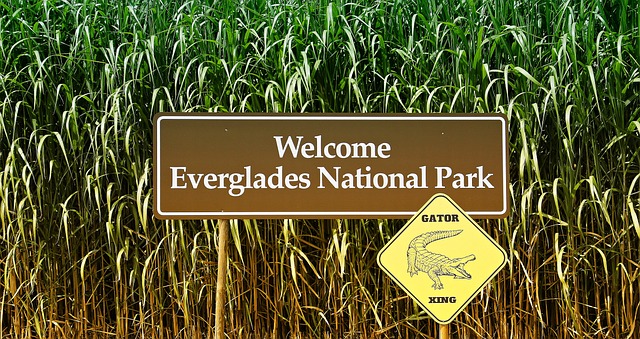
Everglades National Park Florida
The Everglades Was Originally Slated to Be Drained. One Person’s Book Changed That. Marjory Stoneman Douglas was 79 years old when she was called back to active conservation work to fight for the Everglades in the 1960s. She spent the remaining 29 years of her life at it. Her 1947 book “The Everglades: River of Grass” had reframed the public understanding of the ecosystem from...
read more
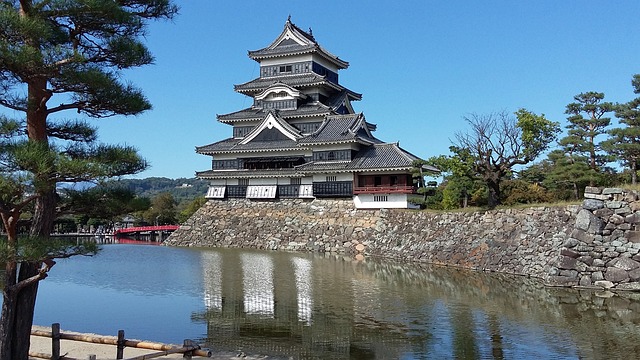
Matsumoto Castle
Matsumoto Castle: The Flatland Fortress That Nearly Got Demolished After Japan’s Meiji Restoration in the late 19th century, the new government had limited use for feudal fortifications and ordered many of them torn down. Matsumoto Castle was slated for demolition until a local schoolmaster named Ichikawa Ryozo led a citizens’ campaign to save it, raising enough funds to transfer...
read more
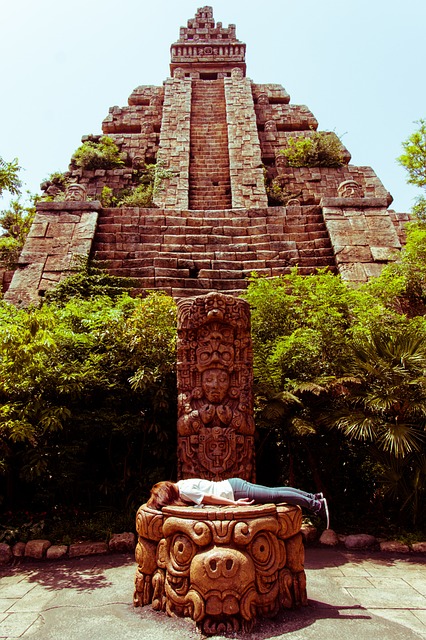
Disneyland Tokyo
Tokyo Disneyland: The Park That Disney Does Not Own Tokyo Disneyland opened on 15 April 1983 as the first Disney park outside the United States, and it was immediately successful beyond anyone’s projections. One fact that almost never appears in travel guides: Disney does not own it. The park is owned and operated by Oriental Land Co., Ltd. (OLC), a Japanese company that holds a licensing...
read more
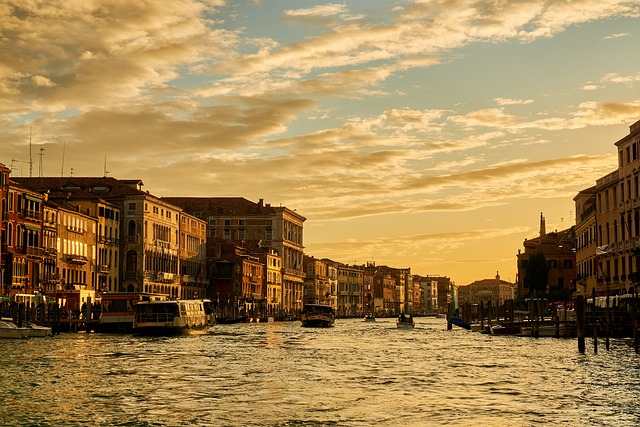
Grand Canal
Venice Charges Day-Trippers to Use the Grand Canal Now. That Alone Tells You Something. Starting in 2025 and expanding further in 2026, Venice introduced a paid entry system for day-trippers visiting the historic centre on peak days. Between April and July 2026, visitors arriving on Fridays, Saturdays, and Sundays between 8:30 am and 4:00 pm must pay EUR 5 (if booked four or more days ahead) or...
read more
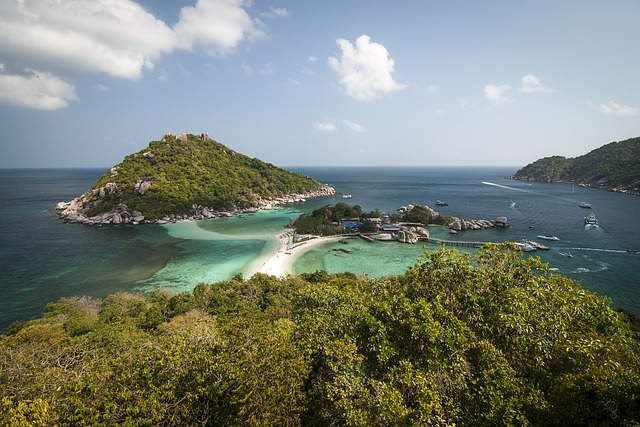
Ko Tao Thailand
Ko Tao: Where the World Comes to Learn to Dive Ko Tao ranks second only to Cairns, Australia, in the number of scuba certifications issued annually. On a 21 square kilometre island, roughly 100 dive operations compete for the same students, which creates a situation unusual in Southeast Asian tourism: competitive pressure that actually benefits the consumer. PADI Open Water courses that cost...
read more

Fox Glacier
A Glacier That Responds in Years, Not Decades Fox Glacier is unusually reactive to climate shifts. Its steep accumulation zone high in the Southern Alps and a response time of only three to nine years between a change in mass balance and a movement at the terminal face make it one of the most dynamically sensitive glaciers on the planet. That responsiveness has worked in both directions: Fox...
read more
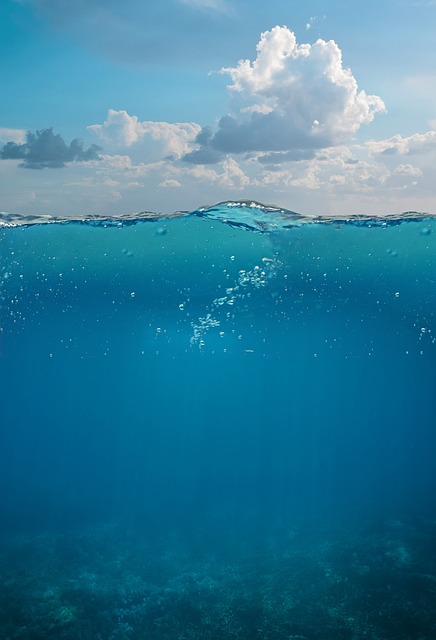
Molinere Underwater Sculpture Park Molinere Bay Grenada
The Molinere Underwater Sculpture Park, Grenada: Art That Becomes Reef In 2006 a British sculptor named Jason deCaires Taylor sank a series of concrete figures into Molinere Bay, on Grenada’s west coast, and waited to see what would happen. Within a few years the sculptures had been colonised by coral polyps, sea fans, and encrusting sponges, and the fish had followed. The park is now both...
read more
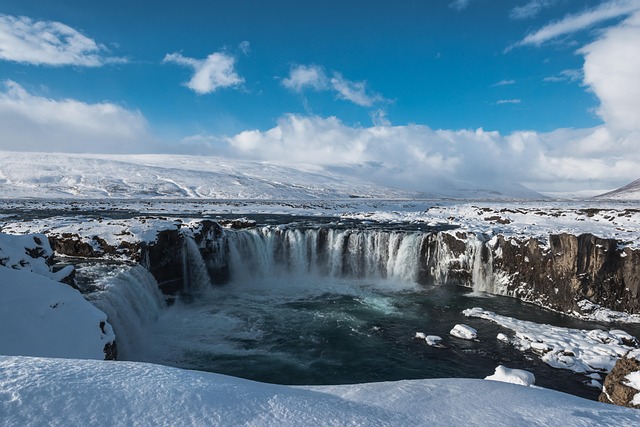
Gullfoss Waterfall, Iceland
The Woman Who Walked to Reykjavik Barefoot to Save This Waterfall In the early 1900s, an English investor named Howell secured a lease on the land around Gullfoss and made plans to build a hydroelectric plant. The farmer who owned the land, Tomas Tomasson, had not fully understood what he was signing. His daughter, Sigridur Tomasdottir (1871-1957), did understand. She walked barefoot to Reykjavik...
read more
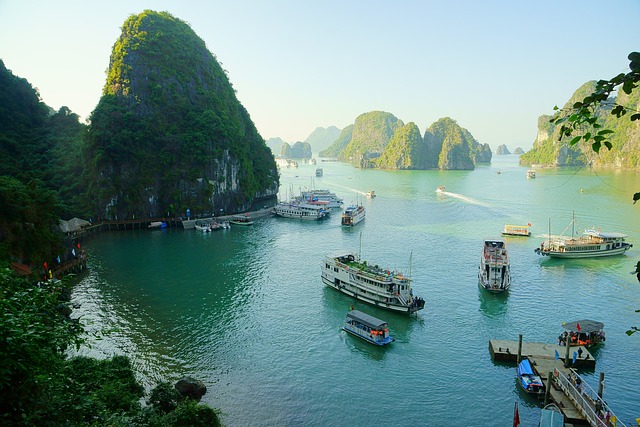
Halong Bay
The Number They Cut in Half In 2019, over 800 cruise vessels operated in Halong Bay. By 2025, Vietnamese maritime authorities had reduced that to 603 permitted vessels, introduced five zero-emission zones accessible only to electric boats, and imposed a daily visitor cap of 38,000. These are not trivial changes. The bay earned UNESCO World Heritage status twice (for scenic landscape in 1994, then...
read more
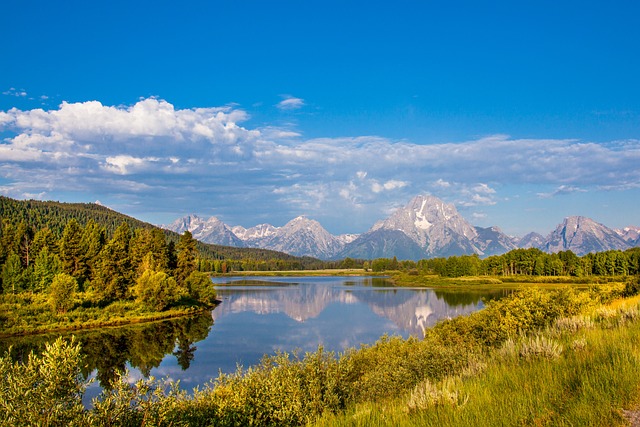
Grand Teton National Park Wyoming
The Youngest Mountains in the Rockies, and Why That Matters The Grand Tetons are not just tall, they are geologically abrupt. About 13 million years ago, a 40-mile fault system called the Teton Fault began slipping: the block to the east dropped more than 6,000 metres over millions of years to form Jackson Hole valley, while the western block was pushed upward to create the Teton Range. The result...
read more
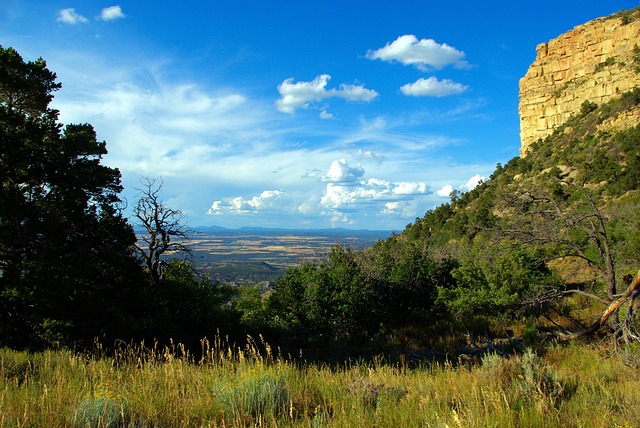
Mesa Verde Colorado
Mesa Verde: Six Centuries of Architecture Cut Into the Cliff The Ancestral Pueblo people began building at Mesa Verde around 600 AD, first on the mesa tops and later, starting in the late 1100s, in the alcoves of the canyon walls. By 1300 AD, every single person had left. The cliff dwellings, some of the most sophisticated stone architecture built in North America before European contact, were...
read more
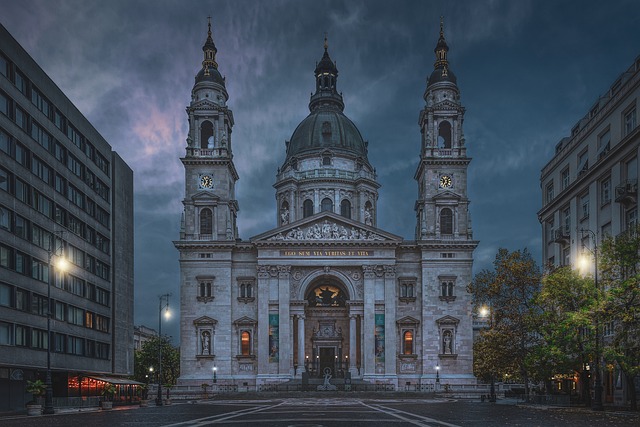
Heroes Square Budapest
The Archangel Is Currently Missing If you visit Heroes’ Square in 2026, the 36-metre column at its centre will be there, the seven mounted Magyar chieftains at its base will be there, but Archangel Gabriel at the very top, the gilded figure holding the Hungarian Holy Crown and a double cross that has crowned this monument since 1906, will be missing. He was removed for comprehensive...
read more
Bwindi Impenetrable National Park Uganda
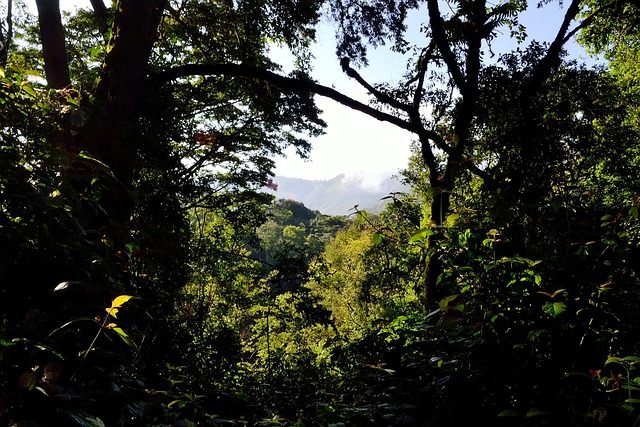
Bwindi Impenetrable National Park: What the Name Gets Right The forest earns its adjective. Bwindi Impenetrable National Park in southwestern Uganda is 331 square kilometres of ancient montane rainforest on the edge of the Albertine Rift, running from around 1,160 metres elevation to just over 2,600 metres. The canopy is dense enough to make a midday interior feel like dusk, and the undergrowth is...
read more
Piazza San Marco
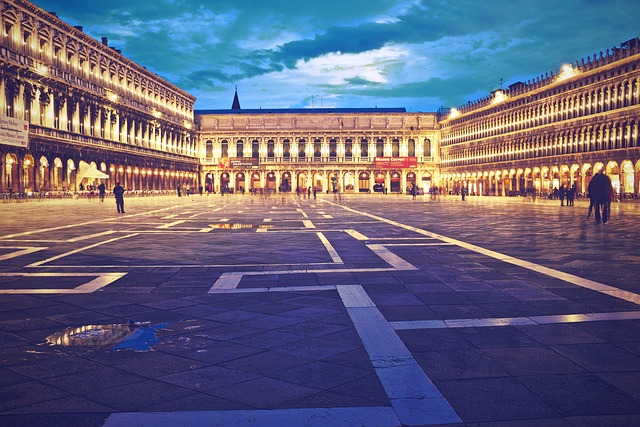
The Square That Has Been Sinking for Eight Centuries and Still Draws Millions Piazza San Marco sits at roughly 82 centimetres above sea level, which makes it one of the lowest points in Venice and the first place to flood when the tide rises. On a bad acqua alta day in November, the water comes over the edge of the square and spreads across the travertine in shallow sheets, and tourists wade...
read more
Drakensburg Mountains
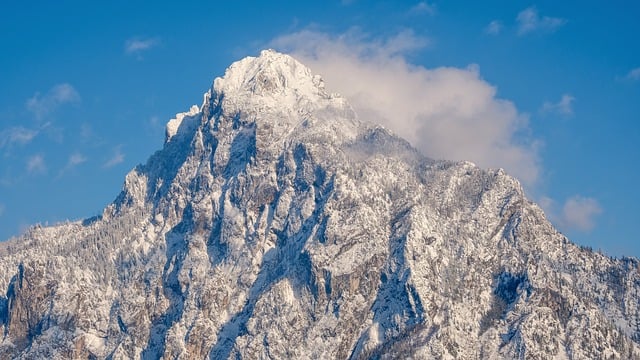
The Highest Density of Rock Art on Earth Five kilometres. That is the length of Didima Gorge near Cathedral Peak in the Central Drakensberg. Within that stretch, researchers have recorded the highest known concentration of San rock paintings on the planet, hundreds of shelters and overhangs, thousands of individual images, some of them executed with a precision that demands close inspection: a...
read more
Chichen Itza Mexico
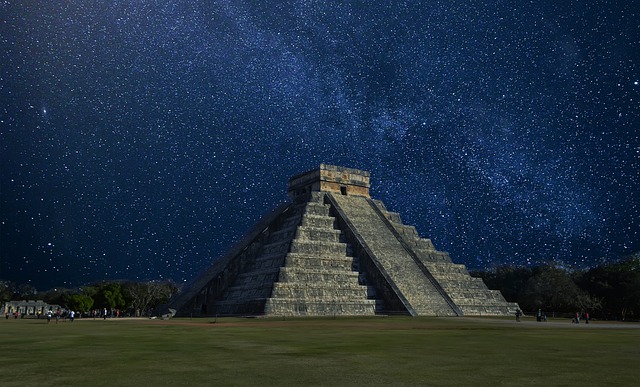
The Pyramid Nobody Can Climb Anymore When climbing El Castillo was still permitted, people used to fall off it. The stairs are steep, the stone is worn smooth by centuries of feet, and the height is not obvious until you are most of the way up and looking down. After a tourist death in 2006 and a series of serious injuries, Mexico closed the pyramid to climbers in 2008. Since then, authorities...
read more
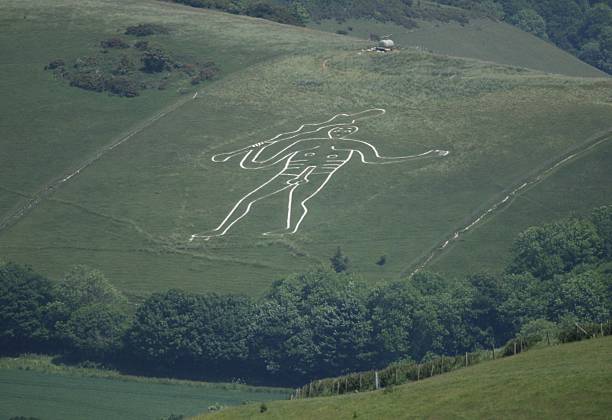
Cerne Abbas Giant Other Chalk Figures Uk
Not Prehistoric. And That Makes It Stranger. For most of the twentieth century, the Cerne Abbas Giant was assumed to be an ancient figure, Iron Age at the earliest, possibly connected to some Celtic cult of Hercules. That assumption was convenient and atmospheric and, as of 2019, thoroughly disproved. Sediment analysis using Optically Stimulated Luminescence (a technique that identifies when...
read more
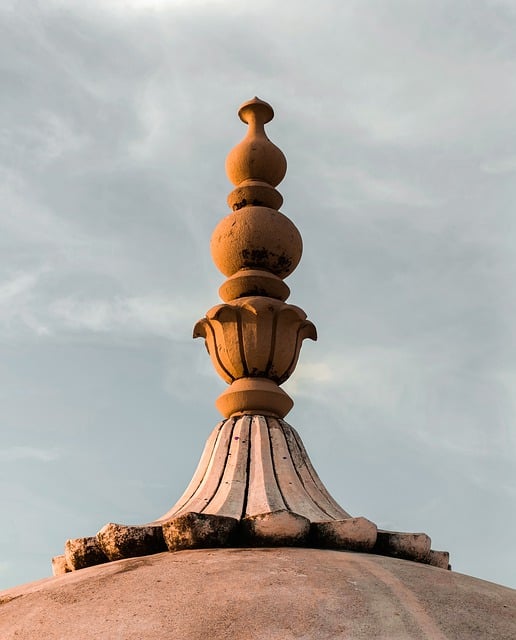
Jaisalmer Rajasthan India
Jaisalmer: India’s Only Inhabited Desert Fort and What That Actually Means Jaisalmer Fort is 900 years old, built from the same honey-coloured sandstone as the Thar Desert floor it rises from, and still home to more than 3,000 people. That last fact is what makes it unusual: it is the last inhabited medieval fort in India and one of very few anywhere in the world. Jain temples, palaces,...
read more
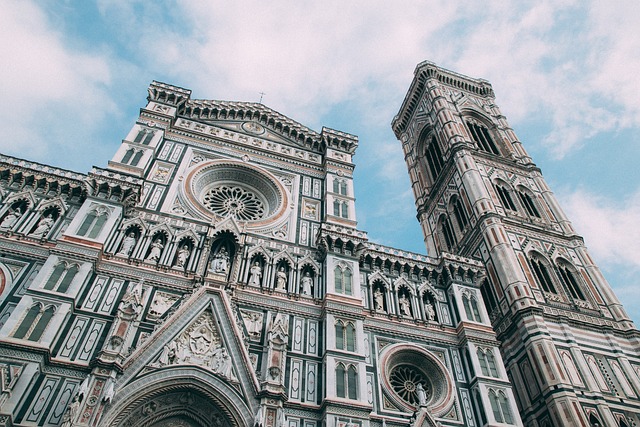
Santa Maria Del Fiore (Duomo Di Firenze / Florence Cathedral)
Brunelleschi Built the Dome Without Knowing If It Would Stand When Filippo Brunelleschi won the commission to complete Santa Maria del Fiore in 1418, the cathedral had stood unfinished for 122 years. Nobody knew how to roof the enormous octagonal drum that Arnolfo di Cambio had designed in 1296. At 42 metres in diameter and 55 metres off the ground, it was too wide for conventional wooden...
read more
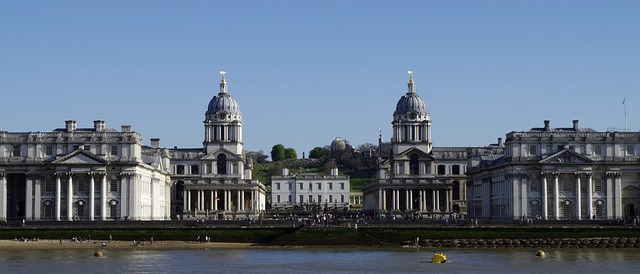
Greenwich Royal Observatory
The Royal Observatory Greenwich: Time, Longitude, and One Bitter Dispute The Prime Meridian at Greenwich was not chosen because of any geographical significance. It was chosen in 1884, at an international conference in Washington DC, because the United States had already adopted it as their zero longitude for navigational charts, and Britain’s maritime trade dominance meant that most of the...
read more
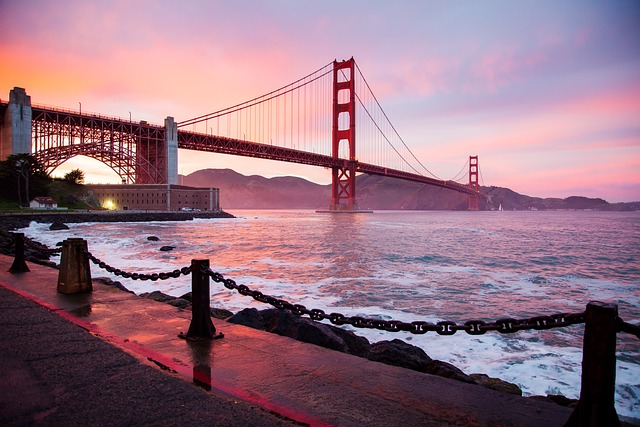
Golden Gate Bridge
The Bridge the Navy Wanted to Paint Black and Yellow Before it was International Orange, the Golden Gate Bridge nearly became black and yellow stripes. The US Navy wanted bold visibility markings for navigation; the Army Air Corps pushed for red and white candy stripes for aerial safety. Architect Irving Morrow overruled both suggestions, selecting the warm orange vermilion that has since become...
read more
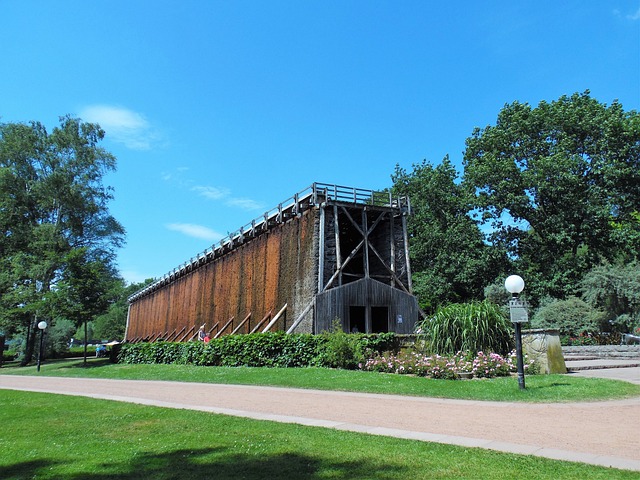
Salzwelten
The World’s Oldest Salt Mine Is Currently Closed. Here Is What to Do Instead, and What to Know When It Reopens. In 1734, a miner working an active tunnel above the village of Hallstatt in the Austrian Alps broke through into a chamber and found a human body wearing Bronze Age clothing and carrying Bronze Age tools. The salt had preserved it for three thousand years. That is the kind of...
read more
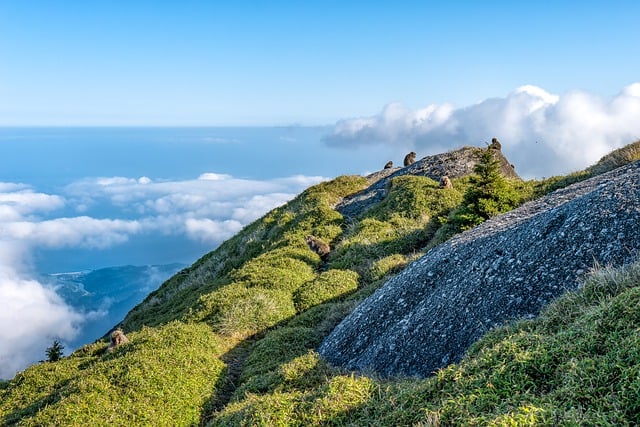
Torre De Bel M Bel M Tower
The Tower That Watched Vasco da Gama Sail Away For about a year, the Torre de Belém was closed. A scaffolding-wrapped ghost on the Tagus waterfront, inaccessible to visitors for the first time since the 1990s. Then, on 26 May 2026, it reopened after a 1 million euro conservation project that cleaned and stabilised stonework that had been deteriorating since at least 1998. If you are planning a...
read more
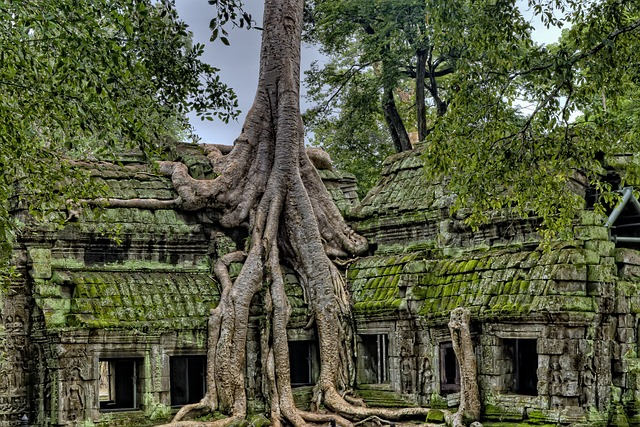
Angkor Wat, Cambodia
Angkor Wat, Cambodia The single most common thing people say after leaving Angkor is that they wish they had stayed longer. Not “I wish it had been bigger” or “I wish there had been more to see.” Just: more time. That regret is so predictable it has become a cliche, and yet most first-time visitors still book a single day from Bangkok or Ho Chi Minh City, spend eight hours...
read more
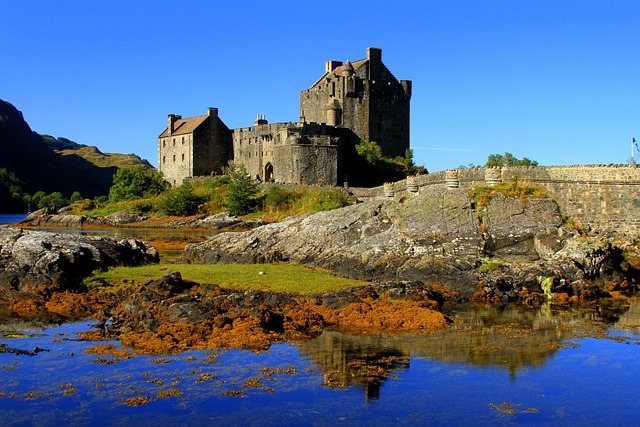
Loch Ness
The BBC Scanned Loch Ness With 600 Sonar Beams in 2003 and Found Nothing. People Still Come. A thorough scientific survey using sonar technology sensitive enough to detect a small buoy found no large unidentified animal in Loch Ness. The 2003 BBC-sponsored search was the most comprehensive the loch had received. It did not end the debate. In August 2023, a large coordinated search using sonar,...
read more
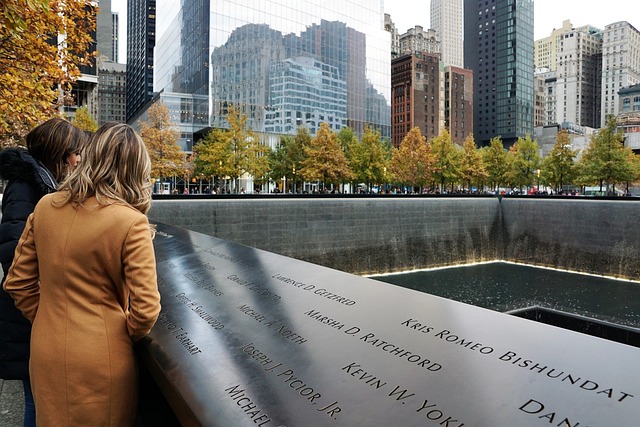
Freedom Tower Ground Zero
One World Trade Center and the 9/11 Memorial Site The names carved into the bronze parapets of the 9/11 Memorial were not arranged alphabetically or chronologically. Instead, every family of a victim was invited to request which other names should be placed adjacent to their person, a process called “meaningful adjacencies.” Over 1,200 individual requests came in. It took close to a...
read more
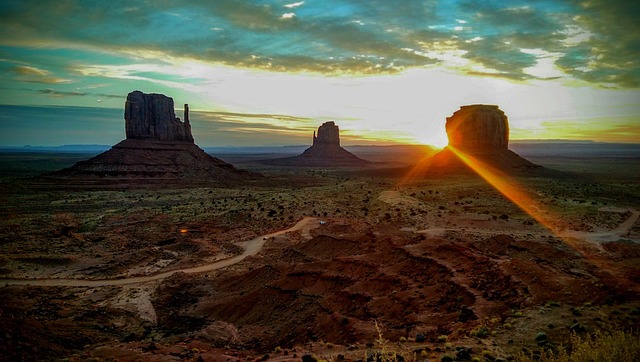
Monument Valley Navajo Tribal Park
The Red Rock Is Actually Grey Inside The colour that defines Monument Valley, that deep iron-red that has appeared in so many John Ford westerns that it became shorthand for the American West itself, is a surface coating. The iron oxide that stains the Merrick Shale and De Chelly Sandstone layers orange and red is a skin; cut into the rock and the interior is tan or grey. The buttes themselves are...
read more
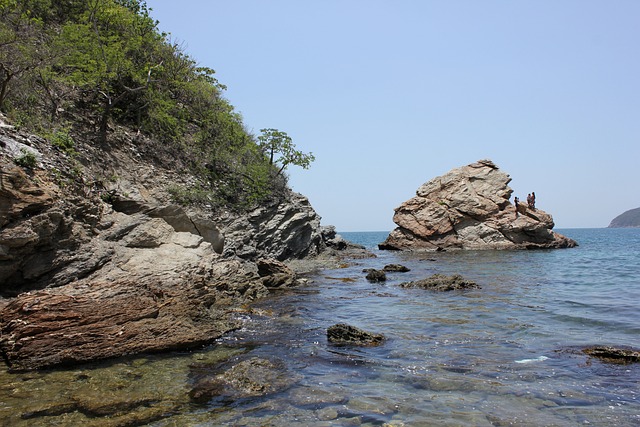
Tayrona National Park Colombia
Tayrona National Park, Colombia: The Park That Closes Three Times a Year on Purpose Most national parks close for weather, for wildfires, or for infrastructure failures. Tayrona closes because the indigenous Kogi, Arhuaco, and Wiwa communities of the Sierra Nevada de Santa Marta request it. Three times a year, the park shuts entirely: February 1 to 15, June 1 to 15, and October 19 to November 2....
read more
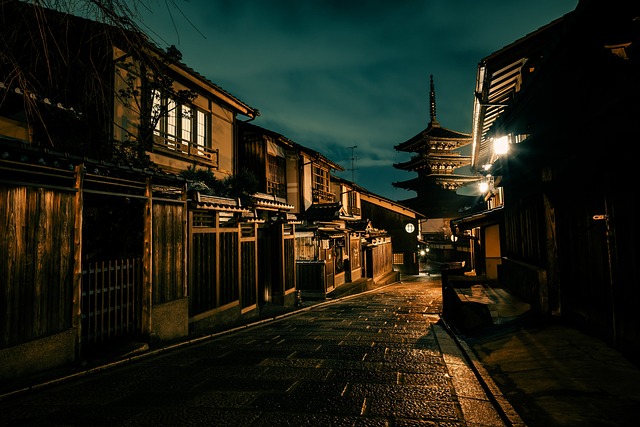
Gion District Japan
Gion: Read the Rules Before You Arrive Since April 2024, tourists are banned from accessing the private alleys in the southern part of Gion, the neighbourhood in eastern Kyoto where geiko (the Kyoto term for geisha) and maiko (their apprentices) live and work. Photography on these private roads was already prohibited, with fines of up to 10,000 yen. The expanded ban followed years of visitors...
read more
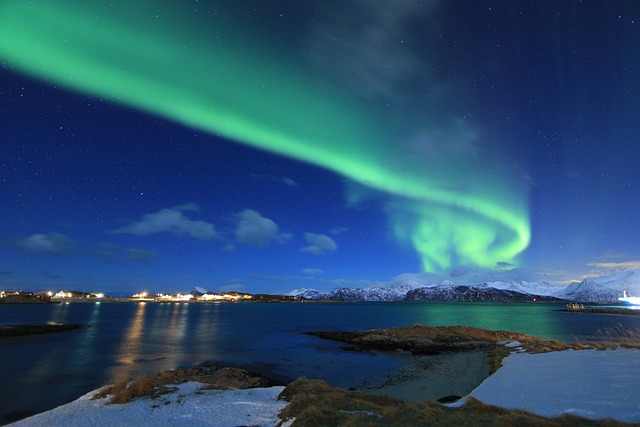
Polaria Arctic Museum Tromso
Polaria and Tromso: Planning a Trip to the World’s Northernmost City of Scale Tromso sits at 69.6 degrees north, well above the Arctic Circle, and it is large enough to have a university, a cathedral, an international airport, and two competing football clubs. Most visitors arrive for one of two reasons: the Northern Lights between September and April, or the Midnight Sun in June and July....
read more
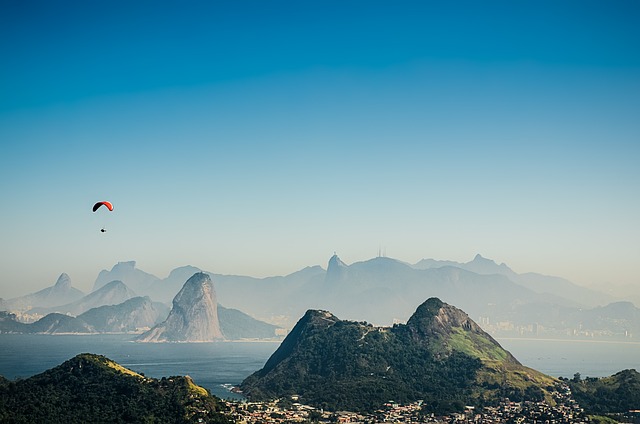
Pao De Acucar Brazil
Sugarloaf Mountain: 560 Million Years and a Cable Car Built in 1912 The rock that rises 396 metres from Rio de Janeiro’s Guanabara Bay is made of augen-gneiss, a metamorphic rock with crystals that resemble eyes (from German “Augen”). The same geological formation extends across the Atlantic. When the ancient supercontinent of Gondwana broke apart roughly 100 million years ago,...
read more
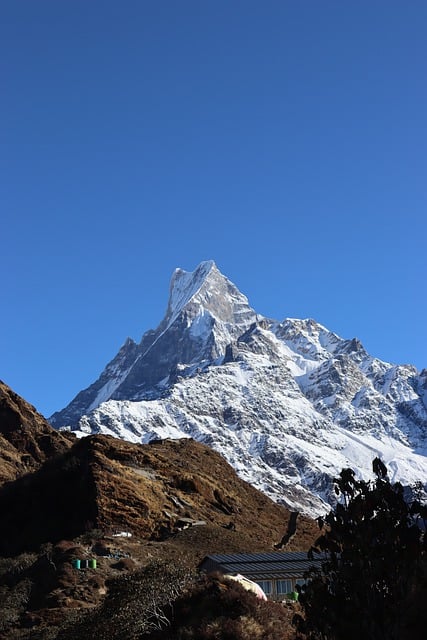
Himalayas
The Range That Creates Its Own Weather The Himalayas do not just contain the world’s highest peaks; they redirect the atmospheric systems of an entire continent. The range acts as a physical wall blocking cold Central Asian air from reaching the Indian subcontinent, and during summer it generates the monsoon by drawing moisture-laden air inland from the Indian Ocean. Without the Himalayas,...
read more
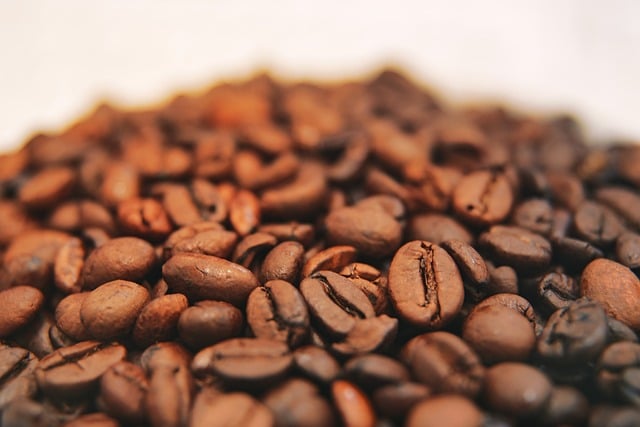
Get a Caffeine Jolt at a Famous Viennese Kaffeehaus
What the Bill Doesn’t Include Stefan Zweig, who grew up going to Vienna’s coffeehouses in the early 20th century, described the Viennese Kaffeehaus as “a democratic club, open to everyone for the price of a cheap cup of coffee, where every guest can sit for hours with this little offering, to talk, write, play cards, receive post, and above all consume an unlimited number of...
read more
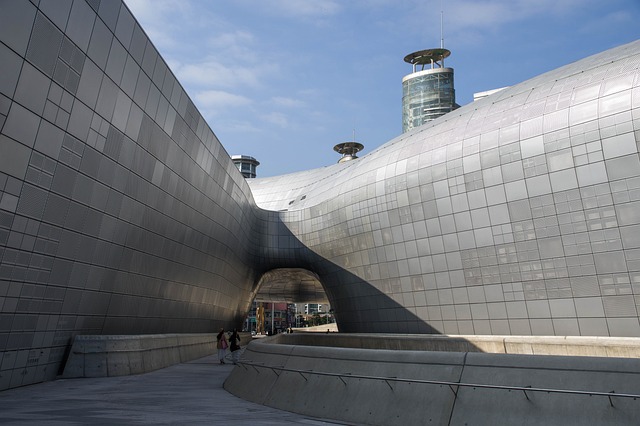
Heydar Aliyev Cultural Centre
Zaha Hadid Called It the Closest Thing to Her Theoretical Vision When Zaha Hadid described the Heydar Aliyev Centre as the “closest thing” to translating her theoretical work into built reality, she was making a precise claim. The building’s central design problem, how to create a structure with no corners, no sharp transitions, no visible joins between floor, wall, and ceiling,...
read more
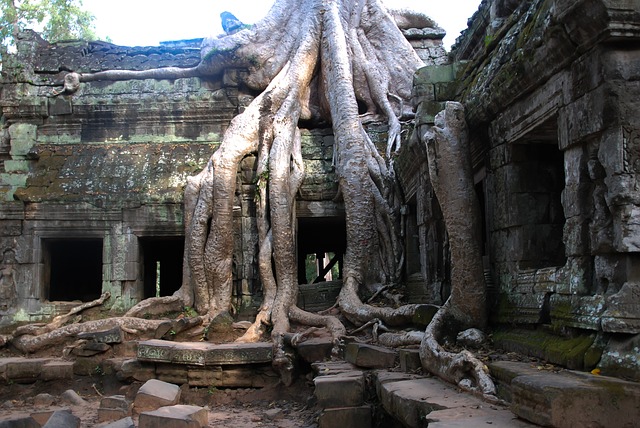
Angkor Wat
Angkor Wat The first thing to understand about Angkor Wat is that it was built as a tomb. Every other temple in the Angkor complex faces east, toward the rising sun and the promise of rebirth. Angkor Wat faces west, the direction of the setting sun in Hindu cosmology, the direction of Vishnu, and the direction of the dead. King Suryavarman II, who commissioned the temple in the early 12th century,...
read more
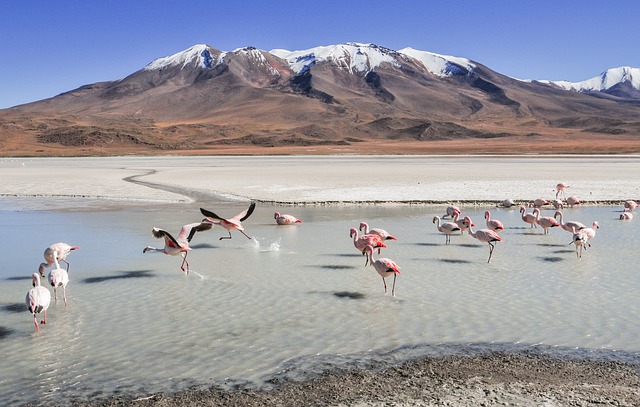
Madidi National Park Bolivia
The Park That Holds More Life Per Square Kilometre Than Anywhere Else on Earth A 2018 survey by the Wildlife Conservation Society concluded that Madidi National Park in Bolivia contains more species of land-based life than any other protected area on the planet. Not more than comparable tropical parks. More than anywhere. The numbers: 1,028 bird species (roughly 14% of all bird species that...
read more
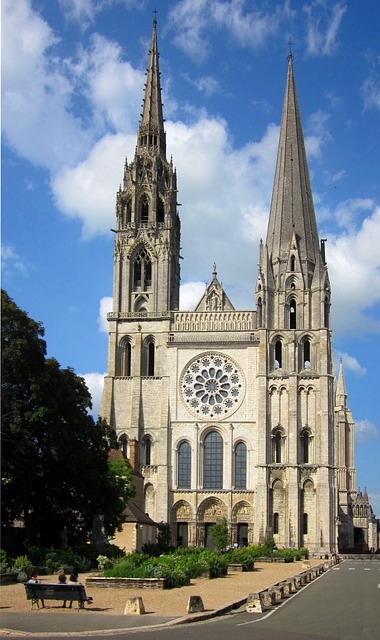
Chartres Cathedral
The Geometry Hidden in the Floor Stand at the west end of Chartres Cathedral’s nave and look down. The labyrinth inlaid in the stone floor is 13 metres across, with a single winding path 262 metres long folded into that circle. In the Middle Ages, pilgrims walked it on their knees as an act of penance. Each Easter, the cathedral’s canons performed a ceremony in which they passed a...
read more