Recent Tr4vel

Nairobi in 4 Days on a Budget (Daily Costs)
Heads up: some links here are affiliate links. Book or buy through them and we may earn a small commission at no extra cost to you. We only point you to things we would actually use.
Safety note: Nairobi has a real crime problem worth taking seriously, mugging, carjacking, and smash-and-grab theft at traffic lights are genuine risks (the old “Nairobbery” nickname is fair, not ancient...
read more
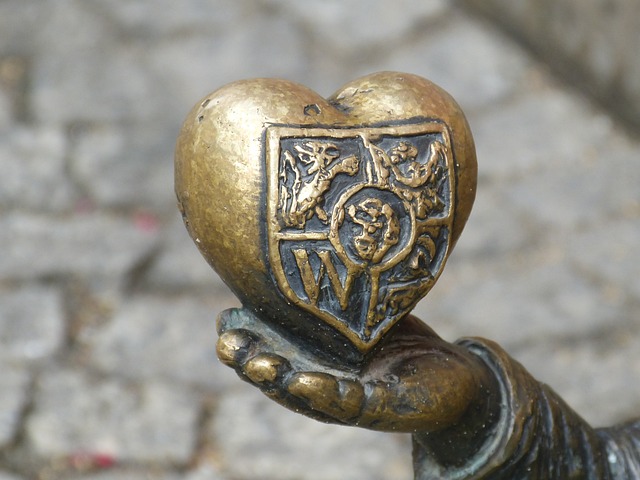
Wroclaw in 4 Days on a Budget (Daily Costs)
Wroclaw in 4 days: the city core plus two day trips Days 1-3 here are the exact plan in the 3-day itinerary : the Rynek and the dwarf hunt, Ostrów Tumski and Centennial Hall, and a Książ Castle plus Świdnica Church of Peace day trip. Day 4 adds a second day trip southwest into the Karkonosze mountains. Expect roughly 120-420 PLN a person per day; sight ticket prices are 2026 estimates, confirm...
read more
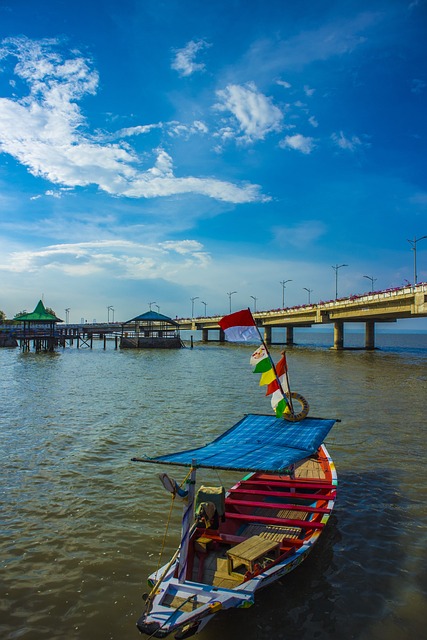
5 Budget Days: Surabaya Plus Bromo & Ijen
Heads up: some links here are affiliate links. Book or buy through them and we may earn a small commission at no extra cost to you. We only point you to things we would actually use.
5 days: 2 city days, then a full Bromo-Ijen circuit Five days is enough to properly cover Surabaya’s Heroes history, Old Town, and food on the first two days, then run a genuine Bromo-Ijen volcano circuit for...
read more
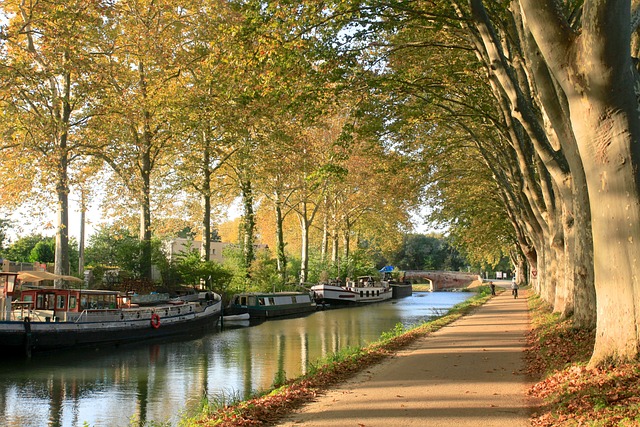
Toulouse in 7 Days on a Budget (Daily Costs)
Heads up: some links here are affiliate links. Book or buy through them and we may earn a small commission at no extra cost to you. We only point you to things we would actually use.
A full week covers Toulouse and its region without rushing any of it This route keeps the 6-day itinerary’s free core, aerospace day, Albi, Carcassonne, canal-and-museum day, and Pyrenees day, then adds a slower...
read more
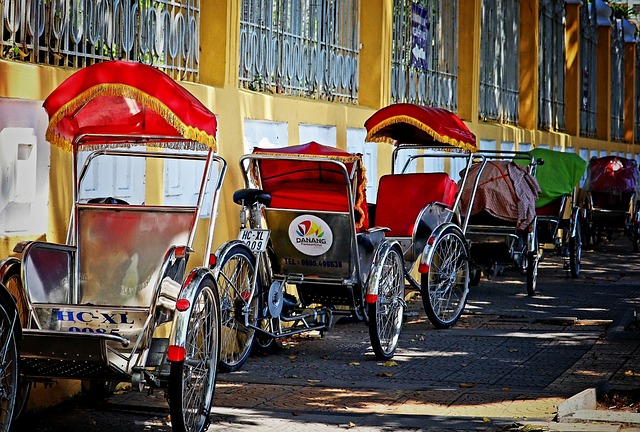
Da Nang in 4 Days on a Budget (Daily Costs)
Heads up: some links here are affiliate links. Book or buy through them and we may earn a small commission at no extra cost to you. We only point you to things we would actually use.
4 days covers the city core plus Da Nang’s real strength: Hoi An Days 1-3 here are the exact plan in the 3-day itinerary : My Khe Beach and the Marble Mountains, Son Tra and the Cham Museum, then Ba Na Hills.
read more
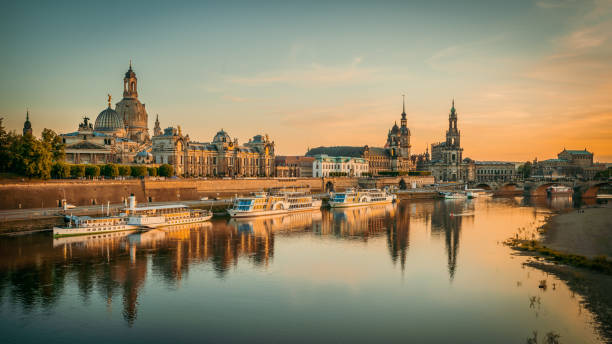
Dresden in 2 Days on a Budget (Daily Costs)
Heads up: some links here are affiliate links. Book or buy through them and we may earn a small commission at no extra cost to you. We only point you to things we would actually use.
2 days covers Dresden’s Baroque core, at a walking pace Two days is enough for the Altstadt’s essentials without rushing: the Zwinger, Frauenkirche, and Brühl’s Terrace on Day 1, then the...
read more
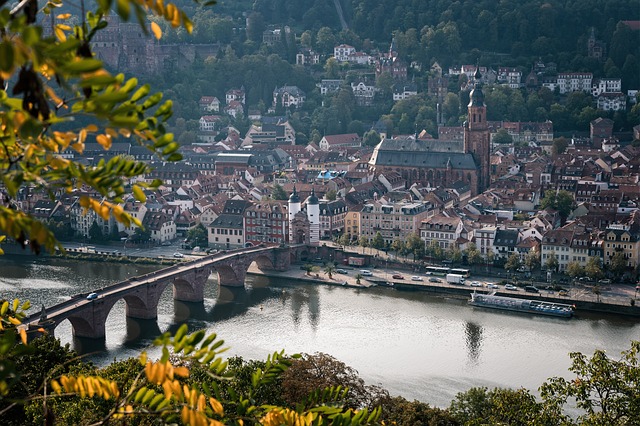
Heidelberg in 7 Days on a Budget (With Daily Costs)
Heads up: some links here are affiliate links. Book or buy through them and we may earn a small commission at no extra cost to you. We only point you to things we would actually use.
The 7-day version: adds the Neckar Valley castle towns A full week builds on the 6-day plan (castle, Altstadt, Philosophenweg, University, Heiligenberg, Neckar cruise, Speyer, Schwetzingen, Mannheim) with a seventh...
read more
Nairobi in 3 Days on a Budget (Daily Costs)
Heads up: some links here are affiliate links. Book or buy through them and we may earn a small commission at no extra cost to you. We only point you to things we would actually use.
Safety note: Nairobi has a real crime problem worth taking seriously, mugging, carjacking, and smash-and-grab theft at traffic lights are genuine risks (the old “Nairobbery” nickname is fair, not ancient...
read more
Toulouse in 6 Days on a Budget (Daily Costs)
Heads up: some links here are affiliate links. Book or buy through them and we may earn a small commission at no extra cost to you. We only point you to things we would actually use.
6 days adds real mountain hiking to the two UNESCO day trips This route keeps the 5-day itinerary’s free core, aerospace day, Albi, Carcassonne, and canal-and-museum day, then adds a sixth day out to the...
read more
Wroclaw in 3 Days on a Budget (Daily Costs)
Wroclaw in 3 days: the city core plus one real day trip This route covers the Rynek and the dwarf hunt, Ostrów Tumski and Centennial Hall, and a day trip southwest to Książ Castle and the Świdnica Church of Peace. Expect roughly 120-390 PLN a person per day, transit and food included; the daily tables break down where it goes. Sight ticket prices are 2026 estimates, confirm exact admission before...
read more
3 Budget Days in Surabaya, Indonesia
Heads up: some links here are affiliate links. Book or buy through them and we may earn a small commission at no extra cost to you. We only point you to things we would actually use.
3 days: the city core plus one full Bromo day Three days is the sweet spot for a first Surabaya visit: two days for the Heroes history, the Old Town, and the food, then a full Mount Bromo sunrise day trip on Day 3.
read more
Toulouse in 5 Days on a Budget (Daily Costs)
Heads up: some links here are affiliate links. Book or buy through them and we may earn a small commission at no extra cost to you. We only point you to things we would actually use.
5 days adds a slower museum-and-canal day to both day trips This route keeps the 4-day itinerary’s free core, one aerospace day, Albi, and Carcassonne, then adds a fifth day built around the Canal du Midi...
read more
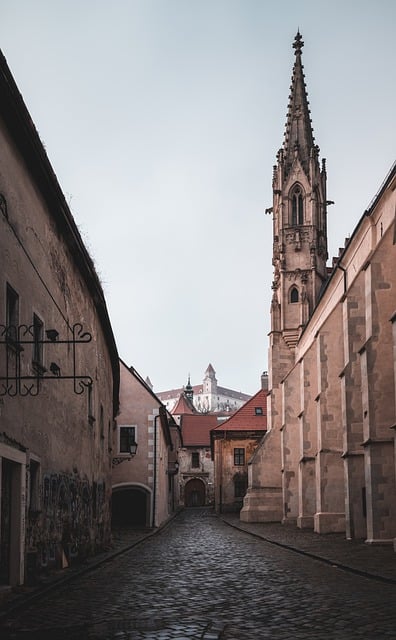
Bratislava Castle on a Budget: Free Grounds
The grounds are free, and that’s most of what’s worth seeing Bratislava Castle sits on a hill above the Danube, a big white rectangular building with four corner towers that locals nickname the “upturned table.” The outdoor grounds and Baroque gardens on the south side stay open with no ticket at all, and for most visitors that’s enough: a walk around the terrace, a...
read more
Da Nang in 3 Days on a Budget (Daily Costs)
Heads up: some links here are affiliate links. Book or buy through them and we may earn a small commission at no extra cost to you. We only point you to things we would actually use.
3 days covers the city core plus Ba Na Hills Days 1 and 2 here are the exact plan in the 2-day itinerary : My Khe Beach and the Marble Mountains, then Son Tra Peninsula and the Cham Museum.
read more
Dresden Travel Tips: 8 Costs to Know Before You Go
Heads up: some links here are affiliate links. Book or buy through them and we may earn a small commission at no extra cost to you. We only point you to things we would actually use.
Dresden travel tips that actually save you money Most Dresden travel advice is generic Germany boilerplate. These 8 aren’t, they’re the specific numbers, bookings, and one solemn date that keep a budget...
read more
Heidelberg in 6 Days on a Budget (With Daily Costs)
Heads up: some links here are affiliate links. Book or buy through them and we may earn a small commission at no extra cost to you. We only point you to things we would actually use.
The 6-day version: adds Mannheim Six days builds on the 5-day plan (castle, Altstadt, Philosophenweg, University, Heiligenberg, Neckar cruise, Speyer, Schwetzingen) with a third day trip: Mannheim’s Baroque...
read more
Nairobi in 2 Days on a Budget (Daily Costs)
Heads up: some links here are affiliate links. Book or buy through them and we may earn a small commission at no extra cost to you. We only point you to things we would actually use.
Safety note: Nairobi has a real crime problem worth taking seriously, mugging, carjacking, and smash-and-grab theft at traffic lights are genuine risks (the old “Nairobbery” nickname is fair, not ancient...
read more
Wroclaw in 2 Days on a Budget (Daily Costs)
Wroclaw in 2 days: the Rynek and Ostrow Tumski core Two days is enough for Wrocław’s essential circuit: the Rynek and the dwarf hunt on day one, Ostrów Tumski and Centennial Hall on day two. Expect roughly 120-340 PLN a person per day including a bed, meals, and transit, the tables below break down where it goes. Sight ticket prices below are 2026 estimates, confirm exact admission before...
read more
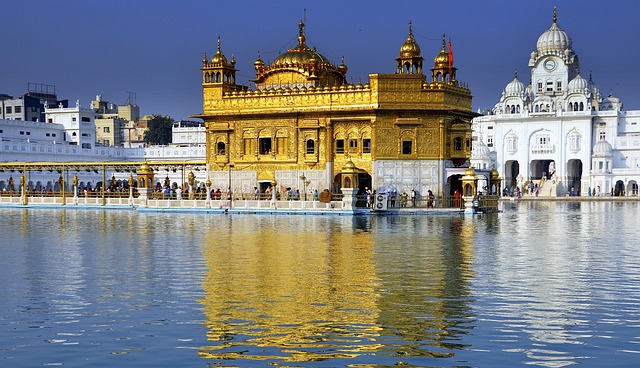
Amritsar on a Budget: Costs and Free Entry
The city where the biggest sight is also the cheapest Amritsar inverts the usual travel-budget math. The single most famous thing to see here, the Golden Temple, costs nothing to enter, and the meal served next to it costs nothing either: the Langar produces and serves 100,000 or more free vegetarian meals a day, up to 150,000+ on festival weekends, to anyone who sits down on the hall floor, no...
read more
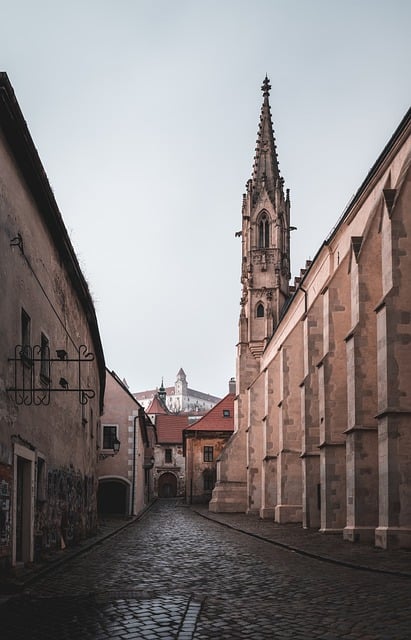
Bratislava in 7 Days on a Budget (Full Week)
Heads up: some links here are affiliate links. Book or buy through them and we may earn a small commission at no extra cost to you. We only point you to things we would actually use.
7 days: the city core, three day trips, and an overnight in Budapest A full week covers Bratislava’s own sights over two days, then reaches outward for Vienna, Devín Castle, a 2-day Budapest overnight, and the...
read more
Toulouse in 4 Days on a Budget (Daily Costs)
Heads up: some links here are affiliate links. Book or buy through them and we may earn a small commission at no extra cost to you. We only point you to things we would actually use.
4 days fits both UNESCO day trips on top of the free core This route keeps the 3-day itinerary’s free centre, one aerospace day, and Albi, then adds Carcassonne as its own full day, giving each UNESCO day trip...
read more
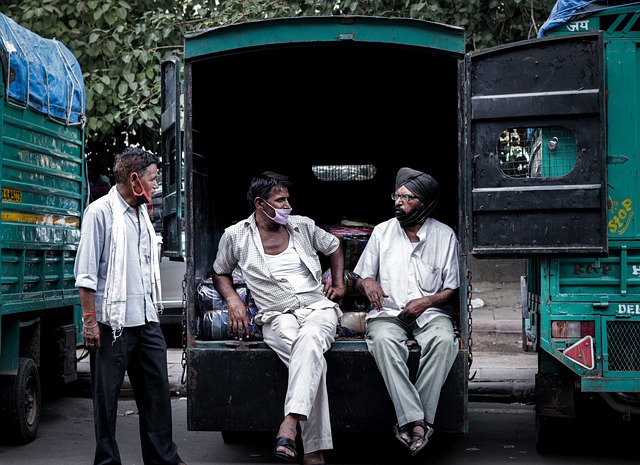
Amritsar in 7 Days on a Budget (Daily Costs)
7 days covers the full holy-city-and-day-trips circuit Seven days keeps the 6-day itinerary’s full core, Golden Temple, Jallianwala Bagh, Partition Museum, Durgiana Temple, Ram Bagh, Gobindgarh Fort, Wagah, Tarn Taran, and Harike Wetland, then closes with a genuinely slow day rather than another ticketed sight. Expect roughly Rs 600-3,000 a person per day; the tables below break down where...
read more
Bratislava in 5 Days on a Budget (Vienna Trip)
Heads up: some links here are affiliate links. Book or buy through them and we may earn a small commission at no extra cost to you. We only point you to things we would actually use.
5 days: the full city core, plus Vienna, Devín and the wine towns Two days cover Bratislava’s own sights without rushing, then three more days go outward: Vienna, Devín Castle, and the Small Carpathians wine...
read more
8 Money-Saving Nairobi Travel Tips
Heads up: some links here are affiliate links. Book or buy through them and we may earn a small commission at no extra cost to you. We only point you to things we would actually use.
Safety note: Nairobi has a real crime problem worth taking seriously, mugging, carjacking, and smash-and-grab theft at traffic lights are genuine risks (the old “Nairobbery” nickname is fair, not ancient...
read more
Amritsar in 6 Days on a Budget (Daily Costs)
6 days adds a nature day trip to the pilgrimage-and-history core Six days keeps the 5-day itinerary’s Golden Temple, Jallianwala Bagh, Partition Museum, Durgiana Temple, Ram Bagh, Gobindgarh Fort, Wagah, and Tarn Taran Sahib days, then adds Harike Wetland Bird Sanctuary as a slower, nature-focused close. Expect roughly Rs 600-3,000 a person per day; the tables below break down where it goes....
read more
Bratislava in 3 Days on a Budget (+ Vienna)
Heads up: some links here are affiliate links. Book or buy through them and we may earn a small commission at no extra cost to you. We only point you to things we would actually use.
3 days: the city core, then a full day in Vienna Two days cover Bratislava’s own sights at an easy pace, then Day 3 hands the whole day to Vienna, an hour away by train, one of the closest capital-to-capital...
read more
Da Nang in 2 Days on a Budget (Daily Costs)
Heads up: some links here are affiliate links. Book or buy through them and we may earn a small commission at no extra cost to you. We only point you to things we would actually use.
2 days covers Da Nang’s beach and city core This route covers My Khe Beach, the Marble Mountains, and Son Tra Peninsula’s Lady Buddha, with the Dragon Bridge’s fire show worked in if your dates land...
read more
Heidelberg in 5 Days on a Budget (With Daily Costs)
Heads up: some links here are affiliate links. Book or buy through them and we may earn a small commission at no extra cost to you. We only point you to things we would actually use.
The 5-day version: adds Schwetzingen Palace Five days builds on the 4-day plan (castle, Altstadt, Philosophenweg, University, Heiligenberg, Neckar cruise, Speyer) with a second day trip: Schwetzingen’s gardens....
read more
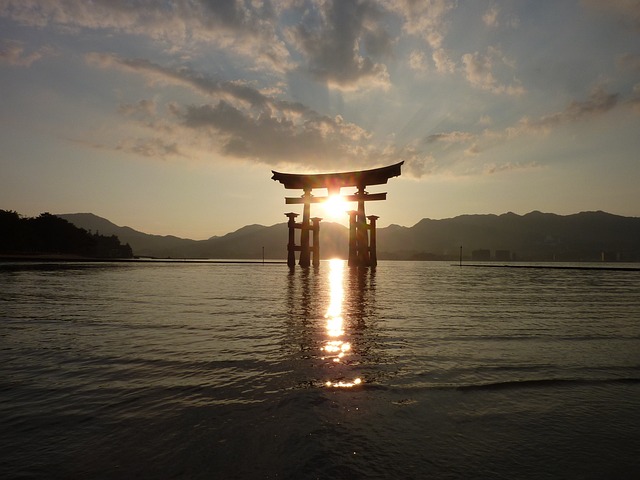
Hiroshima Costs: Free Sites to Miyajima Ferry
Hiroshima’s costs split along the line the city itself draws Everything tied to remembrance here is free or close to it; the fees start once you step back into the living, rebuilt city around it. The A-Bomb Dome, the Peace Memorial Park, and the Cenotaph cost nothing to visit, and that isn’t an accident of budgeting, it reflects a deliberate choice to keep the memorial open to...
read more
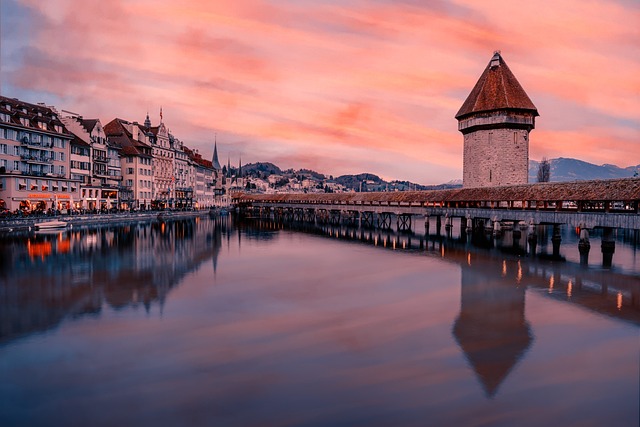
Lucerne in 7 Days on a Realistic Budget
Heads up: some links here are affiliate links. Book or buy through them and we may earn a small commission at no extra cost to you. We only point you to things we would actually use.
Lucerne in 7 Days on a Realistic Budget A full week fits all four Lucerne-area mountains and glaciers plus a genuine day trip out to Interlaken, which is honestly the point at which Lucerne stops being a rushed stop...
read more
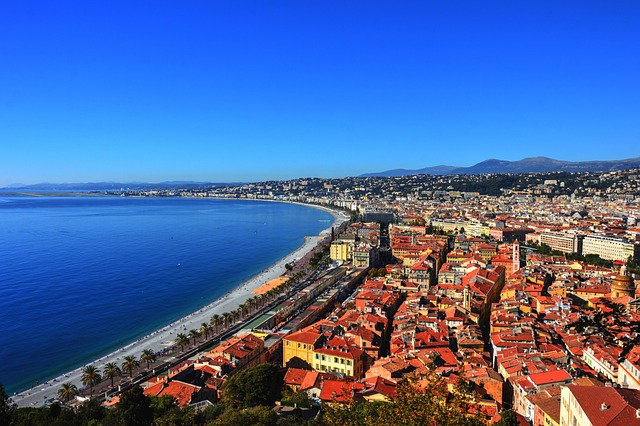
Nice, the Riviera's UNESCO Winter Resort
Nice, the Riviera’s UNESCO Winter Resort In 2021, UNESCO added Nice to the World Heritage list under the name “Nice, Winter Resort Town of the Riviera.” The listing is not about a single monument. It recognises the whole city as an example of how the climate itself became a tourist attraction, and how a genuine city was reshaped to receive wealthy winter visitors from across...
read more
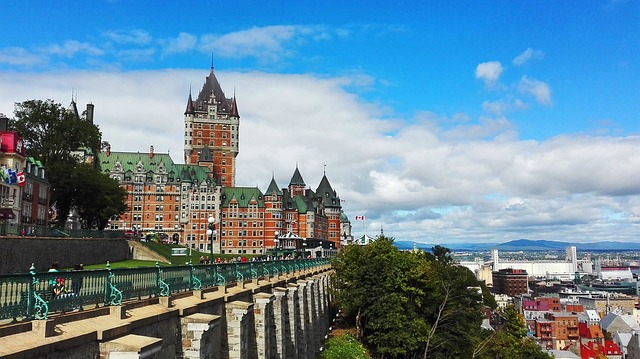
Quebec City in 7 Days: Budget Itinerary
Heads up: some links here are affiliate links. Book or buy through them and we may earn a small commission at no extra cost to you. We only point you to things we would actually use.
7 days: the city, 4 day trips, Wendake, and a final morning The fullest version of this itinerary: 2 days in Old Québec, the Route 138 day trips over Days 3-4, Wendake on Day 5, the seasonal Hôtel de Glace or a free...
read more
Surabaya in 2 Days on a Budget
Heads up: some links here are affiliate links. Book or buy through them and we may earn a small commission at no extra cost to you. We only point you to things we would actually use.
2 days covers the city core, not a volcano trip Two days is enough for Surabaya’s Heroes history, its Old Town, and its food, but not enough to add Mount Bromo or Kawah Ijen without turning this into a rushed...
read more
Toulouse in 3 Days on a Budget (Daily Costs)
Heads up: some links here are affiliate links. Book or buy through them and we may earn a small commission at no extra cost to you. We only point you to things we would actually use.
3 days adds a genuine UNESCO day trip to the free core This route keeps the 2-day itinerary’s free Capitole-and-Saint-Sernin core and one aerospace sight, then adds a full day in Albi, a UNESCO “Episcopal...
read more
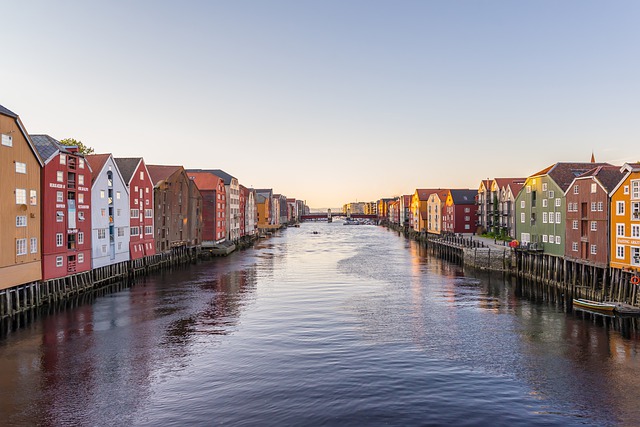
Trondheim in 7 Days: Full Budget Plan
Heads up: some links here are affiliate links. Book or buy through them and we may earn a small commission at no extra cost to you. We only point you to things we would actually use.
A full week is more time than Trondheim’s core sights need, and that’s fine Trondheim’s actual sightseeing list fills about 5 days including both real day trips; a 7-day version keeps that same core...
read more
Where to Stay in Dresden on a Budget: 4 Areas
Heads up: some links here are affiliate links. Book or buy through them and we may earn a small commission at no extra cost to you. We only point you to things we would actually use.
Where to stay in Dresden without overpaying Dresden splits cleanly into four areas, and picking by trip type rather than defaulting to the Altstadt saves real money. Below are the 4 areas worth knowing, with what each...
read more
Wroclaw Photo Spots on a Budget: 7 Free Views
7 Wroclaw photo spots that cost nothing to shoot Most of Wrocław’s best shots are free, you just need the right time of day. Here are 7 spots, roughly in the order to hit them across a day, plus the one paid viewpoint worth the zloty.
The Rynek at dawn. Early morning light hits the colorful reconstructed townhouses and the Gothic Old Town Hall with the square still close to empty; by...
read more
Amritsar in 5 Days on a Budget (Daily Costs)
5 days adds a real day trip to the core Five days keeps the 4-day itinerary’s Golden Temple, Jallianwala Bagh, Partition Museum, Durgiana Temple, Ram Bagh, Gobindgarh Fort, and Wagah core, then adds Tarn Taran Sahib as its own day, with a slower final day built around food rather than another sight. Expect roughly Rs 600-3,000 a person per day; the tables below break down where it goes.
Day...
read more
Quebec City in 6 Days: Budget Itinerary
Heads up: some links here are affiliate links. Book or buy through them and we may earn a small commission at no extra cost to you. We only point you to things we would actually use.
6 days: the city, 3 day trips, and a seasonal add-on Two days cover Old Québec, two more run the Route 138 corridor, a fifth heads to Wendake, and a sixth is either the seasonal Hôtel de Glace or a free day back in...
read more
Amritsar in 4 Days on a Budget (Daily Costs)
4 days adds history and a fort to the holy-city core Four days keeps the 2-day Golden Temple and Jallianwala Bagh core, then spreads Durgiana Temple, Ram Bagh, Gobindgarh Fort, and the Partition Museum across two slower days, ending on Wagah-Attari if the current border status allows it. Expect roughly Rs 600-3,000 a person per day; the tables below break down where it goes.
Day 1: the Golden...
read more
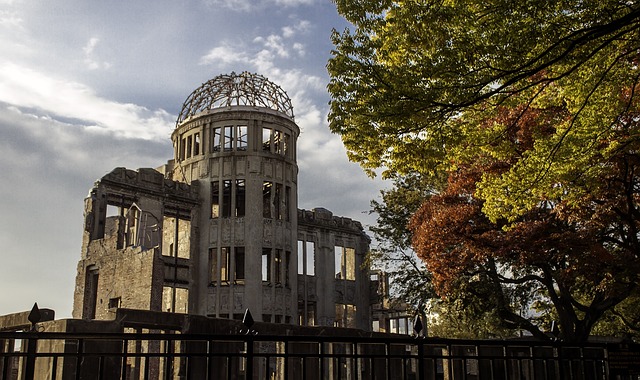
Hiroshima in 6 Days on a Budget (Daily Costs)
Six days: the full core plus Iwakuni’s bridge Six days takes the 5-day plan and adds a sixth day at Iwakuni, close enough to pair with a relaxed departure.
Day Focus Rough daily cost Day 1 A-Bomb Dome, Peace Memorial Park and Museum Modest museum fee + ¥240 tram fares + food Day 2 Miyajima: Itsukushima Shrine, Mount Misen ~¥200 ferry + ¥100 visitor tax + food Day 3 Hiroshima Castle,...
read more
Quebec City in 5 Days: Budget Itinerary
Heads up: some links here are affiliate links. Book or buy through them and we may earn a small commission at no extra cost to you. We only point you to things we would actually use.
5 days: the city, 2 Route 138 day trips, and Wendake Two days cover Old Québec, two more run the Route 138 corridor (Montmorency Falls, Île d’Orléans, Sainte-Anne-de-Beaupré, Canyon Sainte-Anne), and a fifth...
read more
Toulouse in 2 Days on a Budget (Daily Costs)
Heads up: some links here are affiliate links. Book or buy through them and we may earn a small commission at no extra cost to you. We only point you to things we would actually use.
2 days covers Toulouse’s pink-brick core, plus one paid sight This route covers Place du Capitole, the Basilica of Saint-Sernin, the Jacobins, and the Garonne quays on Day 1, almost entirely free, then one...
read more
Lucerne in 6 Days: Town, Lake and Mountains
Heads up: some links here are affiliate links. Book or buy through them and we may earn a small commission at no extra cost to you. We only point you to things we would actually use.
Lucerne in 6 Days: Town, Lake and Mountains Six days adds the Stanserhorn CabriO, the world’s only open-top double-decker cable car, to the three-mountain lineup, plus a proper culture day. Budget roughly CHF...
read more
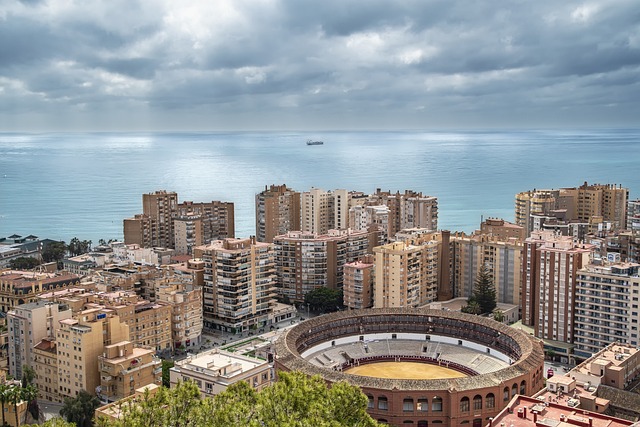
Málaga in 7 Days on a Budget (Daily Costs)
Heads up: some links here are affiliate links. Book or buy through them and we may earn a small commission at no extra cost to you. We only point you to things we would actually use.
7 days: the full Andalusia week from one base A week from Málaga is the whole package: two days for the city, the full golden triangle of Granada, Córdoba and Seville, the Caminito del Rey, and a slow coastal day at...
read more
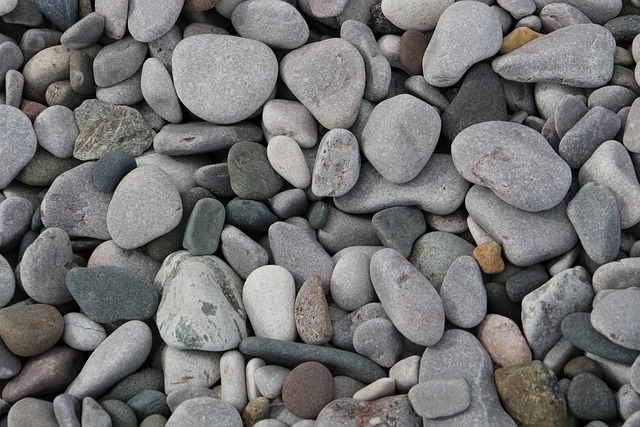
Nice Pebble Beaches on a Budget
Nice Pebble Beaches on a Budget Here is the thing nobody tells you until your feet find out: Nice’s beaches are pebble and shingle, not sand. The Riviera postcard shows golden bays elsewhere; the reality here is smooth grey stones running the length of the Baie des Anges. Once you plan for that, a beach day in Nice costs almost nothing and the swimming is genuinely better than sand gives...
read more
Trondheim in 6 Days: Sverresborg Added
Heads up: some links here are affiliate links. Book or buy through them and we may earn a small commission at no extra cost to you. We only point you to things we would actually use.
6 days lets both day trips breathe, with a slower day between them This keeps the same core and both day trips as the 5-day plan, Stiklestad and Røros, and adds a lower-key sixth day rather than a third rushed...
read more
Amritsar in 2 Days on a Budget (Daily Costs)
2 days covers Amritsar’s holy-city core, on a budget Two days is enough for the Golden Temple, the Langar, and Jallianwala Bagh unhurried, plus a second day for Gobindgarh Fort and, if the current status allows it, the Wagah-Attari ceremony. Expect roughly Rs 600-3,100 a person per day depending on how much of the fort and border-side transport you add; the tables below break down where it...
read more
Da Nang Travel Tips: 8 Costs to Know Before You Go
Heads up: some links here are affiliate links. Book or buy through them and we may earn a small commission at no extra cost to you. We only point you to things we would actually use.
Da Nang travel tips that actually save you money and hassle Most Da Nang travel advice is generic. These 8 are the specific numbers and habits that keep a trip on budget and out of trouble, from the visa rule that...
read more
Dresden Photo Spots on a Budget: 6 Free Views
Heads up: some links here are affiliate links. Book or buy through them and we may earn a small commission at no extra cost to you. We only point you to things we would actually use.
Dresden photo spots that cost nothing to shoot Almost every classic Dresden shot is free to get, you just need the right time of day. Here are 6 spots, in a rough order for a full day out, plus the one paid viewpoint...
read more