Recent Tr4vel

Osaka Animal Encounters: Aquarium, Zoo, Nara Deer
Don’t book a “wildlife safari” in Osaka. There isn’t one. Osaka is 2.75 million people packed into a dense, high-rise commercial hub at the mouth of the Yodo River. There is no urban wildlife park, no free-roaming herd inside the city limits, and no boat trip to spot animals in the wild. If a tour listing promises that, treat it as filler copy. What Osaka does have, and...
read more

Sa Pa Attraction Tickets: What You Actually Pay
Sa Pa Attraction Tickets: What You Actually Pay Three separate line items make up the Fansipan cable car trip, and most first-timers only budget for one of them.
The Fansipan ticket stack Sun World’s Fansipan Legend cable car climbs 1,410 meters over 6,292 meters of cable in 15 minutes, and it is genuinely the fastest way to stand on the roof of Indochina at 3,143 meters. The advertised...
read more
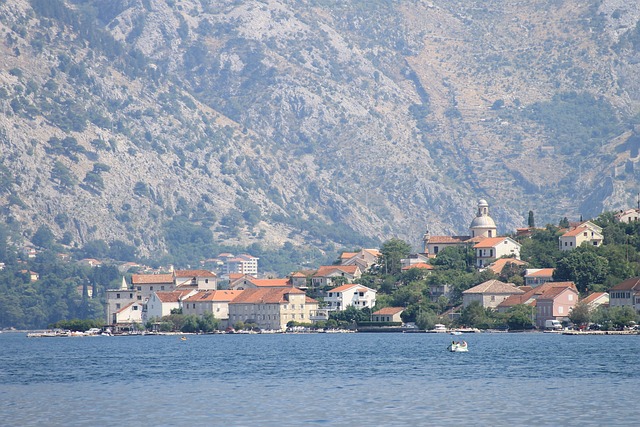
Tivat Sightseeing: Free Views, One Paid Ticket
The most photographed view in Tivat costs nothing: a line of superyachts moored against the limestone wall of Mount Vrmac, taken from a public stone pier anyone can walk onto. Almost everything worth pointing a camera at here works the same way. Only one sight in town actually charges at the door, and it isn’t the one most people expect.
Porto Montenegro: look, don’t have to buy Porto...
read more
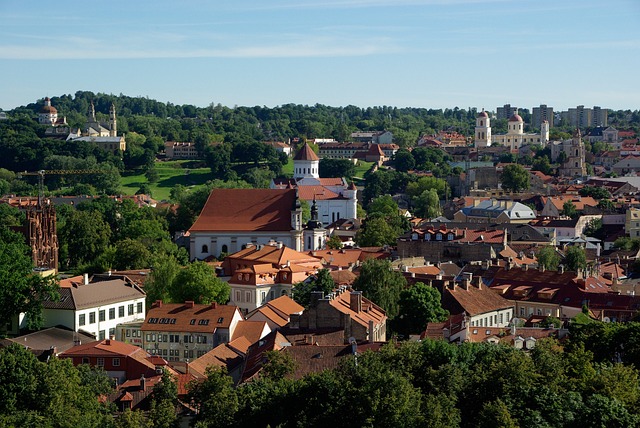
Vilnius for Two: Balloons, Amber and Trakai
Vilnius is one of the few European capitals that lets a hot air balloon drift directly over its own cathedral spires, and that single fact does more for a couple’s itinerary here than any list of restaurants ever could.
A flight over the spires, if the season is right Balloons launch from Vingis Park or the riverside at Valakampiai and climb over the Neris and the Old Town’s church...
read more
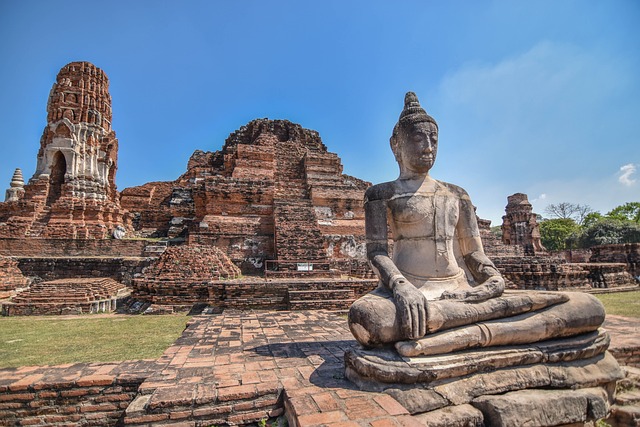
Ayutthaya Sightseeing: Best Views for Less
The best view in Ayutthaya costs 5 THB, and it is the ferry crossing itself, not a temple ticket.
If you are budgeting this trip carefully, start with what is free or nearly free before spending on entry tickets. Walk straight from the train station to the river pier and take the passenger ferry across the Pa Sak River, 5 THB, about two minutes, instead of paying a tuk-tuk to loop around by road.
read more

Taichung Workshops: Costs and Take-Homes
Five workshops, five different price points, and only one of them requires booking five days out. Here’s what each one actually costs and what comes home with you.
The lineup Workshop Location Cost Booking Bubble tea shaking Chun Shui Tang, Dadun (West District) NT$380-400/person 5+ days ahead, min. 2 people Suncake baking Sun Cake Museum, Central District ~NT$250/person Walk-in generally...
read more

Solo in Mongolia: What's Free and What's Not
The best free activity in Ulaanbaatar costs nothing and takes about twenty minutes uphill: the climb to the Zaisan Memorial, a Soviet-Mongolian monument south of the city with a full panorama over the capital at the top. No ticket booth, no MNT to change, just steps. That single fact tells you most of what you need to know about doing this city solo on a budget: the good stuff is walkable, and a...
read more
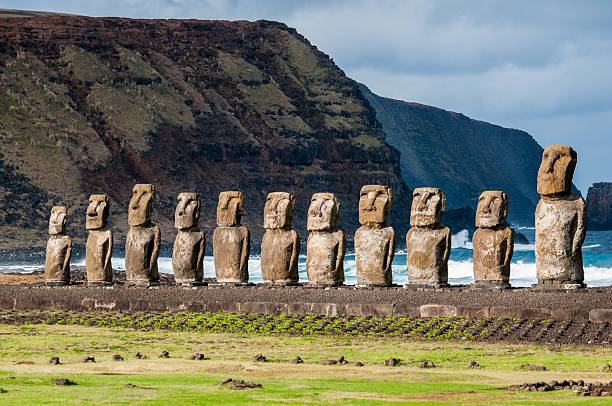
Group Tours Split the $100 Park Fee
Split a private guide’s fee eight ways and the math on Easter Island suddenly looks a lot more reasonable. Group travel here isn’t just more social, it is the single easiest way to bring down the cost of a $100 park ticket and mandatory guide that every visitor pays regardless of group size.
The Full-Day Moai Route, shared Licensed local agencies including Maururu Travel, Mahinatur,...
read more
Malacca Walking Tours: Free Routes, Real Tips
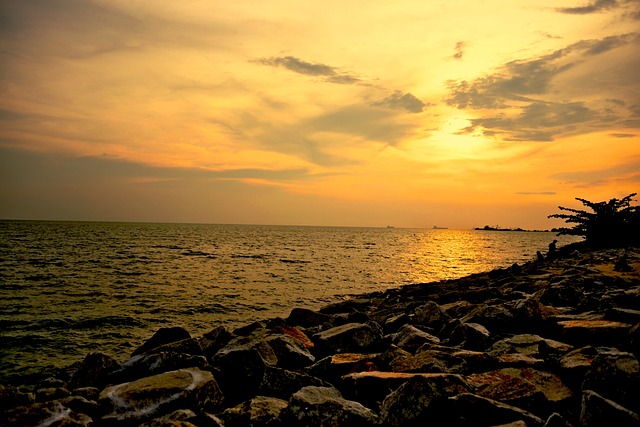
The best sightseeing in Malacca City costs nothing but shoe leather, and that matters if you’re watching a budget.
Four routes, zero entry fee The Colonial Triangle Trail covers the ground everyone photographs: Dutch Square’s Christ Church and Stadthuys, the stone path up to St Paul’s Church ruins, the descent to A Famosa’s gatehouse, and the Independence Memorial. None of...
read more
Group Activities in Taichung on a Budget
Split ten ways, a full day of Taichung group activities can cost less than one round of drinks back home. Here’s where the money actually goes.
Houfeng Bikeway: NT$150-500 for a full day on two wheels The Houfeng Bikeway and connecting Dongfeng Bicycle Green Way run 18km combined on a car-free former rail line through Fengyuan, Houli and Shigang. Rental shops at Houli Station and Fengyuan...
read more

Multi-Day Trips from Hanoi and What to Budget
Multi-Day Trips from Hanoi and What to Budget Hanoi is a transit hub first and a destination second for a lot of Northern Vietnam travel, and knowing which multi-day trip fits your time and budget matters more than picking the prettiest photos online. Here’s what each of the four main options actually involves.
Ha Long Bay or Lan Ha Bay (2 to 3 days) The classic. A roughly 2.5-hour transfer...
read more
Taichung Adventure Tours: What Costs What
Two of Taichung’s best adventure days cost nothing but bus fare and a pair of non-slip gloves. The third will run real money for a guide that’s genuinely needed, not one paid for out of caution.
Free (mostly): Mount Yuanzui’s knife-edge ridge Mount Yuanzui, 2,180m, sits off Dasyueshan Forest Road at the 27K mark, about two hours’ drive from central Taichung. There’s...
read more
Hanoi Attraction Tours: Entry Fees and Hours
Hanoi Attraction Tours: Entry Fees and Hours Before you book anything, check the clock. Hanoi’s biggest attraction, the Ho Chi Minh Mausoleum, only opens mornings, and one wrong assumption about the day of the week can void an entire itinerary. Here’s what each major stop actually costs and when it’s open, so a tour is worth paying for rather than a guess.
The dynastic and...
read more
Hanoi Animal Activities: What's Actually Ethical
Hanoi Animal Activities: What’s Actually Ethical Search “animal activities Hanoi” and you’ll land on two places that show up in every old guidebook: Thu Le Zoo and Le Mat Snake Village. Skip both. This page tells you why, and where the real options are instead, because there genuinely are a couple of them.
What not to do, and why Thu Le Zoo has been repeatedly and...
read more

Budget Date Ideas for Couples in Bishkek
A private yurt dinner at Supara costs more than a night in some Bishkek hotels. The best date on this list costs nothing at all, and it happens on top of a hill fifteen minutes from downtown.
Start free, at Zaisan Hill
Zaisan Hill sits on Bishkek’s southern edge, high enough to put the leafy grid of the city below you with the Kyrgyz Ala-Too range stacked up behind it. Go in the last hour...
read more
Ulaanbaatar Walking Routes That Cost Nothing
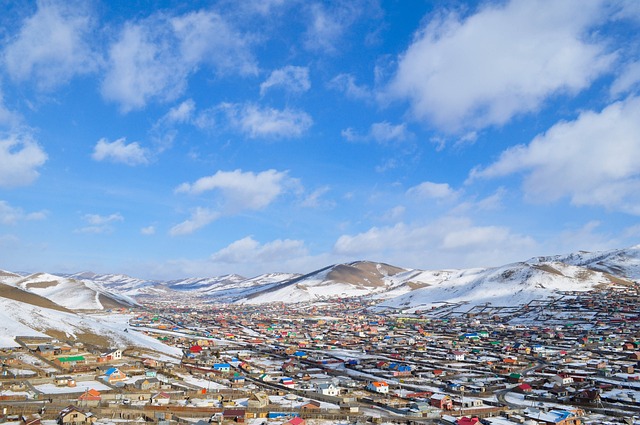
A taxi driver parked outside Sukhbaatar Square will offer a private walking tour for 30,000 MNT or more. The three routes below cover the same ground for the price of a museum ticket, or less.
The Central Heritage Axis (free to walk) Start at Sukhbaatar Square itself, free to enter and dominated by the Government Palace and its bronze statues of Genghis Khan, Ogedei Khan and Kublai Khan, plus the...
read more
Hanoi Activities and What They Really Cost
Hanoi Activities and What They Really Cost Work out the cost of a Hanoi day before you go and the rest of the trip gets a lot easier to plan. This is a walking city where the best things cost almost nothing and the paid attractions are cheap by any Western measure, but a few of them run on their own schedule and will waste your morning if you don’t check first.
read more
Makadi Bay Bus Tours: What Actually Exists
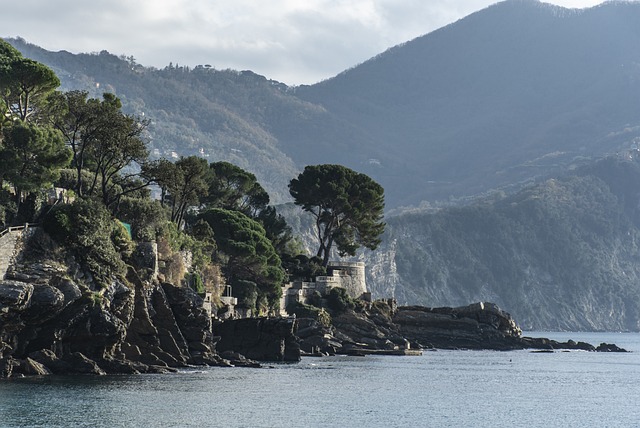
Makadi Bay Bus Tours: What Actually Exists Type “bus tours Makadi Bay” into a search bar and you will land on listings promising a hop-on hop-off loop past old-town landmarks. Skip that search. Makadi Bay is a purpose-built resort strip on the Red Sea coast, not a town with a center to loop around, so there is no open-top sightseeing bus here and never has been.
What actually moves...
read more
Money-Saving Myrtle Beach Travel Tips
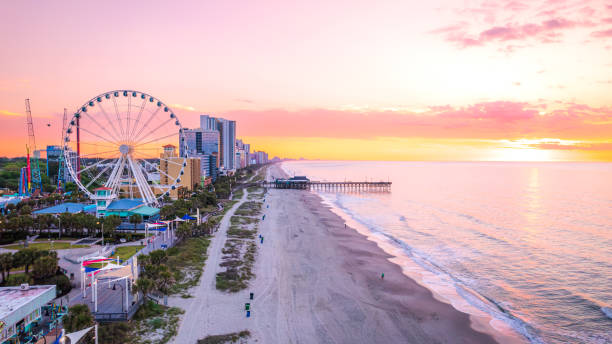
Money-Saving Myrtle Beach Travel Tips None of these nine tips require any special local knowledge, just a bit of planning before you land or drive in. Get them right and you’ll spend less, wait in fewer lines, and avoid the mistakes first-timers make most often.
1. Rent a car, or bring one The Grand Strand runs about 60 miles of car-oriented sprawl, and a car is close to essential. Coast...
read more
Myrtle Beach Stays That Won't Break the Bank
Myrtle Beach Stays That Won’t Break the Bank Oceanfront resort and condo towers dominate the Grand Strand’s skyline, and most of them book either as a straight hotel room or as a vacation-rental condo, the defining duality of staying here. But camping is mainstream on this stretch of coast, not a fringe budget move, and where you land among six distinct areas changes both the price and...
read more
Best Free Photo Spots in Myrtle Beach
Best Free Photo Spots in Myrtle Beach None of these eight spots require a big attraction ticket to photograph well. Most cost nothing beyond the drive to get there, and the two that do charge admission (Brookgreen Gardens and Huntington Beach State Park) top out at $25, with the payoff worth the price for anyone who takes photos seriously.
The Boardwalk at sunrise (free) The 1.2-mile Boardwalk, a...
read more
Free Hiking Trails Near Myrtle Beach
Free Hiking Trails Near Myrtle Beach Myrtle Beach isn’t a hiking destination the way the mountains are, but the trip doesn’t have to be all sand either. Three separate spots hold real trail networks, and none of them cost more than a state park admission or a garden ticket, all a short, car-only drive from wherever you’re staying on the Strand.
Myrtle Beach State Park (~$5) Right...
read more
Myrtle Beach Hidden Gems on a Budget
Myrtle Beach Hidden Gems on a Budget Most first-time visitors never leave the SkyWheel-to-Broadway corridor, which means eight genuinely good, mostly free spots stay quiet even in the middle of peak season. None of these need a big ticket price to enjoy, and a couple of them cost nothing at all.
Apache Pier (free to walk) While the SkyWheel line stretches around the block, Apache Pier stays...
read more
Myrtle Beach Eats That Won't Break the Bank
Myrtle Beach Eats That Won’t Break the Bank The number that actually decides your food budget here isn’t the menu, it’s the tax: a meal inside Myrtle Beach city limits carries roughly an 11.5% combined state, local, and hospitality tax (about 10.5% in unincorporated Horry County), so build it into what you’re willing to spend before the check arrives. Beyond that, the...
read more
Myrtle Beach Things to Do on a Budget
Myrtle Beach Things to Do on a Budget Myrtle Beach genuinely fills a long weekend to a full week, but it’s a beach vacation, not a sightseeing march - treat the beach and pool as the daily spine and layer on one paid attraction at most per day. These 12 things to do run from completely free to a real splurge, ranked here roughly by cost, so you can decide up front which ones earn a spot on...
read more
Where to Stay in Melbourne as a Day-Trip Base
Heads up: some links here are affiliate links. Book or buy through them and we may earn a small commission at no extra cost to you. We only point you to things we would actually use.
Picking a base, not just a hotel Using Melbourne as a base changes what matters when you pick where to stay. Nightlife and neighbourhood character are still worth weighing, but proximity to Southern Cross Station and...
read more
Melbourne Base: Hiking on Your Day Trips Out
Heads up: some links here are affiliate links. Book or buy through them and we may earn a small commission at no extra cost to you. We only point you to things we would actually use.
Melbourne itself isn’t a hiking city The city core doesn’t have much walking terrain beyond the Royal Botanic Gardens and the riverside path along the Yarra, and that’s fine, because the actual...
read more
Myrtle Beach Day Trips on a Budget
Myrtle Beach Day Trips on a Budget Every one of these trips is a drive, not a train ride or a ferry - the Grand Strand has no rail link out, so a car (yours or a rental) is the only way off it. That’s fine, because the real cost of most of these six is gas, not tickets: three of them cost nothing beyond parking and a meal, and only one has a paid entry fee attached.
read more
Melbourne Base: 5 Day Trips Past the Big 3
Beyond the big three day trips Most first-time visitors using Melbourne as a base only get to three day trips: the Great Ocean Road, the Yarra Valley and Phillip Island. They’re the right places to start, but Victoria’s day-trip radius goes further, and a few of the less-obvious options are genuinely worth the detour if you have the days to spare.
Werribee Open Range Zoo At around 30...
read more
Melbourne 2026 Events: Base Your Day Trips Right
Heads up: some links here are affiliate links. Book or buy through them and we may earn a small commission at no extra cost to you. We only point you to things we would actually use.
Melbourne’s 2026 calendar, as it affects your base plans Melbourne’s biggest annual dates don’t just push up city hotel rates, they also affect the rental cars and tours you’ll need for the...
read more
Melbourne Eats: City Bites to Yarra Valley Wine
Heads up: some links here are affiliate links. Book or buy through them and we may earn a small commission at no extra cost to you. We only point you to things we would actually use.
Eating Melbourne as a base: city days, then day-trip food Used as a base, Melbourne’s food splits into two budgets: cheap, fast city meals for your two core days, and a different kind of spending once...
read more
Melbourne Things to Do: Free City, Paid Trips
Heads up: some links here are affiliate links. Book or buy through them and we may earn a small commission at no extra cost to you. We only point you to things we would actually use.
Melbourne as a base: what to actually do Used as a base, Melbourne splits neatly into two kinds of things to do: a city core that’s almost entirely free, and a handful of Victoria day trips that cost real money...
read more
Melbourne Travel Tips: Free Trams and ETA Basics
Heads up: some links here are affiliate links. Book or buy through them and we may earn a small commission at no extra cost to you. We only point you to things we would actually use.
Melbourne’s travel tips differ from the average big-city list in two ways: entry requires an online visa no matter your passport, and the free public transport zone that covers the CBD doesn’t extend to...
read more
Melbourne Photo Spots: 9 Free Budget Picks
Heads up: some links here are affiliate links. Book or buy through them and we may earn a small commission at no extra cost to you. We only point you to things we would actually use.
Where to take photos in Melbourne for free Nine spots cover most of what makes Melbourne photograph well: street art, Victorian arcades, water, and a skyline view that doesn’t need an admission fee. None of...
read more
Melbourne Festivals and Events 2026: Key Dates
Heads up: some links here are affiliate links. Book or buy through them and we may earn a small commission at no extra cost to you. We only point you to things we would actually use.
Melbourne’s 2026 calendar, and what each date actually costs Melbourne’s biggest annual dates lean sporting rather than cultural: the Australian Open, the F1 Australian Grand Prix, an entire AFL season...
read more
Melbourne Eats on a Budget: Where to Get a Meal
Where to eat in Melbourne without overpaying Melbourne’s food scene runs from $2 dim sims in Chinatown to $150-a-head tasting menus in the CBD, and the gap between them is mostly location and occasion, not quality. Here’s where the good, reasonably priced food actually is.
Chinatown: the oldest in the Western world, and still the cheapest yum cha Little Bourke Street’s Chinatown...
read more
Melbourne on the Cheap: 10 Free Things to Do
Heads up: some links here are affiliate links. Book or buy through them and we may earn a small commission at no extra cost to you. We only point you to things we would actually use.
10 free (or nearly free) things to do in Melbourne Melbourne’s best sights lean free rather than ticketed: both NGV buildings, ACMI, the State Library’s reading room, the Royal Botanic Gardens and even the...
read more
Top Odense Sights and Museums
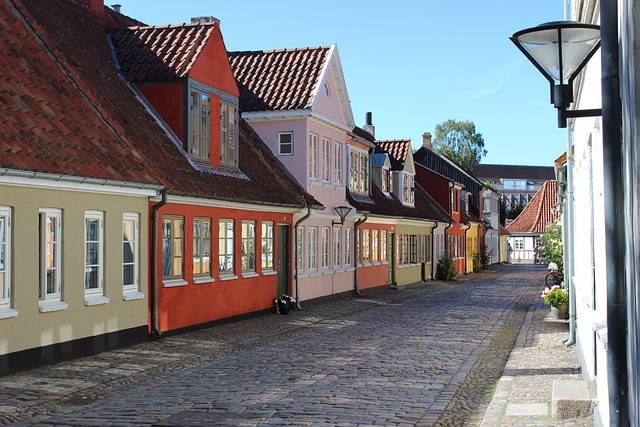
Top Odense Sights and Museums Odense, the birthplace of Hans Christian Andersen, keeps its main sights in a compact, walkable old town on the island of Funen. That makes it an easy place to see a lot on foot in a day or two. Entry prices are in Danish kroner (DKK), not euro.
Hans Christian Andersen H.C. Andersens Hus is the headline sight: a largely underground museum by the architect Kengo Kuma,...
read more
Odense for Couples
Odense for Couples Odense is charming and low-key, which is exactly what makes it work for couples. The pull is the storybook old town, gentle walks by the river and good food rather than a resort or spa scene, so plan a slow day or two. Prices are in Danish kroner (DKK), not euro.
Walks by the river Ease in with a stroll. Munke Mose and the Eventyrhaven (Fairytale Garden) beside the H.
read more

Nairobi in 7 Days on a Budget (Daily Costs)
Heads up: some links here are affiliate links. Book or buy through them and we may earn a small commission at no extra cost to you. We only point you to things we would actually use.
Safety note: Nairobi has a real crime problem worth taking seriously, mugging, carjacking, and smash-and-grab theft at traffic lights are genuine risks (the old “Nairobbery” nickname is fair, not ancient...
read more

Dresden in 7 Days on a Budget (Daily Costs)
Heads up: some links here are affiliate links. Book or buy through them and we may earn a small commission at no extra cost to you. We only point you to things we would actually use.
7 days runs the Baroque core, three day trips, and a flex day Days 1-6 here run the same plan as the 6-day itinerary : the Altstadt, the Residenzschloss and Neustadt, the Albertinum and the Elbe, Saxon Switzerland,...
read more
Nairobi in 6 Days on a Budget (Daily Costs)
Heads up: some links here are affiliate links. Book or buy through them and we may earn a small commission at no extra cost to you. We only point you to things we would actually use.
Safety note: Nairobi has a real crime problem worth taking seriously, mugging, carjacking, and smash-and-grab theft at traffic lights are genuine risks (the old “Nairobbery” nickname is fair, not ancient...
read more

Wroclaw in 7 Days on a Budget (Daily Costs)
A full week in Wroclaw, closing on the cheapest day of the trip Days 1-4 here are the exact plan in the 4-day itinerary : the Rynek and the dwarf hunt, Ostrów Tumski and Centennial Hall, a Książ Castle plus Świdnica day trip, and a Karkonosze mountain day via Karpacz. Day 5 adds a third day trip to the Table Mountains, Day 6 is a slower museum-and-university day, and Day 7 is a deliberately...
read more
6 Budget Days: Surabaya, Bromo & Ijen
Heads up: some links here are affiliate links. Book or buy through them and we may earn a small commission at no extra cost to you. We only point you to things we would actually use.
6 days: the full Surabaya-Bromo-Ijen-Malang run Six days covers Surabaya’s Heroes history and Old Town, a full Bromo-Ijen volcano circuit, and a cooler day in Malang and Batu on the way back, the fullest version...
read more
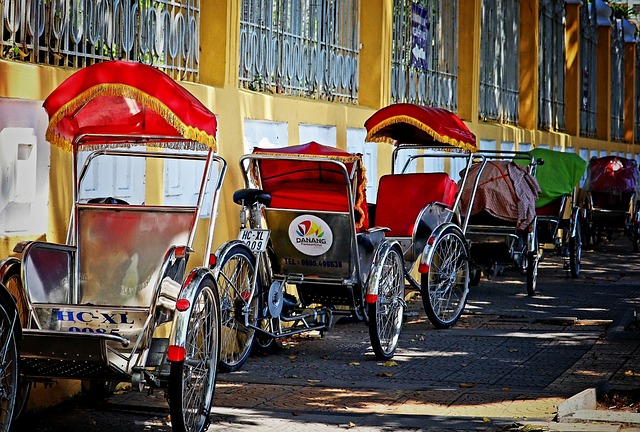
Da Nang in 7 Days on a Budget (Daily Costs)
Heads up: some links here are affiliate links. Book or buy through them and we may earn a small commission at no extra cost to you. We only point you to things we would actually use.
A full week in Da Nang, closing on the cheapest day of the trip Days 1-6 here are the exact plan in the 6-day itinerary : My Khe Beach and the Marble Mountains, Son Tra and the Cham Museum, Ba Na Hills, Hoi An, My Son...
read more
Dresden in 6 Days on a Budget (Daily Costs)
Heads up: some links here are affiliate links. Book or buy through them and we may earn a small commission at no extra cost to you. We only point you to things we would actually use.
6 days runs the Baroque core plus three day trips Days 1-4 here run the same plan as the 4-day itinerary : the Altstadt, the Residenzschloss and Neustadt, the Albertinum and the Elbe, then Saxon Switzerland.
read more
Nairobi in 5 Days on a Budget (Daily Costs)
Heads up: some links here are affiliate links. Book or buy through them and we may earn a small commission at no extra cost to you. We only point you to things we would actually use.
Safety note: Nairobi has a real crime problem worth taking seriously, mugging, carjacking, and smash-and-grab theft at traffic lights are genuine risks (the old “Nairobbery” nickname is fair, not ancient...
read more
Wroclaw in 5 Days on a Budget (Daily Costs)
Wroclaw in 5 days: the core, two day trips, and a slow finish Days 1-4 here are the exact plan in the 4-day itinerary : the Rynek and the dwarf hunt, Ostrów Tumski and Centennial Hall, a Książ Castle plus Świdnica day trip, and a Karkonosze mountain day via Karpacz. Day 5 is a deliberately slower city day: the National Museum, Hydropolis, and the University’s historic hall. If 5 days is more...
read more
Da Nang in 6 Days on a Budget (Daily Costs)
Heads up: some links here are affiliate links. Book or buy through them and we may earn a small commission at no extra cost to you. We only point you to things we would actually use.
6 days turns Da Nang into a proper Central Vietnam loop Days 1-4 here are the exact plan in the 4-day itinerary : My Khe Beach and the Marble Mountains, Son Tra and the Cham Museum, Ba Na Hills, then Hoi An.
read more
Dresden in 4 Days on a Budget (Daily Costs)
Heads up: some links here are affiliate links. Book or buy through them and we may earn a small commission at no extra cost to you. We only point you to things we would actually use.
4 days covers the Baroque core plus Dresden’s best free day trip Days 1 and 2 here run the same plan as the 2-day itinerary : the Altstadt’s Zwinger, Frauenkirche, and Brühl’s Terrace, then the...
read more