Recent Tr4vel
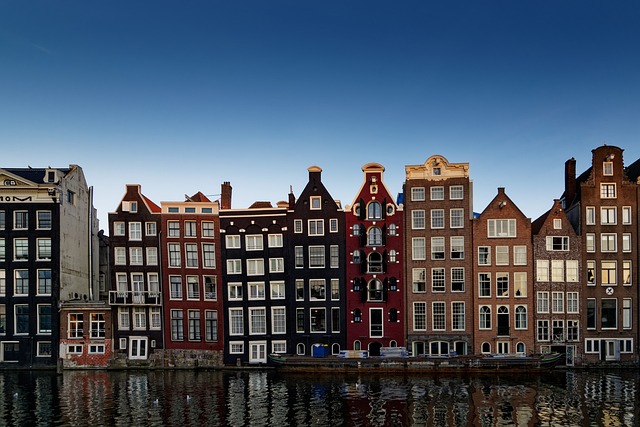
Amsterdam's Two Sold-Out-First Museums
Two of Amsterdam’s biggest sights sell every seat online and none at the door, and mixing up the release schedule is how a trip plan falls apart before it starts. Get these two booked first, before anything else on a first Amsterdam visit.
Anne Frank House: one release day, no door sales, ever Tickets go live only at annefrank.org, only on Tuesdays at 10:00 CEST, for the exact date six weeks...
read more
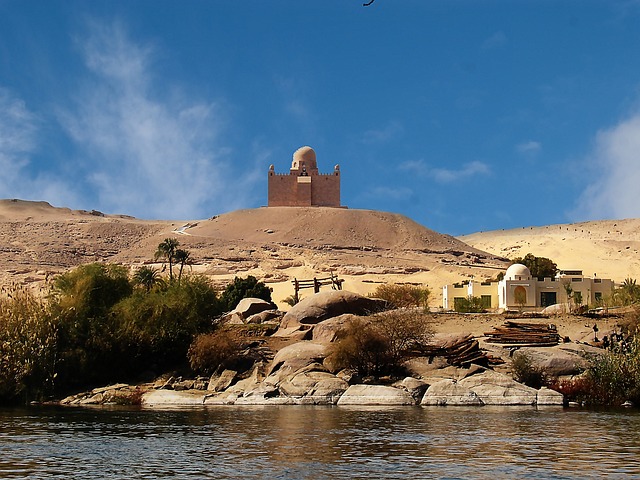
Animal Activities in Aswan: What Actually Works
Ask ten Aswan guesthouses what to do with animals here and most will name the same two things: a camel trek to St. Simeon Monastery, and, if you push, the caged crocodiles some Nubian village cafes keep for photos. Only one of those is worth your money.
The camel trek to St. Simeon actually works The genuine version starts at the West Bank boat dock below the Tombs of the Nobles, or the Aga Khan...
read more
Eilat Adventure Sports: Diving, Wind, Desert
Get Your Adrenaline Pumping: Adventure Sports in Eilat The “Satil” (INS Sufa) rests upright between 18 and 24 meters of Red Sea water, a 45-meter Israeli Navy missile boat scuttled in 1994 and now furred with soft coral, lionfish, and glassfish swarms. It is the single most talked-about dive in Eilat, and it sets the tone for the city: this is a place built around the water, the...
read more
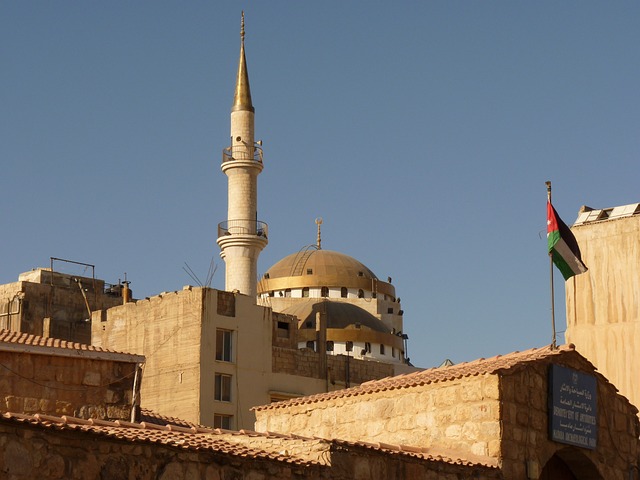
Madaba Bus Tours: What Actually Exists
Heads up: some links here are affiliate links. Book or buy through them and we may earn a small commission at no extra cost to you. We only point you to things we would actually use.
Search “Madaba bus tour” and you get plenty of hits. Almost none of them mean what that phrase means in Rome or Bangkok, so it is worth being clear about what actually runs before you plan a day around it.
read more
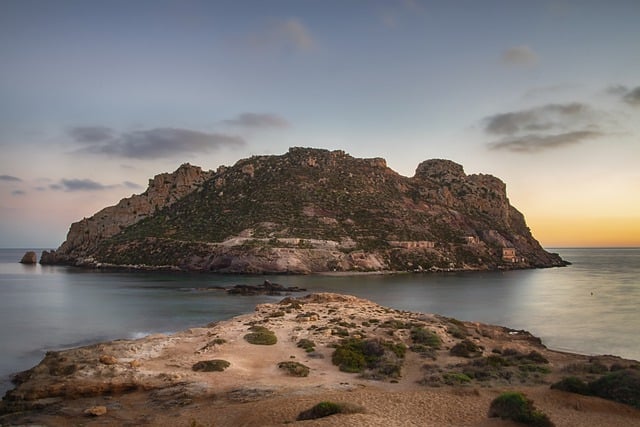
Mamanuca Wildlife: Iguanas, Turtles, Sharks
The animal most snorkelers actually meet in the Mamanucas is not a shark or a dolphin. It is a giant clam wedged into the reef shelf, its mantle flashing electric blue, with a green turtle grazing on sea grass a few meters further out. Real wildlife encounters here run on Fiji’s terms, not a brochure’s.
Fijian crested iguana conservation on Malolo The Fijian crested iguana...
read more
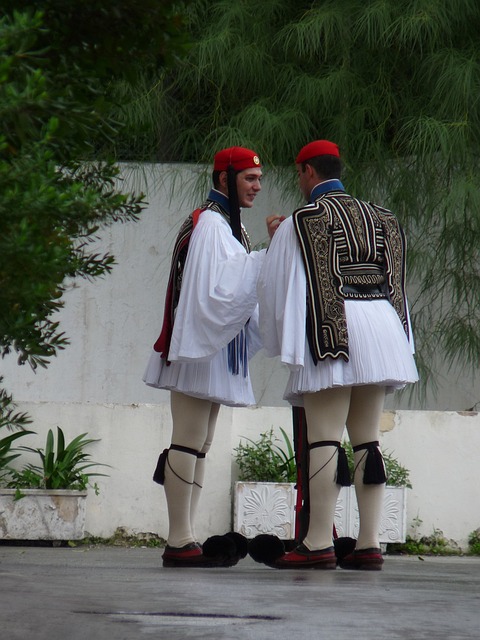
Nadi Sightseeing: Temple, Market, Sleeping Giant
A wooden sword carver on Nadi Town’s Main Street will ask your name before you’ve said hello, and he’s already carving it into the handle by the time you answer. Half of good sightseeing in Nadi is knowing which street theater to smile past and which stops actually earn the detour.
The half-day loop through Nadi town Start at the southern end of Main Street at Sri Siva...
read more
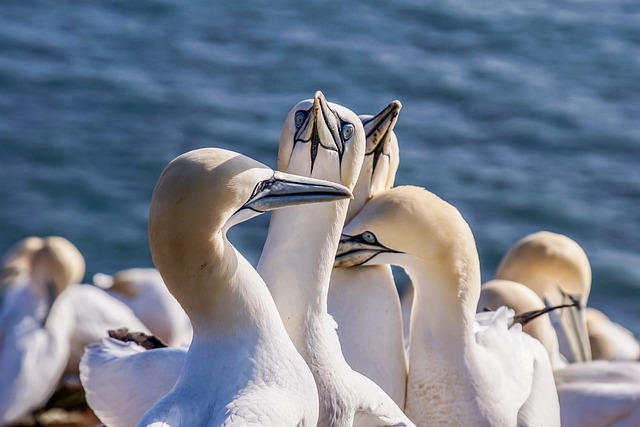
Romantic Getaways at Mole National Park, Ghana
A wild bull elephant wading into the pool thirty meters below your lounger is the kind of romantic moment nobody plans for on a beach honeymoon, and it is exactly what a couple gets by choosing Ghana’s savannah north over the coast.
Zaina Lodge: the splurge worth booking West Africa’s first luxury eco-safari lodge sits on a low ridge inside Mole National Park, its tented chalets built...
read more

Solo Ban Xang Hai: A Half-Day on the Mekong
Buy a shared-boat ticket at the Luang Prabang pier near Wat Xieng Thong, and by the time the longtail reaches the muddy landing at Ban Xang Hai an hour and a half upstream, everyone else aboard will already feel like a travel companion rather than a stranger. That mix of forced sociability and total freedom once you step onto the bank is the actual case for doing this village alone.
read more
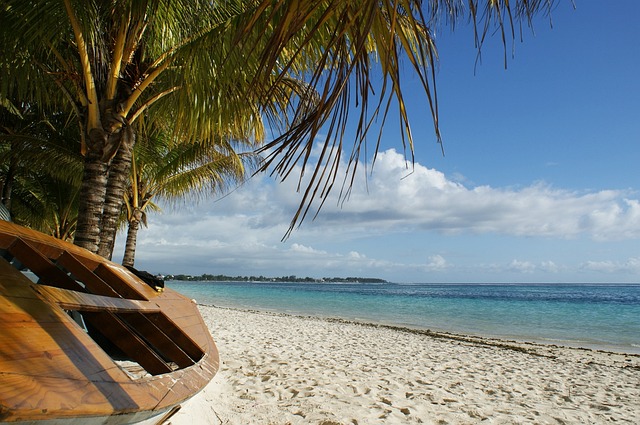
The Honest Guide to Bus Tours in Mauritius
Search “Mauritius bus tour” and you will not find an open-top double-decker circling Port Louis on a fixed loop with recorded commentary. It does not exist here. What does exist is a real, working public transport network and a separate, more useful product that tourists end up booking instead once they understand the island’s layout.
Why there is no hop-on hop-off bus Mauritius...
read more
Theth Activities: What the Valley Offers
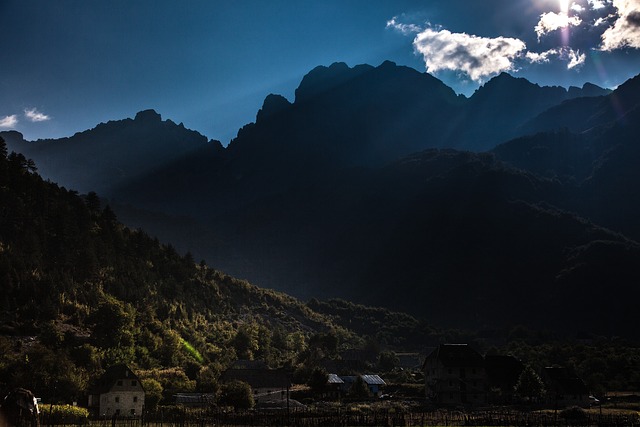
Half the confusion about Theth starts before you even arrive: older write-ups still insist you need a 4x4 to get in. National route SH21 was fully paved in late 2021, and a standard rental car can reach the village center from June through October. What those same write-ups don’t say is that paved isn’t the same as relaxed: the final 12 km down from Qafa e Thorës has 27 hairpin turns,...
read more

What Adventure Tours Really Look Like in Saigon
Ho Chi Minh City sits on a flat alluvial delta with no mountains, no climbing crags, and no whitewater. Anyone selling you a canyoning trip or an alpine descent here is describing a different province, not this one.
Why “adventure” means something different here The Mekong Delta plain that Saigon sits on is as close to sea level as land gets. That is not a complaint; it just resets...
read more

Amman Date Night: Hammam, Wine, and Knafeh
Heads up: some links here are affiliate links. Book or buy through them and we may earn a small commission at no extra cost to you. We only point you to things we would actually use.
The best date night in Amman costs 3 JOD and needs no reservation: stand among the fallen Corinthian columns of the Temple of Hercules on Jabal al-Qal’a as the evening call to prayer rolls across the valley from...
read more

Auckland Outdoors: Trails, Surf and Sea Kayaking
A hiker at a Waitākere Ranges trailhead scrubs both boot soles at a pedal-operated cleaning station before setting a single foot on the track, then repeats it on the way out. Nobody is watching to enforce it, but rangers have closed whole tracks over exactly this kind of risk, so the habit sticks.
Waitākere Ranges: rainforest trails under a hygiene rule The Waitākere Ranges sit about 45 minutes...
read more
Bangkok Activities Beyond the Temple Circuit
Heads up: some links here are affiliate links. Book or buy through them and we may earn a small commission at no extra cost to you. We only point you to things we would actually use.
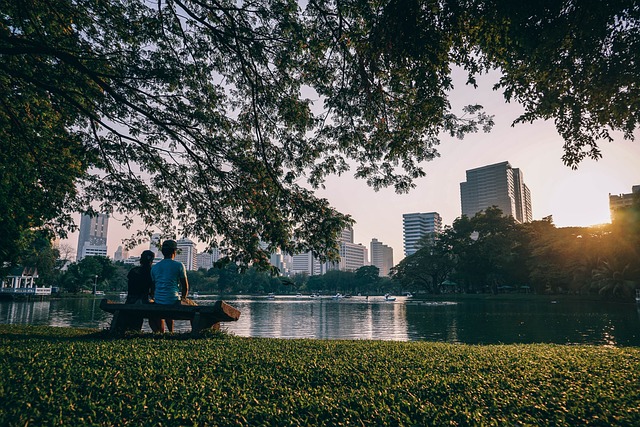
Two rings, two crowds, two completely different nights out: Rajadamnern and Lumpinee are not the same Muay Thai stadium under different names, and using one venue’s fight schedule or prices for the other is the...
read more
Chiang Mai Elephant Ethics: A Traveler's Guide
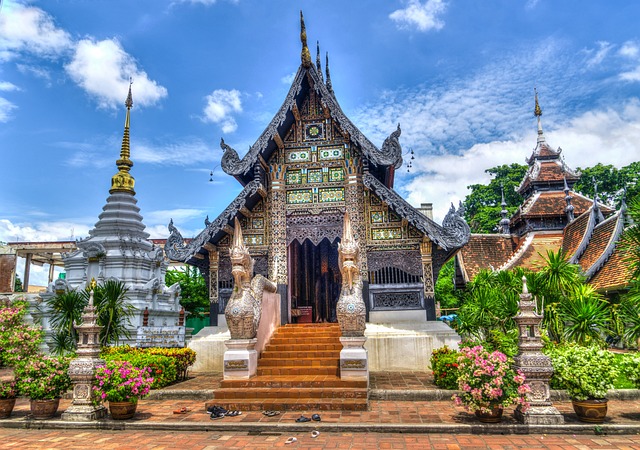
Every red songthaew heading north out of the city this morning is carrying tourists toward an “elephant sanctuary.” Some of those camps still let visitors climb on an elephant’s back or scrub one down in a river with forty strangers and their phones. The word alone tells you nothing. What matters is whether the elephants can walk away from the visitors, not the reverse.
The...
read more
Gothenburg Workshops: What You Can Actually Book
Heads up: some links here are affiliate links. Book or buy through them and we may earn a small commission at no extra cost to you. We only point you to things we would actually use.
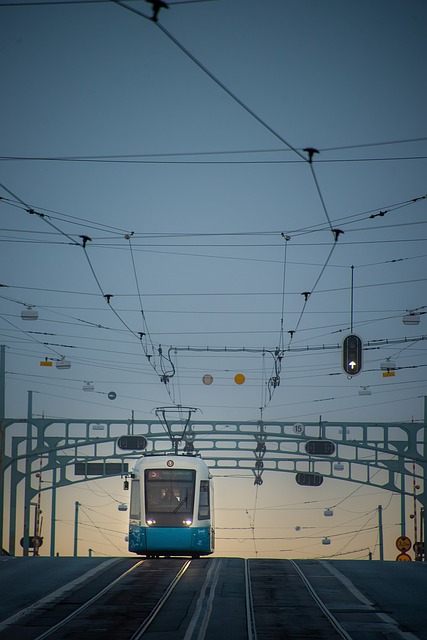
Search “Gothenburg workshops” and the results skew toward glassblowing studios, pottery ateliers, and woodworking classes that sound ideal for a short city break. Almost none of them are actually set up...
read more

Group Activities in Umm Qais: Feasts and Hikes
Heads up: some links here are affiliate links. Book or buy through them and we may earn a small commission at no extra cost to you. We only point you to things we would actually use.
Twelve people crowd around a low cushioned table in a village home, passing a knife through a Makmoura the size of a car tire while the host, Galsoum Al-Sayyah, explains why the pastry is layered rather than rolled...
read more

Osh Bus Tours: What the Marshrutkas Actually Cover
Save your money: there is no tourist bus in Osh If you came looking for a hop-on-hop-off sightseeing bus, stop looking. Osh has no open-top double-decker, no commentary headset, no tourist loop. What Osh has instead is cheaper, more useful, and worth understanding before you arrive: a dense marshrutka network, shared taxis, and small-group minivan excursions that cover the same ground for a...
read more
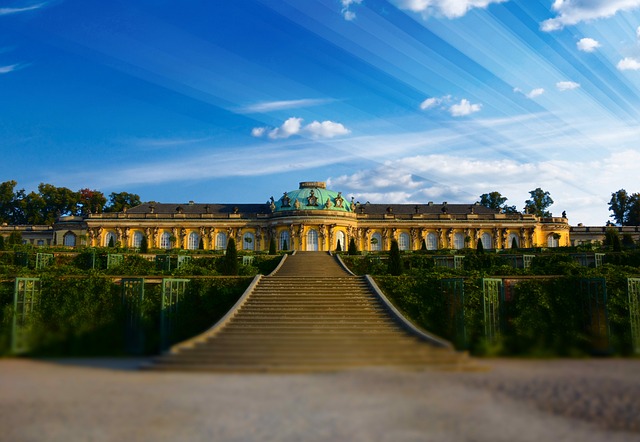
Potsdam With Kids: Palaces, Jungle and a Slide
A model volcano erupts on schedule inside a former airship hangar on the edge of Potsdam, and the row of eight-year-olds watching isn’t scared, they queued twenty minutes for exactly this. That’s the Volcano Arena stunt show at Filmpark Babelsberg, and it sits inside a working film lot that has been in continuous use since 1912.
Filmpark Babelsberg The park mixes an actual studio...
read more
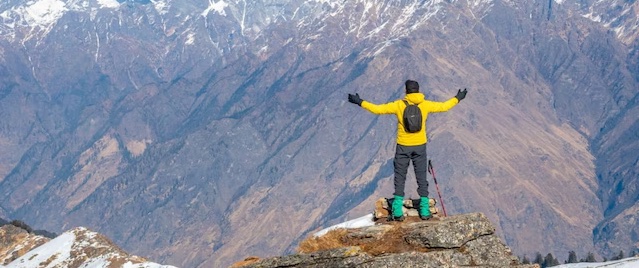
Providenciales Wildlife: Wild, Not Captive
A dolphin that has patrolled the same stretch of water off Grace Bay since around 1980 is Providenciales’ closest thing to a mascot, and by law he is better protected than almost anything else on the island. That single fact sets the tone for every other animal encounter here: this is a wild-and-charity island, not a marine park.
JoJo isn’t a tour you book JoJo is a wild Atlantic...
read more
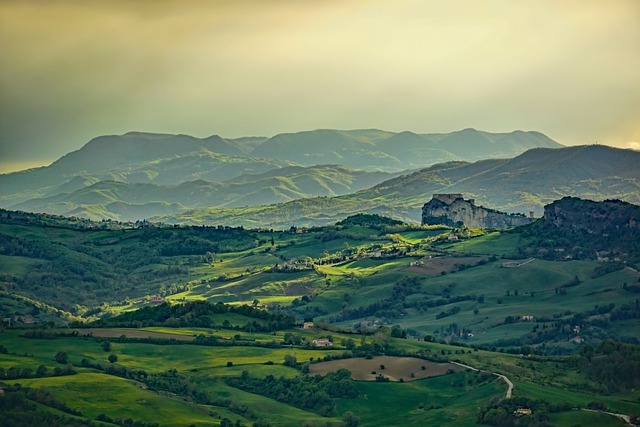
San Marino Outdoor Activities: Real Trails
Heads up: some links here are affiliate links. Book or buy through them and we may earn a small commission at no extra cost to you. We only point you to things we would actually use.
Most day-trippers never get past the souvenir shops of Contrada del Collegio, which is exactly why the trails around Mount Titano stay quiet even in August. San Marino is 61 square kilometres of limestone ridge, not a...
read more

Bali Activities Guide: Spa, Surf, Swing
Heads up: some links here are affiliate links. Book or buy through them and we may earn a small commission at no extra cost to you. We only point you to things we would actually use.
A first-lesson surfer who books a Uluwatu package is going to have a bad morning: Bali’s most photographed reef break is advanced terrain, not a beginner class, and knowing which coastline matches which skill...
read more
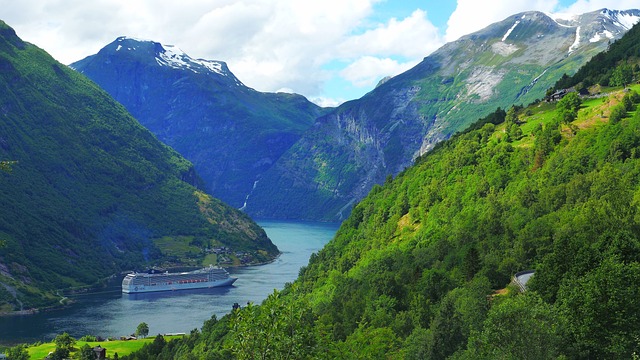
Geiranger Day Trips: What's Worth the Detour
Nobody staying in Geiranger for more than a night needs to be told to leave it: the village itself takes an afternoon, and the real reason to base here is what sits within two or three hours in every direction. The catch is timing. Every mountain pass around Geiranger runs on a summer clock, and a day trip planned against a June itinerary found online will not happen in January.
read more

Riga Outdoor Activities: Bogs, Parks and Coast
Most “outdoor Riga” roundups send you to one city park and call it done. The real outdoor case for Riga works at three distances: inside the city, a short train ride out, and a proper day trip, and each one earns its place for a different reason.
Start close. The city canal (Pilsētas kanāls) loops through the center for 3.2 kilometers, and paddling it puts you at water level under the...
read more

London Activities Beyond the Museums
Skip the landmark checklist for one afternoon and London still has plenty to do that has nothing to do with a queue or an admission desk.
A Thames RIB Experience speedboat is the fastest way to feel the river rather than just look at it: a twelve-seat rigid inflatable hits up to 35mph past Tower Bridge and the O2, with adult tickets (14 and over) from £37 and a private charter from £399 if you...
read more

Adventure Day Trips from Santo Domingo
None of Santo Domingo’s real adventure trips start inside Santo Domingo. Every one of them is a departure, by road, into the surrounding countryside, and the honest first step is knowing which ones are worth a full day and which ones need two.
Los Haitises National Park The closest genuine wilderness trip, roughly 2.5 hours north via the Autopista Juan Pablo II to Sabana de la Mar....
read more
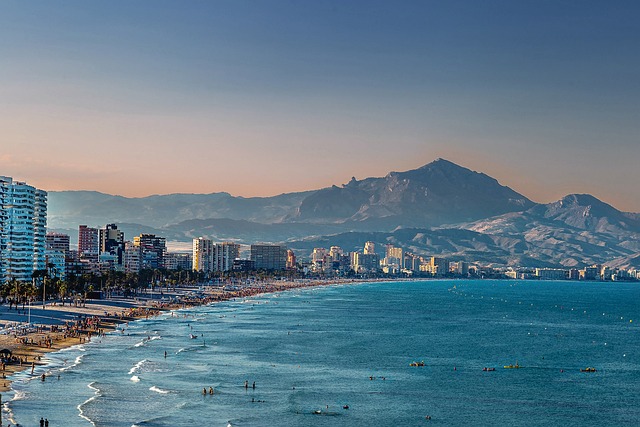
Alicante Bus Tours: Turibus Routes and Fares
An open-top double-decker idles by Plaza Puerta del Mar every hour on the hour, and it is the fastest way to see how the whole city fits together before you start walking it.
The Turibús loop Alicante’s hop-on hop-off service, branded Turibús, is run by the municipal transit operator Vectalia in partnership with Alicante City & Beach. It follows a fixed one-hour circuit past 12 stops,...
read more
Amsterdam Tastings: Genever and Beer
A cocktail tasting and a beer tour sound like the same kind of afternoon, but they sit on opposite sides of the Museumplein and neither one is a walking tour with a guide attached. Both reward booking ahead rather than showing up and hoping for a slot.
House of Bols: two cocktails included, no guide needed The Cocktail & Genever Experience is self-guided: a route through the Hall of Taste, the...
read more

Dubai Activities: The Real Price Ladders
Heads up: some links here are affiliate links. Book or buy through them and we may earn a small commission at no extra cost to you. We only point you to things we would actually use.
Travel advisory: Dubai and the wider UAE were caught up in the 2026 regional conflict with Iran. During a roughly six-week phase in early 2026, Iranian drones and missiles struck sites in the UAE, including near...
read more
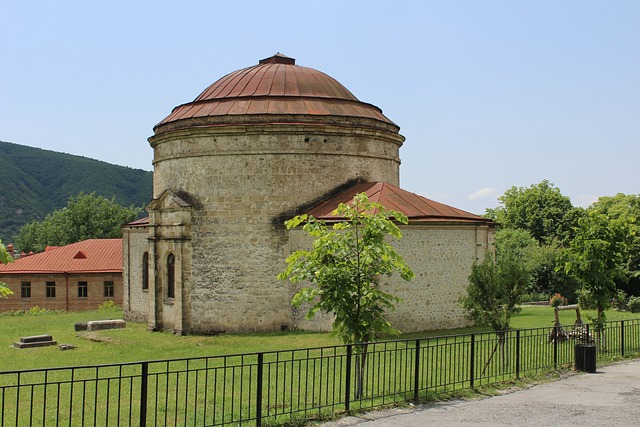
Guided Attraction Tours Through Historic Sheki
The guard at Sheki Khan’s Palace will stop you at the door for one thing most visitors do not expect: the camera around your neck, not the ticket in your hand.
Sort the paperwork before you sort the itinerary Most Western, EU and many other passport holders can apply for Azerbaijan’s e-visa online at evisa.gov.az, tied to the exact passport used in the application, with standard...
read more

Hong Kong Romantic Getaways on a Budget
The most photographed romantic view in Hong Kong is completely free, and most couples never find it because they stop at the crowded paid platform one level below.
Lugard Road: the free upgrade to the Peak Everyone rides the Peak Tram to the viewing decks at Peak Tower, pays the entry fee, and jostles for a spot at the rail. A better move costs nothing: from the upper tram terminus, walk 20...
read more
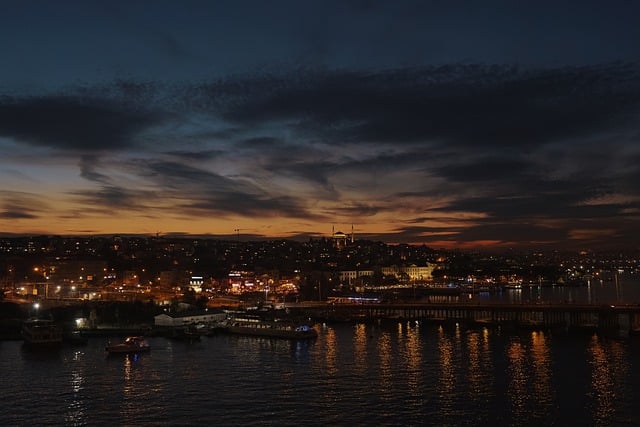
Istanbul Hands-On Traditions: Hammams to Sema
A steam room in a 300-year-old marble hall and a Sufi ceremony that some venues stage for a crowd and one venue still holds as an actual religious rite: Istanbul’s hands-on activities split cleanly into the genuine and the performed, and knowing which is which changes what you should book.
The hammam circuit: three historic baths, not interchangeable Cagaloglu Hamami opened in 1741 and still...
read more

Lisbon's Ticketed Monuments and the Lisboa Card
Two queues form outside Belem Tower most mornings: one for travelers who booked a timed online slot and walk straight past the rope, and one for everyone who didn’t, some of whom get turned away once the tower hits its daily cap of roughly 900 visitors. That cap, not the tower’s small footprint, is what actually decides whether you get in.
Jeronimos Monastery and Belem Tower These are...
read more
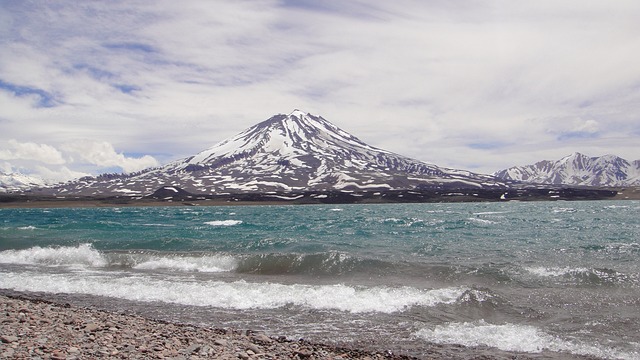
Mendoza Multi-Day Trips: Andes, Wine, Canyons
A coach leaves Mendoza’s Terminal del Sol before sunrise, climbs the Cristo Redentor tunnel by mid-morning, and drops you in Santiago in time for a late dinner. That single overland crossing is the most famous multi-day option out of Mendoza, but it is far from the only one, and the city’s real strength for longer stays is how many genuinely different trips fan out from it once you...
read more
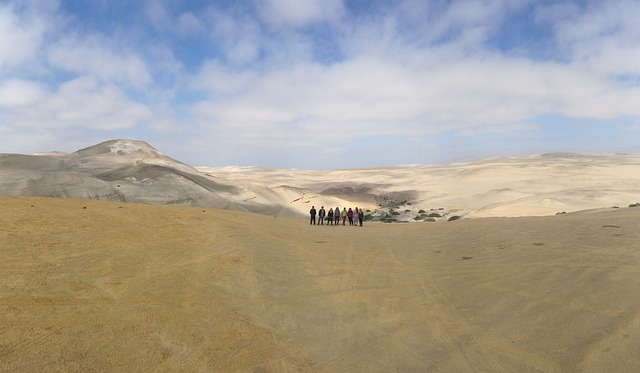
Multi-Day Trips from Ica, Peru
Heads up: some links here are affiliate links. Book or buy through them and we may earn a small commission at no extra cost to you. We only point you to things we would actually use.
There is no train from Lima to Ica, and no scheduled commercial flight lands there either; every multi-day route through this desert runs on the Panamericana Sur by coach or private van. Once that’s settled, Ica...
read more
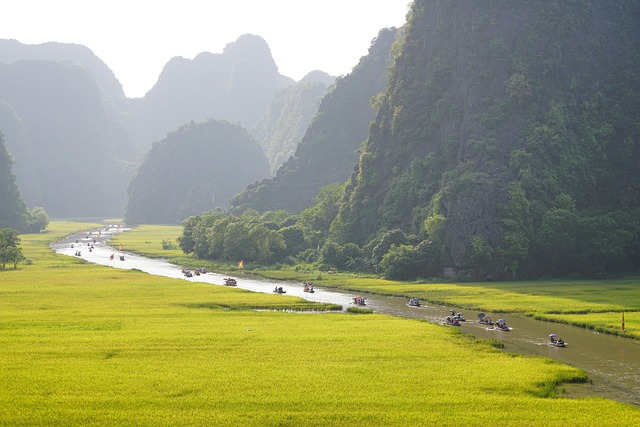
Ninh Binh Outdoor Activities: Steps, Water, Karst
Your legs will know Ninh Binh by the second day: flat river paths in the morning, then 500 stone steps in the afternoon sun. The province rewards people who show up ready to move, and it punishes anyone who treats it as a scenic drive-through.
The 500 steps everyone talks about Hang Mua, usually translated as Mua Cave though the cave itself is a footnote, is really about the climb. Around 486 to...
read more

NYC Activities: Broadway Tickets, Decoded
A TKTS line snaking around Duffy Square looks like the one way into a cheap Broadway seat. It is one of three, and it is not automatically the best one for tonight’s specific show.
Three ways to a cheaper Broadway ticket TKTS booths (Duffy Square, Lincoln Center, and South Street Seaport) sell that day’s unsold inventory at 20-50% off face value, plus an $8-per-ticket service charge....
read more

Rome Activities Beyond the Checklist
Two thousand years after the arena went quiet, you can still learn to fight the way the men who filled it did. Rome’s real activities are the ones that put something in your hands, not just in front of your eyes: a wooden gladius, a ball of fresh pasta dough, a stadium locker room door.
Fight like a gladiator Scuola Gladiatori Roma, run by the Gruppo Storico Romano re-enactment group near...
read more
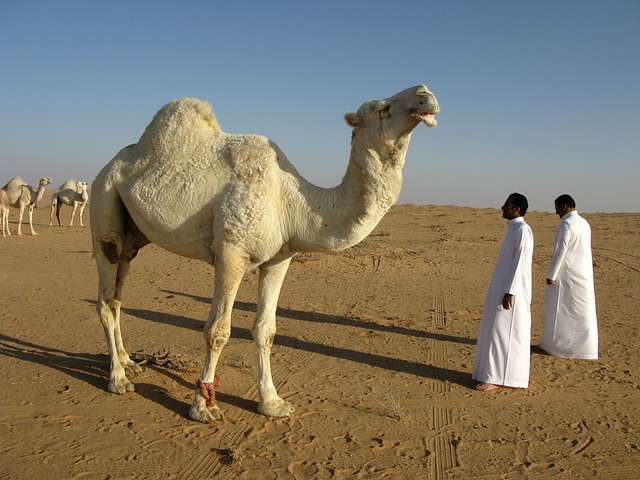
Saudi Arabia's Most Private Luxury Retreats
A private plunge pool cut into a sandstone cliff face in Ashar Valley is not the picture most people carry of a Saudi honeymoon, and that gap between expectation and reality is exactly what makes this country’s luxury-resort scene worth a second look. Three regions carry almost all of it: the AlUla canyons, the Red Sea’s private islands, and the heritage quarter of Diriyah just outside...
read more

Siem Reap's Animal Activities, Honestly
Ask a Siem Reap tour desk for “animal activities” and most will pause before answering, because there is no big-name zoo or safari park here to send you to. That pause is honest, and it is worth explaining plainly rather than filling the gap with things that do not really exist.
The one animal activity everyone gets wrong Riding an elephant up Phnom Bakheng for sunset sounds like...
read more
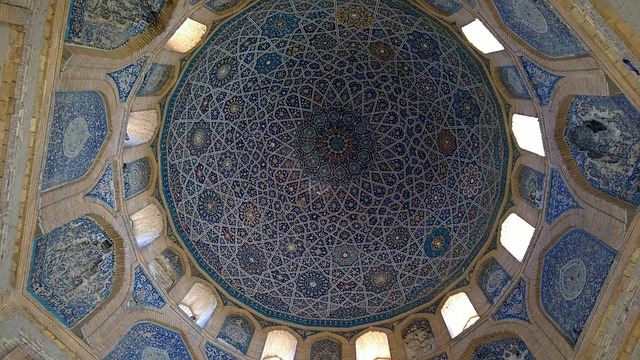
Solo Travel in Urgench, Uzbekistan
Nobody checks your seat number on the green Škoda trolleybus at the Central Bazaar terminus, nobody asks if you are traveling alone, and that quiet lack of interest is exactly what makes Urgench such an easy place to travel solo.
Getting around without waiting on anyone Urgench’s grid of wide, Soviet-planned boulevards is flat and easy to read on a phone map, so a solo traveler rarely needs...
read more
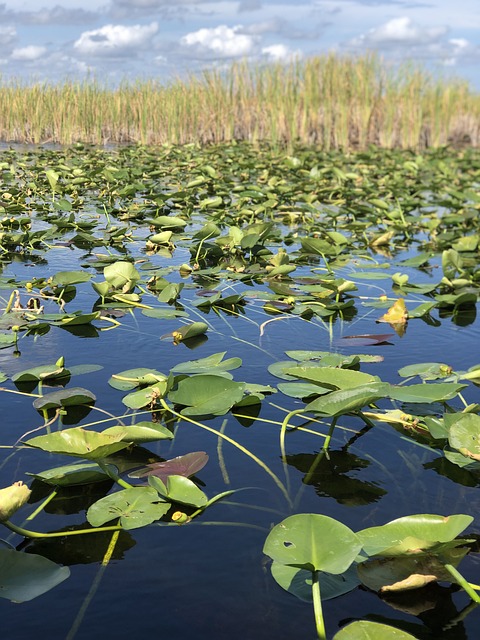
Swamp Buggies and Wet Walks Beyond the Boardwalk
A swamp buggy climbs out of black tannin water on tires taller than a person, and there is no hill, no rapid, and no zipline cable anywhere in sight. That is the honest shape of adventure tourism around Everglades City: flat, wet, and unhurried, built around getting deep into wilderness that swallows roads whole rather than chasing an adrenaline spike from gravity.
Riding into the swamp on...
read more

Tokyo Activities: Classes, Sumo and Shows
A queue outside a plain Kabukicho doorway most nights is not for a nightclub. It is for cartwheeling samurai and taiko drums, three shows a night, at the venue that took over Tokyo’s most notorious dinner theater.
The show that replaced Robot Restaurant Robot Restaurant shut for good in 2020, a genuine COVID casualty despite years of reopening rumors that still circulate online. Its old...
read more
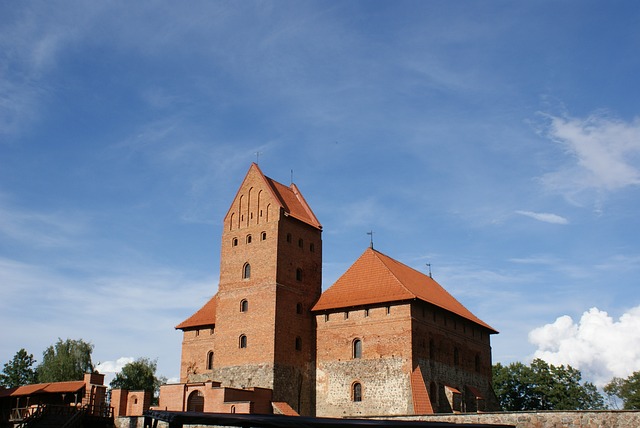
Trakai in a Day: Castle, Lake and Karaite Quarter
Cross the 300-meter wooden footbridge to Trakai Island Castle before ten in the morning and the red-brick ramparts are still quiet enough to hear the lake lapping against the barbican walls. That gap before the tour buses arrive from Vilnius is the single best planning tip for anyone building a day around Trakai’s activities.
The Island Castle and its museum The Gothic water fortress on...
read more
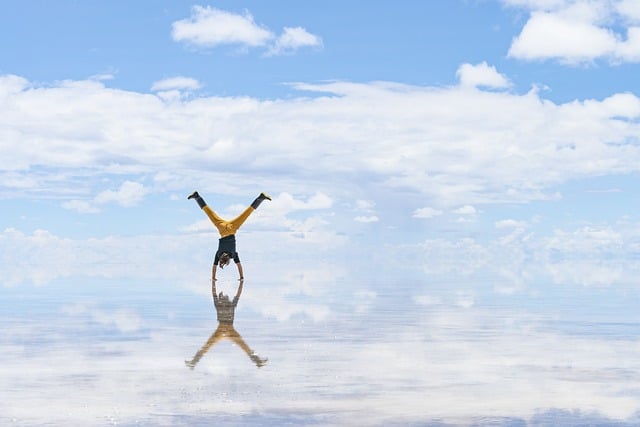
Uyuni Walking Tours: What's Really There
Search for a self-guided Salar de Uyuni walking route and you will find nothing bookable, and that gap is the first thing worth knowing: setting off on foot across the salt flat alone is one of the genuinely dangerous ideas a traveler can have here. There is no shade, no water, no cell signal, and no visible landmark once the horizon curves away in every direction. Disorientation, sunstroke and...
read more
Romantic Kharkhorin: Ger Camp Price Tiers
Two romantic ger camps near Kharkhorin sit well above the standard seasonal camp in price, and it’s worth knowing exactly what that extra cost buys before you book the expensive option by default.
The upper tier Ursa Major Geo-Lodge, in the Orkhon Valley near Kharkhorin, is an eco-conscious camp with well-appointed traditional gers, private dry toilets, French-Mongolian cuisine and an...
read more
Windhoek Animals on a Budget: Free to Splurge
Skip anything in Windhoek marketed as a Big Five safari. Lions, wild elephants, and rhinos in a natural ecosystem mean a 400 km drive north to Etosha National Park, or a private reserve like Okonjima, not a city outing. What Windhoek offers instead is smaller, cheaper in places, and worth budgeting properly for.
Free: Avis Dam Nature Reserve A municipal dam on the city’s eastern edge with no...
read more
Kharkhorin Outdoors: Free Hikes, Priced Horses
Once you’ve paid to get out of Kharkhorin town, almost everything you do next is free. The one real line item is the horse.
What costs money Half day horse treks along the Orkhon Valley, riding hardy Mongolian steppe horses with local wranglers, run roughly 35,000 to 50,000 MNT per horse, plus a guide fee. That’s the one outdoor activity here with a real per-person, per-day price tag...
read more
What a Multi-Day Kharkhorin Loop Actually Costs
Before booking a 4 day loop or a 7 day expedition through Kharkhorin and the Orkhon Valley, know what actually drives the price: it’s the vehicle, not the itinerary length.
The three routes on offer A 3 to 4 day Central Mongolia Steppe Loop typically runs Ulaanbaatar to Hustai National Park (wild Przewalski’s horses) and the Elsen Tasarkhai dunes on day one, Kharkhorin’s Erdene...
read more
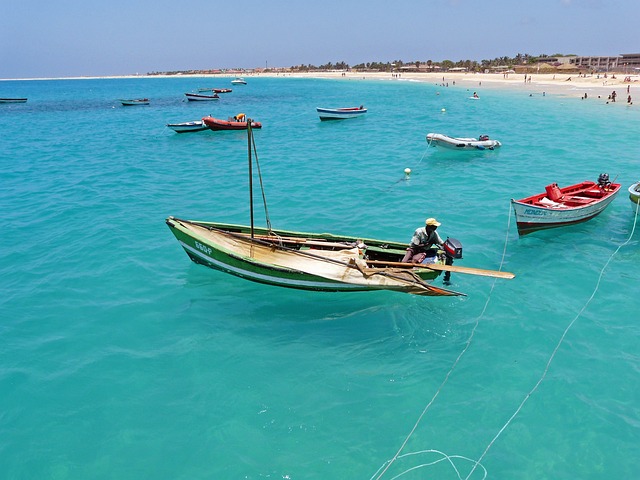
Cape Verde Sightseeing: Free Views, Paid Drives
Work out what you can see for free in Cape Verde before you rent a car, because several of the best views here don’t cost anything beyond getting there.
Free viewpoints The Fontainhas village viewpoint on Santo Antão costs nothing: pastel stone houses perched on a narrow ridge above a deep green ravine, best seen from the clifftop trail rather than a vehicle. Monte Leão on Sal, a volcanic...
read more