Recent Tr4vel

Istanbul with Kids: What Fits Which Age Group
Istanbul’s family attractions don’t all suit the same age, and picking one built for the wrong end of childhood wastes a day faster than a bad mosque visit does.
Youngest kids: Miniaturk and the Princes’ Islands Miniaturk , in the Sutluce district on the Golden Horn, is a scale-model park of Turkish and Ottoman landmarks that toddlers can wander at their own pace without a...
read more
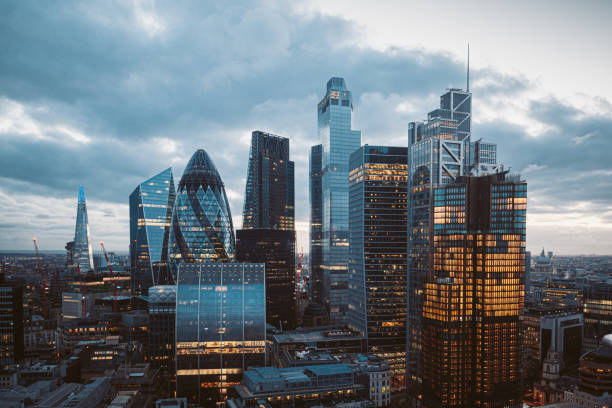
Free Family Days Out in London
A family day in London doesn’t need a ticket budget. Some of the best kid-specific attractions in the city are free, and most lists bury them under paid ones.
Start in Kensington Gardens at the Diana, Princess of Wales Memorial Playground, a Peter Pan-themed enclosed play space with a giant wooden pirate ship and sensory trails, fully accessible for wheelchairs and prams, and free to enter...
read more

A Family Day at the Bronx Zoo and Gardens
Two of the best family attractions in New York sit next to each other in the Bronx, and treating both as one quick Manhattan-adjacent stop is how a good day turns into a tired, rushed one.
One borough, two full mornings The Bronx Zoo covers 265 acres, one of the largest metropolitan zoos in the country, reachable by the BxM11 express bus or Metro-North to Fordham plus a bus or taxi.
read more

Dubai With Kids: What Runs Year-Round
Heads up: some links here are affiliate links. Book or buy through them and we may earn a small commission at no extra cost to you. We only point you to things we would actually use.
Travel advisory: Dubai and the wider UAE were caught up in the 2026 regional conflict with Iran. During a roughly six-week phase in early 2026, Iranian drones and missiles struck sites in the UAE, including near...
read more

Paris With Kids: Parks and a Science Museum
Buying one ticket at Cité des Sciences and assuming it covers the children’s section too is the single most common planning mistake families make here, and it is an easy one to avoid once you know the two are sold separately.
Jardin d’Acclimatation: 42 rides in the Bois de Boulogne This historic amusement and family park in the Bois de Boulogne runs 42 rides alongside a mini-farm and...
read more

Georgetown Guyana: Real Couple Activities
This is Georgetown, the capital of Guyana on South America’s Atlantic coast, not a resort town, and the couple activities that work here reflect that: dinner, rum and a river, rather than a beach walk.
The Backyard Cafe, Booked Ahead Chef Delven Adams cooks a private, no-fixed-menu dinner in the backyard of his own family home, a candlelit multi-course meal blending Afro-Guyanese,...
read more

Tokyo Walking Tours Through Old Neighborhoods
Most of Tokyo was rebuilt twice in the last century, once after the 1923 earthquake and again after 1945. Yanaka is one of the few pockets that skipped the second rebuild entirely.
Yanaka, the shitamachi that survived The Yanesen area’s low-city atmosphere is intact because WWII bombing largely missed it, and Yanaka Ginza, its main shopping street, has leaned into a genuine “cat...
read more
Four Self-Guided Walks in London
Not every walk in London needs a guide, a group, or a booking. Four routes work perfectly well with nothing more than a phone map and a couple of free hours.
The South Bank is the easiest: follow the river from the London Eye past Tate Modern, Shakespeare’s Globe and Borough Market to Tower Bridge, entirely flat, entirely free, and nearly impossible to get lost on since the Thames sits on...
read more
Self-Guided Istanbul: Four Routes, Step by Step
You don’t need a guide’s app or a booking confirmation for any of Istanbul’s four best walks. You need a ferry ticket, a cable car fare, and a rough sense of where each route starts and ends.
Route one: Balat and Fener, along the Golden Horn Start where the ferry or bus drops you at Balat’s shoreline and work uphill through the pastel wooden houses on Kiremit Caddesi. The...
read more
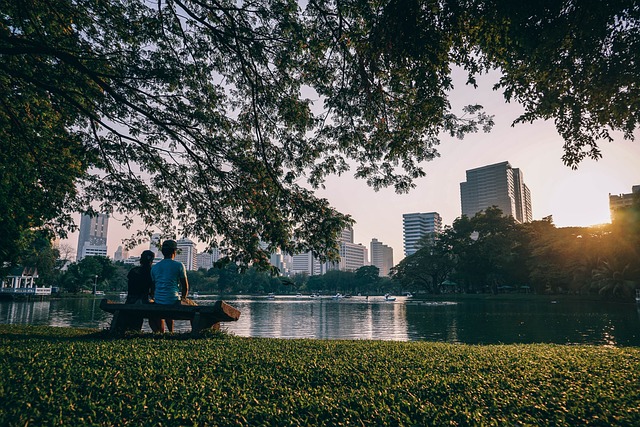
Bangkok With Kids: Real Prices and Hours
Heads up: some links here are affiliate links. Book or buy through them and we may earn a small commission at no extra cost to you. We only point you to things we would actually use.
Walk up to Safari World’s gate without a ticket and you will pay close to 1,800 THB; buy the same combo online first and it runs roughly 1,100-1,200 THB for both parks. That single gap decides whether a family...
read more
Free and Pay-What-You-Want Walks in Paris
Neither of the two most established walking-tour systems in Paris has a real fixed price, which is unusual for a city this thoroughly monetized, and it means the honest cost of a Paris walking tour is closer to zero than most visitors expect.
Paris Greeters: free, volunteer, genuinely local Paris Greeters pairs a small group, up to six people, with a local Parisian who walks you through their own...
read more

Rome on Foot: The Free Art Walk
Two churches a fifteen-minute walk apart hold five Caravaggio paintings between them, and neither charges admission. Most Rome itineraries route straight past both in favor of a paid museum queue, which makes this the most under-marketed walk in the city.
The free Caravaggio route San Luigi dei Francesi’s Contarelli Chapel holds three Caravaggios on the life of St Matthew; Santa Maria del...
read more

Bali Walking Tours: Where It Works
Heads up: some links here are affiliate links. Book or buy through them and we may earn a small commission at no extra cost to you. We only point you to things we would actually use.
Ubud’s main streets look walkable in a photo and feel like anything but on foot, narrow shoulders, constant scooter traffic, and sidewalks that come and go without warning. Bali is fundamentally a...
read more
Hudson Valley Art Day Trips From NYC
Two of the best art museums near New York sit on the same train stop, and trying to see both in one day turns a good trip into a rushed one.
Same station, two different museums Storm King Art Center and Dia:Beacon both start with the same Metro-North Hudson Line ride from Grand Central to Beacon, about an hour forty and worth sitting on the left heading north. From there they split: Dia:Beacon is...
read more
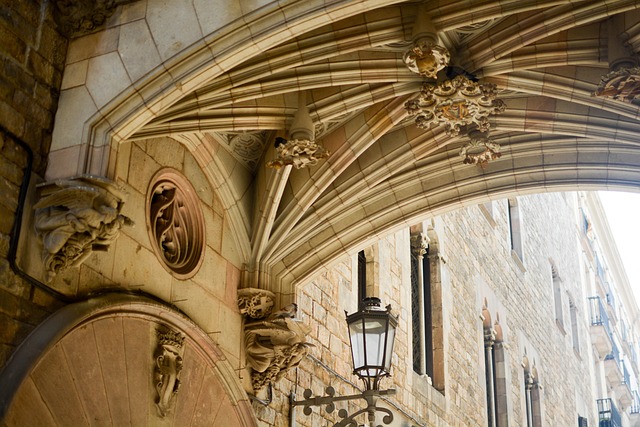
Self-Guided Walking Routes in Barcelona
No guide and no ticket required for the three loops below. Each one is a genuine neighborhood, not a monument checklist, and each rewards showing up with nothing more than a map on your phone.
Gracia: the village Barcelona swallowed Gracia was an independent town before the city grew around it, and it still reads that way: small plazas instead of grand ones, neighborhood bars instead of tourist...
read more
Bangkok Walking Tours Beyond Chinatown
Heads up: some links here are affiliate links. Book or buy through them and we may earn a small commission at no extra cost to you. We only point you to things we would actually use.
Two of Bangkok’s best walking-tour anchors charge nothing to enter and rarely make it past the same three-temple checklist most guides recycle: a restored 1850s trading post and a 200-year-old canal house...
read more
Tokyo Day Trips to Temples and Shrines
Two train rides in opposite directions from Tokyo, one about an hour and one about two, land at two of Japan’s most photographed religious sites, and neither needs an overnight bag.
Nikko: the longer, grander trip The Tobu limited express runs from Asakusa to Tobu-Nikko in roughly one hour fifty minutes to two hours. Toshogu Shrine, the payoff at the end of that ride, charges 1,600 yen for...
read more
London's Easiest Half-Day Escapes
Not every day trip from London needs a tour bus and a 6am alarm. Two of the best ones are barely further than a long Tube ride, and a third only takes slightly more effort.
Kew Gardens is the lowest-effort option on this list: a London Overground or District line ride to Kew Gardens station, roughly 30-40 minutes from central London. The Royal Botanic Gardens, a UNESCO World Heritage Site, run...
read more
Day Trips from Istanbul: Sand or Sultans
Istanbul’s real day trips split into two moods, not a long checklist: a beach afternoon on the Black Sea coast, or a history-heavy day in a former Ottoman capital. Pick one mood per day rather than trying to force both.
The beach mood: Kilyos and Sile Kilyos, in the Sariyer district and technically still inside Istanbul, is roughly 30-45 minutes by car or a metro-plus-bus combination (M2 to...
read more
The Paris Day Trips Most Guides Skip
Versailles and Giverny take the day-trip headlines, and both deserve them, but two other trains out of Paris get you somewhere just as worthwhile in less time and with a fraction of the crowd.
Chantilly: a château with less of a line A direct TER runs from Gare du Nord to Chantilly-Gouvieux in about 26 minutes, every 30 minutes daily, for roughly EUR7 to EUR16 one way. From the station, a free...
read more
NYC Attraction Tours: Skip the Battery Park Scam
Someone at Battery Park will offer you a “skip the line” Statue of Liberty ticket within minutes of arriving. Walk past them. They don’t work for the ferry that actually goes there.
The one operator that lands on the island Statue City Cruises is the sole authorized operator to Liberty and Ellis Island, sailing only from Battery Park in Manhattan or Liberty State Park in New...
read more
London Combo Tickets and Bus Tours
The best attraction tour in London costs nothing extra, and most visitors never realize it’s included in a ticket they already bought.
The Tower of London’s Yeoman Warder tours, the guides nicknamed Beefeaters, are free with the £37 standard adult admission and depart roughly every 30 to 45 minutes from just inside the main gate. They’re also the only way in to the Tower’s...
read more
Dubai Tours: Bus, Dhow, and Theater
Heads up: some links here are affiliate links. Book or buy through them and we may earn a small commission at no extra cost to you. We only point you to things we would actually use.
Travel advisory: Dubai and the wider UAE were caught up in the 2026 regional conflict with Iran. During a roughly six-week phase in early 2026, Iranian drones and missiles struck sites in the UAE, including near...
read more
Bus vs Boat vs Guide: Istanbul Tours Compared
Three paid, vehicle-based ways to see Istanbul exist side by side, and they’re not competing for the same trip: a hop-on bus, an official boat tour, and a guided walking day each answer a different question.
The bus answers “how do I see the whole city without walking it?” Big Bus Istanbul runs open-top double-decker routes calling at Topkapi Palace, Hagia Sophia, the Spice...
read more

Walking Tours of Osh for Budget Travelers
Osh on foot costs nothing but time A walking tour in Osh doesn’t need a booking or a fee, since the city’s best three routes are all free to walk and only cost you the entrance tickets you choose to pay along the way. Here’s what actually exists to walk to, not what an old guidebook remembers.
Route 1: the Sulaiman-Too pilgrimage climb Start at the eastern base of Sulaiman-Too...
read more
Bangkok Attraction Tours: Buses, Boats, Tuk-Tuks
Heads up: some links here are affiliate links. Book or buy through them and we may earn a small commission at no extra cost to you. We only point you to things we would actually use.
A stranger near the Grand Palace who offers you a free tuk-tuk ride is never doing you a favor. Every legitimate tuk-tuk tour in this city is paid, pre-booked, and led by a named operator, which is exactly the...
read more
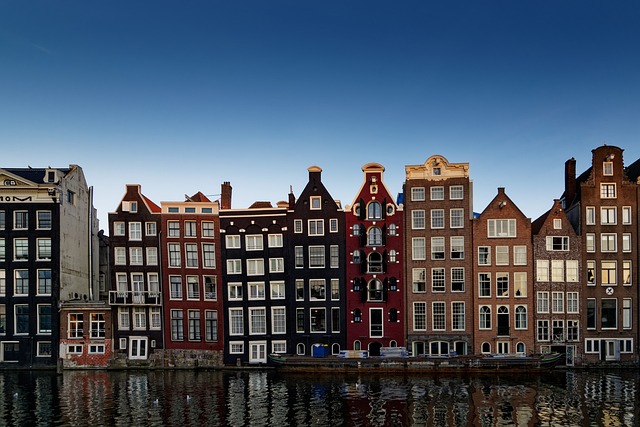
Amsterdam's Candlelit Canal Cruises
The daytime sightseeing cruise and an after-dark canal cruise share a route but almost nothing else: swap the commentary and the crowd for candlelight past the illuminated Magere Brug, and the whole evening reads differently.
Candlelight and wine-and-cheese cruises Several operators run dedicated evening routes on glass-enclosed boats, timed to catch the canal-ring houses and bridges lit up after...
read more
Big Bus or Tootbus: Paris Hop-On Hop-Off
Two separate companies run real, currently operating electric double-decker networks across central Paris, which is unusual: in a lot of cities this write-up would have to tell you the “classic hop-on hop-off bus” barely exists anymore. Here it comes down to picking the one whose nearest stop matches where you are staying.
Big Bus Paris Big Bus runs a 10-stop Classic Route taking...
read more
Bali Sightseeing: Temples and Terraces
Heads up: some links here are affiliate links. Book or buy through them and we may earn a small commission at no extra cost to you. We only point you to things we would actually use.
Paying to get into Uluwatu Temple does not buy a seat at its evening Kecak fire dance, and travelers who assume otherwise find that out at the ticket booth. Bali is one Indonesian island and province with several...
read more
Solo Travel in Osh: A Budget Guide
A solo day in Osh costs less than you think Kyrgyzstan sits at US State Department Level 1, exercise normal precautions, and Osh is no exception. That matters for solo travelers, because it means the usual advice applies (watch your bag in crowds, don’t flash cash) and nothing more dramatic. The bigger practical question for a solo trip is what to actually do with your day and what it costs,...
read more
Tokyo Sightseeing: Free Views to Paid Towers
The best view in Tokyo costs nothing, and most visitors never find it because it is inside a government office building, not a tourist tower.
The free view most people skip The Tokyo Metropolitan Government Building’s twin 45th-floor observatories are free, no ticket, no queue management, and the building runs a free light projection on its east facade most evenings from sunset to around...
read more
Amsterdam's Tip-Based Walking Tours
A “free walking tour” in Amsterdam is really a tip-based one, and one whole neighborhood on the usual route cannot legally be covered by a guided tour at all anymore. Both facts are worth knowing before picking a route.
SANDEMANs Free Tour of Amsterdam: tip-based, twice daily The National Monument on Dam Square is the meeting point for a roughly 2-2.5 hour walk run by local freelance...
read more
NYC Sightseeing: Which Observation Deck Wins
Five towers now sell you a view of Manhattan, and the deck most sites still call the priciest dropped its rate this year while the one they call cheapest went up.
The current price order (it changed) One World Observatory, at the World Trade Center campus, is the current floor at $39 plus a $3.50 fee, and it is the deck most comparison lists leave out entirely. Edge, at Hudson Yards, runs from $42...
read more
Rome Sightseeing: What Costs More in 2026
Rome’s biggest sightseeing mistake in 2026 is not a wrong turn, it’s an old price. Several of the city’s most-photographed sights changed what they charge this year, and a guide written even twelve months ago gets more than one of them wrong.
The Pantheon’s rising price The Pantheon has not been a free walk-in since 2023, and the price moved again this year: €5 through June...
read more
London Sightseeing: Free Comes First
No other city on a shortlist of world capitals gives away this much, for free, permanently: the British Museum, National Gallery, Natural History Museum, Science Museum, V&A, Tate Modern, Tate Britain and the National Portrait Gallery all skip general admission entirely. Most visitors still plan London around the paid tickets and treat the free museums as filler, which is backward.
The catch...
read more
Sightseeing in Osh on a Budget
The market you read about is gone. Here’s what replaced it If an old guidebook sent you to Osh expecting to wander the 2,000-year-old Jayma Bazaar along the Ak-Buura River, cross that off your list now: it was demolished in June 2025 and the riverbank is now a municipal park and promenade. The traders didn’t vanish. They moved to the New Municipal Central Market on the northern...
read more

Providenciales Has No Multi-Day Tour, Build One
Nobody in Providenciales sells a single multi-day tour that strings together the outer islands for you; if a week of Provo beach time isn’t enough, you assemble the rest of the trip yourself, one ferry ticket or dive charter booking at a time.
The honest version Provo’s tourism economy is built around resort stays, not multi-day packaged circuits, so there is no bundled multi-day...
read more
Dubai Sightseeing: Open, Closed, Tiered
Heads up: some links here are affiliate links. Book or buy through them and we may earn a small commission at no extra cost to you. We only point you to things we would actually use.
Travel advisory: Dubai and the wider UAE were caught up in the 2026 regional conflict with Iran. During a roughly six-week phase in early 2026, Iranian drones and missiles struck sites in the UAE, including near...
read more

A Sightseeing Guide to Sheki, Not Baku
Type “Sheki” into a search bar and half the top results are actually about Baku’s skyline. They are not the same city, and mixing them up wastes a day.
First, the disambiguation Sheki is a mountain town of around 68,000 people on the southern slopes of the Greater Caucasus, roughly 300 km northwest of Baku and 60 km from the Georgian border, sitting at 500 to 700 meters...
read more
Amsterdam Canal Cruises by Price Tier
The canals were never built for a cruise ship, and the city has started acting on that: ocean liner calls are capped at 100 a year from 2026, with river-cruise calls being cut year over year toward a 2028 ceiling. None of that touches the small boats that actually work the canal ring, but “a canal cruise” still spans close to a 40x price range depending on which tier you book.
read more
Barcelona Modernisme: Gaudi and Beyond
Everyone photographs Casa Batllo’s roof and La Pedrera’s chimneys. Fewer visitors realize Barcelona has two more UNESCO-listed Modernista buildings a short walk apart, and one of them is still a working hospital.
Casa Batllo: one solid price, three unstable ones The Blue or General-Visit floor holds steady at EUR 29 and is the one figure worth planning around. The Silver, Gold and...
read more
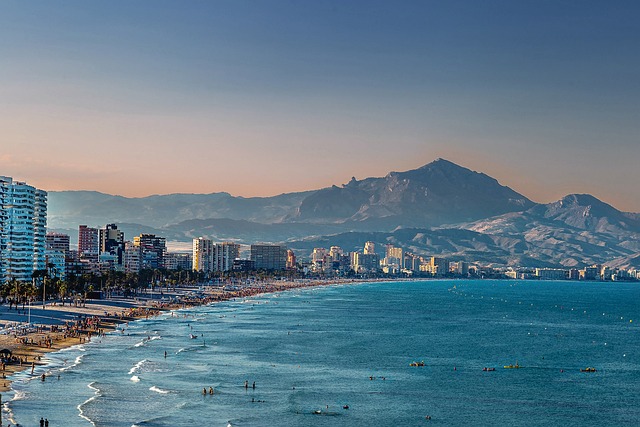
Group Activities in Alicante: What Actually Works
Fifteen people and a hired catamaran fit through Alicante’s marina gate at the same rate as two, which is the whole logic of planning a group trip here around the water rather than around a single restaurant table.
On the water, as a group Alicante Catamaran and a handful of other operators run sailing catamarans out of the marina sized for 30 to 60 passengers, chartered whole for corporate...
read more

Lisbon for Couples: Sunset Sailing, Fado, Sintra
The rule at Mesa de Frades is posted on the door and enforced by the room itself: the moment the fadista begins, waiters freeze mid-step, glasses stay untouched, and conversation drops to nothing until the last note fades. Couples who plan an evening around that silence, rather than around a checklist of sights, tend to remember Lisbon differently.
Fado and dinner, done properly Mesa de Frades...
read more

Ninh Binh Sightseeing: Dragon Peak to Bai Dinh
The photo that sells Ninh Binh online, a stone dragon spine snaking along a ridgeline above a green river valley, is real and you can stand exactly where it was taken. Getting there costs a climb, not just a ticket, which is the part the photo never shows.
The dragon ridge at Hang Mua That viewpoint sits atop Hang Mua, reached by roughly 486 to 500 uneven stone steps with no handrail near the...
read more

Outdoor Activities in Medina: The Honest Picture
There is no river running through this Medina, no lake to rent a kayak on, and no trail network cut through green hills. Al-Madinah al-Munawwarah sits in an arid basin ringed by volcanic basalt fields and bare granite, and the honest answer for anyone hoping to fill a day with adventure sports here is: mostly not, but a few things genuinely work.
Mount Uhud, the one real hike Mount Uhud is the...
read more

Siem Reap With Kids: What Actually Works
A ten-year-old will tolerate roughly ninety minutes of stone temples before asking, loudly, when the fun part starts. Siem Reap actually has an answer for that question, and it has nothing to do with the temples themselves.
Phare, the Cambodian Circus, for the evening everyone remembers This is the top family evening out in the country: young Cambodian performers combine acrobatics, juggling, and...
read more

Uyuni Workshops: What You Can Really Join
Do not go looking for a weaving class or a silversmithing course here: Uyuni is a windswept railway and expedition town on a 3,670m salt plain, not a highland artisan circuit, and the workshops you may have read about elsewhere are not part of what’s actually on offer around the Salar. What genuinely exists is narrower, tied to the salt itself and the desert sky above it.
Colchani salt...
read more

Potsdam Solo: Monet, Quiet Paths and Cafes
The Sicilian Garden inside Sanssouci Park holds maybe a dozen people at once, tucked behind a hedge wall that most tour groups walk straight past on their way to the palace steps, which makes it one of the easier corners of Germany to sit alone with a book and not be bothered.
Museum Barberini, at your own speed Alone, you can actually stand in front of a painting as long as you want.
read more

Romantic San Marino After the Day-Trippers Leave
Heads up: some links here are affiliate links. Book or buy through them and we may earn a small commission at no extra cost to you. We only point you to things we would actually use.
By 16:30 the coach parties from Rimini and Riccione are heading back down the hill, and the medieval streets that felt like a market at noon go quiet and lantern-lit within the hour. That gap between the last tour bus...
read more
Osh Day Trips: 5 Real Options and Prices
Five real day trips, none of them requiring a guide’s fee Osh sits at the edge of the Ferghana Valley with genuine day-trip country in every direction, so there is no need to pad a list with lakes that are actually a five-hour drive away. Everything below is 30-90 minutes from the city and doable on public transport if you have the patience, or a shared minivan if you don’t. Start...
read more