Recent Tr4vel
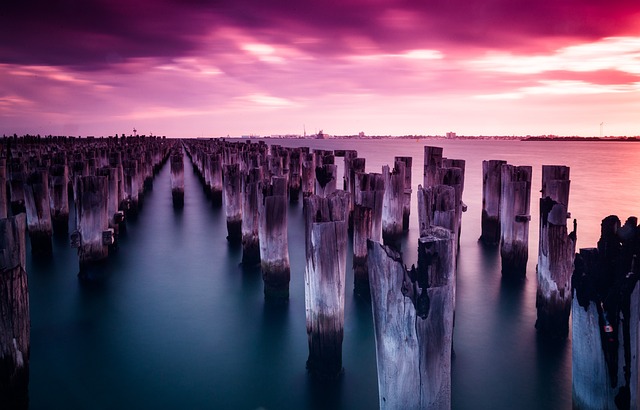
Melbourne in 4 Days: Budget + Day Trips
Heads up: some links here are affiliate links. Book or buy through them and we may earn a small commission at no extra cost to you. We only point you to things we would actually use.
Melbourne in 4 Days: Budget + Day Trips Four days covers the city core plus two of Victoria’s day trips: the Great Ocean Road and the Yarra Valley. The Great Ocean Road still runs as a single, honestly-rushed...
read more
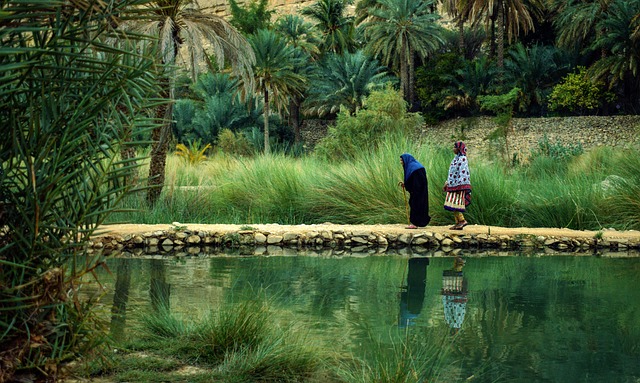
Muscat in 3 Days on a Budget (Daily Costs)
Heads up: some links here are affiliate links. Book or buy through them and we may earn a small commission at no extra cost to you. We only point you to things we would actually use.
Travel advisory: Oman is currently affected by the wider 2026 regional conflict involving Iran. The US State Department has Oman at Level 3, “Reconsider Travel,” and Iran has struck sites inside the...
read more
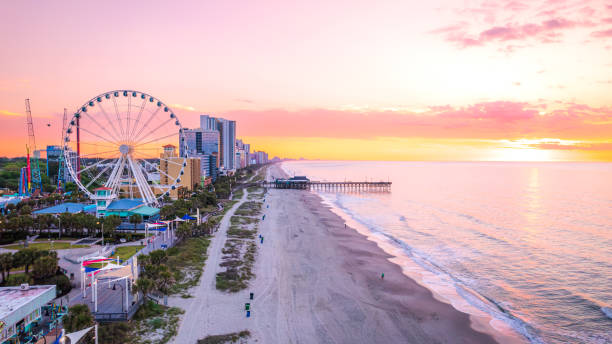
Myrtle Beach in 3 Days on a Budget (Daily Costs)
Myrtle Beach in 3 Days on a Budget (Daily Costs) Three days is the point where a Myrtle Beach trip starts to breathe: still beach-anchored, but with room for one half-day outing and a proper seafood dinner. Keep it to one layered activity a day - this is a resort week in miniature, not a checklist.
Day Focus Est. spend Day 1 Free beach + Boardwalk, $21 SkyWheel $0-21 Day 2 Broadway at the Beach +...
read more
Melbourne in 3 Days: Budget + Day Trips
Heads up: some links here are affiliate links. Book or buy through them and we may earn a small commission at no extra cost to you. We only point you to things we would actually use.
Melbourne in 3 Days: Budget + Day Trips Three days gives you two proper city days plus Victoria’s marquee day trip, the Great Ocean Road. Being honest about it upfront: a single day out to the Twelve Apostles...
read more
Sao Tome and Principe in 7 Days (Budget)
Heads up: some links here are affiliate links. Book or buy through them and we may earn a small commission at no extra cost to you. We only point you to things we would actually use.
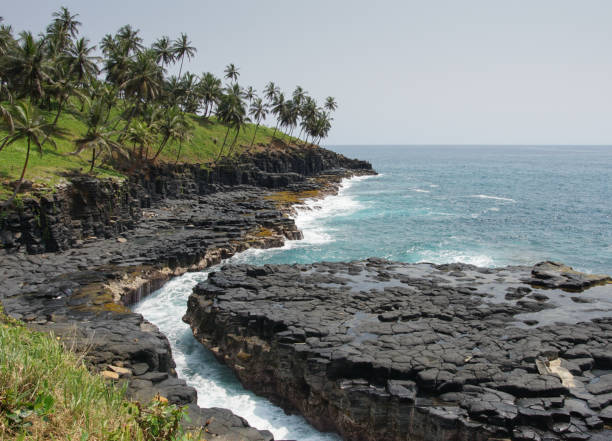
The US State Department raised Sao Tome and Principe to Level 3, “Reconsider Travel,” on 8 April 2026, citing 2026 election season unrest risk (the presidential vote passed peacefully in July, but...
read more

Mayotte in 7 Days on a Budget (Costs)
Heads up: some links here are affiliate links. Book or buy through them and we may earn a small commission at no extra cost to you. We only point you to things we would actually use.
Mayotte is still rebuilding after Cyclone Chido, a Category 4 storm on 14 December 2024, and Storm Dikeledi the following January, and that work is not finished in 2026. Water and electricity outages persist in...
read more
Myrtle Beach in 2 Days on a Budget (Daily Costs)
Myrtle Beach in 2 Days on a Budget (Daily Costs) Two days is a taste, not a tour: the free beach and free Boardwalk, plus one paid attraction if you want it. Don’t try to stack more in - this is a beach trip, not a sightseeing march, and a short stay works best with one outing at most per day.
Day Focus Est. spend Day 1 Free beach + Boardwalk, $21 SkyWheel at sunset $0-21 Day 2 One headline...
read more
Sao Tome and Principe in 5 Days (Budget)
Heads up: some links here are affiliate links. Book or buy through them and we may earn a small commission at no extra cost to you. We only point you to things we would actually use.
The US State Department raised Sao Tome and Principe to Level 3, “Reconsider Travel,” on 8 April 2026, citing 2026 election season unrest risk (the presidential vote passed peacefully in July, but...
read more
Melbourne in 2 Days: Budget + Day Trips
Heads up: some links here are affiliate links. Book or buy through them and we may earn a small commission at no extra cost to you. We only point you to things we would actually use.
Melbourne in 2 Days: Budget + Day Trips Two days is enough to prove Melbourne’s real value as a base: a fast, mostly free city day, then a genuine Victoria day trip that needs no overnight.
read more
Sao Tome and Principe in 4 Days (Budget)
Heads up: some links here are affiliate links. Book or buy through them and we may earn a small commission at no extra cost to you. We only point you to things we would actually use.
The US State Department raised Sao Tome and Principe to Level 3, “Reconsider Travel,” on 8 April 2026, citing 2026 election season unrest risk (the presidential vote passed peacefully in July, but...
read more
Sao Tome and Principe in 3 Days (Budget)
Heads up: some links here are affiliate links. Book or buy through them and we may earn a small commission at no extra cost to you. We only point you to things we would actually use.
The US State Department raised Sao Tome and Principe to Level 3, “Reconsider Travel,” on 8 April 2026, citing 2026 election season unrest risk (the presidential vote passed peacefully in July, but...
read more
Melbourne in 7 Days on a Budget (Daily Costs)
Heads up: some links here are affiliate links. Book or buy through them and we may earn a small commission at no extra cost to you. We only point you to things we would actually use.
Melbourne in 7 Days on a Budget (Daily Costs) A full week finishes the city core in four days, then adds three of Victoria’s easiest day trips without needing a rental car for two of the three.
read more
Muscat on a Budget: 9 Cheap and Free Things
Heads up: some links here are affiliate links. Book or buy through them and we may earn a small commission at no extra cost to you. We only point you to things we would actually use.
Travel advisory: Oman is currently affected by the wider 2026 regional conflict involving Iran. The US State Department has Oman at Level 3, “Reconsider Travel,” and Iran has struck sites inside the...
read more
Myrtle Beach on a Budget: 14 Cheap and Free Things
Myrtle Beach on a Budget: 14 Cheap and Free Things Myrtle Beach is one of the few US beach towns where the free stuff is the whole point of the trip. The sand costs nothing, the 1.2-mile Boardwalk costs nothing, and the honest core of a Grand Strand vacation is beach and pool time, not a checklist of paid attractions. Budget for one paid outing a day at most: a $5-8 state park, a round of mini...
read more
Sao Tome and Principe in 2 Days (Budget)
Heads up: some links here are affiliate links. Book or buy through them and we may earn a small commission at no extra cost to you. We only point you to things we would actually use.
The US State Department raised Sao Tome and Principe to Level 3, “Reconsider Travel,” on 8 April 2026, citing 2026 election season unrest risk (the presidential vote passed peacefully in July, but...
read more
Melbourne in 6 Days on a Budget (Daily Costs)
Heads up: some links here are affiliate links. Book or buy through them and we may earn a small commission at no extra cost to you. We only point you to things we would actually use.
Melbourne in 6 Days on a Budget (Daily Costs) Six days finishes the city core in the first four, then adds two of Victoria’s easiest day trips without turning the whole plan into a road trip.
read more
Melbourne in 4 Days on a Budget (Daily Costs)
Heads up: some links here are affiliate links. Book or buy through them and we may earn a small commission at no extra cost to you. We only point you to things we would actually use.
Melbourne in 4 Days on a Budget (Daily Costs) Four days rounds out the city with a full day of food-focused neighbourhoods on top of the laneways, MCG, Fitzroy and gardens from a shorter trip.
read more
Melbourne in 3 Days on a Budget (Daily Costs)
Heads up: some links here are affiliate links. Book or buy through them and we may earn a small commission at no extra cost to you. We only point you to things we would actually use.
Melbourne in 3 Days on a Budget (Daily Costs) Three days is the point where Melbourne’s free city core starts feeling complete: the laneways and MCG from a shorter trip, plus a full day for Fitzroy, Carlton and...
read more
Melbourne in 2 Days on a Budget (Daily Costs)
Heads up: some links here are affiliate links. Book or buy through them and we may earn a small commission at no extra cost to you. We only point you to things we would actually use.
Melbourne in 2 Days on a Budget (Daily Costs) Two days is enough for Melbourne’s free core if you plan it tightly: the laneways and both NGV buildings on Day 1, the MCG and St Kilda on Day 2.
read more
Melbourne, Australia: Budget Day-Trip Base
Heads up: some links here are affiliate links. Book or buy through them and we may earn a small commission at no extra cost to you. We only point you to things we would actually use.
Melbourne, Australia: Budget Day-Trip Base Melbourne’s real value on a budget isn’t just the city, it’s what surrounds it. Give the CBD and its free museums two days, then spend the rest of your trip...
read more
Mayotte in 6 Days on a Budget (Costs)
Heads up: some links here are affiliate links. Book or buy through them and we may earn a small commission at no extra cost to you. We only point you to things we would actually use.
Mayotte is recovering from Cyclone Chido, a Category 4 storm that struck on 14 December 2024, followed by Storm Dikeledi in January 2025. Recovery is still incomplete in 2026: water and electricity outages happen in...
read more
Melbourne on a Budget: 10 Cheap and Free Things
Heads up: some links here are affiliate links. Book or buy through them and we may earn a small commission at no extra cost to you. We only point you to things we would actually use.
Melbourne on a Budget: 10 Cheap and Free Things Melbourne is expensive to sleep and eat in, but a surprising amount of what makes it worth visiting costs nothing. Both NGV buildings, ACMI, the State Library’s...
read more
Mayotte in 5 Days on a Budget (Costs)
Heads up: some links here are affiliate links. Book or buy through them and we may earn a small commission at no extra cost to you. We only point you to things we would actually use.
Mayotte is still working through recovery from Cyclone Chido, a Category 4 storm on 14 December 2024, and Storm Dikeledi the following January. In 2026 that means uneven water and electricity supply in places, and...
read more
San Blas Islands on a Budget (Guna Yala)
Heads up: some links here are affiliate links. Book or buy through them and we may earn a small commission at no extra cost to you. We only point you to things we would actually use.
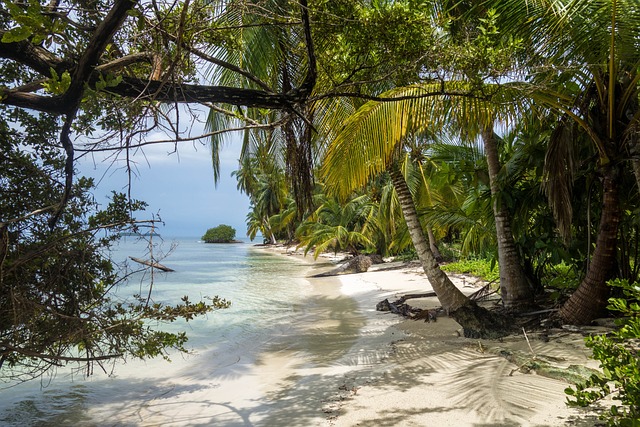
San Blas is around 365 islands off Panama’s Caribbean coast, and it is not a resort destination in the usual sense, it is the Guna Yala comarca, an autonomous territory the indigenous Guna govern under their own...
read more
Visiting the Panama Canal on a Budget
Heads up: some links here are affiliate links. Book or buy through them and we may earn a small commission at no extra cost to you. We only point you to things we would actually use.
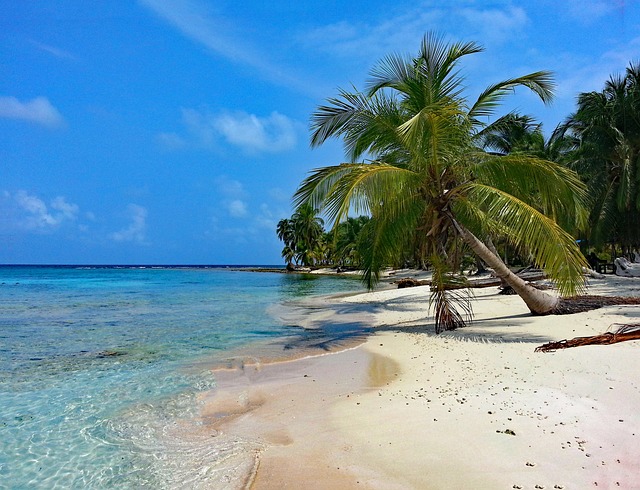
If you are budgeting a single canal stop, Miraflores is almost always the right one: closer, cheaper to reach, and easy to combine with the rest of a Panama City day. Agua Clara costs more in travel time but shows a...
read more
The Panama Canal Explained: Locks + History
Heads up: some links here are affiliate links. Book or buy through them and we may earn a small commission at no extra cost to you. We only point you to things we would actually use.
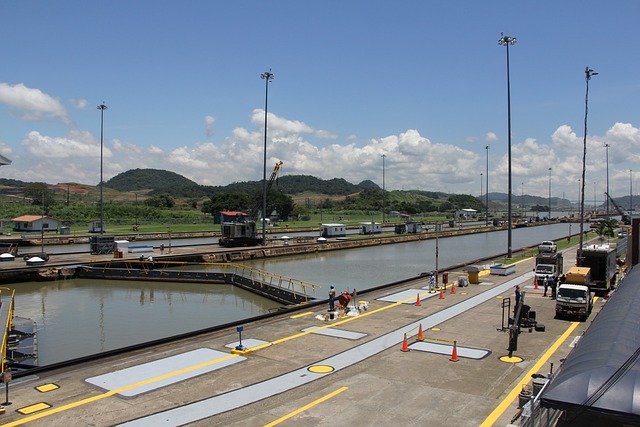
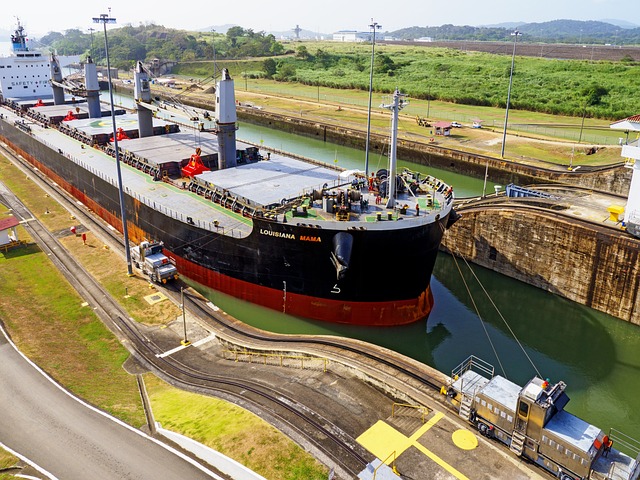
For the price of a ticket that currently runs around $17 (verify at visitcanaldepanama.com before you go), you can stand a few meters from a ship being lifted 26 meters between two oceans. Understanding how that...
read more
Panama in 7 Days on a Budget (Costs)
Heads up: some links here are affiliate links. Book or buy through them and we may earn a small commission at no extra cost to you. We only point you to things we would actually use.
Seven days is the fullest version of this trip: the city, a San Blas overnight, and both western regions, Boquete’s coffee highlands and Bocas del Toro’s Caribbean coast, linked by short Air Panama...
read more
Atlanta on a Budget: Costs and Free Days
Heads up: some links here are affiliate links. Book or buy through them and we may earn a small commission at no extra cost to you. We only point you to things we would actually use.
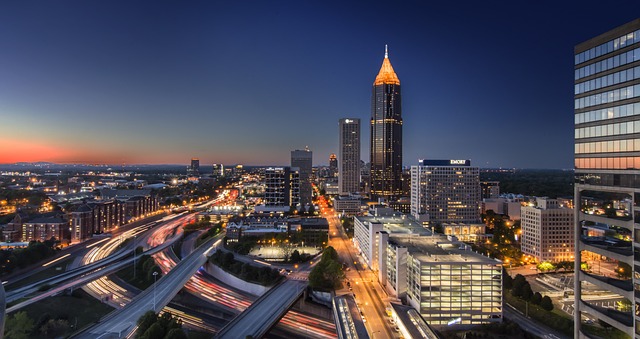
Atlanta is Georgia’s capital, the birthplace of Dr. Martin Luther King Jr., and the home of Coca-Cola, and its single most important sight costs nothing to visit. The Martin Luther King Jr. National Historical...
read more
Atlanta in 7 Days on a Budget (Daily Costs)
Heads up: some links here are affiliate links. Book or buy through them and we may earn a small commission at no extra cost to you. We only point you to things we would actually use.
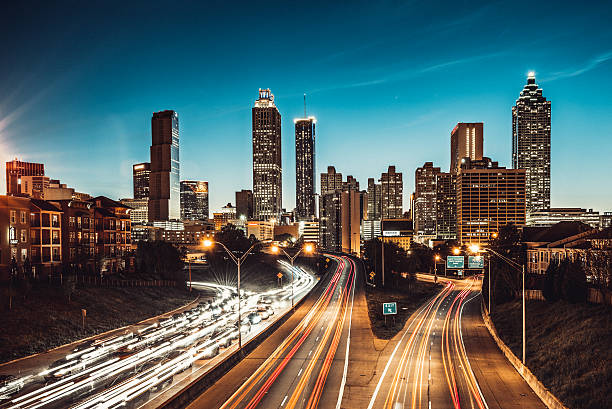
7 days is a full week at a slower pace, not more downtown The honest core is 3 days; a full week here spreads Stone Mountain and an Athens day trip across the middle, then closes with a slower final stretch: Buford...
read more
Kuala Lumpur on a Budget: Costs and Free Days
Heads up: some links here are affiliate links. Book or buy through them and we may earn a small commission at no extra cost to you. We only point you to things we would actually use.
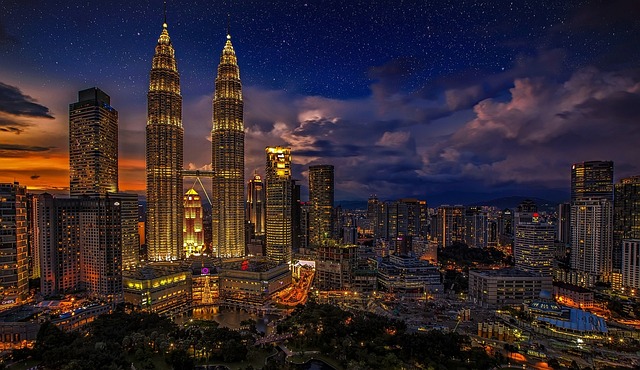
Kuala Lumpur runs about $20-30 a person per day on a genuine shoestring (roughly RM80-125), hostel or budget hotel, hawker meals, and public transit included; a comfortable mid-range trip runs $50-85 a day...
read more
Mayotte in 3 Days on a Budget (Costs)
Heads up: some links here are affiliate links. Book or buy through them and we may earn a small commission at no extra cost to you. We only point you to things we would actually use.
Mayotte is rebuilding after Cyclone Chido, a Category 4 storm on 14 December 2024, followed by Storm Dikeledi in January 2025. That recovery is not finished in 2026: expect occasional water and power outages, and know...
read more
Atlanta in 6 Days on a Budget (Daily Costs)
Heads up: some links here are affiliate links. Book or buy through them and we may earn a small commission at no extra cost to you. We only point you to things we would actually use.
6 days adds a second day trip, not a second downtown Atlanta’s must-sees fit in 3 days; days 4 through 6 here spread across Stone Mountain, a slower Decatur day, and a real day trip to Athens, Georgia, honestly...
read more
Atlanta in 5 Days on a Budget (Daily Costs)
Heads up: some links here are affiliate links. Book or buy through them and we may earn a small commission at no extra cost to you. We only point you to things we would actually use.
5 days is where Atlanta shifts to a slower pace The honest core wraps up in 3 days, and Day 4 already covers the main day trip. Day 5 here goes to a slower pace instead of more downtown must-sees: Decatur’s...
read more
Panama in 6 Days on a Budget (Costs)
Heads up: some links here are affiliate links. Book or buy through them and we may earn a small commission at no extra cost to you. We only point you to things we would actually use.
Six days fits the city, a San Blas overnight, and one flight west, this is the fast-paced version of the 7-day itinerary , one night on the islands rather than two and one region west rather than both.
read more
Atlanta in 4 Days on a Budget (Daily Costs)
Heads up: some links here are affiliate links. Book or buy through them and we may earn a small commission at no extra cost to you. We only point you to things we would actually use.
4 days adds Stone Mountain to the honest 3-day core The city’s real must-sees fit into 3 days; a fourth day here goes to Stone Mountain Park, about 30 minutes east, with the honest context its Confederate...
read more
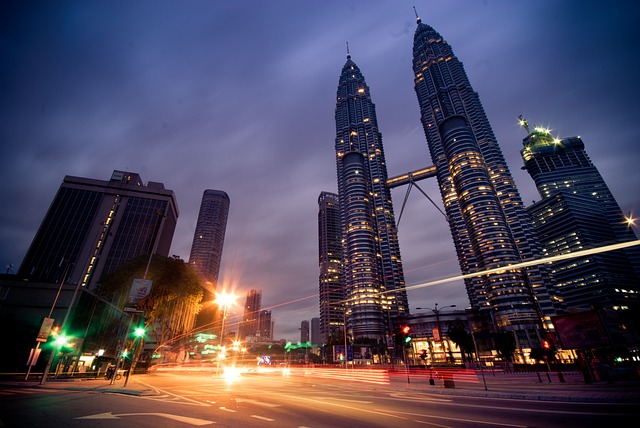
Kuala Lumpur in 7 Days on a Budget (Daily Costs)
Heads up: some links here are affiliate links. Book or buy through them and we may earn a small commission at no extra cost to you. We only point you to things we would actually use.
Seven days is a full trip, not just a KL stopover Days 1 through 6 here match the 6-day itinerary : KLCC and Bukit Bintang, the colonial core and Chinatown, Batu Caves and KL Tower, Putrajaya and Brickfields, Genting...
read more
Atlanta in 3 Days on a Budget (Daily Costs)
Heads up: some links here are affiliate links. Book or buy through them and we may earn a small commission at no extra cost to you. We only point you to things we would actually use.
3 days covers Atlanta’s honest core This route adds Midtown, the High Museum, Piedmont Park, and the Fox Theatre to the downtown cluster and the free MLK Historical Park, which is genuinely as much of Atlanta as...
read more
Atlanta in 2 Days on a Budget (Daily Costs)
Heads up: some links here are affiliate links. Book or buy through them and we may earn a small commission at no extra cost to you. We only point you to things we would actually use.
2 days is enough for downtown’s big three and the free MLK Park This route covers the Georgia Aquarium, World of Coca-Cola, and Centennial Olympic Park on Day 1, then the free Martin Luther King Jr.
read more
Memphis in 7 Days: Budget + Day Trips
Heads up: some links here are affiliate links. Book or buy through them and we may earn a small commission at no extra cost to you. We only point you to things we would actually use.
7 days: a full week where the Mid-South is the main event A full week uses the extra day not to add a fifth destination, but to give Clarksdale two unhurried days instead of one rushed one, on top of Tunica, Oxford...
read more
Almaty in 7 Days on a Budget (Daily Costs)
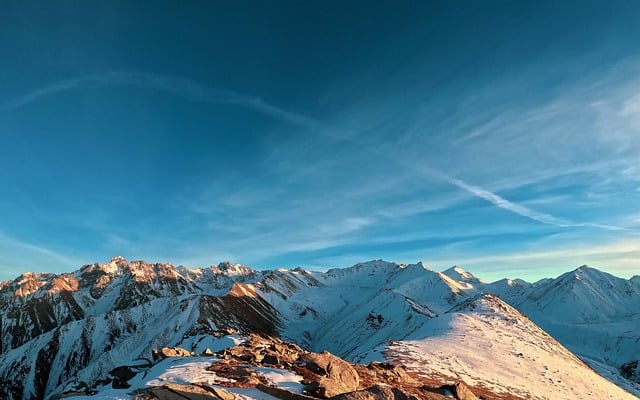
Almaty in 7 Days on a Budget A full week is enough to treat Almaty as what it really is, a base for the Tian Shan mountains, and still fit an overnight further out into the alpine lakes. Almaty is Kazakhstan’s largest city and its commercial and cultural capital, not the political capital, that’s been Astana since 1997. Cards and Kaspi QR payments cover most spending; carry cash for...
read more
Atlanta on a Budget: 12 Cheap and Free Things to Do
Heads up: some links here are affiliate links. Book or buy through them and we may earn a small commission at no extra cost to you. We only point you to things we would actually use.
Atlanta’s biggest sight already costs nothing The Martin Luther King Jr. National Historical Park, the single most important thing to see in Atlanta, is run by the National Park Service and free to enter, no...
read more
Kuala Lumpur in 6 Days on a Budget (Daily Costs)
Heads up: some links here are affiliate links. Book or buy through them and we may earn a small commission at no extra cost to you. We only point you to things we would actually use.
Six days makes room for Melaka, honestly a long day Days 1 through 5 here match the 5-day itinerary : KLCC and Bukit Bintang, the colonial core and Chinatown, Batu Caves and KL Tower, Putrajaya and Brickfields, then...
read more
Memphis in 6 Days: Budget + Day Trips
Heads up: some links here are affiliate links. Book or buy through them and we may earn a small commission at no extra cost to you. We only point you to things we would actually use.
6 days: a Clarksdale overnight, then Oxford and Shiloh Six days gives Clarksdale room to be an actual overnight at the Shack Up Inn, then adds Oxford’s literary scene and Shiloh’s Civil War battlefield,...
read more
Panama in 5 Days on a Budget (Costs)
Heads up: some links here are affiliate links. Book or buy through them and we may earn a small commission at no extra cost to you. We only point you to things we would actually use.
Five days is two city days plus one flight west, Boquete or Bocas del Toro, not both, Panama is small on a map but rugged on the ground and a single outlying region is the honest limit at this length.
read more
Memphis in 5 Days: Budget + Day Trips
Heads up: some links here are affiliate links. Book or buy through them and we may earn a small commission at no extra cost to you. We only point you to things we would actually use.
5 days: two city days, then three Mid-South day trips Five days adds Oxford, Mississippi’s Ole Miss and Faulkner sites to the Tunica and Clarksdale trips from the four-day version, so the back half of the week...
read more
Memphis in 4 Days: Budget + Day Trips
Heads up: some links here are affiliate links. Book or buy through them and we may earn a small commission at no extra cost to you. We only point you to things we would actually use.
4 days: two proper city days, then Tunica and Clarksdale Four days gives Memphis’s own sights two full days instead of one rushed one, then hands the back half of the trip to the Mid-South: Tunica for a quick...
read more
Almaty in 6 Days on a Budget (Daily Costs)
Almaty in 6 Days on a Budget Six days lets you pair a proper city stay with the mountains right behind it and one big day trip out to the steppe. Almaty is Kazakhstan’s largest city, its commercial and cultural capital, but not the political capital, that’s Astana since 1997. Cards and Kaspi QR payments cover most of the city, keep some cash for the bazaar and the day trip. Use Yandex...
read more
Italy in 6 Days on a Budget (Costs)
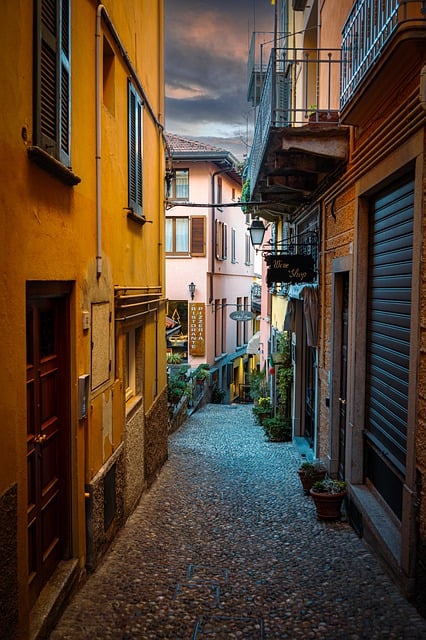
Italy in 6 Days on a Budget (Costs) Six days is the sweet spot for a first Italy trip: 2 full nights each in Rome, Florence and Venice, the honest minimum pace for actually seeing a city rather than photographing it from a train window. That’s the Rome-Florence-Venice triangle at the pace we’d recommend, not a rushed version of it. If 6 days isn’t an option, our 5-day itinerary...
read more
Kuala Lumpur in 5 Days on a Budget (Daily Costs)
Heads up: some links here are affiliate links. Book or buy through them and we may earn a small commission at no extra cost to you. We only point you to things we would actually use.
Five days is where a real day trip earns its place Days 1 through 4 here match the 4-day itinerary : KLCC and Bukit Bintang, the colonial core and Chinatown, Batu Caves and KL Tower, then Putrajaya and Brickfields.
read more
Memphis in 3 Days: Budget + Day Trips
Heads up: some links here are affiliate links. Book or buy through them and we may earn a small commission at no extra cost to you. We only point you to things we would actually use.
3 days: one city day, then a Clarksdale overnight Three days lets Clarksdale stop being a rushed round trip and become an actual overnight, the way its standout attraction, the Shack Up Inn’s sharecropper-shack...
read more