Recent Tr4vel
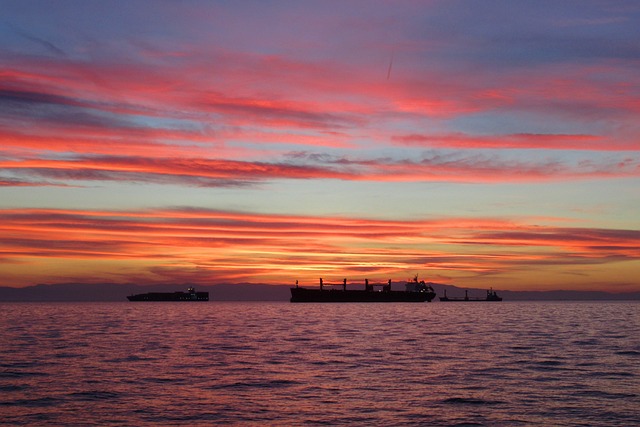
Thessaloniki in 4 Days on a Budget (Daily Costs)
4 days in Thessaloniki, budgeted honestly Thessaloniki is Greece’s second city, not a smaller Athens and not an island stop: a working port and university town on the Thermaic Gulf, layered with Roman, Byzantine and Ottoman history, with a fair claim to being the country’s food capital. Four days is enough to do the city properly, the same free-to-walk historic centre, Ano Poli and...
read more
Thessaloniki in 5 Days on a Budget (Daily Costs)
5 days in Thessaloniki, budgeted honestly Thessaloniki is Greece’s second city, not a smaller Athens and not an island stop: a working port and university town on the Thermaic Gulf, layered with Roman, Byzantine and Ottoman history, and a fair claim to being the country’s food capital. Five days here is 3 real city days plus two separate day trips, not a city padded out to fill a week....
read more
Thessaloniki in 6 Days on a Budget (Daily Costs)
6 days in Thessaloniki, budgeted honestly Thessaloniki is Greece’s second city, not a smaller Athens and not an island stop: a working port and university town on the Thermaic Gulf, layered with Roman, Byzantine and Ottoman history, with a fair claim to being the country’s food capital. Six days here is the honest 3-day city core plus three separate regional day trips, not a city...
read more
Thessaloniki in 7 Days on a Budget (Daily Costs)
7 days in Thessaloniki, budgeted honestly Thessaloniki is Greece’s second city, not a smaller Athens and not an island stop: a working port and university town on the Thermaic Gulf, layered with Roman, Byzantine and Ottoman history, with a fair claim to being the country’s food capital. Seven days here is 3 real city days plus four separate day-trip days, Vergina’s royal tombs,...
read more
Thessaloniki on a Budget: Cheap and Free Sights
Thessaloniki is Greece’s second city, and its best sights are free Thessaloniki is Greece’s second-largest city, not a smaller Athens and not an island stop: a working port and university city on the Thermaic Gulf, layered with Roman, Byzantine, Ottoman and Sephardic Jewish history, and fairly marketed as the country’s food capital. The city itself is a comfortable 2 to 3 day...
read more
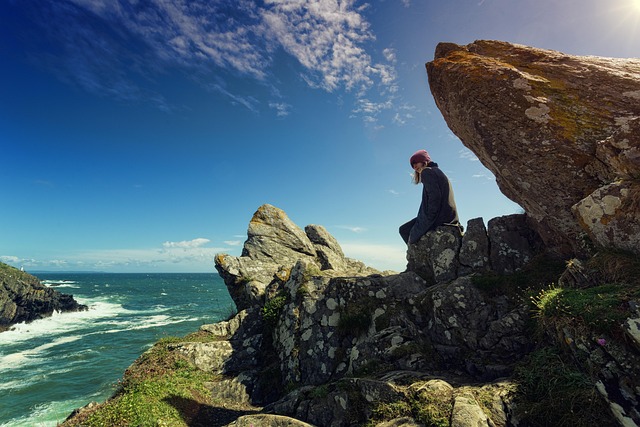
United Kingdom in 2 Days on a Budget
Two honest days in London on a lean budget The United Kingdom is four nations, England, Scotland, Wales, and Northern Ireland, and this trip sticks to just one of them: London, the UK capital, in England. (The Republic of Ireland is a separate country next door, not part of the UK.) The currency is the pound sterling, not the euro, and displayed prices already include 20% VAT with no tourist...
read more
United Kingdom in 4 Days on a Budget
Two honest days in London, then the train north to Edinburgh The United Kingdom is four nations, England, Scotland, Wales, and Northern Ireland, not just England, and this budget route covers two of them: London, the UK capital, and Edinburgh, Scotland’s capital, joined by rail. The currency is the pound sterling, not the euro, and every price on this page already includes 20% VAT with no...
read more
United Kingdom in 5 Days on a Budget
Five days, two cities, one advance-rail ticket The United Kingdom is four nations, England, Scotland, Wales, and Northern Ireland, not just England, and this trip crosses the border between two of them: London (England’s capital and the UK capital) and Edinburgh (Scotland’s own capital). The currency everywhere is the pound sterling, never the euro, and displayed prices already include...
read more
United Kingdom in 6 Days on a Budget
Six days, two capitals, and one Highlands day trip north The United Kingdom is four nations, England, Scotland, Wales, and Northern Ireland, not just England, and this six-day route touches two of them plus a proper day trip beyond: London, the UK’s capital, then north by rail to Edinburgh, Scotland’s own capital, then out into the Highlands for a day before you head home. The currency...
read more
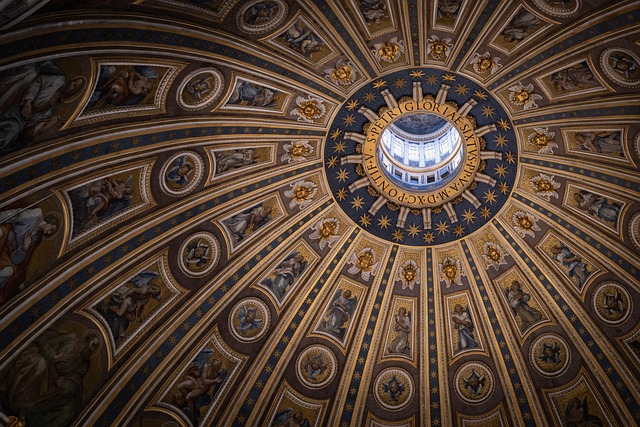
Vatican City in 2 Days on a Budget (Daily Costs)
Two days: the Vatican core, then Rome Vatican City is 44 hectares, the smallest country on earth, and you can walk its two big draws, St Peters and the Vatican Museums, in one focused day. This 2-day budget plan gives Day 1 to the Vatican itself and Day 2 to the free and cheap side of Rome next door. Want more room for Rome’s bigger sights? The 3-day plan adds the Colosseum and Forum; the...
read more
Vatican City in 3 Days on a Budget (Daily Costs)
Three days: the Vatican core, then Rome Vatican City is 44 hectares, the smallest country on earth, and its two big draws, St Peter’s and the Vatican Museums, fit into one full day. This 3-day budget plan gives Day 1 to the Vatican itself, Day 2 to ancient Rome’s paid sights, and Day 3 to Rome’s free historic centre. Want a tighter trip? The 2-day plan drops a Rome day; the 4-day...
read more
Vatican City in 4 Days on a Budget (Daily Costs)
Four days: the Vatican core, then Rome Vatican City is 44 hectares, the smallest country on earth, and its two big draws, St Peter’s and the Vatican Museums, fit into one full day. This 4-day budget plan gives Day 1 to the Vatican itself and Days 2 through 4 to Rome next door: ancient Rome, the free historic centre, and the Borghese Gallery. Shorter on time? The 2-day plan and 3-day plan...
read more
Vatican City in 5 Days on a Budget (Daily Costs)
Five days: the Vatican core, then a fuller Rome Vatican City covers 44 hectares, the smallest country on earth, and its two headline sights, St Peter’s Basilica and the Vatican Museums, fit into a single focused day. This 5-day budget plan gives Day 1 to the Vatican itself, then spreads four more days across Rome: ancient Rome, the free historic centre, the Borghese Gallery, and the Appian...
read more
Vatican City in 6 Days on a Budget (Daily Costs)
Six days: the Vatican core, then a full week of Rome Vatican City covers 44 hectares, the smallest country on earth, and its two headline sights, St Peter’s Basilica and the Vatican Museums, fit into one focused day. This 6-day budget plan gives Day 1 to the Vatican itself, then spreads five more days across Rome: ancient Rome, the free historic centre, the Borghese Gallery, the Appian Way,...
read more
Vatican City in 7 Days on a Budget (Daily Costs)
Seven days: the Vatican core, then a full Rome trip Vatican City covers 44 hectares, the smallest country on earth and a UNESCO World Heritage Site in its entirety, and its two headline sights, St Peter’s Basilica and the Vatican Museums, fit into a single focused day. This 7-day budget plan gives Day 1 to the Vatican itself, then spreads six more days across Rome and two easy day trips....
read more
Vatican City on a Budget: Free and Cheap Sights
The free-versus-paid picture in Vatican City You can spend nothing and still see the best of it: St Peter’s Basilica, St Peter’s Square, and the exterior ramparts cost zero euros. The one real spend most visitors need is the Vatican Museums and Sistine Chapel, running roughly EUR 20-25 for a timed, booked-ahead ticket. Check availability and book Vatican Museums tickets on GetYourGuide...
read more
Vatican City on a Budget: Prices and Free Days
Most of Vatican City costs nothing. St Peter’s Basilica, St Peter’s Square, Bernini’s colonnade and the ramparts views are all free, no ticket and no booking required. The one real spend is the Vatican Museums and Sistine Chapel: a paid, timed-entry ticket running roughly EUR 20 to 25 that you should book online before you arrive, not at the door. Add EUR 8 to 10 if you climb St...
read more
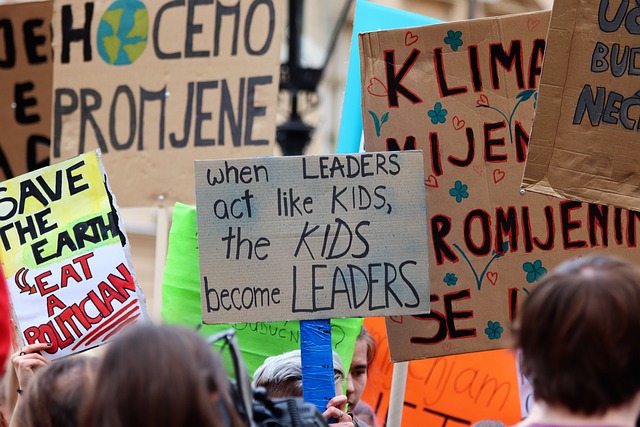
Zagreb in 2 Days on a Budget (Daily Costs)
Two days in Zagreb covers the free version of the city almost completely: Upper Town’s hilltop sights cost nothing to look at, Dolac Market costs nothing to browse, and Lower Town’s green-horseshoe parks and Mirogoj Cemetery are free to walk. Budget roughly EUR 20-40 a day for transit, food and the one museum ticket worth paying for, and skip a rental car entirely; the ZET tram network...
read more
Zagreb in 3 Days on a Budget (Daily Costs)
Three days is the sweet spot for Zagreb on a budget: two days cover the free version of the city almost completely, and the third buys you a cheap day trip instead of a third day of diminishing-returns sightseeing. Expect to spend roughly EUR 58-100 total across the three days for transit, food, one museum ticket and a Samobor bus fare, before lodging. Croatia has used the euro since 1 January...
read more
Zagreb in 6 Days on a Budget (Daily Costs)
Six days is enough to do Zagreb properly and still leave the city, because Zagreb itself is genuinely a 2-3 day stop, not a week of daily must-sees. Spend the first two days on the free-and-cheap Upper and Lower Town core, then use the other four for cheap day trips by public bus: Samobor for kremsnita, Plitvice Lakes for the waterfalls (the one genuinely expensive ticket on this whole trip),...
read more
Zagreb in 7 Days on a Budget (Daily Costs)
Seven days is more than Zagreb itself needs. The city is genuinely a 2-3 day stop, so the other five days here are cheap public-transport day trips, not padding. Spend Days 1-2 on the free Upper and Lower Town core, then use Days 3-7 for bus and train trips to Samobor, Plitvice Lakes, Varazdin and the Zagorje castles, plus one honest fork on Day 7: a pricier coast stretch or a slower, cheaper...
read more
Zagreb on a Budget: 9 Cheap and Free Things to Do
Zagreb on a Budget: 9 Cheap and Free Things to Do Zagreb is the capital of Croatia, sitting inland in the continental north, not on the Adriatic coast that most Croatia trips chase. That geography is good news for a budget visit: no beach markup, a compact walkable core, and a currency that’s been the euro since 1 January 2023 (the old kuna is retired, so don’t budget for it). Croatia...
read more
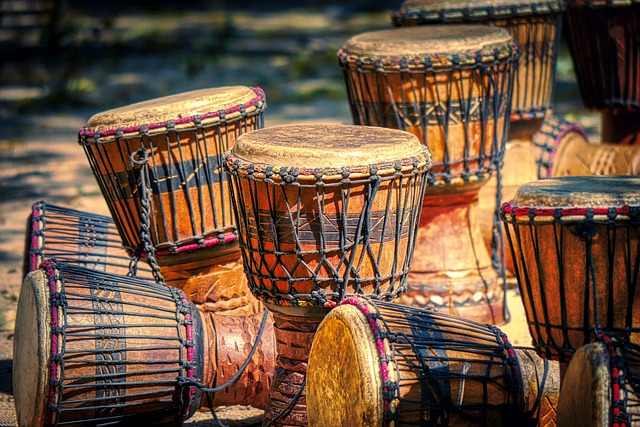
Zimbabwe in 3 Days on a Budget (With Daily Costs)
3 days in Victoria Falls, the only honest budget version of Zimbabwe Zimbabwe is a multi-day safari and Victoria Falls country, not somewhere you casually drop in on for a long weekend, and a proper safari through Hwange or Mana Pools runs at real, pricey, mostly fly-in or lodge-and-operator rates. On a tight 3-day budget, the honest move is to skip inventing a cheap safari and spend the whole...
read more
Zimbabwe in 4 Days on a Budget (With Daily Costs)
Four days in Zimbabwe realistically buys two things done properly: Victoria Falls itself, and a first taste of Hwange National Park’s elephant herds, reached by road instead of a pricey light-aircraft charter. This is genuinely a safari country, not a city break, and even the leanest honest version of it isn’t cheap. Park fees, camps and activities are priced in US dollars, since the...
read more
Zimbabwe in 5 Days on a Budget (With Daily Costs)
5 days in Zimbabwe on a budget: Victoria Falls, then a real Hwange safari Five days is the shortest trip that gets you past the falls and into an actual Zimbabwe safari, not just a taster of it. This plan spends two days in Victoria Falls town, two days chasing elephant herds in Hwange National Park by road rather than light aircraft, and a fifth day at Matobo Hills for rhino tracking, the...
read more
Zimbabwe in 7 Days on a Budget (With Daily Costs)
Seven days is what it takes to run the honest, budget version of a real Zimbabwe safari, not a shortcut around one: two days at Victoria Falls, two more inside Hwange National Park for the elephants, a road transfer south to Bulawayo and Matobo Hills for rhino tracking, and a last day at Great Zimbabwe’s stone ruins near Masvingo. It is still safari-country money even done leanly, priced and...
read more
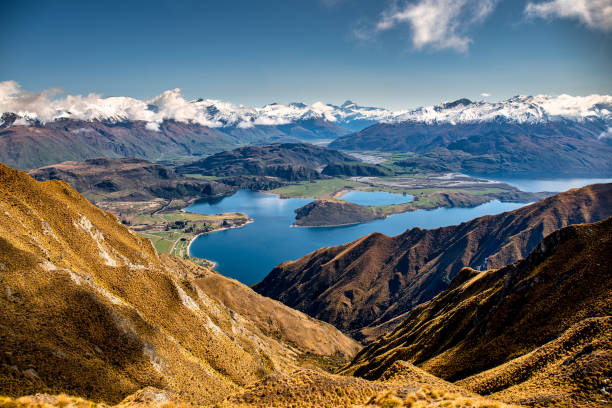
New Zealand in 2 Days on a Budget (Daily Costs)
New Zealand in 2 Days: The Honest Auckland-Waitomo Route Two days in New Zealand on a budget means Auckland plus one day trip north to Waitomo, not a lap of the whole country. Before you land, budget roughly NZD $117-123 per person just for entry: the NZeTA travel authority (NZD $17 via the official app or $23 on the immigration.govt.nz website) plus the International Visitor Conservation and...
read more
New Zealand in 3 Days on a Budget (Daily Costs)
New Zealand in 3 days on a budget Three days in New Zealand realistically means one corner of one island, not “New Zealand”: this route sticks to the North Island’s Auckland-Waitomo-Rotorua triangle, the cheapest way to see a real slice of the country without a rental car sitting idle on a ferry. New Zealand prices in the NZ dollar (NZD, not the Australian dollar), and getting in...
read more
New Zealand in 5 Days on a Budget (Daily Costs)
5 days in New Zealand on a budget: the South Island route Five days on a New Zealand budget means picking one island and doing it properly, not chasing both. New Zealand is two islands joined only by the Cook Strait ferry or a short flight, and burning a day on that crossing eats too much of a short trip, so this route stays entirely on the South Island: Christchurch to Aoraki/Mt Cook to...
read more
New Zealand in 6 Days on a Budget (Daily Costs)
New Zealand in 6 Days: North Island Triangle, Then a Flight South Six days on a budget still isn’t the two weeks or more that New Zealand really wants for a proper both-islands trip, but it’s enough to see both islands instead of one, if you swap the Cook Strait ferry for a domestic flight. This route spends three days on the familiar North Island triangle (Auckland, Waitomo, Rotorua),...
read more
New Zealand on a Budget: Prices and Free Days
New Zealand costs more than most first-timers plan for, and the bill starts before you land: the NZeTA plus the International Visitor Conservation and Tourism Levy runs NZD $100 per person, on top of whatever the flight costs. Once you’re here, the real budget lever isn’t any single sight, it’s the North-South Island split and how you cross the Cook Strait. The good news is that...
read more
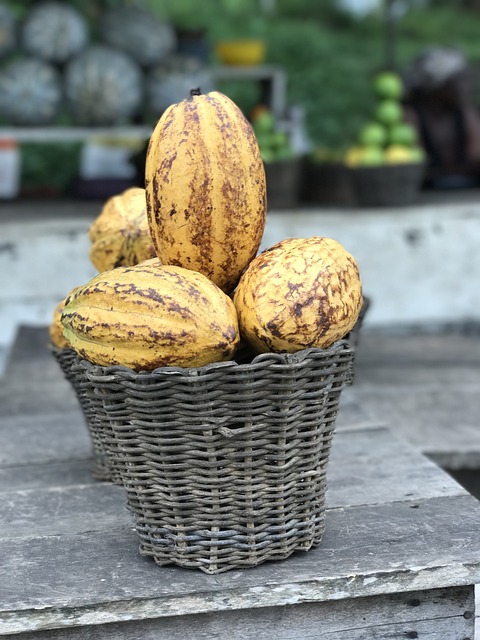
Accra in 2 Days on a Budget (With Daily Costs)
Accra in 2 Days: The Budget Jamestown-to-Labadi Route Two days in Accra covers the honest core of the city on a real budget: Jamestown’s old harbor and lighthouse, the Kwame Nkrumah Mausoleum, Independence Square, Makola Market, dinner in Osu, and a half-day at Labadi Beach. Bring cash in cedis (GHS), since Ghana runs on mobile money (MTN MoMo) at least as much as cards outside the upscale...
read more
Accra in 3 Days on a Budget (With Daily Costs)
Accra in 3 days on a budget Three days covers Accra’s compact core (Jamestown, the Kwame Nkrumah Mausoleum, Independence Square and Osu) and still leaves room for the one add-on most first-time visitors actually want: a Cape Coast and Elmina castle day, roughly three hours west by road. Ghana is anglophone and priced in the cedi (GHS), not CFA francs or US dollars, and mobile money (MTN...
read more
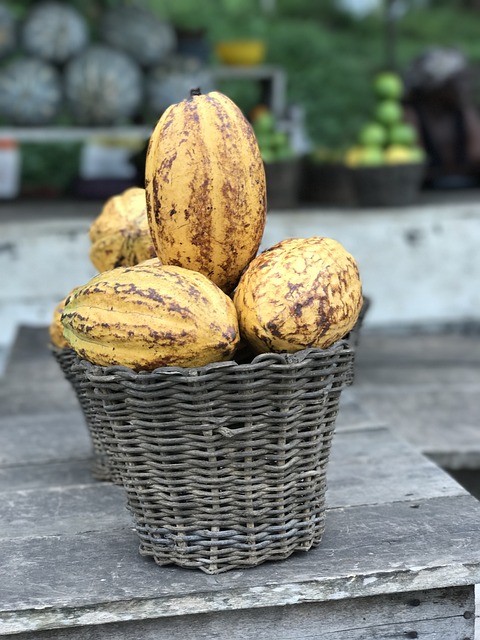
Accra in 4 Days on a Budget (With Daily Costs)
4 days in Accra, budgeted day by day Accra is Ghana’s hot, humid, traffic-heavy capital on the Gulf of Guinea, priced in cedi (GHS), not CFA francs, and increasingly run on MTN Mobile Money rather than cash alone. Four days is the honest budget version of the city’s headline trip: two days on Accra’s own core sights, then an overnight out to the Cape Coast, Elmina and Kakum...
read more
Accra in 6 Days on a Budget (With Daily Costs)
6 days in Accra, budgeted day by day Accra is Ghana’s hot, humid, traffic-heavy capital, paid for in Ghanaian cedis (GHS) with mobile money (MTN MoMo) covering more everyday spending than cards do. Six days on a budget covers two full days of the Accra core, an overnight out to Cape Coast and Elmina (the standout heritage add-on most trips build around), a cooler day in the Aburi hills, and...
read more
Accra in 7 Days on a Budget (With Daily Costs)
Accra in 7 Days: The Full Budget Route A week in Accra is enough to do the whole ladder properly: two days on the city’s own sights, a real overnight on the Cape Coast and Elmina heritage coast instead of a rushed round trip, and three extra days for Aburi’s cooler hill country, an Akosombo dam and Volta Lake cruise, and a slower beach day at Kokrobite. Ghana is anglophone and priced...
read more
Accra on a Budget: 9 Cheap and Free Things to Do
Accra is cheap if you start with what’s free Accra, the anglophone capital of Ghana on the Gulf of Guinea, prices everything in the cedi (GHS), and the mobile-money app MTN MoMo covers more daily spending here than cards do. The good news for a tight budget: the city’s best orientation stops, Independence Square, Jamestown’s harbor, Makola Market, cost nothing to see, and a full...
read more
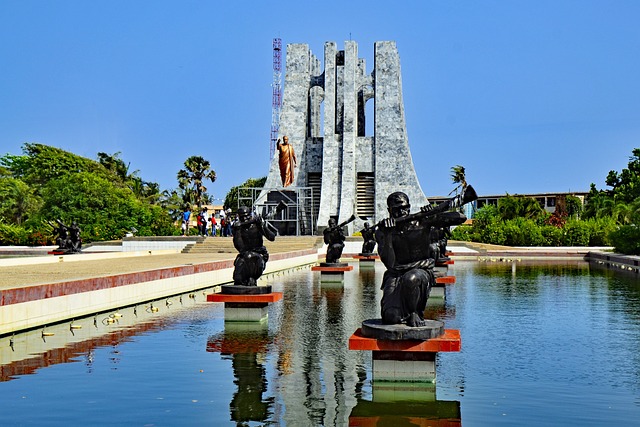
Accra on a Budget: Prices and Free Days
Accra will not wreck a budget the way a European capital can, but it is not a free-for-all either. Ghana’s currency is the cedi (GHS, roughly 15-17 to the US dollar), and mobile money (MTN MoMo) covers more daily spending here than cash or card. The good news: several of Accra’s best stops, Independence Square, a Jamestown wander, Makola Market, cost nothing. The real budget line items...
read more
Shenzhen in 2 Days on a Budget (With Daily Costs)
Shenzhen in 2 Days: The Budget Futian and OCT Route Shenzhen is the mainland Chinese megacity across the river from Hong Kong, not Hong Kong itself: prices run in RMB (yuan), not Hong Kong dollars, and mobile payment through Alipay or WeChat is the default for nearly everything, so bring a linked card and a VPN tested before you fly, since Google and WhatsApp are blocked once you land. Visa rules...
read more
Shenzhen in 3 Days on a Budget (With Daily Costs)
Shenzhen in 3 days on a budget Three days covers Shenzhen’s free Futian/OCT core and adds Huaqiangbei’s electronics market, without needing more than a couple of paid tickets total. Shenzhen is priced in yuan (CNY/RMB), not Hong Kong dollars, even though the border sits one metro ride away. Mobile payment, an Alipay or WeChat QR code, is the default for nearly everything here, so...
read more
Shenzhen in 4 Days on a Budget (With Daily Costs)
4 days in Shenzhen, budgeted day by day Shenzhen is a 17.5-million-person tech megacity in Guangdong, mainland China, directly across the border from Hong Kong but priced in yuan (CNY/RMB), not Hong Kong dollars. Four days covers the Futian/OCT core, Nanshan/Shekou, the Huaqiangbei electronics market and a free beach afternoon without inflating the budget much past a two-day trip. Expect mobile...
read more
Shenzhen in 5 Days on a Budget (With Daily Costs)
5 days in Shenzhen on a budget: the route Five days on a Shenzhen budget means front-loading the free sights, OCT-LOFT, Lianhuashan Park, Huaqiangbei, Dafen village, and paying only for the two attractions actually worth the yuan: Window of the World’s evening ticket and the Ping An deck. Run this way, most days land around ¥130-280, with one splurge day and one Dapeng Peninsula (or...
read more
Shenzhen in 7 Days on a Budget (With Daily Costs)
Seven days on a Shenzhen budget only works if you stop trying to fill all seven inside one mainland Chinese megacity. This plan spends five days on Shenzhen’s free and cheap core, then hands days 6 and 7 to Guangzhou and Hong Kong, both a short high-speed rail ride away. Total spend runs roughly CNY 150 to 600 a day depending on which extras you book.
This route keeps the same first five...
read more
Shenzhen on a Budget: 9 Cheap and Free Things to Do
Shenzhen is cheap once you skip the theme parks Shenzhen is a 17-million-person tech city in Guangdong, across the river from Hong Kong but not Hong Kong itself, priced in yuan (CNY/RMB) rather than Hong Kong dollars. The free and cheap side of the city is bigger than the theme-park brochures suggest: an arts district, a park with a 6-meter Deng Xiaoping statue, an entire electronics market, an...
read more
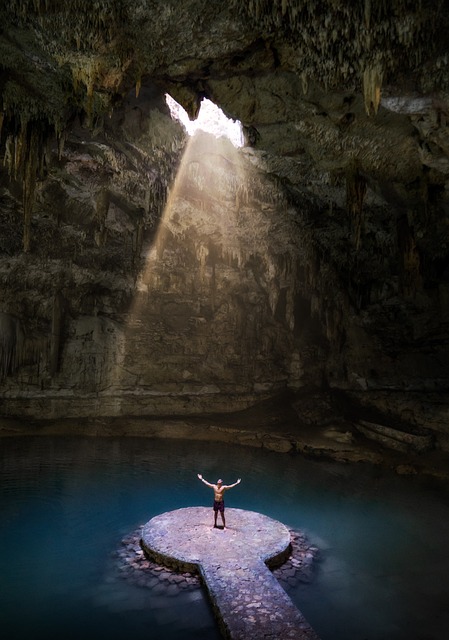
Cave of the Crystals Mexico: Costs and Tours
You cannot visit the Cave of the Crystals , and no amount of budget planning changes that. The chamber sits roughly 300m down inside a Peñoles lead-zinc-silver mine near Naica, Chihuahua state, Mexico, packed with selenite beams up to 11-12m long, among the largest natural crystals ever recorded. The mine flooded shut in October 2015 when the pumps stopped, and the chamber has sat underwater ever...
read more
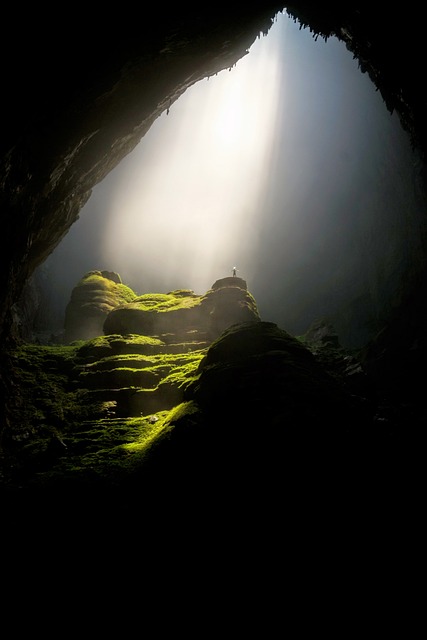
Cave of the Crystals on a Budget: Worth It?
Budget travelers always ask the same question first: what does it cost, and is there a cheaper way in? For the Cave of the Crystals the honest answer is that there is no way in at any price. The chamber sits about 300m down in Mexico’s Naica mine, lined with selenite crystals up to 11-12m long and an estimated 12 tonnes each, among the largest natural crystals ever documented. It was never a...
read more
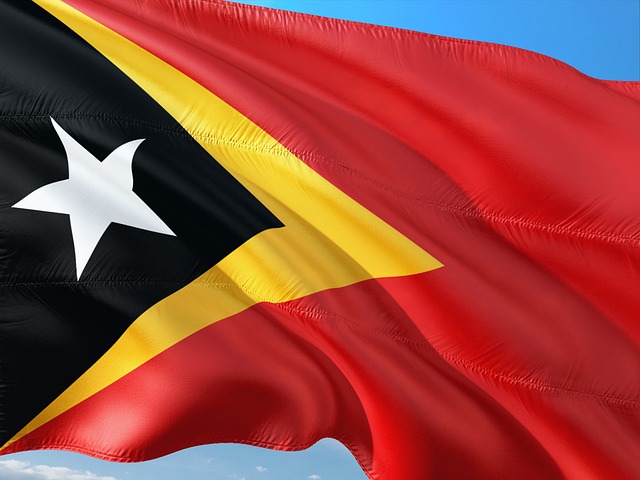
East Timor in 2 Days on a Budget (With Daily Costs)
Two days covers East Timor’s essential first stop: Dili’s free Cristo Rei climb, the Santa Cruz memorial, the Chega! Exhibition and Tais Market, run on roughly $35-70 a day. It’s also enough time for one Atauro ferry day if the sailing schedule cooperates. The 4-day , 5-day and 6-day itineraries add Baucau, Maubisse and the coffee highlands on top of this.
This is the shortest...
read more
East Timor in 4 Days on a Budget (With Daily Costs)
Four days covers East Timor’s classic first-timer loop on a real budget: a day and a half in Dili, an Atauro Island overnight reached by the $4-5 public ferry, and a Baucau day trip out along the sealed coastal highway. Timor-Leste, still widely called East Timor in English, has been independent of Indonesia since 20 May 2002, runs on the US dollar in cash, and was certified malaria-free by...
read more
East Timor in 5 Days on a Budget (With Daily Costs)
Five days stretches East Timor’s classic first-timer route one scenic overnight beyond the standard loop: a day and a half in Dili, an Atauro Island overnight on the public ferry, a Baucau day trip along the sealed coastal highway, and a night up in the Maubisse coffee highlands. Timor-Leste, still commonly called East Timor in English, has been independent of Indonesia since 20 May 2002,...
read more
East Timor in 6 Days on a Budget (With Daily Costs)
Six days is the East Timor first-timer route with actual breathing room: a day and a half in Dili, a two-night Atauro Island stay that turns the ferry’s own unpredictable schedule into slack instead of a stress point, a Baucau day trip on the sealed coastal highway, and a Maubisse coffee-highlands overnight to close the loop. Timor-Leste, still commonly called East Timor in English, has been...
read more