Recent Tr4vel
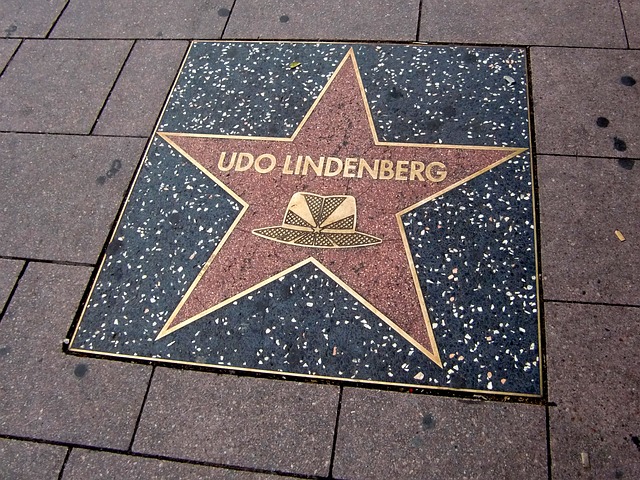
Hollywood Boulevard
Hollywood Boulevard in 2026: What the Postcards Still Get Wrong The Hollywood Walk of Fame now counts 2,840 stars and adds new ones every few months, yet foot traffic along the boulevard has never fully returned to pre-2020 levels. That gap between the mythology and the reality is the thing most first-time visitors are not prepared for. Hollywood Boulevard rewards visitors who go in with accurate...
read more
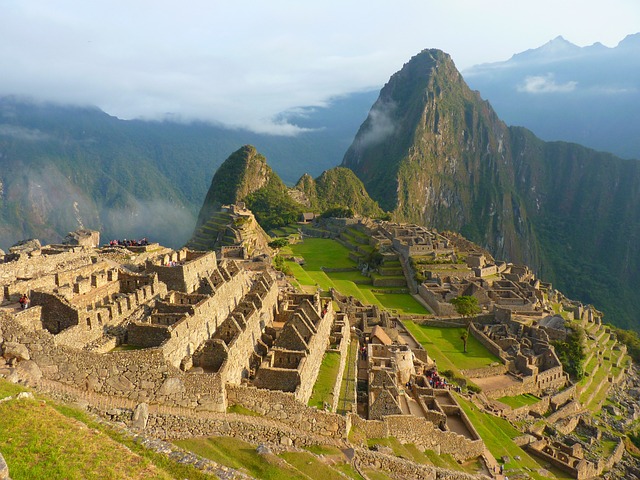
Machu Picchu, Peru
Machu Picchu: What the Ticket System Has Become and Why You Need to Plan Six Months Out The Inca citadel sat at 2,430 metres for roughly a century before being abandoned, sat for another four hundred years, and was only introduced to the outside world by Hiram Bingham in 1911. Today, Peru limits daily visitors to between 4,500 and 5,600 depending on the date, requires timed-entry slots, divides...
read more
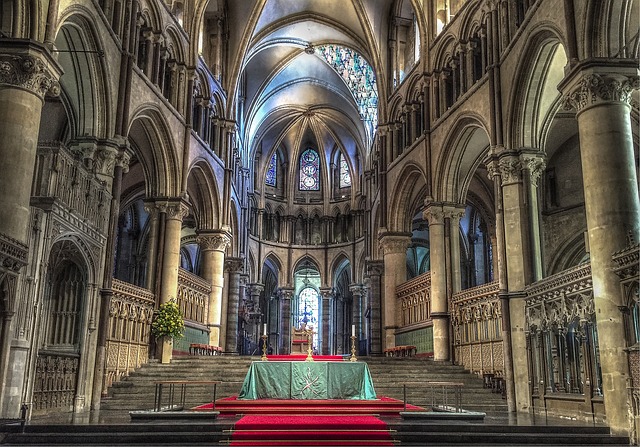
Canterbury Cathedral
Canterbury Cathedral: The Murder That Built a City When four knights burst into Canterbury Cathedral on the evening of 29 December 1170 and killed Thomas Becket, Archbishop of Canterbury, they created what would become the most important pilgrimage site in medieval England. Henry II’s muttered frustration, “Will no one rid me of this turbulent priest?”, may or may not have been...
read more
Clifton Suspension Bridge
The Bridge Brunel Never Saw Finished Isambard Kingdom Brunel died in 1859, two years before anyone picked up his Clifton Suspension Bridge plans again. He spent decades fighting for funding, watching riots derail investor confidence in 1831, and eventually seeing the project abandoned entirely in 1853. The bridge that opened in 1864 was completed by two other engineers, William Barlow and John...
read more
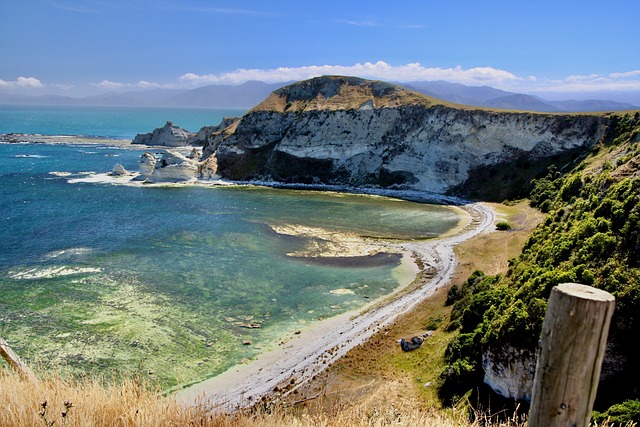
Kaikoura
The Underwater Canyon That Keeps Sperm Whales Here All Year Most whale watching destinations are seasonal. You chase whales because they follow prey on a migratory circuit and happen to pass through for a few months. Kaikoura is different. Sperm whales live here permanently because they don’t need to go anywhere else. About a kilometre offshore, the Kaikoura Canyon drops from 30 metres to...
read more
Hermitage
The Hermitage Museum, St Petersburg: What the Collection Is and What Visiting Means Right Now The State Hermitage Museum holds more than three million works of art spread across six connected buildings on the south bank of the River Neva in central St Petersburg. By exhibition floor space (over 233,000 square metres), it is the largest art museum in the world. The collection began in 1764 when...
read more
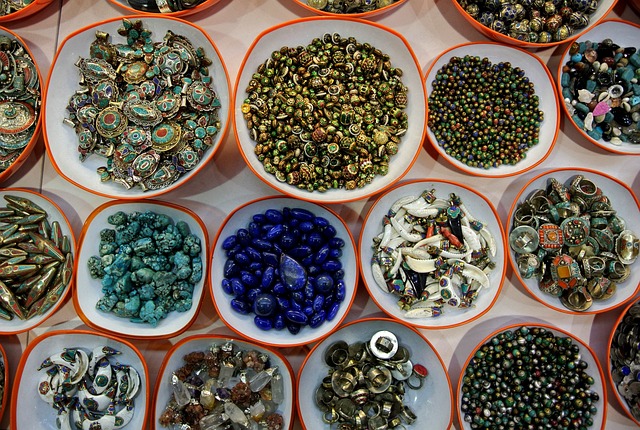
Grand Bazaar Istanbul
Built to Fund a Mosque Sultan Mehmed II founded the Kapalicarsi, the Covered Market, which the world now calls the Grand Bazaar, in the winter of 1455 to 1456, just two years after the Ottoman conquest of Constantinople. His specific intention, according to historical sources, was to generate revenue for the maintenance and endowment of the Hagia Sophia, which he had just converted from a...
read more
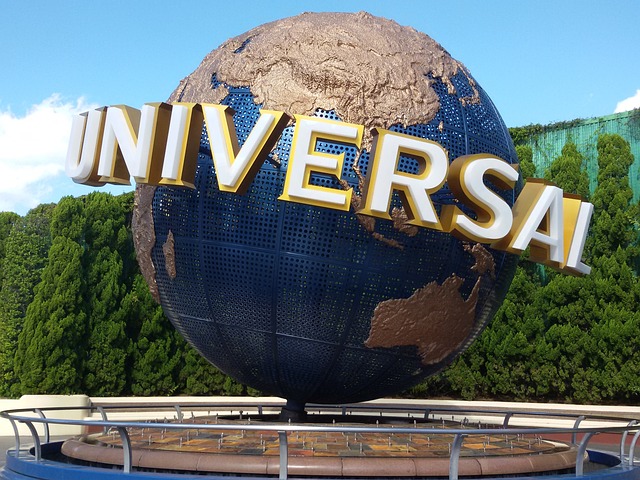
Universal Studios Japan
Universal Studios Japan in 2026: A Bigger Park Than You Left Behind Universal Studios Japan opened on 31 March 2001. For its 25th anniversary in 2026, the park has added new zones, launched a special anniversary parade (Discover U!! Version, running from March 4, 2026), and doubled down on its Japan-exclusive programming. The result is a park that has diverged significantly from its American...
read more
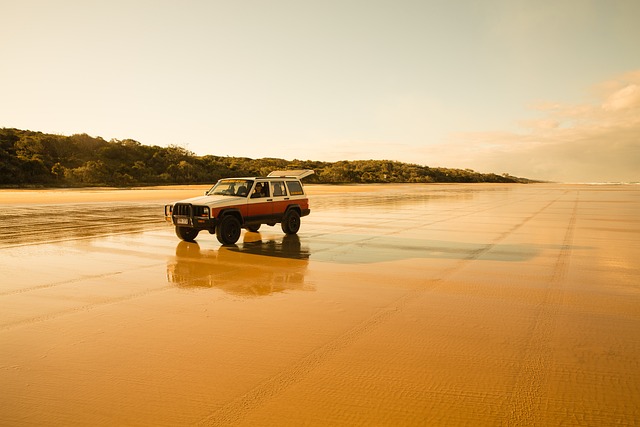
Fraser Island, Queensland
K’gari: The World’s Largest Sand Island Is Also One of Its Most Misunderstood The official name changed in 2023. The island is now K’gari, its Butchulla name, meaning “paradise”, and the Butchulla people have been here for at least 5,000 years. Most visitors still call it Fraser Island, which is fine, but knowing the name K’gari matters because it reframes what...
read more
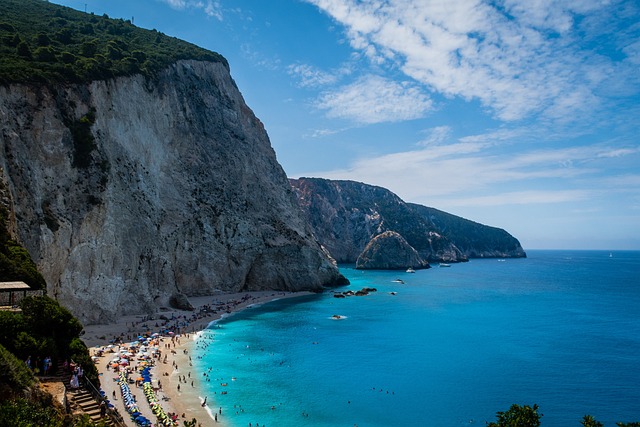
Greek Islands Greece
Greece Has Too Many Islands to Waste on the Obvious Ones Greece has 227 inhabited islands and most visitors see two of them. That is not entirely the visitors’ fault: Santorini and Mykonos consume the oxygen in every travel magazine, while quieter islands with better food, emptier beaches, and half the price tags barely register. Greece’s tourism authorities are now actively managing...
read more
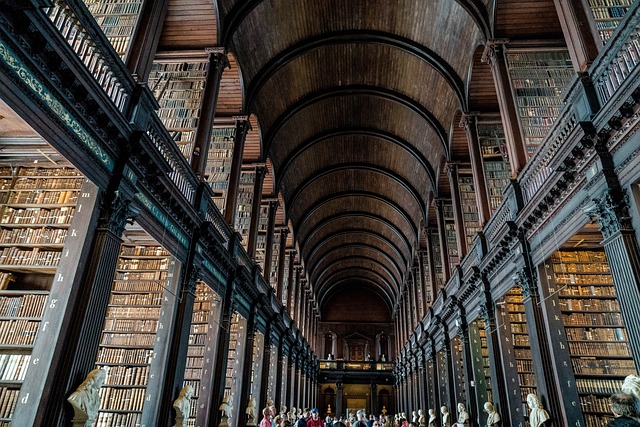
Trinity College
Trinity College Dublin: What They Don’t Tell You Before You Queue The Book of Kells is not the main event. That sounds wrong, but stay with it. Tucked upstairs from the manuscript display, the Long Room stretches 65 metres of barrel-vaulted ceiling above 200,000 leather-bound volumes, busts of scholars lining the walkway, and the oldest surviving Irish harp (the Brian Boru Harp, actually...
read more
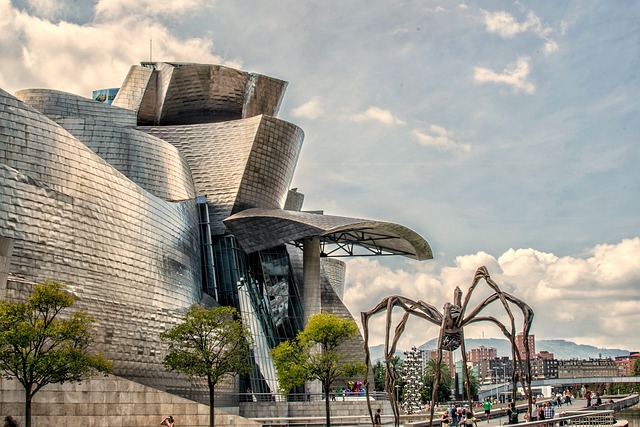
Guggenheim Museum (Bilbao)
The Building That Rebuilt a City: Guggenheim Bilbao In 1991, Bilbao was a city in serious trouble. The Basque industrial economy had collapsed, the Nervión River was toxic from steel and shipbuilding runoff, and the waterfront was a stretch of derelict docks. The Basque Government made a counterintuitive bet: spend roughly $89 million on a contemporary art museum designed by a Los Angeles...
read more
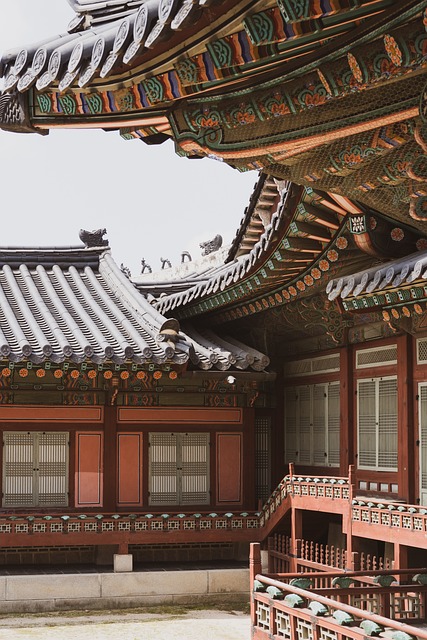
Dmz South Korea
The World’s Most Dangerous Nature Reserve The Korean Demilitarized Zone is 4 kilometers wide and 250 kilometers long, lined with landmines, patrolled by two opposing militaries, and as a direct consequence of all that, home to around 6,200 wildlife species according to South Korea’s National Institute of Ecology. The DMZ has been off-limits to human activity since the 1953 armistice,...
read more
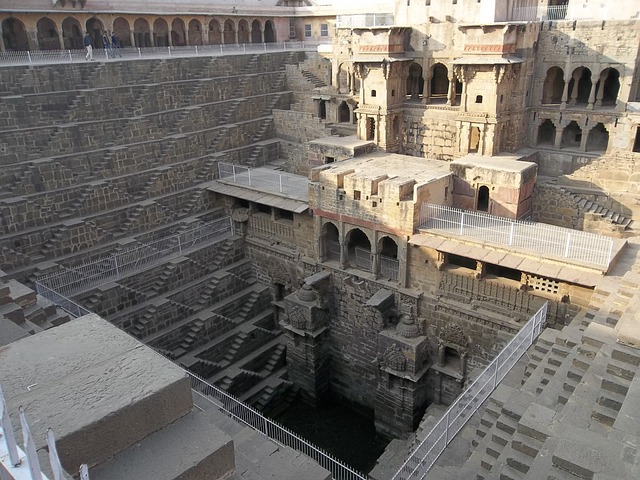
Chand Baori
The Stepwell That Works Better as an Air Conditioner At the bottom of Chand Baori, the air is five to six degrees cooler than at ground level. That thermal trick was the whole point. Built around the 8th to 9th century by Raja Chanda of the Nikumbh dynasty in the village of Abhaneri, this 30-metre-deep stepwell was not designed primarily as a monument. It was Rajasthan’s answer to scorching...
read more
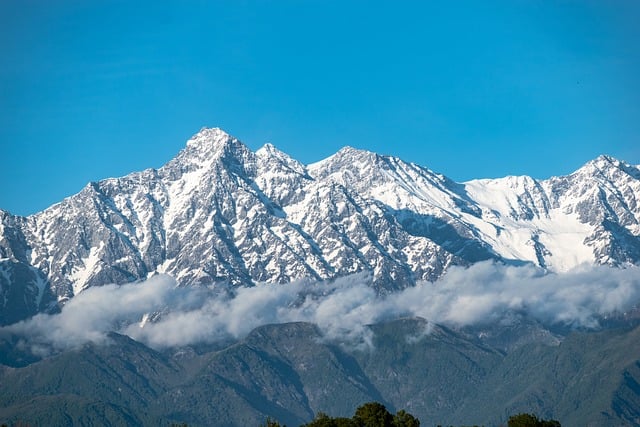
Fatehpur Sikri India
The City Akbar Built and Left: A Guide to Fatehpur Sikri Everyone says Fatehpur Sikri was abandoned because Akbar ran out of water. That story is almost certainly wrong, and knowing the real one makes the place considerably more interesting.
The city went up between 1571 and 1585, a little over 35 km from Agra, on a ridge of sandstone that Babur had camped on in 1527 precisely because it was a...
read more
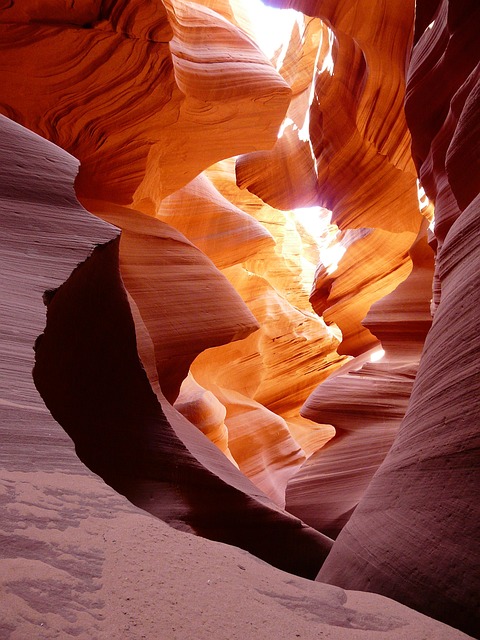
Antelope Canyon
Antelope Canyon The first thing your Navajo guide says before you descend into Lower Antelope Canyon is not about photography tips or light angles. He points up at the narrow slot of sky above your head and says: “If that sky goes dark, you run.” He is not being dramatic. On August 12, 1997, an eleven-foot wall of water came through this canyon with almost no local rainfall. Eleven...
read more
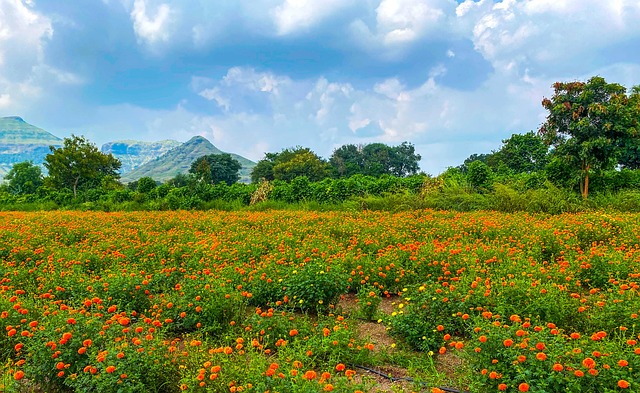
Dashashwamedh Ghat, India
Dashashwamedh Ghat, Varanasi: The Aarti Starts at Sunset and Lasts 45 Minutes, and the Boat Is a Better Seat Than the Steps Every evening on the western bank of the Ganges at Varanasi, seven or more priests in ochre robes line up along the stone platform of Dashashwamedh Ghat and perform the Ganga Aarti simultaneously. They hold brass lamps in concentric tiers, swing incense burners, blow conch...
read more
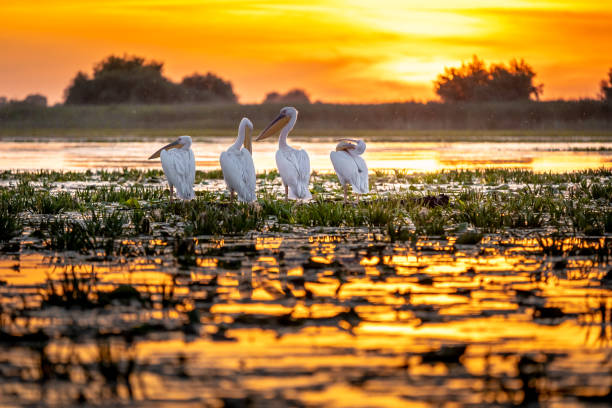
Danube Delta
The Danube Delta: Europe’s Largest and Least Touristed Wetland Roughly 14,000 pairs of Great White Pelicans breed in the Danube Delta each spring, the largest colony in Europe by a substantial margin. Another 450 to 500 pairs of the rarer Dalmatian Pelican nest here too, a species listed as vulnerable globally. On a still morning in May, the pelicans rise from the reed islands in...
read more
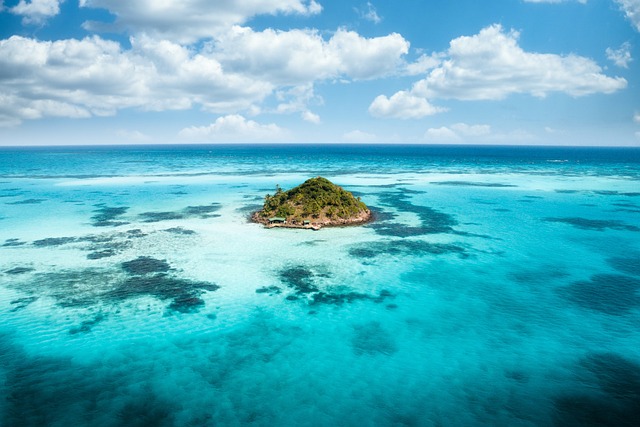
Relax in the Thermal Pools of Ischia an Island Off the Coast of Italy
The Island That Has Been Soaking People Since Ancient Greece Euboean Greek colonists first settled Ischia in the eighth century B.C., and one of their earliest discoveries was the island’s volcanic thermal springs. They used the mineral-rich water to treat war wounds. The Romans built public bathhouses fed by the Nitrodi spring in Barano d’Ischia. Over 2,500 years later, people are...
read more
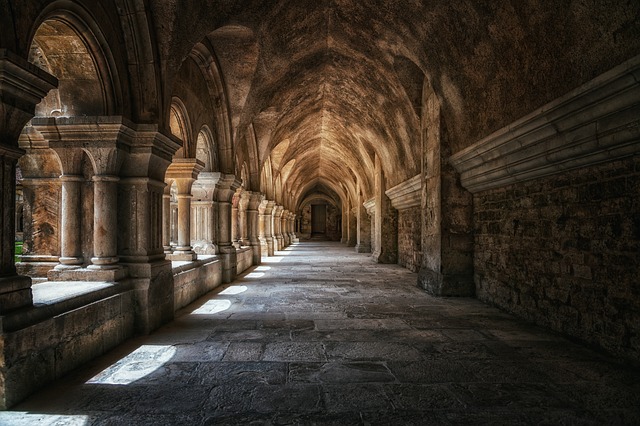
Erdene Zuu Monastery
The Monastery Built on the Bones of an Empire Erdene Zuu was built partly from rubble. When Abtai Sain Khan commissioned Mongolia’s first Buddhist monastery in 1586, the construction crews had a convenient source of stone nearby: the ruins of Karakorum, the 13th-century capital of the Mongol Empire that Kublai Khan had largely abandoned in favour of Khanbaliq (modern Beijing) in 1264. The...
read more

Brussels Mannekin Pis
The Statue That Disappoints Everyone and Nobody Stops Talking About The thing nobody warns you about: Manneken Pis is tiny. At 55.5 centimetres tall, the bronze boy stands in a corner alcove on the Rue de l’Etuve, and first-time visitors almost always walk past him before doubling back. Then they take a photo, laugh a little, and spend the next hour telling everyone they meet about him....
read more
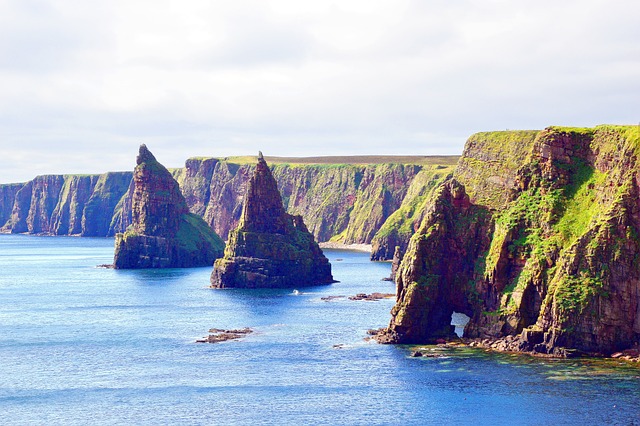
John OGroats
Not Britain’s Northernmost Point (and Worth Visiting Anyway) John O’Groats is commonly described as the northernmost point of mainland Britain. It is not. That title belongs to Dunnet Head, a headland about 16 miles to the west. John O’Groats is the northeastern corner of Scotland and the northern terminus of the famous Land’s End to John O’Groats route, which is a...
read more
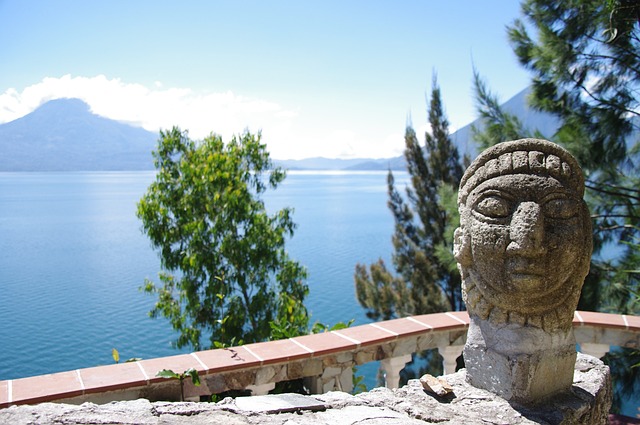
Lago Atitlan, Guatemala
Archaeologists Just Found a Submerged Maya City Under Lake Atitlan A recent underwater archaeological mission, carried out in collaboration with the indigenous Tz’utujil Maya community and published in the Journal of Maritime Archaeology, confirmed the existence of a submerged Maya settlement beneath the lake’s surface. What had been interpreted as scattered ritual remains was...
read more
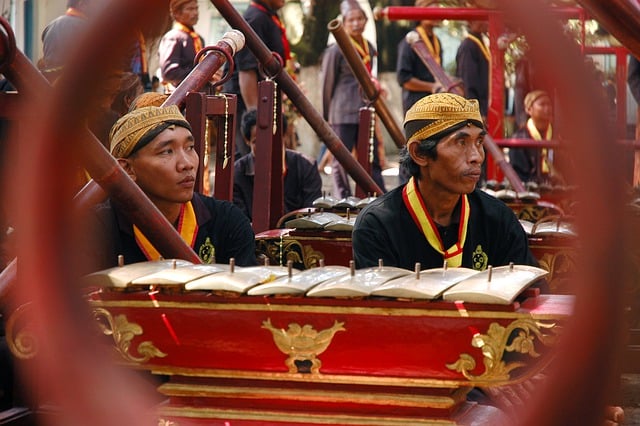
Borobudur Java Indonesia
Borobudur: Walking the World’s Largest Buddhist Monument The Sailendra dynasty never wrote down why they built Borobudur. No foundation inscription, no royal decree, no dedicatory text has ever been found – and the dynasty itself vanished from Java’s historical record not long after the temple was completed around 820 AD. Everything scholars know about the monument’s...
read more
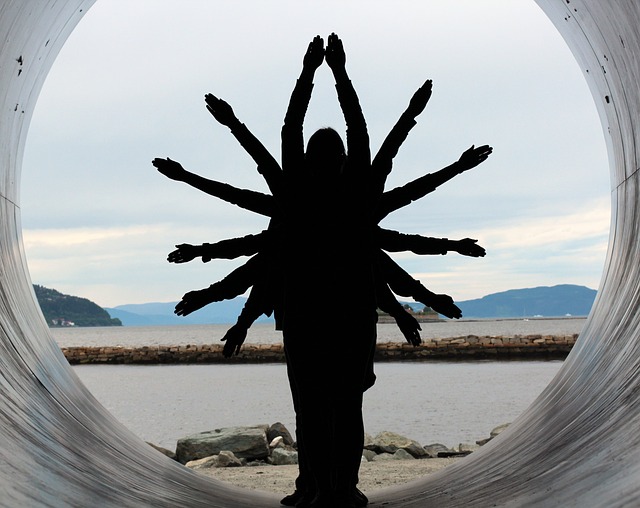
Kalemegdan - Kališ
Kalemegdan Fortress, Belgrade: Two Thousand Years on a Hill That Nobody Wanted to Give Up The name comes from Turkish: kale meaning town or fortress, megdan meaning field or battlefield. The Ottomans named it after they took Belgrade in 1521, but the hill had been fortified for at least fifteen centuries before that. The Celts called the settlement Singidunum. The Romans stationed Legio IV Flavia...
read more
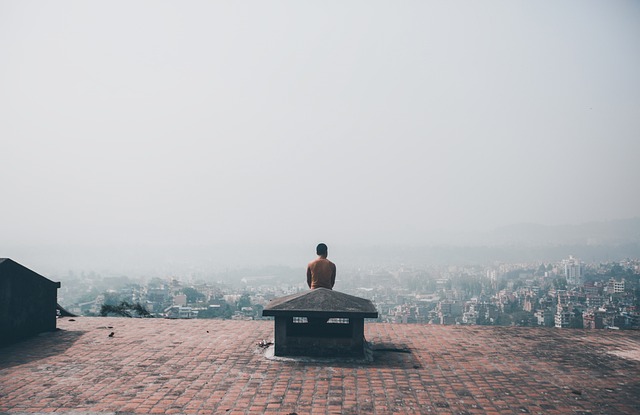
Boudhanath Stupa Kathmandu Nepal
The Dome That Outlasted Empires More gold went into Boudhanath Stupa’s 2016 restoration than into most royal building projects of the 20th century, over 30 kilograms of it, applied to the spire by Buddhist craftsmen working from memory and ancient texts. The April 2015 earthquake had cracked the spire badly. The reconstruction cost $2.1 million, funded entirely by private Buddhist donors,...
read more
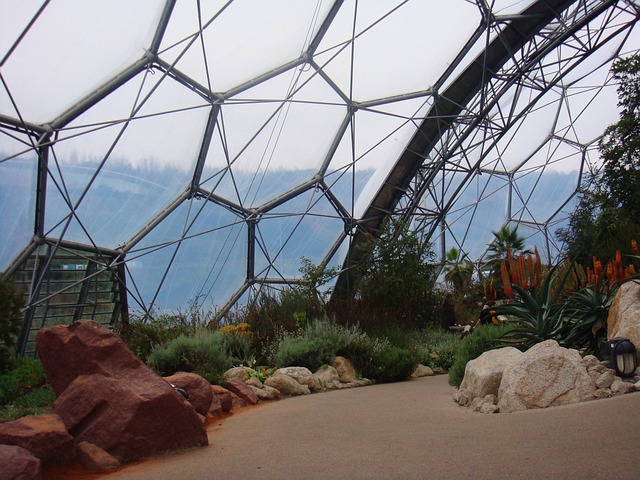
Eden Project
The World Grew Here: Inside Cornwall’s Extraordinary Eden Project Before the first seed went in the ground, engineers had to manufacture 90,000 tonnes of soil from scratch. The former china clay pit at Bodelva, worked for over 160 years, contained no topsoil at all when mining ceased in 1995. Scientists at Reading University spent years combining mineral waste from Cornish mine tailings with...
read more
Door to Hell Turkmenistan
The Clock Is Ticking on One of Earth’s Most Surreal Spectacles In autumn 1971, a team of Soviet geologists drilled into what looked like solid desert floor near the village of Darvaza, punctured the roof of an underground methane cavern, and watched their drilling rig disappear into the earth. Their fix was pragmatic to the point of absurdity: they lit the escaping gas on fire and assumed it...
read more
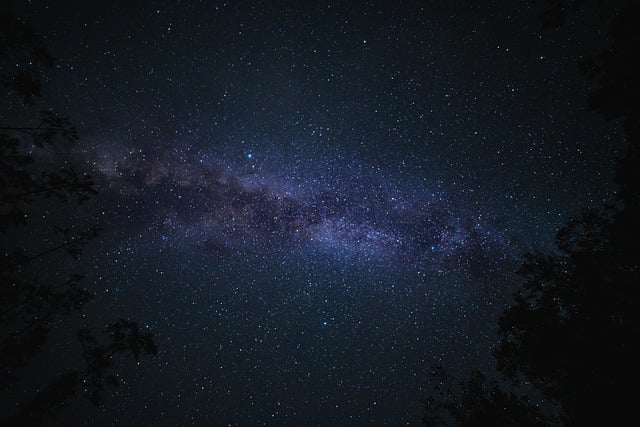
Headlands International Dark Sky Park
Headlands International Dark Sky Park: Free Skies Two Miles from a Tourist Town Mackinaw City, Michigan, is a souvenir-shop strip at the foot of the Mackinac Bridge. Two miles west of it is a 600-acre property with two miles of undeveloped Lake Michigan shoreline and some of the darkest skies in the eastern United States. The contrast is real. Headlands International Dark Sky Park was designated...
read more
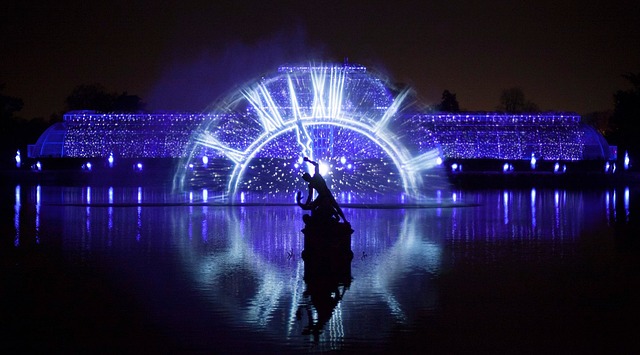
Kew Gardens
The World’s Most Important Garden Is in Zone 3 The Royal Botanic Gardens, Kew holds the world’s largest collection of living plants. It also runs the Millennium Seed Bank at Wakehurst in West Sussex, which has banked seeds from over 40,000 plant species from 190 countries, representing roughly 15 percent of the world’s wild plant species. Some of those seeds belong to plants that...
read more
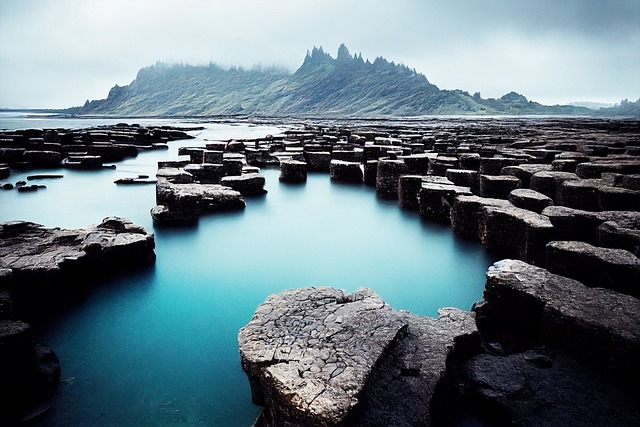
Giants Causeway
40,000 Columns of Basalt, One Thermal Contraction Crack at a Time Sixty million years ago, when Ireland was still physically attached to North America before the continents finished separating, a sequence of lava flows poured across the north Antrim coast. As each flow cooled from above and below, thermal contraction cracked the surface in a geometric pattern that propagates downward, producing...
read more
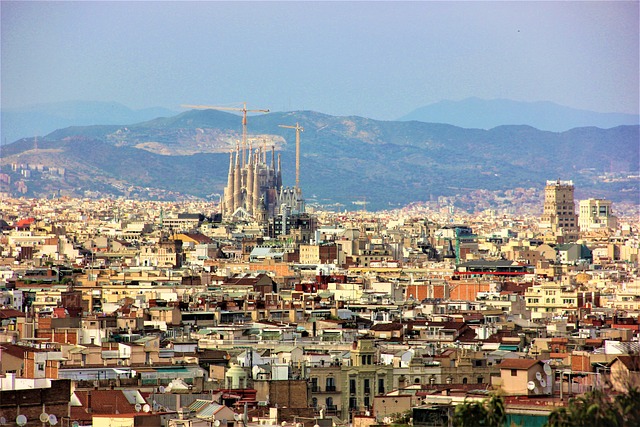
Sagrada Família
The Church That Funded Itself with Tickets and Never Took a Euro of Public Money Antoni Gaudi died in June 1926, struck by a Barcelona tram and initially unrecognised because he dressed so poorly that bystanders assumed he was a beggar. He had spent the last twelve years of his life living on the Sagrada Familia construction site, absorbed entirely by the project. At his death, roughly a quarter...
read more
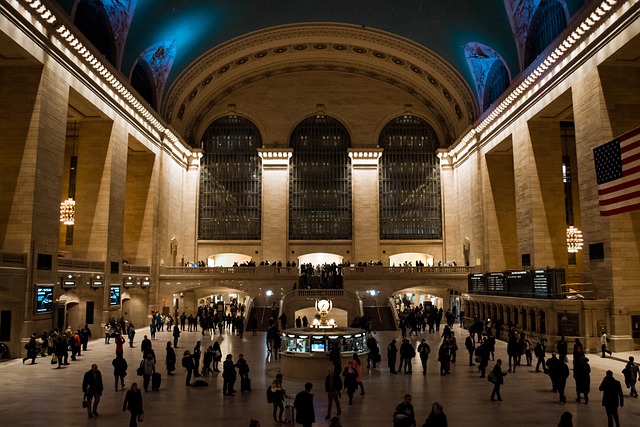
Grand Central Terminal, New York City
The Ceiling Is Wrong, and That Is the Best Thing About It The star map on the ceiling of Grand Central Terminal’s Main Concourse is painted backwards. The constellations are shown as they would appear from outside the celestial sphere, looking down at the heavens from God’s point of view rather than from the Earth looking up. This was not a mistake by the 1912 painters; it followed an...
read more
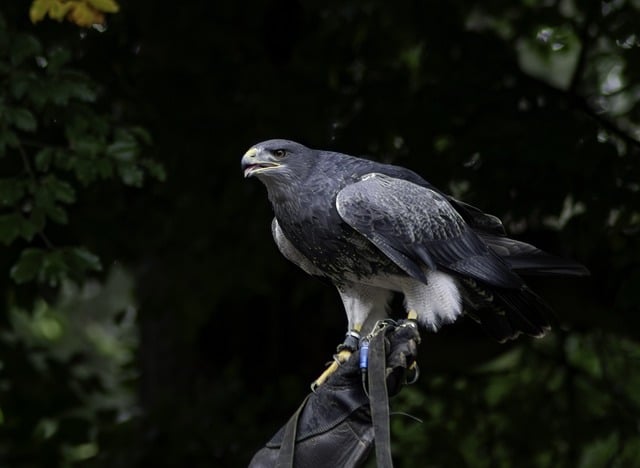
Cordillera Terraces, Philippines
The Cordillera Rice Terraces: Rethinking the “2,000-Year-Old” Claim Nearly every travel guide repeats it: the Ifugao rice terraces are 2,000 years old. Recent archaeology has complicated that significantly. Studies from the Ifugao Archaeological Project suggest the wet-rice terracing system may have been constructed much closer to 400 years ago, developed as a response to Spanish...
read more
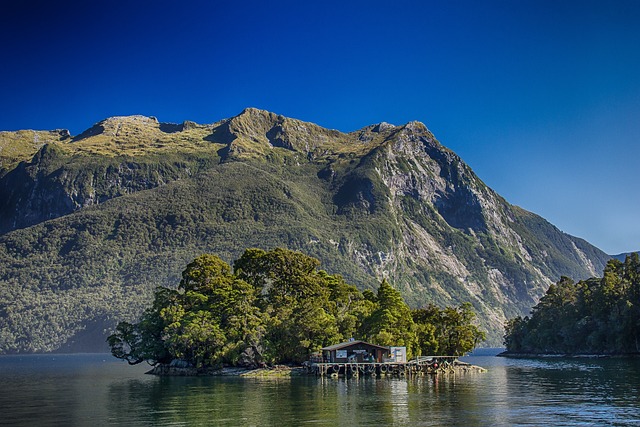
Doubtful Sound
Captain Cook Wouldn’t Go In. That Instinct Preserved It. When James Cook anchored off the entrance in 1770, he recorded the inlet as “Doubtful Harbour” because he doubted whether a sailing ship could get back out against the prevailing westerly wind. He was probably right, and his reluctance to enter meant that Doubtful Sound remained uncharted and largely unvisited for another...
read more
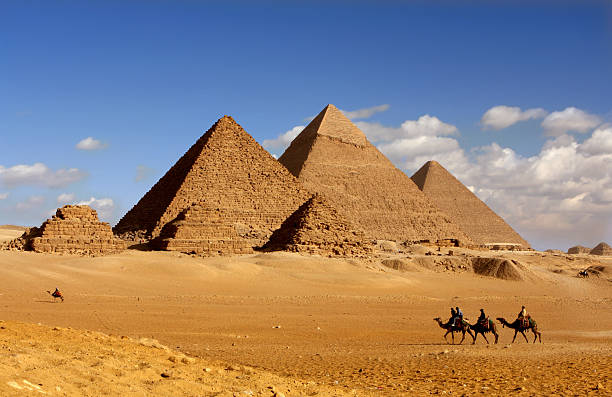
Pyramids of Giza
The Workers Who Built Khufu’s Pyramid Got Paid in Beer In 2013, a French archaeological team discovered a papyrus logbook at the Red Sea harbour of Wadi el-Jarf, the oldest papyri ever found. The author was an official named Merer, who supervised a team transporting Tura limestone to Giza during Khufu’s reign around 2560 BCE. His diary describes his workers receiving regular rations of...
read more
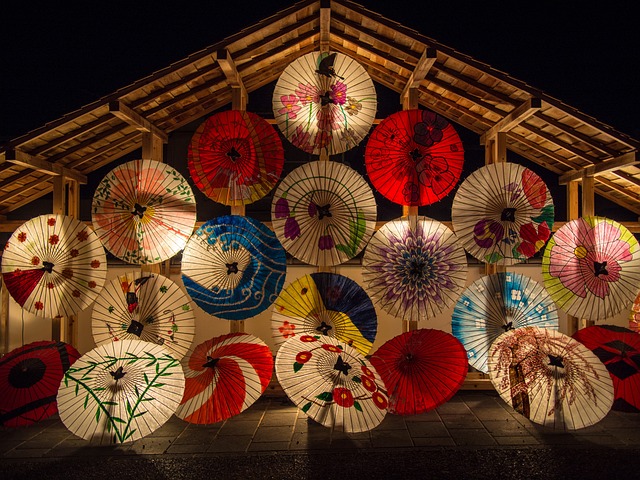
Japanese Ryokan, Japan
The World’s Oldest Hotel Is a Ryokan and Has Been Run by the Same Family for 52 Generations Nishiyama Onsen Keiunkan in Yamanashi Prefecture opened in 705 AD and holds the Guinness World Record for the world’s oldest operating hotel. The second-oldest hotel in the world is also a ryokan: Hoshi Ryokan in Ishikawa Prefecture, founded in 718 AD. These are not historical footnotes. They...
read more
Brandenburg Gate
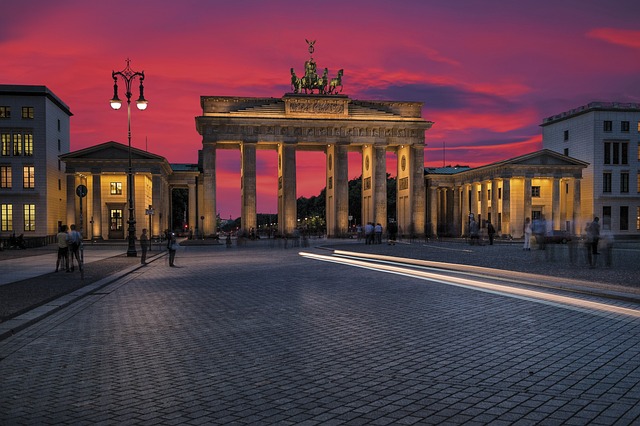
The Brandenburg Gate: Berlin’s Most Misread Monument Napoleon rode through it on 27 October 1806, ordered the bronze Quadriga on top shipped to Paris as a trophy, and then – by most accounts – promptly forgot about the statue. It sat in a Paris storehouse for eight years while his empire unravelled around him. When Prussian troops returned it to Berlin in 1814, the figure...
read more
Canadian Rockies
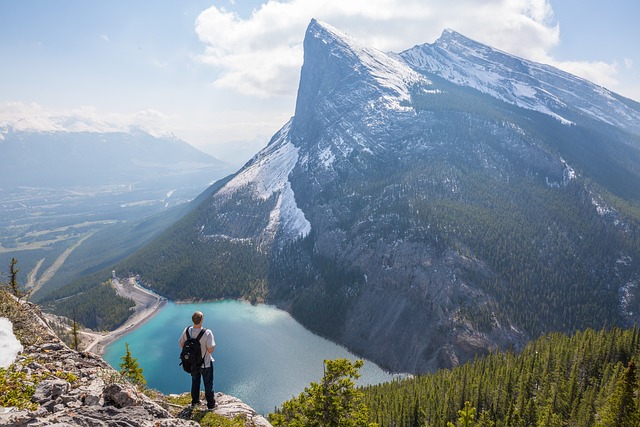
Book the Shuttle First, Plan Everything Else Second The single most important thing to know before visiting Moraine Lake is that you cannot drive there. Personal vehicles have been banned from the Moraine Lake road since 2023. Access is by Parks Canada shuttle only, and the 2026 season sold out its April pre-release in minutes. The remaining 60% of tickets drop on a rolling 48-hour window at 8 am...
read more
D-Day Beaches, American Cemetary
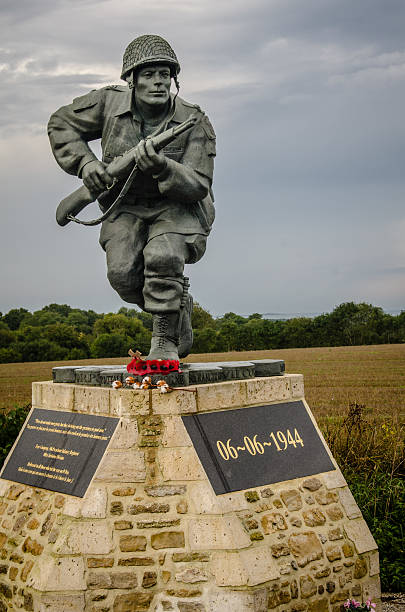
What Omaha Beach Looked Like Before Anyone Knew It Would Be Called Omaha Beach In January 1944, General Omar Bradley was shown sand samples collected by Royal Engineers who had made more than thirty clandestine missions to the Normandy coast by midget submarine. The engineer briefing him concluded: “Sir, I hope you don’t mind me saying it, but this beach is a very formidable...
read more
Le Cimetière de Père Lachaise
The Cemetery That Paris Tried to Ignore, Then Could Not Stop Visiting When Père Lachaise opened in 1804, Parisians refused to use it. The site was too far from the city, the ground was not consecrated, and Roman Catholics were suspicious of a cemetery that had been designed by a civil architect rather than a priest. In its first years, it recorded barely 13 burials. The city’s solution was...
read more
Central Park
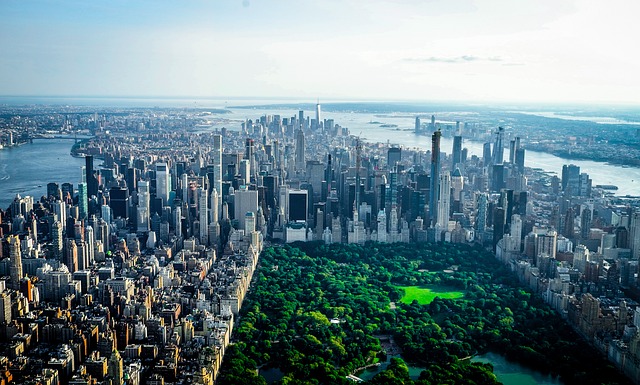
843 Acres Engineered to Look Wild Central Park’s greatest design trick is that it looks natural. The rolling meadows, rocky outcrops, woodland paths, and meandering lake were not found but built, on a rectangle of swampy, uneven Manhattan terrain, beginning in 1858. Frederick Law Olmsted and Calvert Vaux won the design competition with their “Greensward Plan,” which beat out 32...
read more
Church of Our Savior on Spilled Blood, St. Petersburg
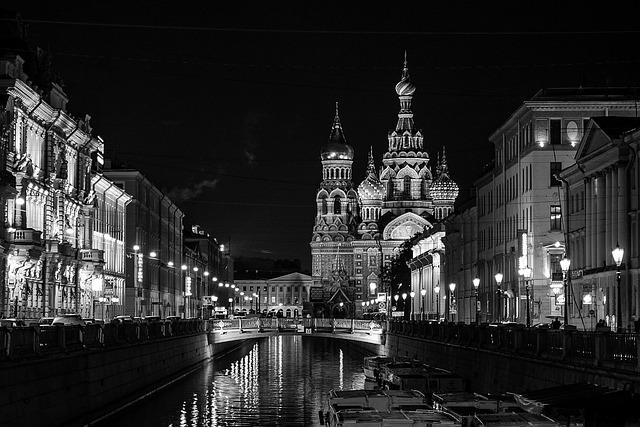
The Church That Survived Being a Potato Warehouse During the Soviet period, the Church of the Savior on Spilled Blood served successively as a morgue during the Siege of Leningrad, a set-storage facility for the Maly Opera Theatre, and a warehouse for potatoes and other vegetables. Locals nicknamed it “the Savior on Potatoes.” That this building, which contains more than 7,500 square...
read more
Ellis Island
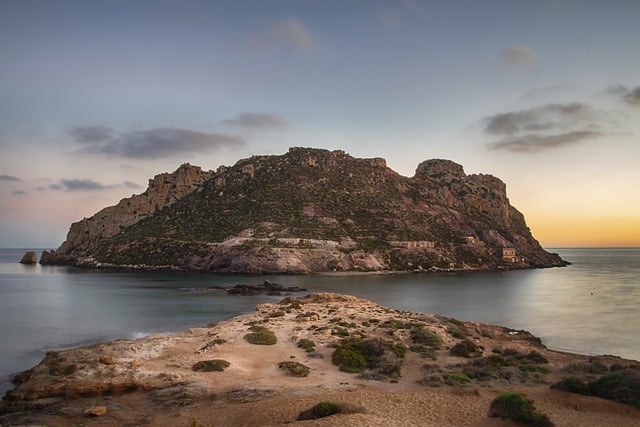
Gibbet Island to Gateway: What Ellis Island Gets Right and Wrong Before it processed a single immigrant, Ellis Island was where New York hanged its pirates. Locals called it Gibbet Island, a reference to the wooden post where executed bodies were left on public display. That grim prologue is conveniently absent from most museum signage, but it says something true about the place: Ellis Island has...
read more
Vimy Ridge France
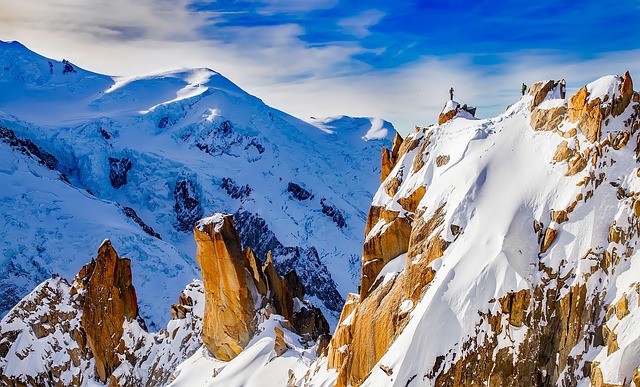
The Ridge That Made Canada At 5:30 on the morning of Easter Monday, 9 April 1917, 35,000 Canadian soldiers moved forward across a snow-swept ridge in northern France. By noon they had done what British and French forces had failed to do in two previous years of trying: they took Vimy Ridge. The four-day battle cost 3,598 Canadian lives and left another 7,004 wounded. April 9 remains the single...
read more
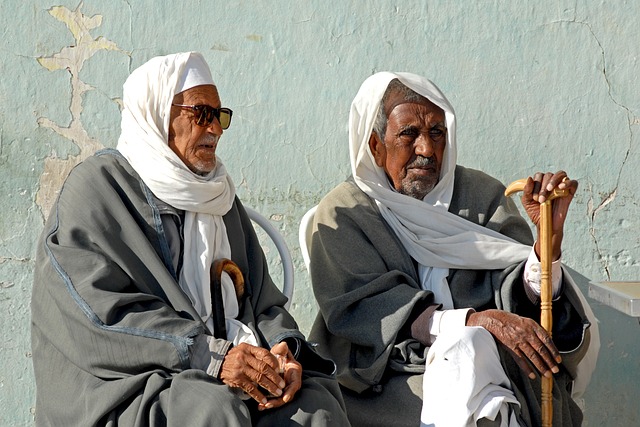
Carthage, Tunisia
Carthage, Tunisia: What Remains When an Empire Falls Rome did not just defeat Carthage. After the Third Punic War ended in 146 BCE, Roman forces spent seventeen days burning the city, and according to ancient accounts the flames were visible from the sea for weeks. Then they tore down what remained, stone by stone. What stands today at Carthage is therefore mostly Roman, built on top of the...
read more
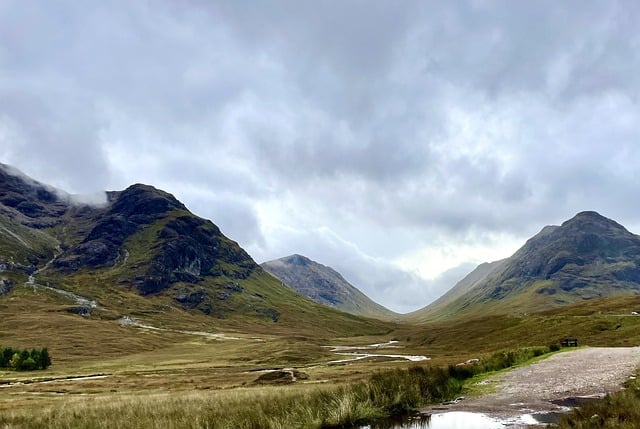
Glencoe
Glencoe, Scottish Highlands: A Glen That Does Not Forgive Shortcuts On 13 February 1692, soldiers quartered overnight as guests of the MacDonald clan rose before dawn and killed 38 people in the glen. A further 40 died in the snow trying to escape. What most accounts gloss over is the particular nature of the betrayal: the soldiers had been welcomed under Highland laws of hospitality, eating and...
read more

The Needles
The Needles Used to Have Four Stacks The formation you see from Alum Bay today has three chalk stacks. There used to be four, and the name “The Needles” came from the fourth one: a 120-foot pinnacle, sharp and pointed, that collapsed in a storm in 1764. The sound of it hitting the water was reportedly heard as far away as Southampton. The missing stack was called “Lot’s...
read more
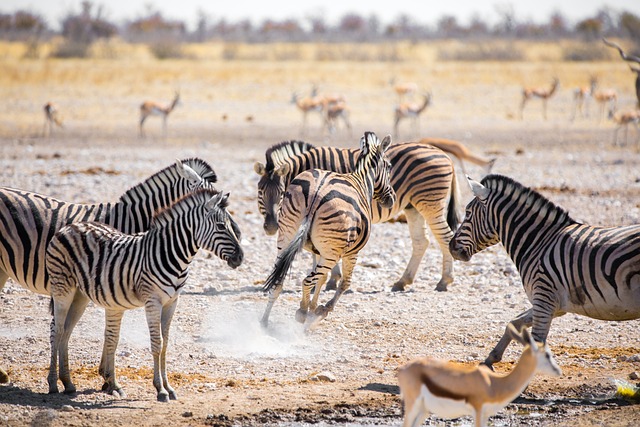
Etosha National Park, Namibia
The Safari Where You Park Your Car and Wait Most safari formats move to find animals. In Etosha National Park, you find the waterhole and let the animals come to you. The park’s 22,270 square kilometres sit largely on or around the Etosha Pan, a vast saline depression that was once a lake fed by the Kunene River. That lake dried up thousands of years ago (palaeontologists have found...
read more
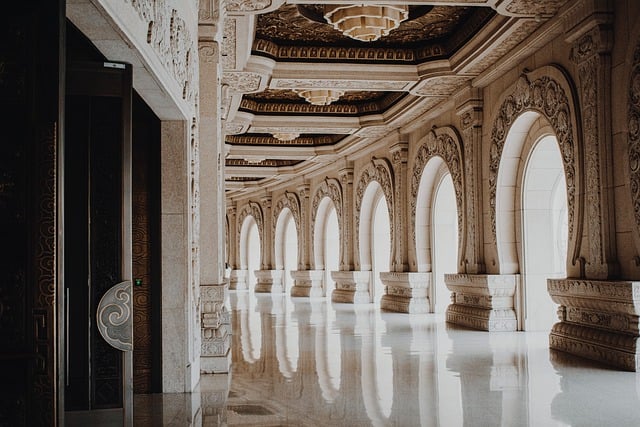
Winter Palace
Three Million Objects and a Building That Outlasted the Tsars In the winter of 1917, sailors from the Baltic Fleet stormed the Winter Palace in Petrograd and arrested the Provisional Government. The storming has been mythologised far beyond what actually happened (it was more of a late-night walk-in than a military assault), but the symbolic weight stuck: this building, the official residence of...
read more