Recent Tr4vel
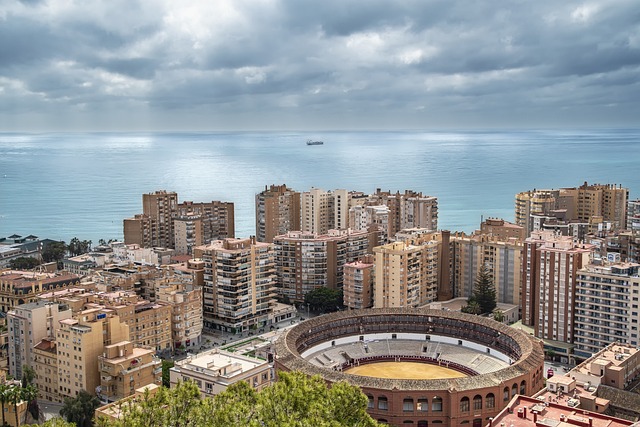
Málaga on a Budget: Cheap Eats and Espetos
Heads up: some links here are affiliate links. Book or buy through them and we may earn a small commission at no extra cost to you. We only point you to things we would actually use.
Eating cheap in Málaga Málaga is a cheap city to eat well in if you follow the locals to the beach and the market rather than the terraces on Calle Larios. The one meal you should not skip costs only a few euros, and...
read more

Nice in 6 Days on a Budget (With Daily Costs)
Six Days in Nice, Never Leaving the City Six days is enough to cover Nice itself in genuine depth, all its museums, both hills, the port, the beaches, and even its own vineyard, without a single train ticket out of town. If Monaco, Eze, or Cannes are what you’re after, that’s a separate day-trip itinerary; this plan is built entirely around the city limits, which turns out to be...
read more
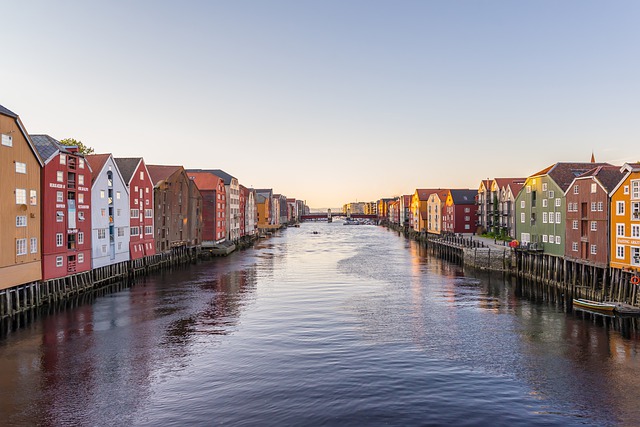
Trondheim Festivals: Cheap Dates to Know
Heads up: some links here are affiliate links. Book or buy through them and we may earn a small commission at no extra cost to you. We only point you to things we would actually use.
Trondheim’s festival calendar is small but worth timing around Trondheim doesn’t run a year-round festival circuit; there are three fixed dates worth actually building a trip around, and the money angle...
read more
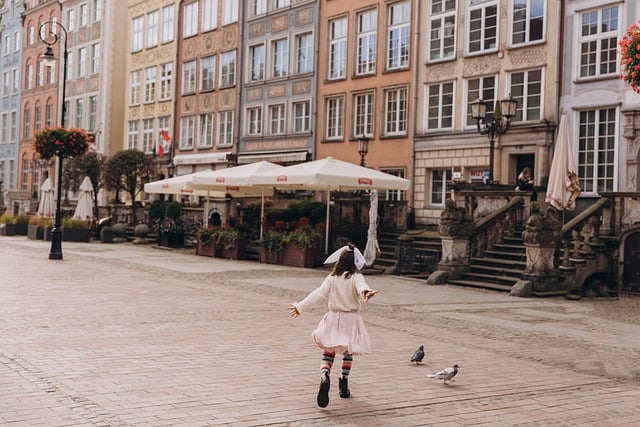
Gdansk in 2 Days on a Budget (Daily Costs)
Heads up: some links here are affiliate links. Book or buy through them and we may earn a small commission at no extra cost to you. We only point you to things we would actually use.
2 days covers Gdansk’s Main Town and its heaviest history This route covers the Royal Way, St. Mary’s Church, and the Motława waterfront on Day 1, then the European Solidarity Centre and Westerplatte on...
read more
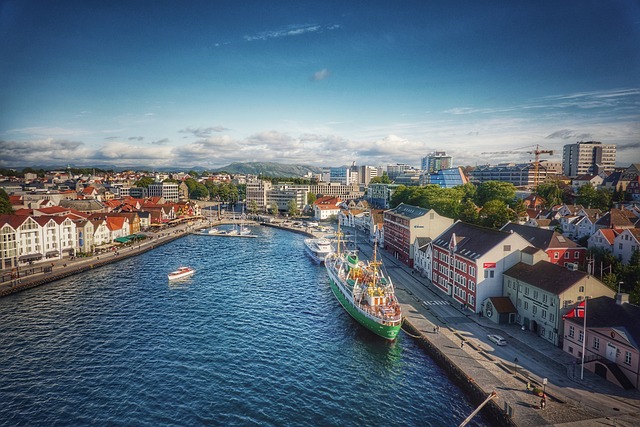
Stavanger's Least-Crowded Free Spots
Heads up: some links here are affiliate links. Book or buy through them and we may earn a small commission at no extra cost to you. We only point you to things we would actually use.
Beyond the 300,000-visitor cliff, Stavanger has real quiet corners Preikestolen drew roughly 300,000 people in 2024, and Gamle Stavanger’s cobbled lanes get their share of foot traffic too. None of that is a...
read more
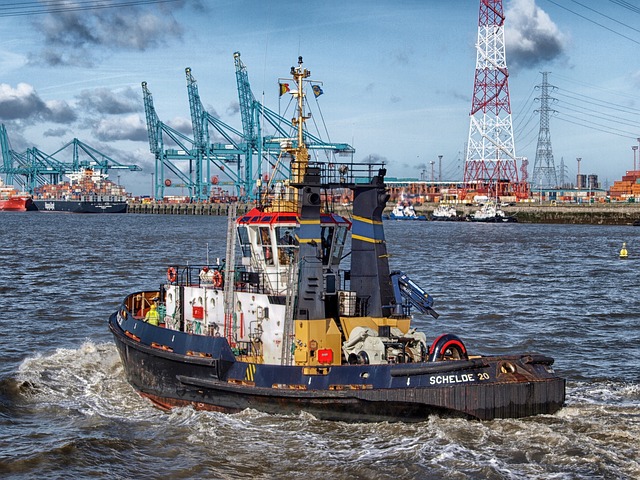
Antwerp in 4 Days: Budget Belgium Day Trips
Antwerp in 4 Days: Budget Belgium Day Trips Four days builds on the 2 day Antwerp base and adds two of Belgium’s best day trips: Ghent, the better-value canal town, and Brussels, the essential half-day capital visit. Both run comfortably as there-and-back days without an overnight. Need more time, see the 5 day , 6 day or 7 day version, each adding one more trip onto this same spine.
Book...
read more
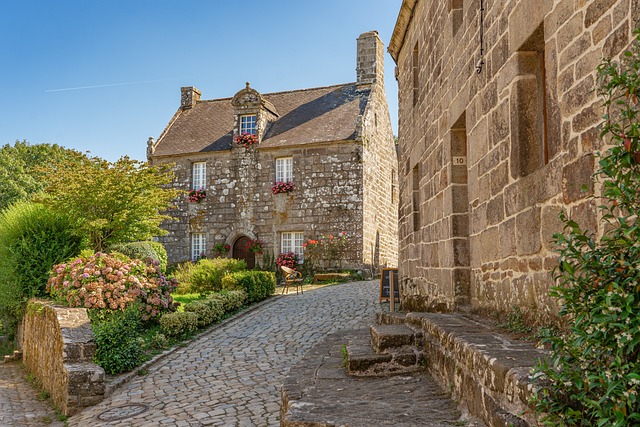
Nice + Riviera in 6 Days on a Budget
Six Days in Nice: The Full Circuit, and Where the Rail Pass Definitely Pays Off Six days is enough to ride the coastal TER in both directions: Villefranche and Eze one day, Monaco on its own, Antibes and Cannes together, and Menton out toward the Italian border, without repeating a single train ride. It’s also the point where the Pass Sud Azur Explore stops being a maybe and becomes the...
read more
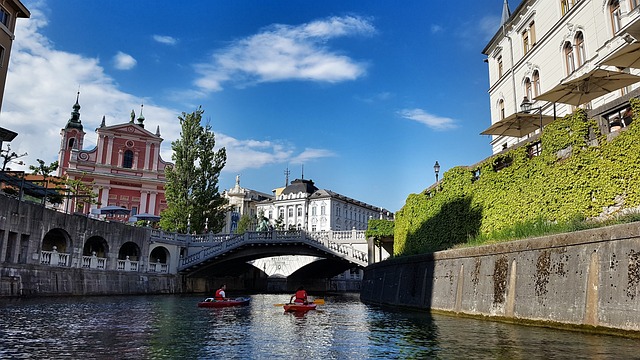
Cheap Ways to Hike Slovenia from Ljubljana
Ljubljana is flat, the good hiking is a drive out The city itself is walkable rather than mountainous, so serious hiking means heading into the Julian Alps and the gorges of the northwest. This is Slovenia, not Slovakia, and the trailheads sit inside or beside Triglav National Park, within one to two hours of the capital. A car makes the far trailheads realistic; without one, stick to the walks...
read more
Nice + Riviera in 5 Days on a Budget
Five Days in Nice: Three Trips Out, and When the Rail Pass Starts to Pay Off Five days is where a multi-day rail pass starts to make sense. Add up the day-trip fares this itinerary uses (Villefranche, Eze-sur-Mer, Monaco, Antibes, Cannes, several of them stacked into the same day) and you’re closing in on the EUR 35 cost of a 3-day Pass Sud Azur Explore before you’ve left Nice at all.
read more
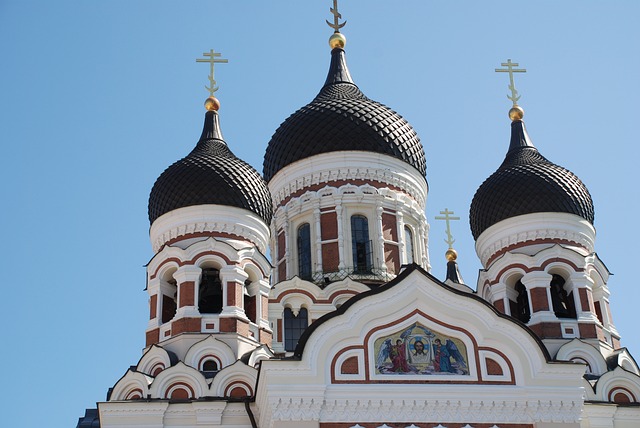
Tallinn in 4 Days on a Budget (With Daily Costs)
Four days is enough to cover Old Town properly, get out to Kalamaja and the coast, and still have a slower last day for the museum everyone forgets to book ahead. Budget roughly €50-65 a day. See our 3-day , 5-day , 6-day , and 7-day Tallinn plans for other lengths.
Day-by-day at a glance Day Focus Rough daily cost 1 Old Town: free viewpoints, Kiek in de Kok, Old Town dinner €55-65 2 Kalamaja,...
read more
Antwerp in 2 Days: Budget Belgium Day Trips
Antwerp in 2 Days: Budget Belgium Day Trips Two days is barely enough to settle into Antwerp itself, let alone add a full day trip, so this itinerary only adds one: Mechelen, 17-20 minutes away and cheap enough that the round trip barely dents a day’s budget. Longer stay planned? The 4 day , 5 day , 6 day and 7 day versions all build on this same spine, adding Ghent, Brussels, Bruges, Ostend...
read more
Gdansk Travel Tips: 9 Costs to Know First
Heads up: some links here are affiliate links. Book or buy through them and we may earn a small commission at no extra cost to you. We only point you to things we would actually use.
Gdansk travel tips that keep the numbers straight Generic Gdansk advice skips the actual złoty amounts. These 9 don’t, they’re the specific costs and habits that keep a trip on budget and out of avoidable...
read more
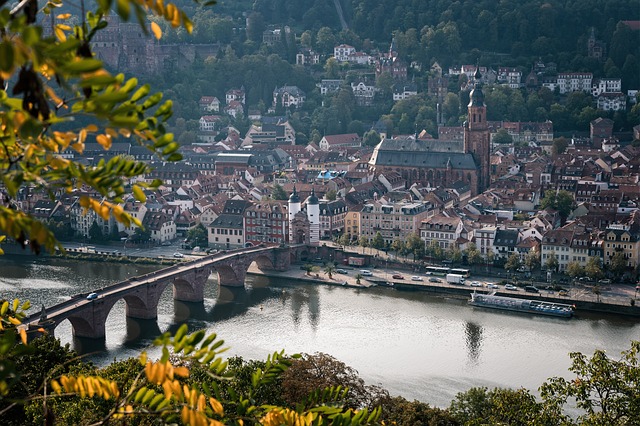
Heidelberg on a Budget: 8 Cheap Eats
Heads up: some links here are affiliate links. Book or buy through them and we may earn a small commission at no extra cost to you. We only point you to things we would actually use.
Eating in Heidelberg without overspending Heidelberg’s food scene runs on Kurpfalz and Baden staples and centuries-old student taverns, not tourist-menu markups. Here are 8 ways to eat well without spending like...
read more
Nice + Riviera in 4 Days on a Budget
Four Days in Nice: Stacking Two Coastal Stops Instead of One At three days you get one trip out on the train (see the 3-day version for the fork between Villefranche, Eze, and Monaco). At four, you get two, and the smarter move isn’t repeating the same short hop twice, it’s combining two towns on the same line into a single day, then giving the third, more involved stop its own full...
read more
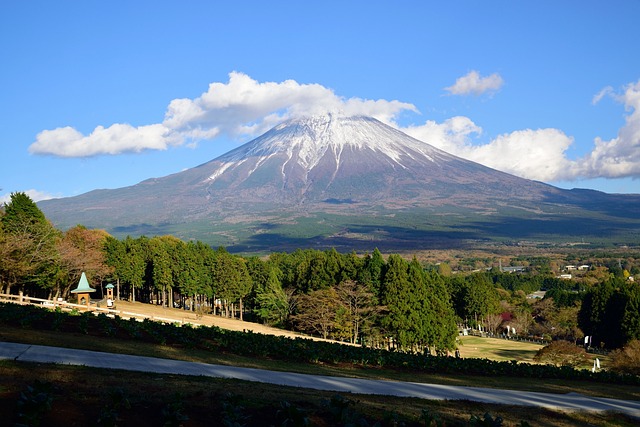
Shizuoka in 3 Days on a Budget (Daily Costs)
Heads up: some links here are affiliate links. Book or buy through them and we may earn a small commission at no extra cost to you. We only point you to things we would actually use.
Three Days in Shizuoka on a Budget Three days keeps the Shizuoka City core from the 2-day plan and adds a night in Izu, at Atami, the onsen town closest to Tokyo and the best value of the peninsula’s three main...
read more
Nice + Riviera in 3 Days on a Budget
Three Days in Nice: The First Day the Train Math Works Two days in Nice doesn’t leave room for a day trip; the 2-day version explains why the arithmetic doesn’t work at that length. A third day changes it: one full day on the coastal TER, or the bus up to Eze, fits without cutting into Vieux Nice, the Promenade, or Castle Hill. This version keeps two full days in the city and hands day...
read more
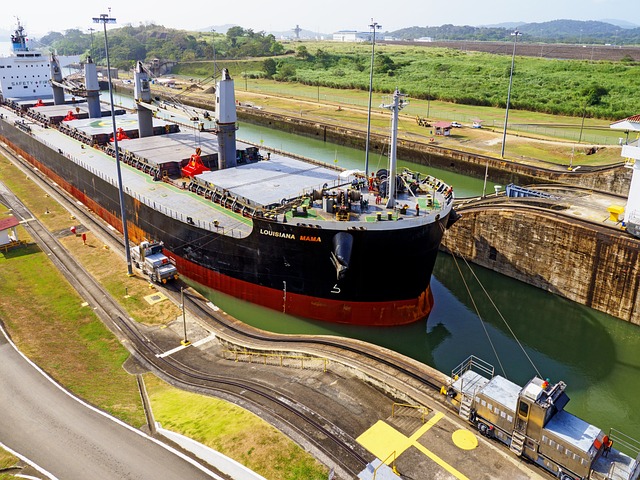
Panama City in 7 Days on a Budget (Daily Costs)
Panama City in 7 days: the whole circuit, plus San Blas Seven days on a budget covers the city core, both real day trips out of the capital, and still leaves two full days for San Blas, the one place on this list that actually needs them. This extends the 6-day plan by trading the slow day for an overnight island trip; want the rest day instead, use that version. Expect $15-100 per person a day in...
read more
Stavanger Festivals: What's Free, What's Not
Heads up: some links here are affiliate links. Book or buy through them and we may earn a small commission at no extra cost to you. We only point you to things we would actually use.
Stavanger’s calendar has a genuinely free stretch worth timing a trip around Stavanger’s festival year runs from a free spring jazz festival through a free-to-attend summer food festival to a paid winter...
read more
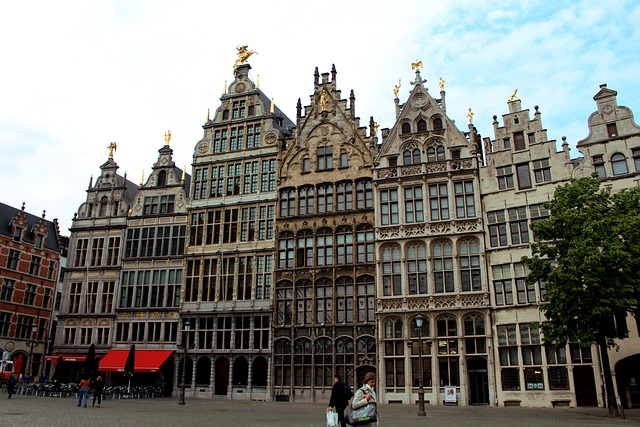
Antwerp in 7 Days on a Budget (With Daily Costs)
Antwerp in 7 Days on a Budget (With Daily Costs) A full week in Antwerp mixes paid essentials with enough genuinely free days, Middelheim, the Art Nouveau streets, a Mechelen side trip, that the weekly average settles near €30 a day, hotel not included. Shorter stay, see the 5 day or 6 day itinerary ; this is the full version of that same spine.
Book these before you go:
Hotel near Centraal or the...
read more
Nice + Riviera in 2 Days on a Budget
48 Hours in Nice: The Train Timetable Says Stay Put Nice sits on the busiest, cheapest regional rail line on the French coast: Monaco in 20-odd minutes, Cannes in 35, Villefranche in under 10. Every longer itinerary on this site built around Nice leans on that train. This one doesn’t, and that’s the actual advice: with only two days on the ground, the math on a day trip rarely works,...
read more
Panama City in 6 Days on a Budget (Daily Costs)
Panama City in 6 days: city, jungle, coast, and a buffer day Six days gives a budget trip the whole circuit plus a day to actually slow down, which is the day most itineraries skip and most travelers end up wishing they’d kept. This is the 5-day plan with a rest day added; if you’d rather use that extra day for San Blas instead, jump to the 7-day version . Expect $15-100 per person a...
read more
Gdansk Etiquette Tips: 9 Things to Know
Heads up: some links here are affiliate links. Book or buy through them and we may earn a small commission at no extra cost to you. We only point you to things we would actually use.
Gdansk etiquette that actually matters, not generic travel advice Most of Gdansk’s culture is relaxed by European standards, but a handful of local habits and one big historical sensitivity are worth knowing...
read more
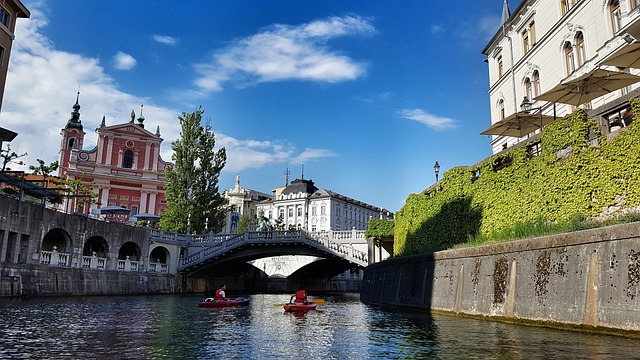
Ljubljana Parks and Green Spaces for Free
Green space you can reach on foot Slovenia’s capital is genuinely green, and the best of its in-city nature is free and walkable from Preseren Square. This page stays inside Ljubljana itself; the Alps, the lakes, and the gorges are a drive away and belong to the day-trip guides. What the city gives you is a big central park, two wooded hills, a long recreation path, and a flat marsh, none of...
read more
10 Cheap and Free Things to Do in Málaga
Heads up: some links here are affiliate links. Book or buy through them and we may earn a small commission at no extra cost to you. We only point you to things we would actually use.
10 things to do in Málaga without overspending Málaga rewards a tight budget better than most Spanish cities its size, because its two headline sights are either free or only a few euros, and much of the old town is a...
read more
Eating Cheap in Trondheim: Real NOK Prices
Heads up: some links here are affiliate links. Book or buy through them and we may earn a small commission at no extra cost to you. We only point you to things we would actually use.
Norway is one of the world’s priciest countries, and Trondheim doesn’t hide it There’s no getting around it: Trondheim food is expensive by almost any standard, and pretending otherwise would set the...
read more
Nice in 4 Days on a Budget (With Daily Costs)
Four Days in Nice, No Day Trip Required Four days is enough room to slow down and cover Nice itself in real depth, the Promenade, Vieux Nice, both museums, Cimiez’s Roman side, and a proper hike, without spending a single day on a train out of town. If Monaco or Eze are on your list, that’s the separate day-trip itinerary; this one keeps you in the city the whole time.
read more
Nice Travel Tips for a Cheaper 2026 Trip
Practical Nice: Getting In, Getting Around, and Not Overpaying When to go
May is widely cited as Nice’s best month: settling warm weather, manageable crowds, sea warm enough for many, before the July-August peak. September is the other standout, warm sea and fewer crowds, though also one of the rainier months. June through August runs hot (25-30C-plus), busy, and expensive; winter...
read more
Panama City in 5 Days on a Budget (Daily Costs)
Panama City in 5 days: add the Caribbean side Five days is where a budget trip can afford to cross the isthmus and see the Atlantic coast too, on top of everything the shorter plans cover. This builds on the 4-day itinerary ; if you’d rather add a slow rest day instead of a fifth travel day, see the 6-day version . Expect $15-100 per person a day depending on which day it is.
read more
Tallinn in 3 Days on a Budget (With Daily Costs)
Three days gets you Old Town without rushing it, the neighborhood most visitors never bother with, and a coastal afternoon that costs almost nothing. Budget roughly €55-65 a day. Shorter on time? See the 2-day version ; more time, see 4 , 5 , 6 , or 7 days .
Day-by-day at a glance Day Focus Rough daily cost 1 Old Town: free viewpoints, Kiek in de Kok, Old Town dinner €55-65 2 Kalamaja, Seaplane...
read more
Antwerp in 6 Days on a Budget (With Daily Costs)
Antwerp in 6 Days on a Budget (With Daily Costs) Six days is enough to add a genuine day trip on top of the Antwerp classics and the free Middelheim day, without blowing the budget: Mechelen is the shortest, cheapest hop of Antwerp’s day trips, so most days here still land under €40. Shorter trip, see the 4 day or 5 day itinerary; a full week, see the 7 day version .
read more
Nice Etiquette Locals Actually Notice
The Etiquette That Actually Matters in Nice Nice runs on standard French retail and social etiquette, noticeably enforced in small Vieux Nice shops in a way a big-city chain store wouldn’t bother with.
Say Bonjour before anything else
Greet shopkeepers, market stall owners, and waiters with “Bonjour” (or “Bonsoir” after roughly 6pm) before asking a question or placing...
read more
Panama City in 4 Days on a Budget (Daily Costs)
Panama City in 4 days: city, jungle, island Four days gets you the full set on a budget: colonial streets, canal locks, real rainforest and an island, without any one day feeling rushed. This extends the 3-day plan with an Isla Taboga day; want a second overland trip too, see the 5-day version . Expect $15-90 per person a day depending on which day it is.
Book these before you go:
read more
Eating in Stavanger Without the NOK Shock
Heads up: some links here are affiliate links. Book or buy through them and we may earn a small commission at no extra cost to you. We only point you to things we would actually use.
Norway is not a cheap place to eat, so plan around it Norway is consistently ranked among the world’s most expensive countries, and food is where that shows up fastest: a casual restaurant meal runs roughly...
read more
Panama City in 3 Days on a Budget (Daily Costs)
Panama City in 3 days: city core plus one real day trip Three days is the sweet spot on a budget: two days for the city, one full day out in the rainforest, and you go home having seen both sides of Panama instead of just the skyline. This builds on the 2-day plan ; if you want a second day trip too, jump to the 4-day version instead. Expect $50-90 per person a day outside your room.
read more
Shizuoka in 2 Days on a Budget (Daily Costs)
Heads up: some links here are affiliate links. Book or buy through them and we may earn a small commission at no extra cost to you. We only point you to things we would actually use.
Two Days in Shizuoka on a Budget Two days is Shizuoka City done properly on around ¥8,000-11,000 per person excluding your hotel: Sumpu Castle, an oden dinner, free pine-grove Fuji views, and a shrine that predates...
read more
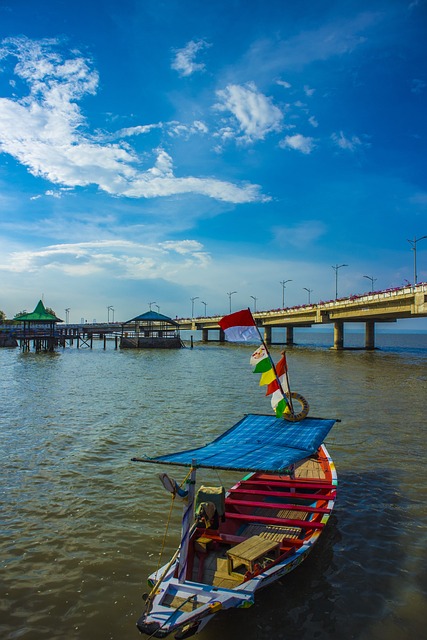
Surabaya Eats on a Budget: Rawon & More
Heads up: some links here are affiliate links. Book or buy through them and we may earn a small commission at no extra cost to you. We only point you to things we would actually use.
Surabaya’s food is a genuine highlight, and it’s cheap Surabaya is a halal-majority city with a serious warung (small eatery) culture, and its food regularly outranks better-known regional rivals. A full...
read more
Where to Stay in Gdansk on a Budget: 4 Areas
Heads up: some links here are affiliate links. Book or buy through them and we may earn a small commission at no extra cost to you. We only point you to things we would actually use.
Where to stay in Gdansk without overpaying for the view Gdansk splits into four real options, and the Main Town isn’t automatically the right call for every trip. Here’s what each area actually costs and...
read more
Where to Stay in Nice on Any Budget
Where to Stay in Nice: Five Areas, Different Trade-offs Nice’s neighborhoods differ enough that picking the right one matters more than which specific hotel you book inside it.
Vieux Nice (Old Town): closest to the market, food, and nightlife, narrow streets and genuine old-town character, but noisy after dark given how much of the action happens right below the windows. Aparthotel AMMI...
read more
Antwerp in 5 Days on a Budget (With Daily Costs)
Antwerp in 5 Days on a Budget (With Daily Costs) Five days adds a genuinely free day at Middelheim’s open-air sculpture park and Rivierenhof to the Antwerp classics, which pulls the weekly average down to around €30 a day, hotel not included. Shorter trip planned? See the 3 day or 4 day version; got two more days, see the 7 day itinerary .
Book these before you go:
Hotel near Centraal or the...
read more
Ljubljana and Slovenia Off the Tourist Trail
Skip the queue, keep the euro in your pocket The famous stops in Slovenia earn their crowds, but the quieter alternatives are often free, cheaper, or simply calmer. This is Slovenia, bordering Italy, Austria, Hungary, and Croatia, and every price below is in euros. A few of these sit inside Ljubljana; others are a short drive out, the reward for choosing the second-most-obvious option over the...
read more
Nice Photo Spots That Cost Nothing to Shoot
Nice’s Best Photos Cost Nothing to Take Nice’s best shots don’t need a paid attraction, just the right time of day.
The blue chairs, Promenade des Anglais
Nice’s simplest, most recognisable image: rows of blue chairs facing the Baie des Anges along the 7km promenade. All roughly 450 chairs were removed for restoration in spring 2026 and reinstalled in stages from May, so...
read more
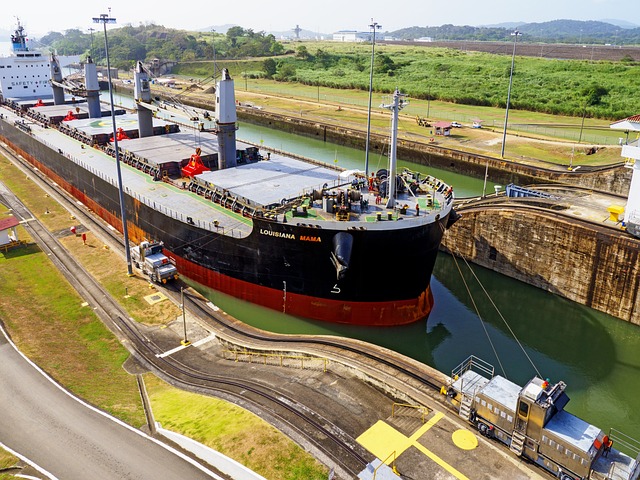
Panama City in 2 Days on a Budget (Daily Costs)
Panama City in 2 days: the tight, budget version Two days is enough to cover the city core properly if you don’t waste the first afternoon deciding where to eat: Casco Viejo and Miraflores Locks on day one, Panama Viejo, Ancon Hill and Amador on day two. There’s no room for a day trip out, and that’s fine; Gamboa and Isla Taboga belong on the 4-day or 5-day versions instead....
read more
Nice Spots Most Visitors Walk Past
Beyond the Promenade: What Most Visitors Skip Nice’s Promenade and Vieux Nice draw the crowds for good reason, but a handful of genuinely worthwhile spots sit just outside the main routes, overlooked mostly because they take a bit more effort or aren’t on the standard list.
Rauba-Capeu and the WWI Monument aux Morts
A free clifftop war memorial between the port and Vieux Nice, a 32m...
read more
Panama City Travel Tips on a Budget: 8 to Know
8 things worth knowing before you land in Panama City Most of what trips up first-time visitors here is money, transport and two similarly-named neighborhoods, not culture shock. Here’s what actually matters.
1. The dollar is the currency, full stop Panama’s official unit is the balboa, but it’s pegged 1:1 to the US dollar and exists only as coins, all banknotes in circulation...
read more
9 Cheap Things to Do in Heidelberg
Heads up: some links here are affiliate links. Book or buy through them and we may earn a small commission at no extra cost to you. We only point you to things we would actually use.
9 cheap things to do in Heidelberg Heidelberg packs its best sights into a walkable Neckar-valley core, and most of the free ones are the ones locals actually recommend. Here’s the list, with real 2026 prices...
read more
Gdansk Nature Spots on a Budget: Free Beaches
Heads up: some links here are affiliate links. Book or buy through them and we may earn a small commission at no extra cost to you. We only point you to things we would actually use.
Gdansk’s best nature costs nothing, the tram ride there is the only expense Gdansk is a Baltic port city first, but it sits directly on the sea, and its beaches, park, and one nearby island cost nothing to enjoy...
read more
Tallinn in 2 Days on a Budget (With Daily Costs)
Forty-eight hours is enough to cover Old Town properly and still get a real look at the neighborhood everyone skips. This plan runs €55-65 a day per person on food, transit, and one paid attraction; it stretches into a longer trip at our 3-day , 5-day , or 7-day Tallinn itineraries if you have more time.
Day-by-day at a glance Day Focus Rough daily cost 1 Old Town: free viewpoints, Kiek in de Kok,...
read more
Antwerp in 4 Days on a Budget (With Daily Costs)
Antwerp in 4 Days on a Budget (With Daily Costs) Four days stretches the Antwerp classics with a free half-day in Zurenborg’s Art Nouveau streets and a no-cost crossing to Linkeroever, averaging roughly €33 a day on food and tickets, hotel not included. Doing this in less time? See the 3 day version ; got an extra day or two, see the 5 day or 7 day itinerary.
Book these before you go:
read more
Nice Festivals Worth Timing a Trip Around
Nice’s Calendar, Year-Round Nice’s biggest events cluster around two very different seasons: a February carnival built for crowds and colour, and a July jazz festival built for warm evenings outdoors.
Nice Carnival (February 11 - March 1, 2026)
One of Europe’s biggest carnivals, running since the 19th century. The 2026 edition, themed “Vive la Reine!” (“Long...
read more
Panama City Photo Spots on a Budget: 6 Free Views
Panama City’s best photo spots, and none of them charge admission Panama City’s most photogenic views are also its free ones: skyline, canal traffic and colonial streets, all reachable without a ticket. Here’s where to go and when the light works best.
Casco Viejo The restored colonial old town is the city’s most photographed neighborhood for good reason: Plaza de...
read more