Recent Tr4vel
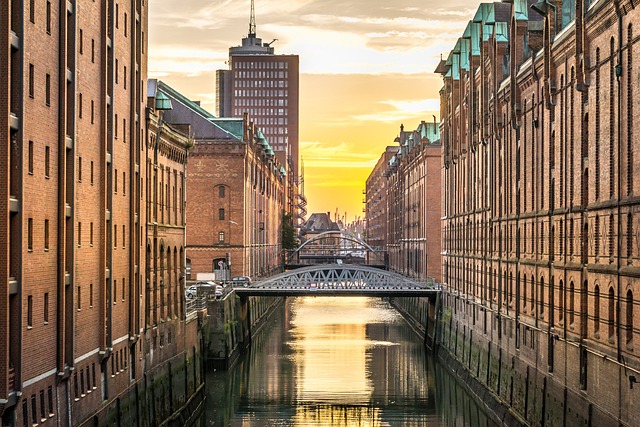
Hamburg Hiking Areas: 5 Flat Walking Routes
Hamburg doesn’t really have hiking, here’s what it has instead Be honest about what you’re getting: Hamburg is flat, maritime, and built for walking, not climbing. There’s no real elevation to hike toward inside the city. What it does have is a set of long, well-marked, entirely free walking routes that cover water, parkland, and one genuinely hilly stair district....
read more
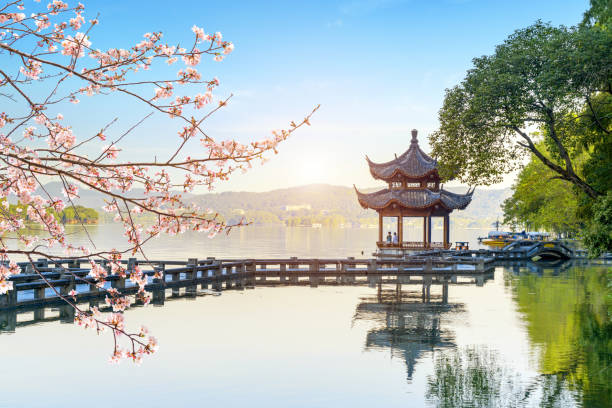
Hangzhou Hiking on a Budget: 4 Free Walks
Be honest about what Hangzhou is Hangzhou is not a hiking destination the way Yunnan or Sichuan are. What it has is a set of free, gentle walks through tea hills, temple grounds, and lakeside parkland, none of them technical, all of them doable in walking shoes. If you want an actual hiking day, look past the city limits, below.
1. Longjing and Meijiawu tea terraces The closest thing Hangzhou has...
read more
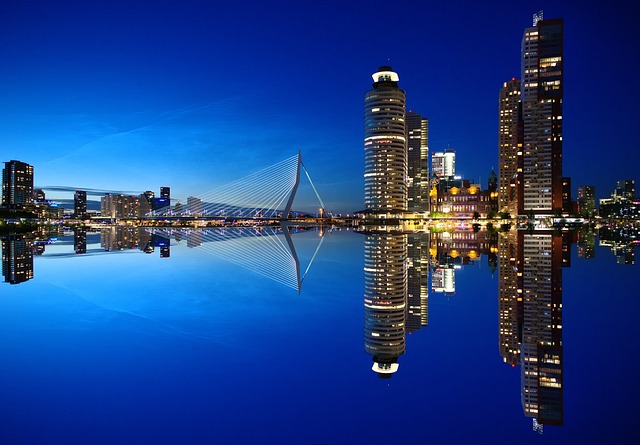
Rotterdam Hiking Areas: 5 Flat Walking Routes
Rotterdam doesn’t really have hiking, here’s what it has instead Be honest about what you’re getting: Rotterdam sits on a river delta, flat as the rest of the Netherlands, and built for cycling and walking rather than climbing anything. There’s no real elevation anywhere near the city. What it does have is a set of long, well-marked, entirely free walking routes along water...
read more
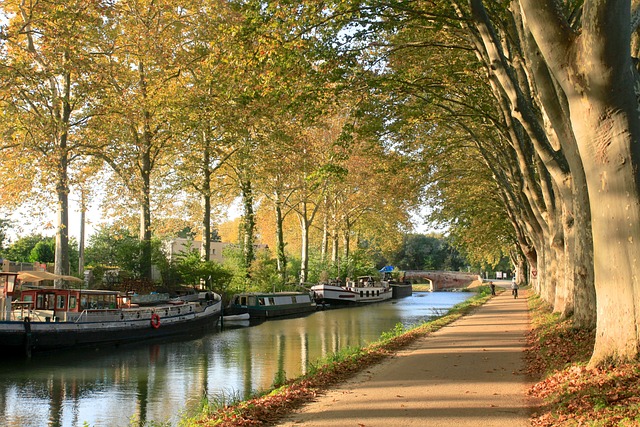
Things to Do in Toulouse on a Budget: 8 Picks
Heads up: some links here are affiliate links. Book or buy through them and we may earn a small commission at no extra cost to you. We only point you to things we would actually use.
8 free and cheap things to do in Toulouse Toulouse’s biggest sights don’t need a ticket: the pink-brick historic centre, Place du Capitole, and the Basilica of Saint-Sernin’s nave are all free to...
read more
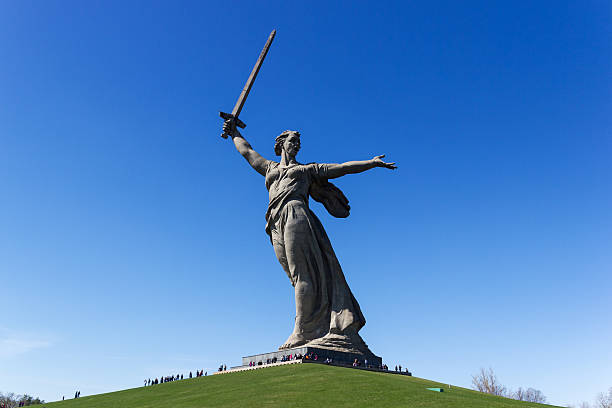
Volgograd Hiking Areas on a Budget: What's Real
Heads up: some links here are affiliate links. Book or buy through them and we may earn a small commission at no extra cost to you. We only point you to things we would actually use.
Travel advisory: Russia carries the maximum warning level from the US State Department (Level 4, Do Not Travel, reissued 29 December 2025) and the UK FCDO (advises against all travel to Russia, updated 3 July 2026),...
read more
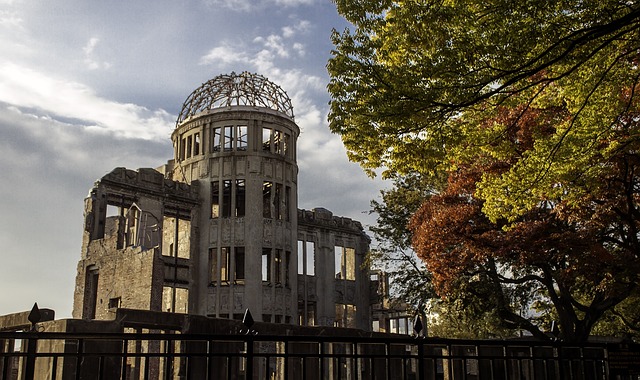
Where to Eat in Hiroshima on a Budget: 6 Picks
6 things to eat in Hiroshima on a budget Hiroshima’s food identity was shaped by scarcity: okonomiyaki emerged after 1945 as a way to stretch what little was available, and it’s still the city’s signature dish. For where to stay near this food, see the stay guide .
Hiroshima-style okonomiyaki, roughly ¥1,000-1,500 a plate: the layering, not mixing, is the whole point here,...
read more
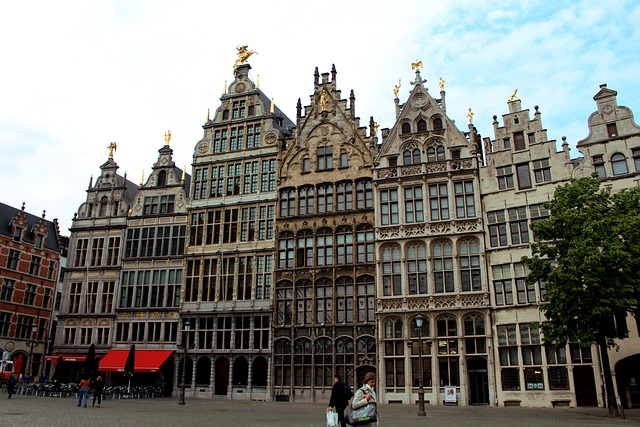
Cheap Eats in Antwerp: Frites and Bolleke
Cheap Eats in Antwerp: Frites and Bolleke Eating well in Antwerp does not mean eating expensively. This is Flanders, so the food is Flemish and Dutch-speaking rather than French, and the cheapest options are often the most local. Here is how to eat across a full day without a big bill, sorted by price band rather than by name.
Street food first The frituur (fry shop) is the backbone of Belgian...
read more
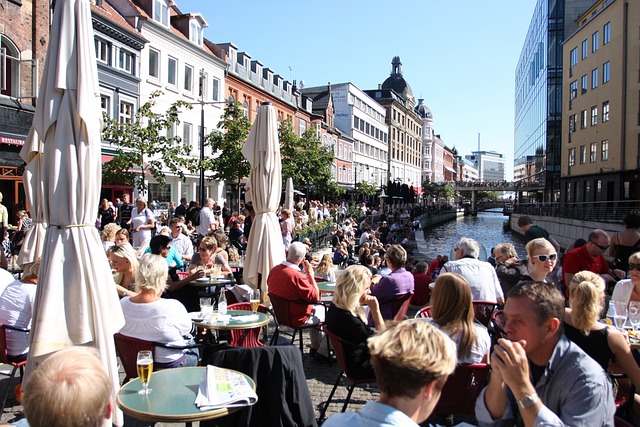
Aarhus Nature Spots, and All of Them Are Free
The one category in Aarhus that doesn’t cost DKK Denmark is expensive, but its green spaces are a genuine exception, city parks, forests, and gardens here are free the way they are in most of Scandinavia. Aarhus makes good on that with real coastline, a working botanical garden, and forest walking within the city limits rather than requiring a day trip. For the hills and heath a day trip out...
read more
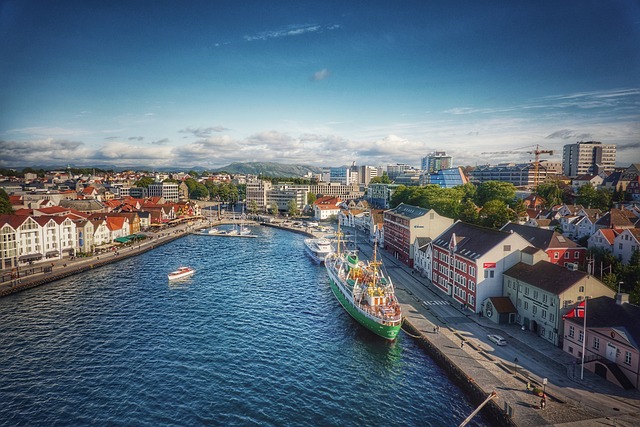
Stavanger in 4 Days: What It Actually Costs
Heads up: some links here are affiliate links. Book or buy through them and we may earn a small commission at no extra cost to you. We only point you to things we would actually use.
4 days covers the city, the oil history, and both fjord views Four days here splits into two city days, one paid museum and a lot of free wooden-house wandering, one full hiking day at Preikestolen, and a fourth day...
read more
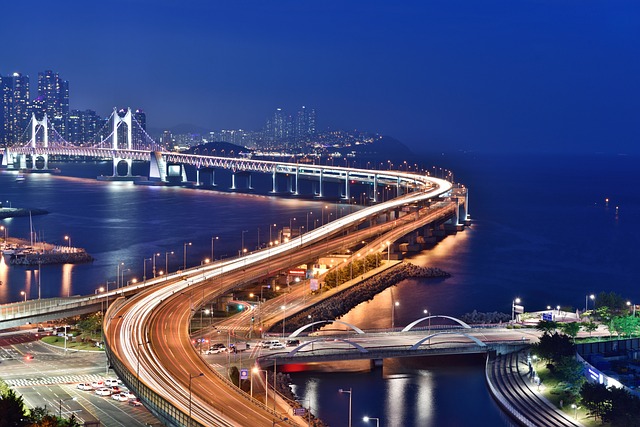
Hidden Gems in Busan: 8 Free and Cheap Spots
Heads up: some links here are affiliate links. Book or buy through them and we may earn a small commission at no extra cost to you. We only point you to things we would actually use.
Past Haeundae and Gamcheon, Busan has quieter corners worth the metro fare Haeundae Beach and Gamcheon Culture Village pull the crowds, and both are worth it, but Busan has plenty that doesn’t show up on a...
read more
Volgograd Hidden Gems Beyond Mamayev Kurgan
Heads up: some links here are affiliate links. Book or buy through them and we may earn a small commission at no extra cost to you. We only point you to things we would actually use.
Travel advisory: The US State Department rates Russia Level 4, Do Not Travel (reissued 29 December 2025), and the UK FCDO advises against all travel to Russia (updated 3 July 2026), citing the war with Ukraine,...
read more
7 Hidden Gems in Hangzhou on a Budget
Beyond the West Lake postcard West Lake is free and it’s the reason most people come, so it isn’t exactly undiscovered anymore. These 7 spots are the quieter, cheaper corners of the same city, all free or close to it.
Solitary Hill (Gushan). The lake’s one true island-by-land, connected by the Bai Causeway, and the quietest patch of shoreline for a slow walk. Free, and a better...
read more
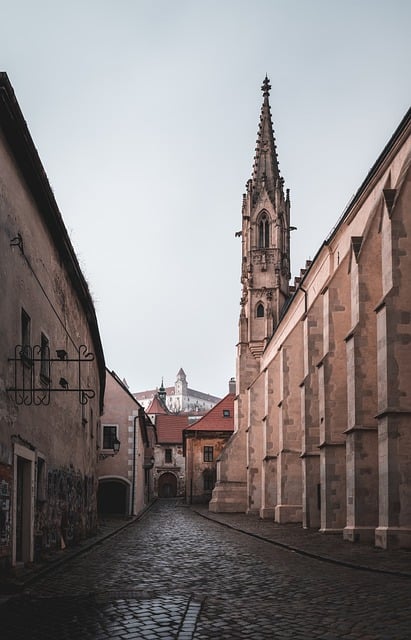
Bratislava on a Budget: 9 Cheap and Free Things
Heads up: some links here are affiliate links. Book or buy through them and we may earn a small commission at no extra cost to you. We only point you to things we would actually use.
Bratislava is one of Europe’s cheapest capitals, and its best sights are already free Bratislava’s Old Town is small enough to walk end to end in under 20 minutes, and most of what makes the city worth...
read more
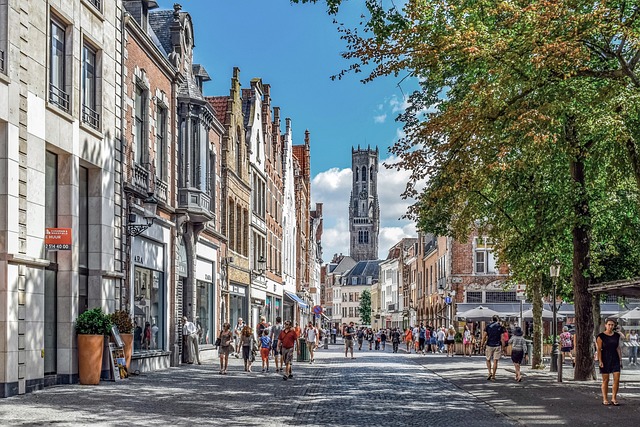
Bruges on a Budget: 12 Free and Cheap Things
Heads up: some links here are affiliate links. Book or buy through them and we may earn a small commission at no extra cost to you. We only point you to things we would actually use.
Bruges is small enough to see free Bruges’s whole historic core, UNESCO-listed since 2000 for the preserved medieval town it still is, is compact and flat enough to see on foot without a single ticket: the...
read more
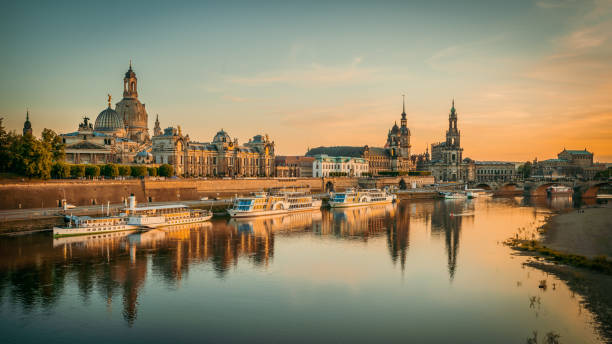
Dresden on a Budget: 14 Cheap and Free Things to Do
Heads up: some links here are affiliate links. Book or buy through them and we may earn a small commission at no extra cost to you. We only point you to things we would actually use.
Dresden’s best sights are free, and the SKD combined ticket beats paying per museum Dresden’s Baroque core rewards a slow, mostly-free walk more than it rewards buying every entry ticket separately. The...
read more
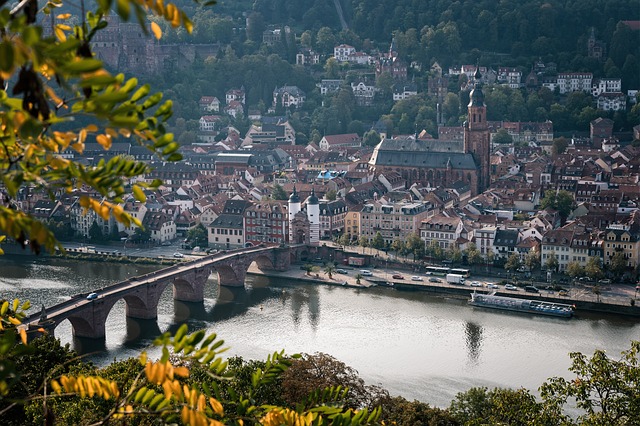
Heidelberg on a Budget: 10 Cheap and Free Picks
Heads up: some links here are affiliate links. Book or buy through them and we may earn a small commission at no extra cost to you. We only point you to things we would actually use.
Heidelberg on a real budget Heidelberg is one of Germany’s easier budget wins. The single most photographed thing in the city, the castle, is a ruin, damaged by French troops in 1689 and 1693 and finished off by...
read more
Hidden Gems in Hamburg: 7 Free and Cheap Spots
Past the Reeperbahn: 7 spots most visitors skip Hamburg’s headline sights get all the attention, but a handful of free or nearly-free spots outside the standard list are worth the detour, especially if you’ve already covered Speicherstadt and the Alster.
The Alter Elbtunnel, free: most first-time visitors walk right past this 1911 pedestrian tunnel under the Elbe without realizing they...
read more
Hidden Gems in Rotterdam: 7 Free and Cheap Spots
Past the Cube Houses: 7 spots most visitors skip Rotterdam’s headline sights get all the attention, but a handful of free or nearly-free spots outside the standard list are worth the detour, especially once you’ve already covered the Markthal and the Erasmusbrug.
Zadkine’s “The Destroyed City,” free: most first-time visitors walk right past this 1953 bronze statue...
read more
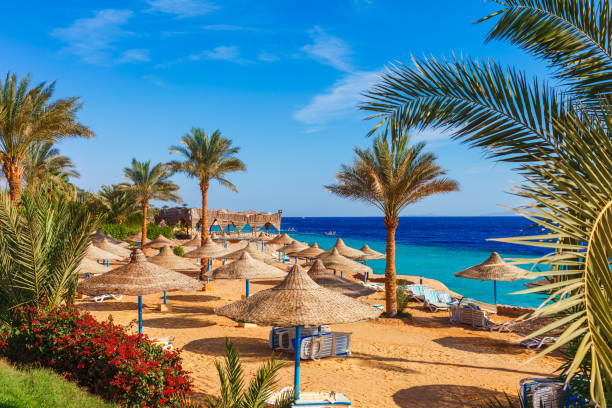
Sharm El Sheikh's Best Free Finds
Heads up: some links here are affiliate links. Book or buy through them and we may earn a small commission at no extra cost to you. We only point you to things we would actually use.
Sharm El Sheikh’s best finds that cost little or nothing Ras Mohammed and the Straits of Tiran earn the boat-trip prices for good reason, but a handful of Sharm’s genuinely good spots sit right in town,...
read more
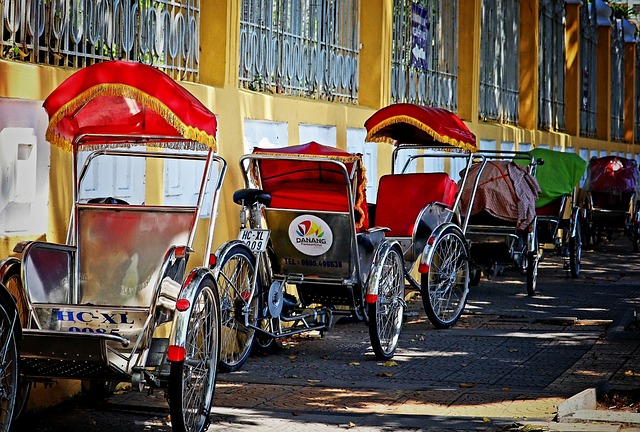
Things to Do in Da Nang on a Budget: 9 Picks
Heads up: some links here are affiliate links. Book or buy through them and we may earn a small commission at no extra cost to you. We only point you to things we would actually use.
9 things to do in Da Nang, from free to paid Da Nang mixes a genuinely free public beach with a handful of paid attractions that are worth budgeting for on purpose rather than by accident.
read more

Things to Do in Nairobi: 12 Budget Picks
Heads up: some links here are affiliate links. Book or buy through them and we may earn a small commission at no extra cost to you. We only point you to things we would actually use.
Safety note: Getting between these stops means real street-level decisions. Use Uber, Bolt, or Little rather than walking between neighbourhoods, especially after dark, keep vehicle doors locked and phones out of...
read more
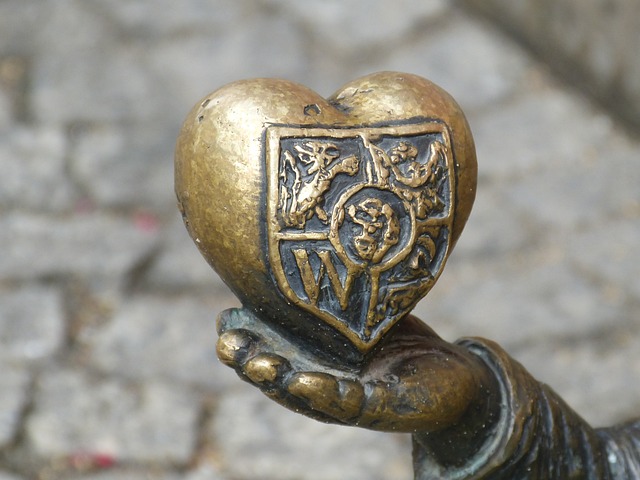
Wroclaw on a Budget: Dwarfs, Rynek and PLN Costs
Wroclaw runs cheap, and its best sights already know it Wrocław is Poland’s third-largest city, a Lower Silesian city on the Oder that runs a fraction of what Western Europe costs for the same quality of hotel, meal, and museum ticket. Its two most famous draws cost nothing at all: the Rynek, one of Europe’s largest medieval market squares, is free to stand in, and the city’s...
read more
Aarhus Hiking: Free in the City, Real Hills 1hr Out
Being honest about Aarhus terrain Aarhus itself is coastal and largely flat, a compact city on Jutland’s east coast rather than a hiking base, so don’t expect mountain trails inside the city limits. What it does have, free, is genuine woodland walking within the city, and what it doesn’t have, it makes up for an hour or so away with real hills and heath. This guide covers both...
read more
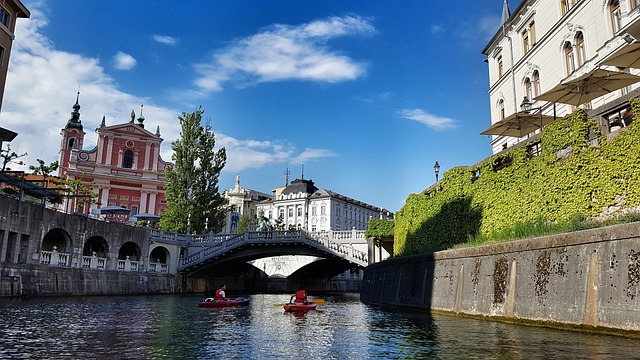
Ljubljana Travel Tips to Save Money
Practical tips for the city itself These tips cover Ljubljana on foot, the part of a trip you spend inside the capital rather than out on day trips. This is Slovenia, the money is the euro, adopted back in 2007, and the language is Slovene, though English is widely spoken and you will manage fine without a phrasebook. The centre has been car-free since 2007, so plan to walk more than you ride.
read more
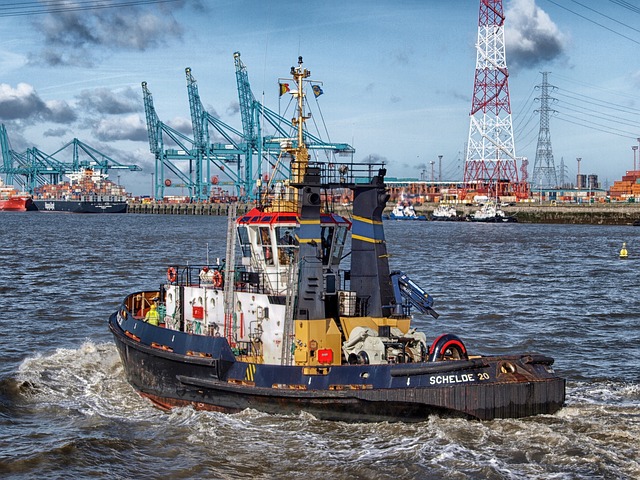
Things to Do Near Antwerp: Day-Trip Picks
Things to Do Near Antwerp: Day-Trip Picks Antwerp’s real advantage as a base is the map around it. Stay near Antwerpen-Centraal and a whole set of Belgian towns opens up on direct trains, none needing a timed ticket booked ahead. This guide is about what to do beyond the city itself, sorted so you can pick by the kind of day you want rather than by distance alone.
For canals and guildhouses:...
read more
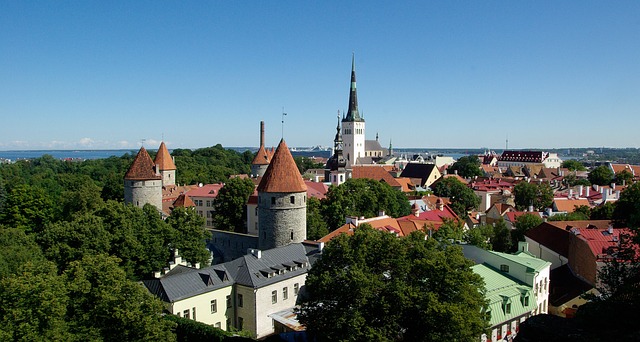
Tallinn + Estonia in 3 Days on a Budget
Tallinn in 3 Days: Old Town, Kalamaja, and a Bog Boardwalk Get the basics straight before you land: Estonia has used the euro since 2011, it’s a Baltic EU and Schengen state, not Russia and not Scandinavia, and Estonian is a Finno-Ugric language, closer to Finnish than to anything Slavic. It’s also one of the most cashless, app-run societies you’ll visit, which matters for a...
read more

Cheap Eats in Nice: Socca and Street Food
Cheap Eats in Nice: Socca and Street Food Nice has its own kitchen, not generic French and not quite Italian either, shaped by nearly 500 years of Savoy and Ligurian rule before France took the city in 1860. The best of it is cheap, handheld, and sold from ovens and market stalls rather than white-tablecloth rooms. Here is how to eat the real thing without overpaying.
Socca, the dish to plan a...
read more
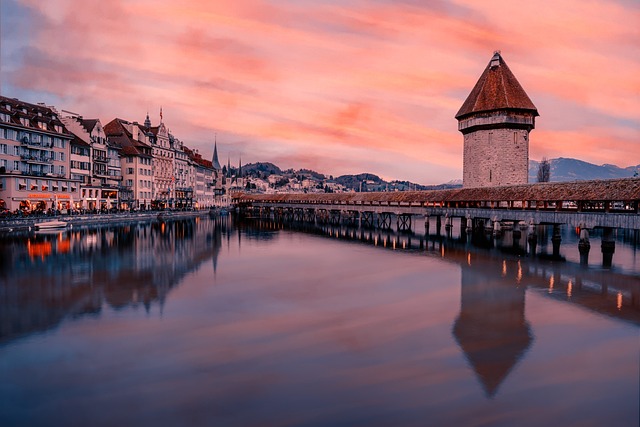
Lucerne on a Budget: Free Things to Do
Heads up: some links here are affiliate links. Book or buy through them and we may earn a small commission at no extra cost to you. We only point you to things we would actually use.
Lucerne on a Budget: Free Things to Do Lucerne charges nothing to see its best-known sights, which helps a lot when a beer alone runs CHF 7-9. Spend a full day on foot before you open your wallet for anything bigger...
read more
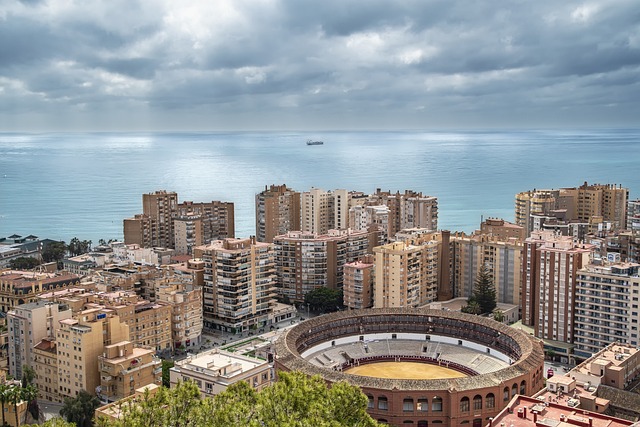
Málaga Photo Spots on a Budget: Free Views
Heads up: some links here are affiliate links. Book or buy through them and we may earn a small commission at no extra cost to you. We only point you to things we would actually use.
Málaga’s best shots are mostly free Almost every photograph worth taking in Málaga costs nothing beyond the walk to it. The city is compact, the light is strong for about 300 days a year, and the two best...
read more
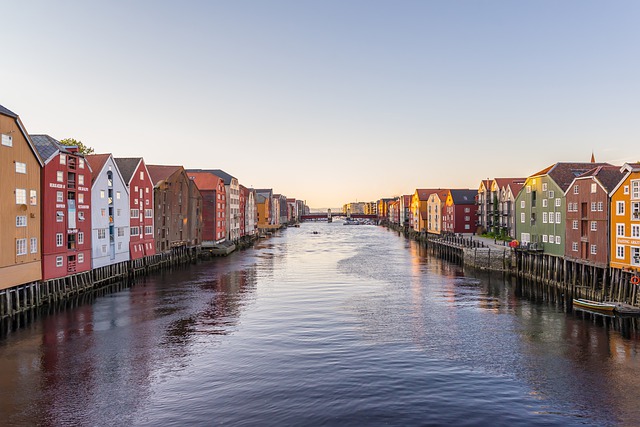
Trondheim's Free Nature Escapes
Heads up: some links here are affiliate links. Book or buy through them and we may earn a small commission at no extra cost to you. We only point you to things we would actually use.
Nature in Trondheim isn’t dramatic, but most of it is free The Trondheimsfjord is wide and gentle rather than the steep, cliff-lined western fjords Norway is known for, so don’t come expecting a...
read more
Volgograd Events on a Budget: 3 Dates That Matter
Heads up: some links here are affiliate links. Book or buy through them and we may earn a small commission at no extra cost to you. We only point you to things we would actually use.
Travel advisory: Russia is rated Level 4, Do Not Travel by the US State Department (reissued 29 December 2025) and the UK FCDO advises against all travel to Russia (updated 3 July 2026), citing the war with Ukraine,...
read more
Where to Eat in Busan on a Budget: 8 Picks
Heads up: some links here are affiliate links. Book or buy through them and we may earn a small commission at no extra cost to you. We only point you to things we would actually use.
Busan’s cheapest meals are also its most authentic ones Busan’s signature dishes weren’t invented for tourists; most of them were invented by Korean War refugees adapting whatever ingredients were...
read more
Aarhus Beyond ARoS, and Still Cheap
Past the two headline museums ARoS and Den Gamle By get the queues, and both earn their ticket price, but they’re also the priciest sights in the city. A handful of Aarhus’s other museums and neighbourhoods cost less, draw fewer crowds, and give a fuller sense of the city than the headline list alone. For the full free-and-cheap rundown, the main Aarhus guide covers the essentials;...
read more
Best Things to Do in Antwerp on a Budget
Best Things to Do in Antwerp on a Budget Antwerp packs a lot into a compact, walkable centre, and a good share of it costs nothing. The trick is to spend your money only where it earns its keep: paid tickets here top out around €12, and several of the best views and squares are free. This guide sorts the city’s core sights by what they cost, so you can build a full day without overspending.
read more
Hamburg Festivals and Events 2026: 6 Dates
Hamburg’s 2026 calendar, confirmed dates only Hamburg runs a full events calendar, but only a handful of fixtures are worth building a trip around, and most of them are free or close to it.
Event 2026 dates Cost Hafengeburtstag (Port Anniversary) May 8-10 Free to attend Hamburger DOM, spring run Mar 20-Apr 19 Free entry, pay per ride Hamburger DOM, summer run Jul 24-Aug 30 Free entry, pay...
read more
Hangzhou Festivals and Events on a Budget
What’s actually worth timing your trip around Hangzhou isn’t a festival-first destination the way some Chinese cities are. Its real calendar highlights are seasonal, tied to the tea harvest, the lake, and a couple of national holidays, plus one paid show that runs every night of the year. Here’s what’s genuine, and what to avoid.
Spring: the tea harvest (March-May) The...
read more
Sharm El Sheikh Festivals on a Budget
Heads up: some links here are affiliate links. Book or buy through them and we may earn a small commission at no extra cost to you. We only point you to things we would actually use.
Sharm El Sheikh’s calendar: mostly religious, mostly free to witness Sharm el-Sheikh isn’t built around a headline ticketed festival the way some cities are, its calendar runs on Egypt’s national...
read more
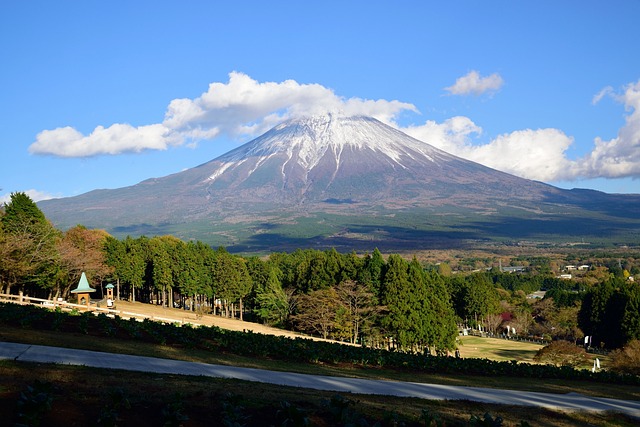
Shizuoka in 7 Days on a Budget (Daily Costs)
Heads up: some links here are affiliate links. Book or buy through them and we may earn a small commission at no extra cost to you. We only point you to things we would actually use.
Seven Days in Shizuoka on a Budget Seven days is the full spine: Shizuoka City, the Fuji area, a proper Izu Peninsula loop across two onsen towns, and Hamamatsu, everything the shorter 2 through 6-day itineraries each...
read more
Stavanger in 2 Days: What It Actually Costs
Heads up: some links here are affiliate links. Book or buy through them and we may earn a small commission at no extra cost to you. We only point you to things we would actually use.
2 days covers the city core and the one hike that matters Two days here means one day in the walkable city centre, Gamle Stavanger, the Cathedral, the Vågen harbour, and one full day on the Preikestolen (Pulpit Rock)...
read more
Things to Do in Hiroshima on a Budget: 8 Picks
8 things to do in Hiroshima on a budget Hiroshima holds two registers at once: a solemn record of the 6 August 1945 bombing, and a warm, fully rebuilt city that has moved forward without forgetting. Both deserve a place on the same trip. For the day trips beyond the city, see the day trips guide .
Walk the Hiroshima Peace Memorial Park, free: on the delta where the hypocenter district once stood,...
read more
Toulouse on a Budget: 10 Cheap and Free Things
Heads up: some links here are affiliate links. Book or buy through them and we may earn a small commission at no extra cost to you. We only point you to things we would actually use.
Toulouse’s pink brick core costs almost nothing to see Toulouse earns “La Ville Rose” honestly: the entire historic centre is fired terracotta brick, not stone, and its three biggest sights are free...
read more
Where to Eat in Rotterdam on a Budget: 8 Picks
Rotterdam invented a dish, and it isn’t currywurst or fries alone Rotterdam’s own food story is kapsalon: fries in a foil tray, topped with döner meat, melted Gouda, shredded iceberg lettuce, garlic sauce and sambal, invented in a Delfshaven shoarma stand in 2003 by Tati Gomes, a Cape Verdean hairdresser who asked staff to combine his favourite toppings. It’s cited as the...
read more
Aarhus Festivals on a Budget: What Is Free
Aarhus Festuge: the big one, and mostly free Aarhus Festuge (the Aarhus Festival) is the city’s flagship event, held annually across roughly 10 days in late August/early September, weeks 35-36. It’s billed as one of the largest cultural festivals in Northern Europe, with around 1,000 events, and roughly a third of the programme is curated centrally while the rest is run by local...
read more
Things to Do in Busan on a Budget: 10 Free Picks
Heads up: some links here are affiliate links. Book or buy through them and we may earn a small commission at no extra cost to you. We only point you to things we would actually use.
10 things to actually do in Busan, not just see A sights list and an activities list overlap in Busan but aren’t the same thing. This is the doing version: what to actually spend an afternoon on, roughly what it...
read more
Volgograd on a Budget: What Food Really Costs
Heads up: some links here are affiliate links. Book or buy through them and we may earn a small commission at no extra cost to you. We only point you to things we would actually use.
Travel advisory: Russia sits at the maximum warning level from the US State Department (Level 4, Do Not Travel, reissued 29 December 2025) and the UK FCDO (advises against all travel to Russia, updated 3 July 2026),...
read more
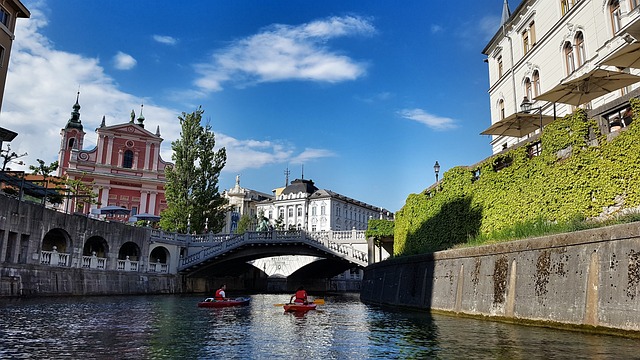
Slovenia Day Trip Tips from Ljubljana
Tips for using Ljubljana as a base These tips are for the day-trip half of a Slovenia trip, the lakes, caves, and coast you reach from a Ljubljana bed. This is Slovenia, bordering Italy, Austria, Hungary, and Croatia, not Slovakia, and the currency is the euro, adopted in 2007. Slovenia is a safe EU and Schengen member, so there is no advisory to worry about, only logistics, and getting those...
read more
Antwerp Day Trips: Half-Day and Full-Day
Antwerp Day Trips: Half-Day and Full-Day Antwerp makes a strong base for Belgian day trips because everything worth reaching sits on one direct rail line, and none of it needs a scarce timed ticket booked from Antwerp. The useful way to plan is by how much of your day each trip actually costs you, not just the fare. Here they are split into quick half-day hops and full-day commitments.
SNCB reset...
read more
Cheap Eats in Sharm El Sheikh, Egypt
Heads up: some links here are affiliate links. Book or buy through them and we may earn a small commission at no extra cost to you. We only point you to things we would actually use.
Where to eat cheap in Sharm El Sheikh Sharm’s resort buffets will happily take your whole daily budget in one sitting, but the Old Market and the Egyptian eateries scattered through Sharm el-Maya and Hadaba run...
read more
Eating in Aarhus Without Overpaying
Aarhus eating: expensive by default, cheaper with a plan Denmark is one of the pricier countries in Europe to eat in, and Aarhus is no exception: a casual restaurant meal runs roughly 120-180 DKK, a coffee 35-45 DKK, and a 0.5L beer at a bar 50-70 DKK (verify current prices, since these move quickly). Two structural things work in your favour regardless of where you eat. Tipping isn’t...
read more
Hangzhou Travel Tips: Visa, Cash, and Etiquette
Before you go: China in 2026. Set up Alipay and WeChat with an international Visa or Mastercard linked before you fly, and install a VPN before you leave home; neither is easy to sort out once you’ve landed. Google, Maps, Gmail, WhatsApp, Instagram, Facebook, X, and YouTube are blocked by the Great Firewall, so switch to Amap or Baidu Maps, DiDi, and Trip.com. China’s Level 2 advisory...
read more