Recent Tr4vel
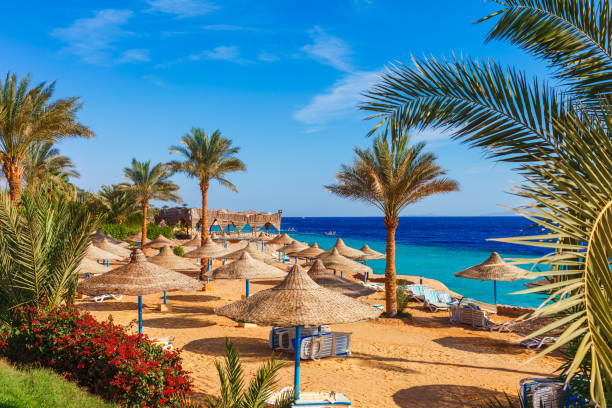
Sharm El Sheikh in 2 Days on a Budget
Heads up: some links here are affiliate links. Book or buy through them and we may earn a small commission at no extra cost to you. We only point you to things we would actually use.
The 2-day version: a house reef and one boat trip Two days is enough for a genuine taste of Sharm el-Sheikh without trying to cram in an inland day trip: a beach-and-reef day in Naama Bay, and one boat trip out to Ras...
read more
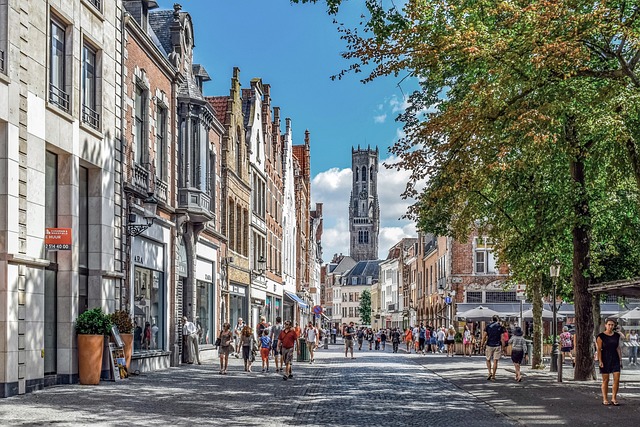
Where to Stay in Bruges on a Budget: 4 Areas
Heads up: some links here are affiliate links. Book or buy through them and we may earn a small commission at no extra cost to you. We only point you to things we would actually use.
Where to stay in Bruges without paying the Markt premium Bruges doesn’t have one obvious base, it has four, and picking by what you actually want from the trip, rather than defaulting to the Markt, saves real...
read more
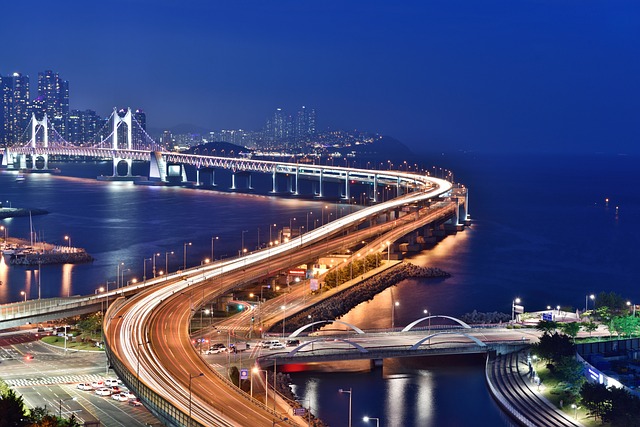
Busan in 4 Days on a Budget (With Daily Costs)
Heads up: some links here are affiliate links. Book or buy through them and we may earn a small commission at no extra cost to you. We only point you to things we would actually use.
4 days adds a full Gyeongju day trip to the city core Days 1-3 cover the same beach, Gamcheon, market, and temple core as the 3-day itinerary ; Day 4 is a full day trip out to Gyeongju, the ancient Silla capital.
read more

Free Hikes and Trails Around Nice
Free Hikes and Trails Around Nice You do not need a car or a park pass to walk in Nice. The city has real terrain right at its edges, from a forested hilltop to a clifftop coastal path, and the wilder Alps are a cheap train ride away. Every route below is free. Bring water, sturdy shoes, and sun cover; the coast bakes in summer.
Mont Boron forest loop This is the best walk in the city itself.
read more
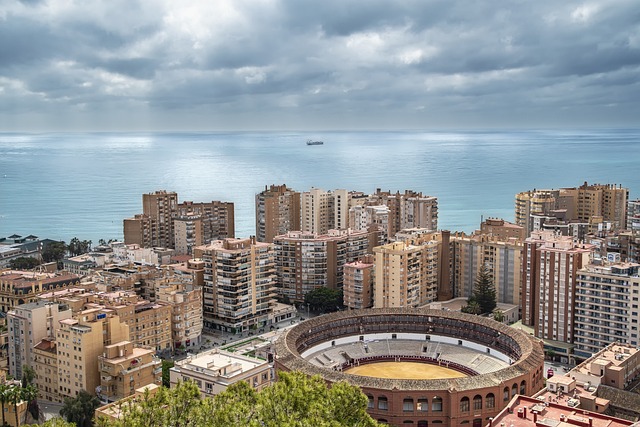
Málaga in 2 Days on a Budget (Daily Costs)
Heads up: some links here are affiliate links. Book or buy through them and we may earn a small commission at no extra cost to you. We only point you to things we would actually use.
2 days: the Málaga city core, cheaply Two days is enough for Málaga’s city core, the fortress, the Roman theatre, Picasso and an espeto lunch, but not for the day trips that make a longer stay worth it.
read more
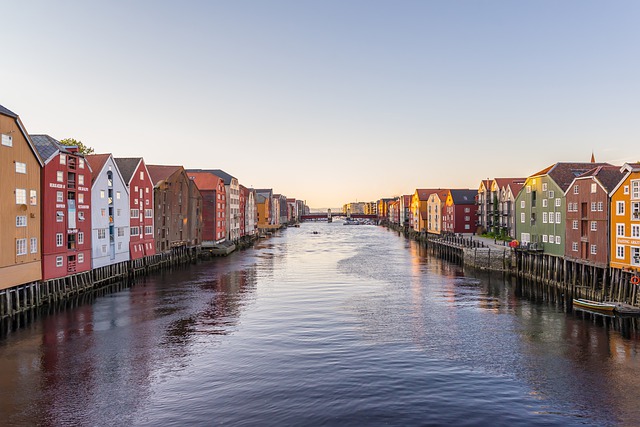
Trondheim on a Budget: Real Costs and Sights
Heads up: some links here are affiliate links. Book or buy through them and we may earn a small commission at no extra cost to you. We only point you to things we would actually use.
Trondheim is genuinely expensive, and its best sight isn’t a UNESCO site Get one thing straight before you book: Norway is one of the world’s priciest countries, and Trondheim doesn’t discount that,...
read more
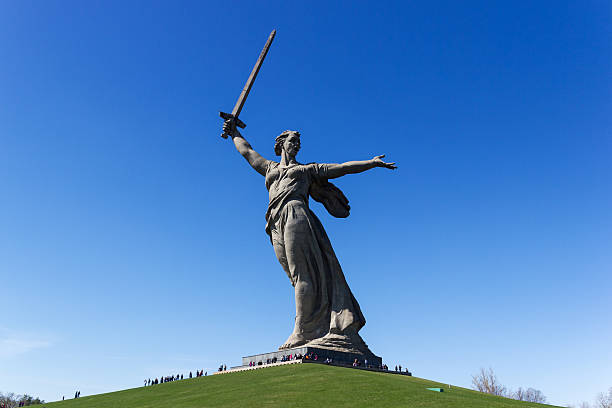
Volgograd in 6 Days on a Budget (Real Costs)
Heads up: some links here are affiliate links. Book or buy through them and we may earn a small commission at no extra cost to you. We only point you to things we would actually use.
Travel advisory: Russia is rated Level 4, Do Not Travel by the US State Department (reissued 29 December 2025) and the UK FCDO advises against all travel to Russia (updated 3 July 2026), citing the war with Ukraine,...
read more
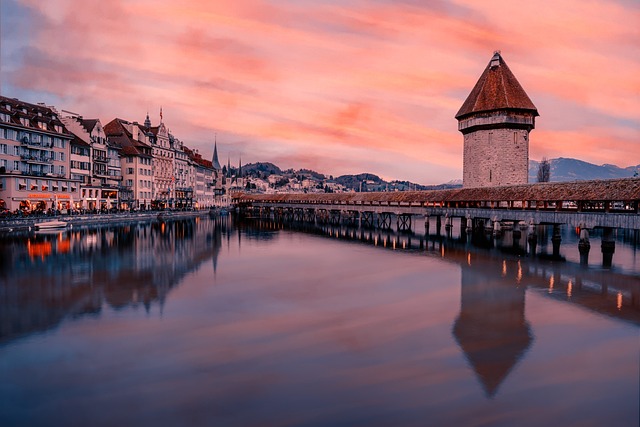
Where to Stay in Lucerne on a Budget
Heads up: some links here are affiliate links. Book or buy through them and we may earn a small commission at no extra cost to you. We only point you to things we would actually use.
Where to Stay in Lucerne on a Budget A hostel bed in Lucerne runs roughly CHF 36 and up, a 3-star hotel room CHF 96 and up, and a luxury lakefront room CHF 206 and up, before peak-season and festival-week surcharges.
read more
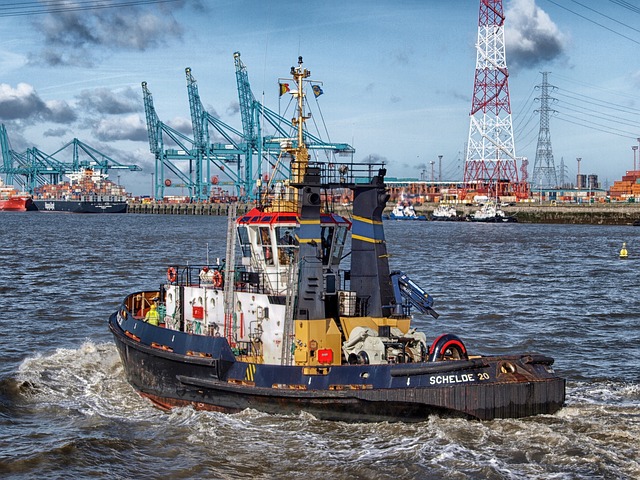
Nature Spots Near Antwerp: Coast and Heath
Nature Spots Near Antwerp: Coast and Heath This is the sightseeing companion to a walking guide: less about trail distances, more about where to go for scenery, wildlife, and a change of landscape within a train ride of Antwerp. If you want to swap a day of cathedrals for dunes, heather, or forest, these are the spots worth the fare and the best seasons to catch them.
The North Sea coast The coast...
read more
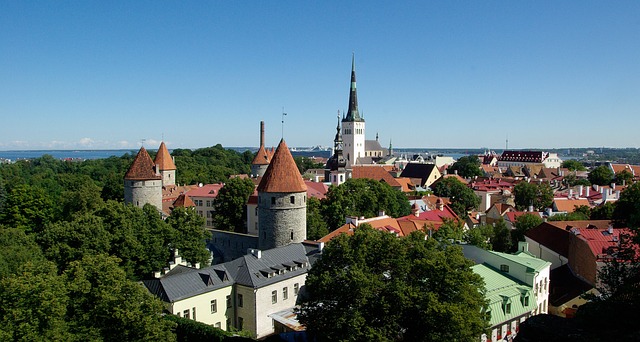
Tallinn + Estonia in 7 Days on a Budget
Tallinn in 7 Days: Old Town, Kalamaja, Three Day Trips, and an Onward Bus Sort out the facts before the euros: Estonia has used the euro since 2011, it is a Baltic EU, Schengen, and NATO state, not Russia, not Scandinavian, and Estonian is a Finno-Ugric language related to Finnish, not Slavic. It’s also one of the more digitally governed countries around, e-Residency, near-universal card and...
read more
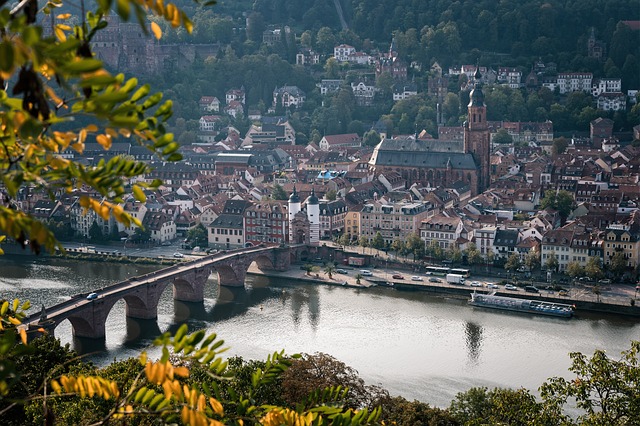
6 Free Nature Spots Near Heidelberg
Heads up: some links here are affiliate links. Book or buy through them and we may earn a small commission at no extra cost to you. We only point you to things we would actually use.
6 free places to slow down around Heidelberg Heidelberg’s setting in the Neckar valley makes it an easy city for a free afternoon outdoors, not a hike, just somewhere quiet to sit. Here’s where, and what...
read more
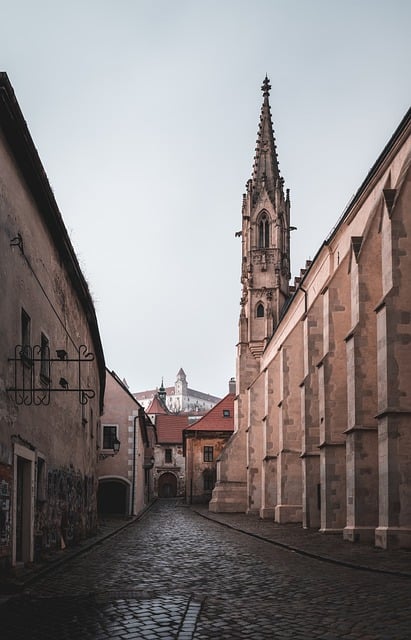
Bratislava Hiking Areas on a Budget: 3 Picks
Heads up: some links here are affiliate links. Book or buy through them and we may earn a small commission at no extra cost to you. We only point you to things we would actually use.
Bratislava isn’t a hiking city, but it borders real green space Bratislava’s own terrain is flat and urban, so don’t expect dramatic in-city trails, its real outdoor appeal sits just past the edges:...
read more
Bruges Photo Spots on a Budget: 6 Free Views
Heads up: some links here are affiliate links. Book or buy through them and we may earn a small commission at no extra cost to you. We only point you to things we would actually use.
Bruges photo spots that cost nothing to shoot Almost every classic Bruges shot is free to get, the trick is timing it before the roughly 8 million annual visitors fill the frame. Here are 6 spots, in a rough order for...
read more
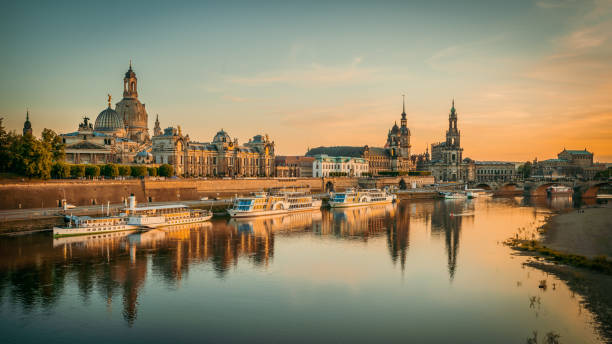
Dresden Festivals and Events 2026: 5 Dates to Know
Heads up: some links here are affiliate links. Book or buy through them and we may earn a small commission at no extra cost to you. We only point you to things we would actually use.
Dresden’s calendar, and what each date actually costs Dresden’s biggest annual dates split between two free summer festivals along the Elbe and a winter Christmas-market season most visitors already know...
read more

Festivals and Events in Nairobi: 5 to Know
Heads up: some links here are affiliate links. Book or buy through them and we may earn a small commission at no extra cost to you. We only point you to things we would actually use.
5 real Nairobi events, dates to double-check Kenya’s calendar has a few genuinely well-established fixtures worth planning around, alongside recurring festival brands whose exact dates shift year to year. None...
read more
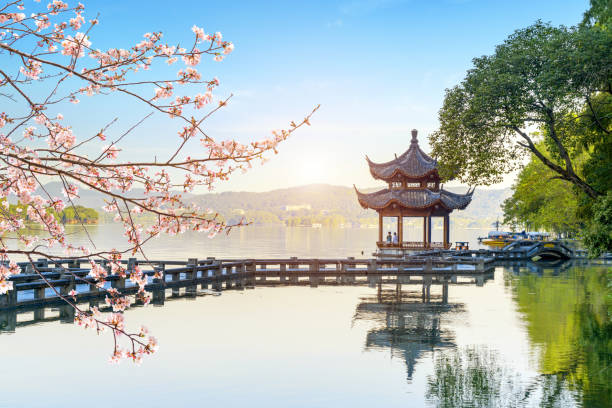
Hangzhou in 4 Days on a Budget (Daily Costs)
Heads up: some links here are affiliate links. Book or buy through them and we may earn a small commission at no extra cost to you. We only point you to things we would actually use.
A 4-Day Hangzhou Itinerary on a Budget Four days gives you the honest 3-day core of Hangzhou, our 3-day Hangzhou itinerary , plus one thing it has to skip: Xixi Wetland Park. Not sure three days is enough, or want to...
read more
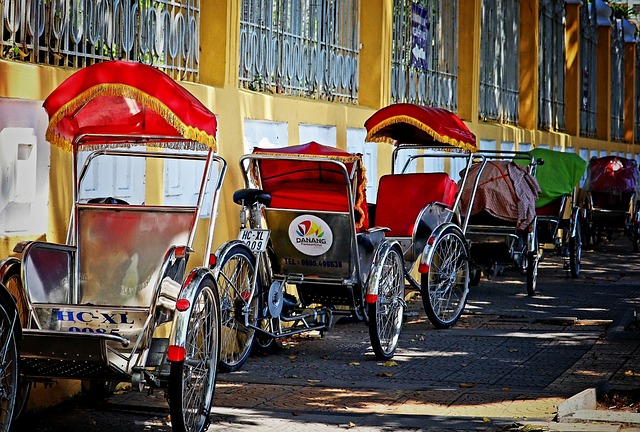
Hidden Gems in Da Nang Beyond the Beach Strip
Heads up: some links here are affiliate links. Book or buy through them and we may earn a small commission at no extra cost to you. We only point you to things we would actually use.
Da Nang beyond My Khe Beach and Ba Na Hills My Khe Beach and Ba Na Hills earn the crowds for good reason, but a handful of Da Nang’s most interesting spots sit a short ride away and cost little or nothing to...
read more
Money-Saving Sharm El Sheikh Travel Tips
Heads up: some links here are affiliate links. Book or buy through them and we may earn a small commission at no extra cost to you. We only point you to things we would actually use.
Travel advisory: Egypt carries elevated regional-security warnings, but Sharm el-Sheikh sits inside a well-established carve-out. North Sinai is a do-not-travel zone and South Sinai’s interior beyond the St...
read more
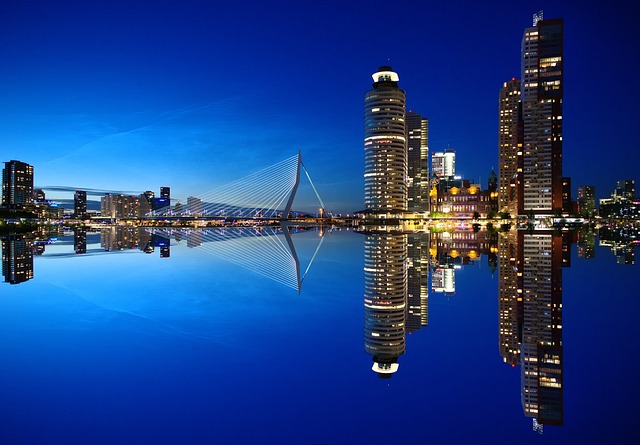
Rotterdam Day Trips on a Budget: 5 Best Picks
Rotterdam day trips on a budget: what’s actually worth it Five day trips cover Rotterdam’s region without wrecking a budget: the Kinderdijk windmills, Delft, The Hague, Dordrecht and Gouda. All five sit under an hour away by train or Waterbus, and none of them need a car. If you haven’t settled the city centre yet, start with things to do in Rotterdam and add one of these once...
read more
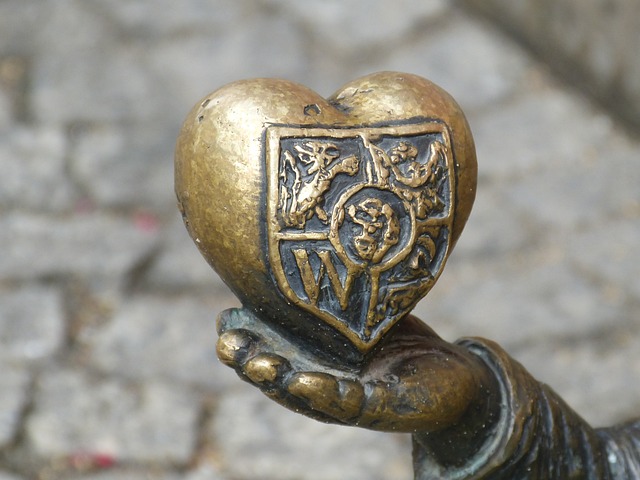
Where to Eat in Wroclaw on a Budget: 8 Picks
Where to eat in Wroclaw on a budget Wrocław eats Silesian-Polish, and eating well here costs a fraction of Western Europe: a full milk-bar meal runs 10-25 PLN, and even a proper sit-down restaurant main stays 20-50 PLN. Below is what to order and where to find it by type of place, since specific venues change hands often enough that naming one as a sure bet before you land is a bad idea.
read more
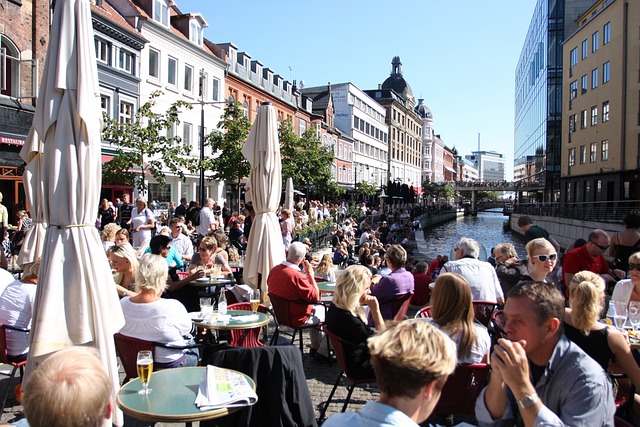
Aarhus in 7 Days: City Plus 4 Day Trips
Seven days: the full city, and every major day trip A week gives you three unhurried city days and four separate day trips, enough to cover Legoland, the Silkeborg lake district, Ebeltoft and Mols Bjerge, and Randers Regnskov without stacking two into one exhausting day. The 6-day plan is the version of this trip that drops one day trip; the main Aarhus guide has the free-and-cheap city list this...
read more
Busan in 3 Days on a Budget (With Daily Costs)
Heads up: some links here are affiliate links. Book or buy through them and we may earn a small commission at no extra cost to you. We only point you to things we would actually use.
3 days adds Busan’s temples to the beach-and-market core This route covers the same Day 1-2 beach, Gamcheon, and market core as the 2-day itinerary , then adds a Day 3 built around Beomeosa Temple and the...
read more
Volgograd in 5 Days on a Budget (Real Costs)
Heads up: some links here are affiliate links. Book or buy through them and we may earn a small commission at no extra cost to you. We only point you to things we would actually use.
Travel advisory: Both the US State Department (Level 4, Do Not Travel, reissued 29 December 2025) and the UK FCDO (advises against all travel to Russia, updated 3 July 2026) rate Russia at their maximum warning level,...
read more
Hikes Near Antwerp: Heath, Coast, Kempen
Hikes Near Antwerp: Heath, Coast, Kempen Antwerp itself is flat city walking, but the wider Flanders countryside within train reach has proper walking country: open heathland, North Sea dunes, and Belgium’s one national park. None of it needs a car if you plan around the rail and coast-tram network. Here are the best walking areas to reach from the city, with an honest note on how far each...
read more
Aarhus in 6 Days: City Plus 3 Day Trips
Six days: a full city pass, then three directions out Three days cover Aarhus properly, without rushing ARoS, Den Gamle By, and Moesgaard into a single exhausting stretch, and three more spread across the region’s day trips. This is enough time that you can drop a day trip for weather without wrecking the schedule. The 4-day plan is the tighter version of this trip; the 7-day plan adds a...
read more
Bruges Beyond the Markt: 8 Free and Cheap Spots
Heads up: some links here are affiliate links. Book or buy through them and we may earn a small commission at no extra cost to you. We only point you to things we would actually use.
Bruges spots that cost little beyond the Markt The Markt and the Belfry earn their crowds for good reason, but a handful of Bruges’s calmest, cheapest spots sit just a few streets away from both.
read more
Busan in 2 Days on a Budget (With Daily Costs)
Heads up: some links here are affiliate links. Book or buy through them and we may earn a small commission at no extra cost to you. We only point you to things we would actually use.
2 days covers Busan’s beach-and-market core, nothing more This route covers Haeundae and Gwangalli beaches on Day 1, and Gamcheon Culture Village plus Jagalchi Market and BIFF Square on Day 2. Expect roughly...
read more
Hangzhou in 3 Days on a Budget (Daily Costs)
Heads up: some links here are affiliate links. Book or buy through them and we may earn a small commission at no extra cost to you. We only point you to things we would actually use.
A 3-Day Hangzhou Itinerary on a Budget Three days is the honest sweet spot for a Hangzhou-only trip: enough time for West Lake, a tea village, Lingyin Temple, and the old town, without padding the schedule out.
read more
Hidden Gems in Bratislava: 6 Cheap, Quiet Spots
Heads up: some links here are affiliate links. Book or buy through them and we may earn a small commission at no extra cost to you. We only point you to things we would actually use.
Bratislava sights that sit just outside the main circuit The castle and the Main Square earn the crowds for good reason, but a handful of Bratislava’s best spots sit a short walk or bus ride away and cost little...
read more
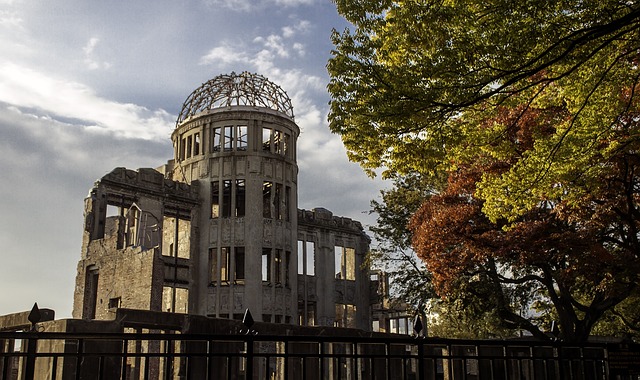
Hiroshima Hiking on a Budget: 2 Real Trails
Hiroshima’s 2 real hiking areas on a budget Hiroshima city itself sits on a river delta, flat and built up; the actual trails are on Miyajima and further out at Sandankyo Gorge. Both pair well with the sights in the things-to-do guide .
Mount Misen, Miyajima At 535m, Mount Misen is the high point of the island, and the more accessible of the two hikes here. The Miyajima Ropeway carries most...
read more
Rotterdam Travel Tips: 8 Costs Before You Go
Heads up: some links here are affiliate links. Book or buy through them and we may earn a small commission at no extra cost to you. We only point you to things we would actually use.
Rotterdam travel tips that actually save you money Most Rotterdam travel advice is generic. These 8 aren’t, they’re the specific numbers and habits that keep a budget trip on budget, plus the one hazard...
read more
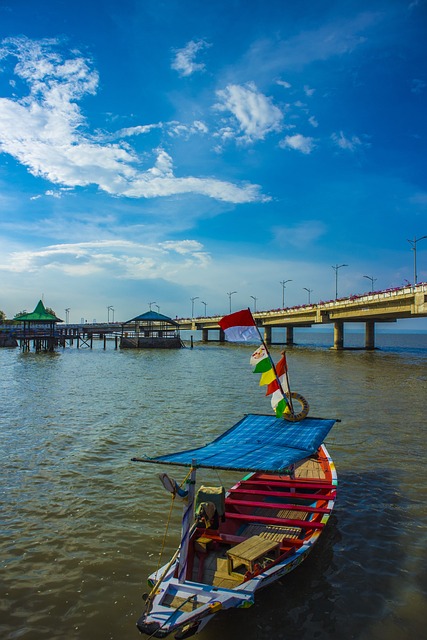
Surabaya Nature Spots on a Budget
Heads up: some links here are affiliate links. Book or buy through them and we may earn a small commission at no extra cost to you. We only point you to things we would actually use.
The city’s own green space is limited, honestly Surabaya is a hot, industrial port city, and its in-city green space is modest: a couple of parks and a stretch of seafront, all free. The real nature payoff on a...
read more
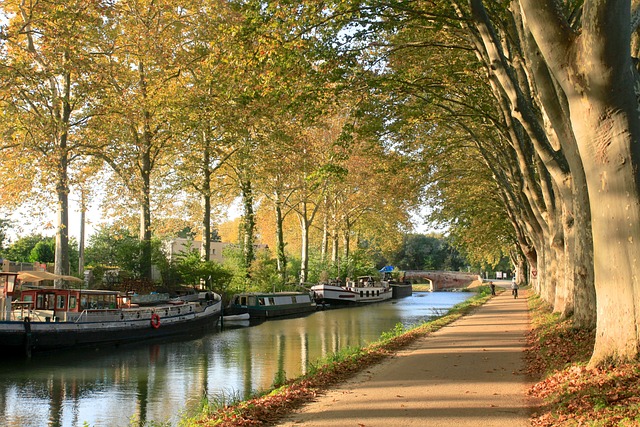
Toulouse Festivals and Events 2026: 6 Dates
Heads up: some links here are affiliate links. Book or buy through them and we may earn a small commission at no extra cost to you. We only point you to things we would actually use.
Toulouse festivals and events worth planning a budget trip around Toulouse’s biggest events mostly cost nothing to attend, you just need the dates. Below are 6 confirmed 2026 events, with what’s actually...
read more
Volgograd in 2 Days on a Budget (Real Costs)
Heads up: some links here are affiliate links. Book or buy through them and we may earn a small commission at no extra cost to you. We only point you to things we would actually use.
Travel advisory: The US State Department rates Russia Level 4, Do Not Travel (reissued 29 December 2025), and the UK FCDO advises against all travel to Russia (updated 3 July 2026), citing the war with Ukraine,...
read more
Where to Stay in Sharm El Sheikh (Cheap)
Heads up: some links here are affiliate links. Book or buy through them and we may earn a small commission at no extra cost to you. We only point you to things we would actually use.
Where to stay in Sharm El Sheikh without overpaying Sharm doesn’t have one obvious base, it has five, and the all-inclusive resort model dominates most of them, so the real choice is area and package rather than...
read more
Aarhus in 4 Days: City Plus 2 Day Trips
Four days: the city, then two directions out of it Two days cover the centre; the other two split between Legoland Billund and the Silkeborg lake district, in opposite directions from Aarhus, so plan them as separate days rather than trying to combine them. The 3-day plan is the version of this trip without the second day trip; the 6-day plan adds a third.
Day 1: Latin Quarter, the Cathedral, and...
read more
Free Park Walks and Green Spaces in Antwerp
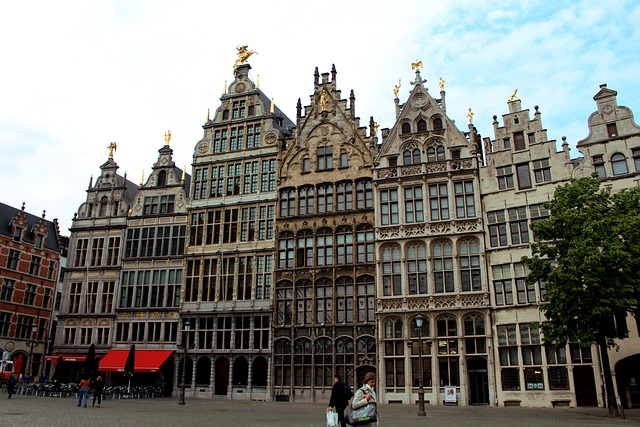
Free Park Walks and Green Spaces in Antwerp Antwerp is flat and built-up, so set expectations honestly: this is city walking and parkland, not mountain hiking. What the city does have is a good spread of free green space, from formal parks to the river embankments and a genuine left-bank beach, all reachable without a ticket. Here are the best walks that stay inside or on the edge of the city.
read more
Tallinn + Estonia in 6 Days on a Budget
Tallinn in 6 Days: Old Town, Kalamaja, Lahemaa, Helsinki, Parnu, and a Castle Town Before any of the six days: Estonia uses the euro, has since 2011, and it’s a Baltic EU, Schengen, and NATO state, not Russia, despite the Soviet occupation from 1944 to 1991, and not Scandinavian either, Estonian is Finno-Ugric, closer to Finnish than to anything Slavic or Nordic. It’s also a nearly...
read more
Busan Travel Tips: 8 Costs to Know Before You Go
Heads up: some links here are affiliate links. Book or buy through them and we may earn a small commission at no extra cost to you. We only point you to things we would actually use.
8 things worth knowing before you land in Busan Most of what trips visitors up in Busan is practical rather than cultural, currency confusion, transit cards, and the odd unfamiliar norm. These 8 cover the ones with...
read more
Lucerne Events Worth Budgeting a Trip Around
Lucerne Events Worth Budgeting a Trip Around Lucerne has two events big enough to plan a whole trip around, and both push accommodation prices up, so book well ahead if you’re timing a visit to either one.
Lucerne Fasnacht (Carnival) Lucerne’s biggest annual event runs roughly two weeks across February and March, opening on “Dirty Thursday” (Schmutziger Donnerstag) with the...
read more
Málaga Travel Tips on a Budget: What to Know
Heads up: some links here are affiliate links. Book or buy through them and we may earn a small commission at no extra cost to you. We only point you to things we would actually use.
Málaga travel tips that save money Málaga is an easy, cheap city to get right if you know a few local rules: how to get in from the airport without a taxi, when the kitchens actually open, and where the pickpockets...
read more
Nice's Overlooked Corners on a Budget
Nice’s Overlooked Corners on a Budget Most visitors do the Promenade, Vieux Nice, and Castle Hill, then leave. The corners below sit right next to those big stops but get walked straight past, and almost all of them are free. They are the difference between seeing Nice and actually poking around it.
Rauba-Capeu and the war memorial Between the port and Vieux Nice, a clifftop path leads to...
read more
Trondheim Travel Tips to Save Real Money
Heads up: some links here are affiliate links. Book or buy through them and we may earn a small commission at no extra cost to you. We only point you to things we would actually use.
Trondheim is safe; the real planning problem is cost Norway sits at US State Department Level 1, Exercise Normal Precautions, no elevated warning, and Trondheim carries no city-specific risk beyond the ordinary...
read more
Volgograd Travel Tips for a Tight Budget in 2026
Heads up: some links here are affiliate links. Book or buy through them and we may earn a small commission at no extra cost to you. We only point you to things we would actually use.
Travel advisory: Both the US State Department (Level 4, Do Not Travel, reissued 29 December 2025) and the UK FCDO (advises against all travel to Russia, updated 3 July 2026) rate Russia at their maximum warning level,...
read more
Aarhus in 3 Days: City Plus 1 Day Trip
Three days: two in the city, one on the road Two days covers the core sights on foot; the third adds Aarhus’s honest answer to “hiking,” a day trip east to Mols Bjerge National Park. Arriving matters more than it sounds: Aarhus’s own airport is small and 40km out, so most visitors fly Billund (about 1.5 hours by road) or Copenhagen plus a direct train instead. Want just the...
read more
Best Places to Stay in Hangzhou on a Budget
Heads up: some links here are affiliate links. Book or buy through them and we may earn a small commission at no extra cost to you. We only point you to things we would actually use.
Where to base yourself, by budget and priority Hangzhou’s neighborhoods split cleanly by what you’re optimizing for: view, price, or convenience for a day trip. Here are the 5 areas worth knowing before...
read more
Bratislava Festivals and Events 2026: 5 Dates
Heads up: some links here are affiliate links. Book or buy through them and we may earn a small commission at no extra cost to you. We only point you to things we would actually use.
Bratislava festivals and events worth timing a budget trip around Bratislava’s calendar is thinner on confirmed festival dates than some capitals, but its two biggest annual draws, the Christmas market and the...
read more
Bruges Festivals and Events 2026: 6 Key Dates
Heads up: some links here are affiliate links. Book or buy through them and we may earn a small commission at no extra cost to you. We only point you to things we would actually use.
Bruges festivals and events worth timing your trip around Several of Bruges’s biggest events cost nothing to watch, you just need the right date, and one common mix-up worth correcting first: the Bruges Beer...
read more
Sharm El Sheikh on a Budget: Diving & Sinai
Heads up: some links here are affiliate links. Book or buy through them and we may earn a small commission at no extra cost to you. We only point you to things we would actually use.
Travel advisory: Egypt carries elevated regional-security warnings, but Sharm el-Sheikh itself sits inside a well-established carve-out. North Sinai, hundreds of kilometres away near the Gaza border, is a...
read more
Where to Stay in Hamburg on a Budget: 5 Areas
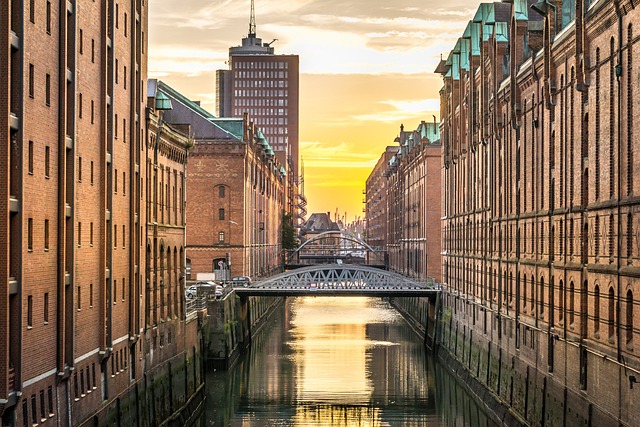
Where to base yourself in Hamburg, by area Hamburg is compact enough that most areas put you within a short HVV ride of everything else, so pick a base by the trade-off you care about most: central and convenient, quiet and modern, or loud and central to the nightlife.
City center, near the Rathaus and Hauptbahnhof: the most central and best-connected option, and the safest default for a first...
read more