Recent Tr4vel
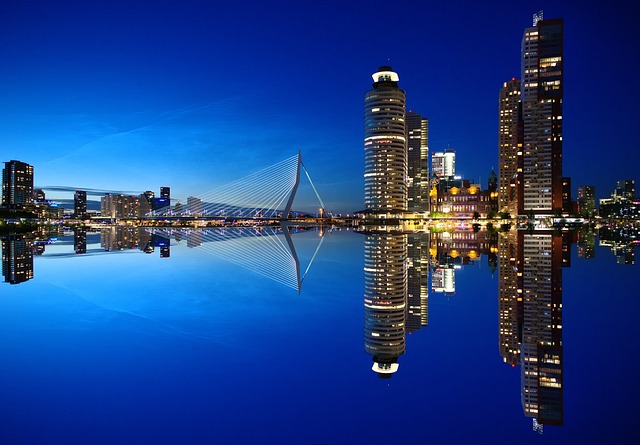
Where to Stay in Rotterdam on a Budget: 5 Areas
Heads up: some links here are affiliate links. Book or buy through them and we may earn a small commission at no extra cost to you. We only point you to things we would actually use.
Where to base yourself in Rotterdam, by area Rotterdam is compact enough that most areas put you within a short RET ride of everything else, so pick a base by the trade-off you care about most: central and convenient,...
read more
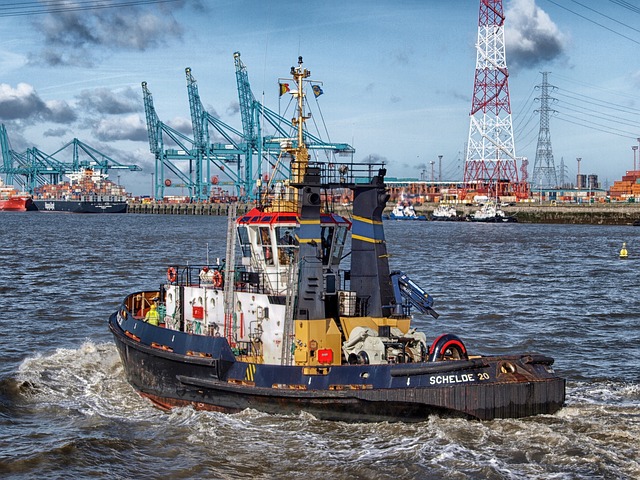
Offbeat Corners Around Antwerp for Free
Offbeat Corners Around Antwerp for Free The obvious day trips from Antwerp fill up: Bruges by midday, the Grand-Place year-round. But the same rail network reaches quieter, cheaper places that most visitors skip, and several of them cost nothing beyond the fare. Here are the offbeat picks worth swapping in when you want a calmer day.
Ghent instead of Bruges The single best swap. Ghent runs 46...
read more
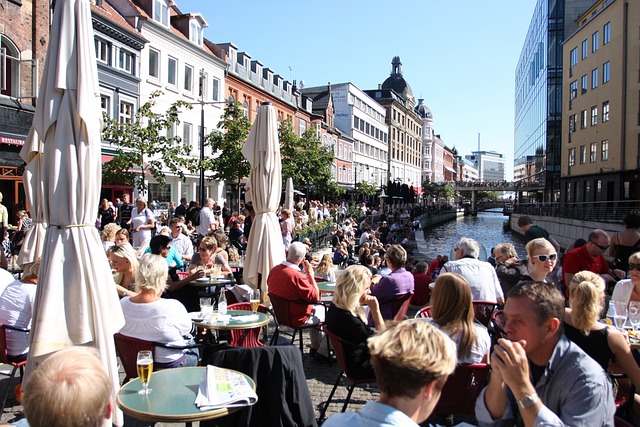
Aarhus in 2 Days on a Budget (Real DKK Costs)
Two days in Aarhus: one paid museum, the rest free or cheap Two days is enough to cover the Latin Quarter, one paid museum, and Den Gamle By, without needing a day trip out of the city. The decision that matters most happens before you land: Aarhus’s own airport (AAR) is small and 40km out, so fly Billund (about 1.5 hours by road) or Copenhagen plus a direct train (3 to 3.
read more
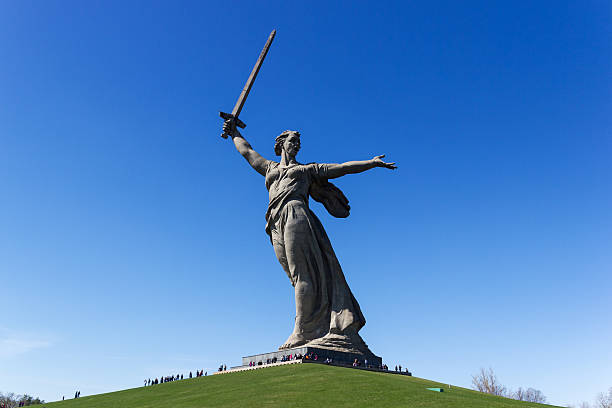
Volgograd on a Budget: Where to Actually Stay
Heads up: some links here are affiliate links. Book or buy through them and we may earn a small commission at no extra cost to you. We only point you to things we would actually use.
Travel advisory: Russia carries the maximum warning level from the US State Department (Level 4, Do Not Travel, reissued 29 December 2025) and the UK FCDO (advises against all travel to Russia, updated 3 July 2026),...
read more
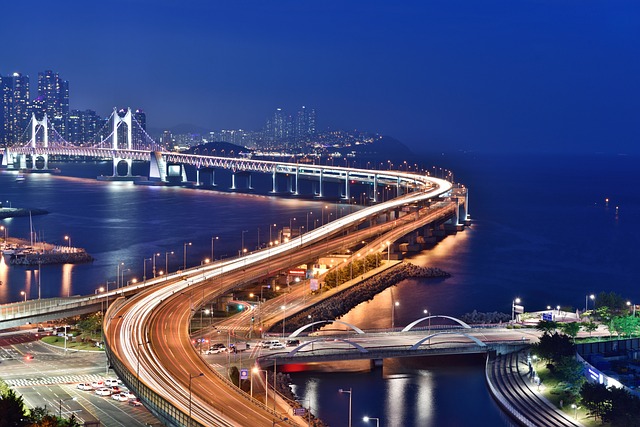
Where to Stay in Busan on a Budget: 5 Areas
Heads up: some links here are affiliate links. Book or buy through them and we may earn a small commission at no extra cost to you. We only point you to things we would actually use.
Busan is spread out, so where you sleep decides how much you walk Busan isn’t compact like Seoul; it’s hilly and strung out along the coast, so the district you pick shapes your whole trip more than it...
read more
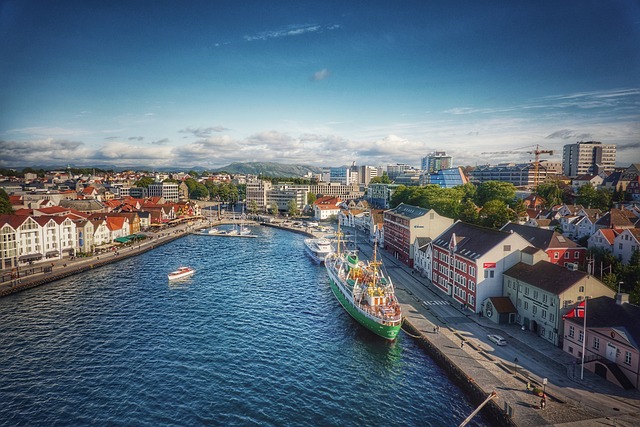
Stavanger in 7 Days: What It Actually Costs
Heads up: some links here are affiliate links. Book or buy through them and we may earn a small commission at no extra cost to you. We only point you to things we would actually use.
7 days fits both hikes and the roadless village too Seven days here is the 6-day itinerary plus one genuine extra: Flørli, the hydroelectric-station village on the Lysefjord reachable only by ferry, home to a wooden...
read more
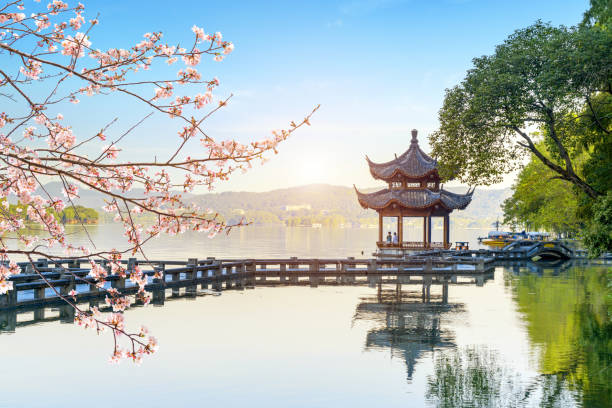
6 Best Photo Spots in Hangzhou on a Budget
The best photos here cost nothing West Lake itself is free, and it’s also the source of nearly every classic Hangzhou photo. Here are 6 spots worth building a morning around.
1. The Su and Bai causeways Free, and the best reflections in the city at sunrise, before the day-trip crowds arrive. Su Causeway, built 1074 by Su Dongpo, and Bai Causeway, built 822 by Bai Juyi, are two different...
read more

Best Places to Eat in Nairobi: 9 Cheap Eats
Heads up: some links here are affiliate links. Book or buy through them and we may earn a small commission at no extra cost to you. We only point you to things we would actually use.
Eating in Nairobi on a budget Nairobi’s everyday food is genuinely cheap. A filling plate of nyama choma with sides runs a fraction of what a sit-down meal costs in most Western cities, and the national...
read more
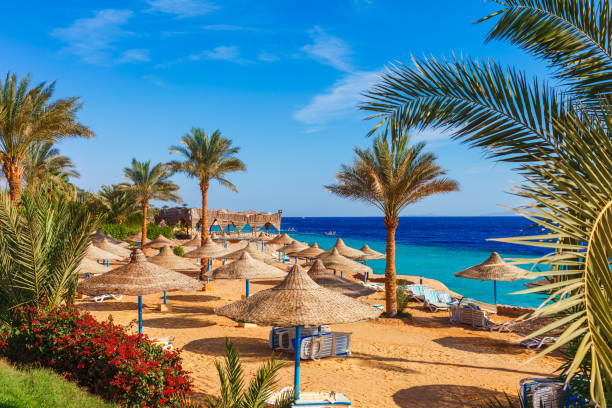
Free Photo Spots in Sharm El Sheikh
Heads up: some links here are affiliate links. Book or buy through them and we may earn a small commission at no extra cost to you. We only point you to things we would actually use.
Sharm El Sheikh photo spots that cost nothing to shoot Sharm’s best-known shots are underwater and come with a boat-trip price tag, but a handful of genuinely good land-based spots cost nothing at all. Here are...
read more
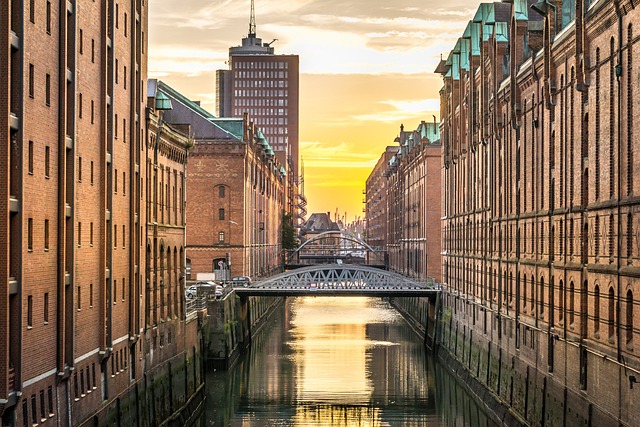
Hamburg Photo Spots on a Budget: 7 Free Views
Seven shots that cost nothing (or almost nothing) Most of Hamburg’s best frames don’t need a ticket, and the one spot that does is worth the few euros it charges.
Speicherstadt’s canals, free: the red-brick warehouse district built 1885-1927 photographs best in the low light near sunset, when the water in the canals catches the color off the facades. Landungsbrücken, free: the...
read more
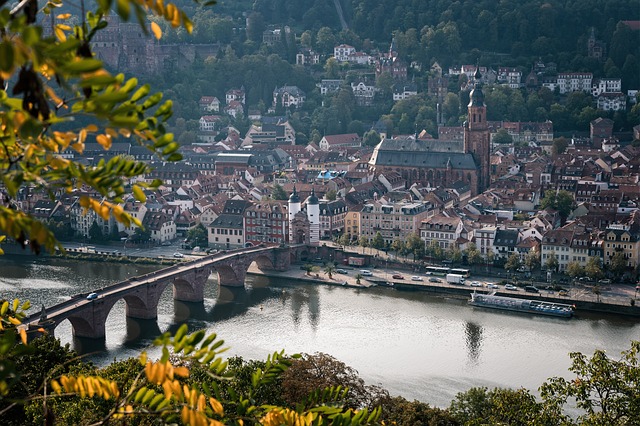
Heidelberg Hiking on a Budget: 5 Free Trails
Heads up: some links here are affiliate links. Book or buy through them and we may earn a small commission at no extra cost to you. We only point you to things we would actually use.
Honest framing first Heidelberg is a river-valley town with pleasant hillside walking, not an alpine hiking base. None of these 5 trails need boots or poles, and all 5 cost nothing to walk once you’re on them.
read more
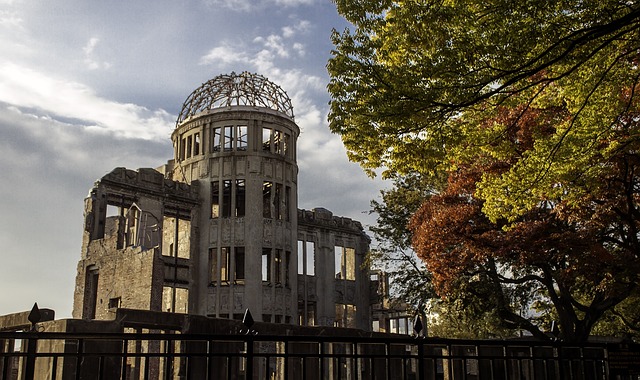
Hiroshima on a Budget: 6 Overlooked Picks
6 overlooked things to do in Hiroshima on a budget The Peace Park and Miyajima earn every bit of their reputation, and belong on any first visit; the things-to-do guide covers them properly. These six sit a step further off that path, in the living city rather than the memorial sites.
Ride one of the two surviving prewar Hiroden streetcars, around ¥240 fare: cars 651 and 652 survived the atomic...
read more
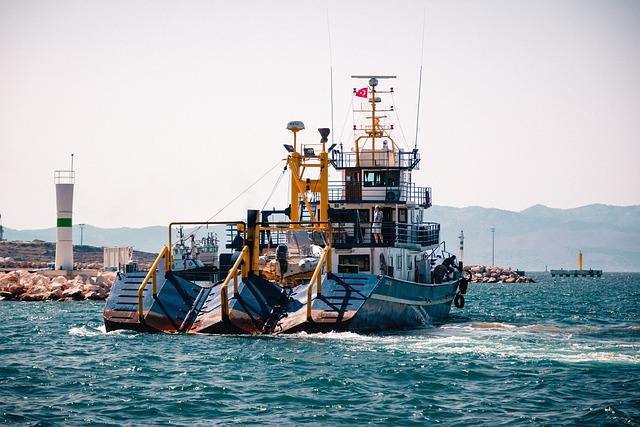
Izmir in 7 Days on a Budget (With Daily Costs)
Heads up: some links here are affiliate links. Book or buy through them and we may earn a small commission at no extra cost to you. We only point you to things we would actually use.
Izmir in 7 Days on a Budget (With Daily Costs) A full week adds Urla’s wine country to the 6-day loop, the last of Izmir’s usual day trips and a mellow way to close out the ancient-sites-and-beaches pace...
read more
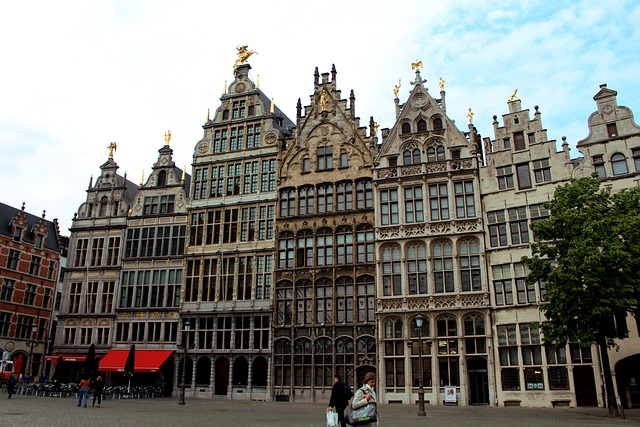
Offbeat Antwerp: Free and Quiet Corners
Offbeat Antwerp: Free and Quiet Corners Most visitors stay inside the Grote Markt-to-Meir triangle, which means the quieter, cheaper corners of Antwerp stay quiet. Nearly everything below is free, and several spots trade crowds for a genuine sense of the city locals actually use. Here is where to go once you have ticked off the cathedral and the diamonds.
Zurenborg and Cogels-Osylei A short ride...
read more
Rotterdam Photo Spots on a Budget: 7 Free Views
Seven shots that cost nothing (or almost nothing) Most of Rotterdam’s best frames don’t need a ticket, and the one spot that does gives a view nothing else on this list can match.
The Erasmusbrug, free: the 802m cable-stayed “Swan” bridge lit up after dark, shot from the Boompjes riverside or from the Kop van Zuid side looking back toward the centre, is the single most...
read more
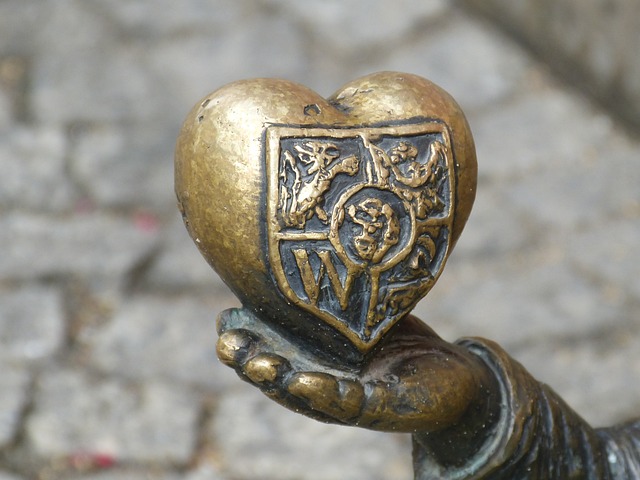
Things to Do in Wroclaw on a Budget: 9 Free Picks
9 free and cheap things to do in Wroclaw Wrocław is one of Poland’s best-value city breaks, and most of its best sights cost nothing at all: the Rynek, the dwarf hunt, Ostrów Tumski’s lamplit evenings, and the free half of the Centennial Hall grounds. Below are 9 picks, plus what the paid extras actually charge, so nothing surprises you at the till.
Walk the Rynek. One of...
read more
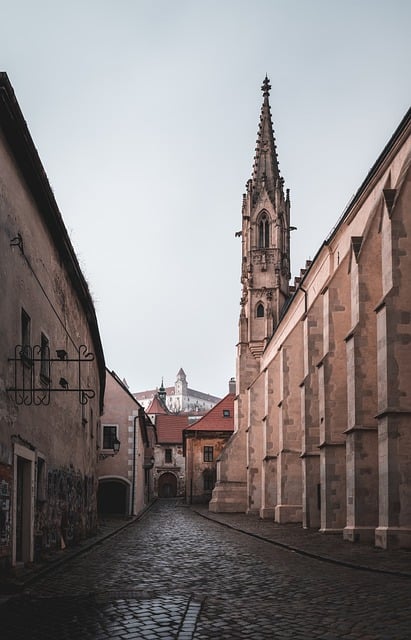
Where to Eat in Bratislava on a Budget: 7 Picks
Heads up: some links here are affiliate links. Book or buy through them and we may earn a small commission at no extra cost to you. We only point you to things we would actually use.
Eating cheap in Bratislava: what to order, not just where Bratislava doesn’t run on named food-hall brands the way some capitals do, it runs on a handful of dishes that show up affordably almost everywhere, from...
read more
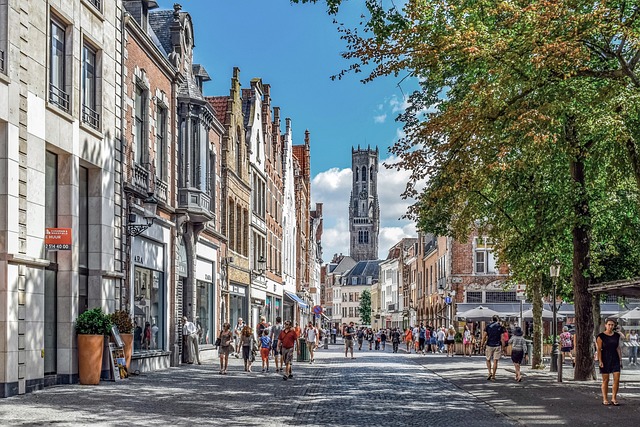
Where to Eat in Bruges on a Budget: 8 Picks
Heads up: some links here are affiliate links. Book or buy through them and we may earn a small commission at no extra cost to you. We only point you to things we would actually use.
Eating in Bruges without overspending Bruges doesn’t run a milk-bar-style budget canteen scene the way some cities do, but its cheapest, most authentic food is still street food: a paper cone of fries from a...
read more
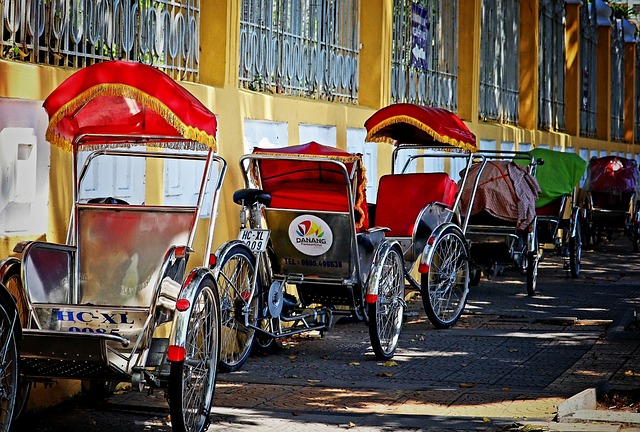
Where to Eat in Da Nang on a Budget: 8 Picks
Heads up: some links here are affiliate links. Book or buy through them and we may earn a small commission at no extra cost to you. We only point you to things we would actually use.
Where to eat in Da Nang, and what’s actually the city’s own food Da Nang shares a food scene with the rest of Vietnam, but it has a real signature of its own, and it isn’t pho or bun bo hue, those...
read more
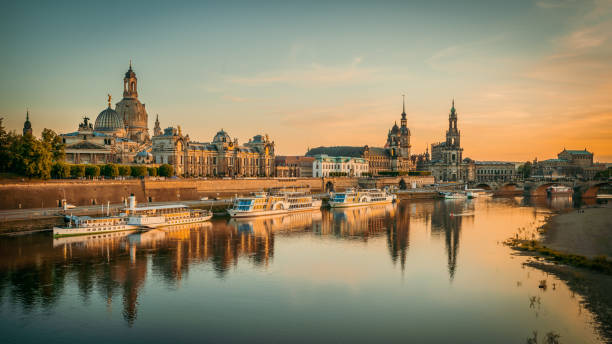
Where to Eat in Dresden on a Budget: 8 Picks
Heads up: some links here are affiliate links. Book or buy through them and we may earn a small commission at no extra cost to you. We only point you to things we would actually use.
What to actually order in Dresden, and roughly what it costs Dresden’s food identity is Saxon, not generically German: a strong coffee-and-cake culture, a Christmas bread that’s legally protected, and...
read more
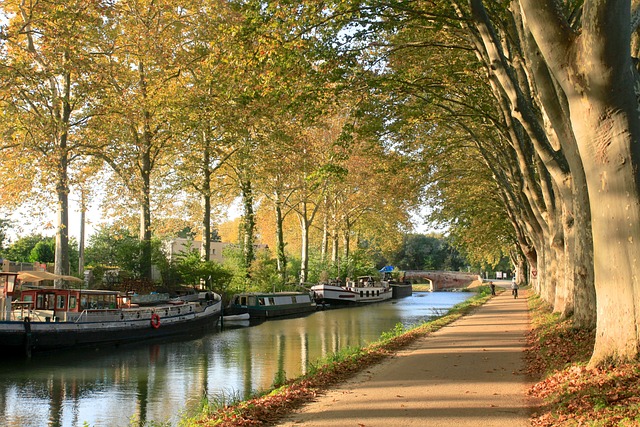
Where to Eat in Toulouse on a Budget: 7 Picks
Heads up: some links here are affiliate links. Book or buy through them and we may earn a small commission at no extra cost to you. We only point you to things we would actually use.
Where to eat in Toulouse on a budget Toulouse’s one rule for cheap eating: walk a block off Place du Capitole itself before you sit down. Every terrace fronting the square is priced for the view, and the same...
read more
Aarhus Travel Tips: Skip AAR, Fly Billund Instead
Getting there: the decision that actually matters Aarhus Airport (AAR) sits about 40km northeast of the city with a thin route network, genuinely inconvenient for a short trip. Most visitors instead fly into Billund (BLL), roughly 1.5 hours by road and also Legoland’s gateway, or Copenhagen (CPH) and take a direct DSB InterCity train, roughly 3 to 3.5 hours with no change of trains. Compare...
read more
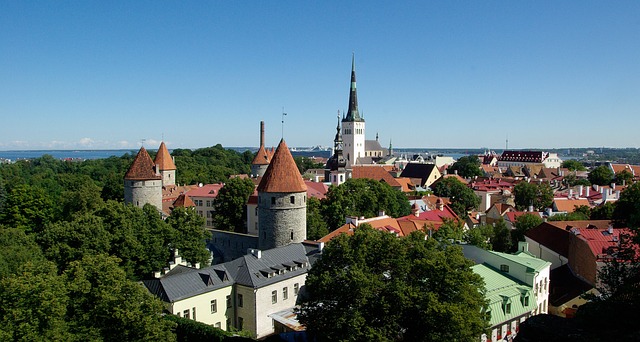
Tallinn + Estonia in 5 Days on a Budget
Tallinn in 5 Days: Old Town, Kalamaja, Lahemaa, Helsinki, and a Beach Town Get this straight first: Estonia’s currency is the euro, full stop, since 2011, the kroon is gone. It’s a Baltic EU and Schengen state, not Russia, not Scandinavia, and Estonian is a Finno-Ugric language closer to Finnish than to anything Slavic. It also runs one of the most cashless societies in Europe,...
read more
Busan Photo Spots on a Budget: 6 Free Views
Heads up: some links here are affiliate links. Book or buy through them and we may earn a small commission at no extra cost to you. We only point you to things we would actually use.
Busan’s best photos cost nothing but the walk there Five of the six spots below are free to shoot; only one asks for a ticket, and it earns its price at night. For the sights themselves rather than the angles,...
read more
Volgograd Photo Spots on a Budget in 2026
Heads up: some links here are affiliate links. Book or buy through them and we may earn a small commission at no extra cost to you. We only point you to things we would actually use.
Travel advisory: Both the US State Department (Level 4, Do Not Travel, reissued 29 December 2025) and the UK FCDO (advises against all travel to Russia, updated 3 July 2026) rate Russia at their maximum warning level,...
read more
Aarhus Etiquette: No Tipping, Mind the Bike Lane
The one mistake that actually matters: the bike lane Aarhus is one of Denmark’s most bike-centric cities, and cyclists have real right-of-way norms that visitors from car-first countries routinely misjudge. Look both ways for bikes before crossing a cycle lane, even one that looks like part of the pavement, and check before opening a car door or stepping off a curb. This is the single...
read more
Antwerp Festivals and Events: Mostly Free
Antwerp Festivals and Events: Mostly Free Antwerp’s calendar leans heavily on outdoor, free-to-attend events, which suits a budget trip well: you pay only for food, drink, and the odd ticketed show. The two anchors are a summer-long programme and a winter market, with a beer festival and one big museum exhibition worth timing a visit around. Dates shift year to year, so treat the specifics...
read more
5 Best Nature Spots in Hangzhou on a Budget
1. West Lake Free, the lake, the causeways, and Solitary Hill, no ticket booth anywhere. It’s a UNESCO World Heritage cultural landscape, listed in 2011 (the separate Grand Canal listing came in 2014). Walk the Su Causeway, built 1074 by the poet Su Dongpo, and the Bai Causeway, built 822 by Bai Juyi, two builders roughly 250 years apart. A boat out to Three Pools Mirroring the Moon, around...
read more
Hamburg Nature Spots on a Budget: 6 Free Picks
Six free ways to get outside in Hamburg Hamburg’s nature spots are mostly the water and the parkland around it, and every one of the six below costs nothing to visit.
Planten un Blomen, free: the central park’s themed gardens run alongside a free water-light show, the Wasserlichtkonzerte, every night from May through September. It’s the easiest green escape in the city, a short...
read more
Rotterdam Nature Spots on a Budget: 6 Free Picks
Six free ways to get outside in Rotterdam Rotterdam’s nature spots are mostly water, parkland, and one genuinely unusual rooftop, and every one of the six below costs nothing to visit.
Kralingse Plas and Kralingse Bos, free: a lake ringed by woodland east of the centre, Rotterdam’s largest green space. Walk the shoreline for free, or rent a rowboat if you’d rather be on the water...
read more
Sharm El Sheikh Nature Spots (Budget)
Heads up: some links here are affiliate links. Book or buy through them and we may earn a small commission at no extra cost to you. We only point you to things we would actually use.
Sharm El Sheikh’s nature: mostly free once you’re in the water Sharm’s real nature draw is underwater, and most of it costs nothing beyond a mask once you’re staying near a house reef....
read more
Things to Do in Bratislava on a Budget: 9 Picks
Heads up: some links here are affiliate links. Book or buy through them and we may earn a small commission at no extra cost to you. We only point you to things we would actually use.
Things to do in Bratislava that won’t cost you much Bratislava’s compact Old Town packs most of its landmark sights into a walkable half-day, and the majority of them are free to see from the outside.
read more
Things to Do in Bruges on a Budget: 10 Picks
Heads up: some links here are affiliate links. Book or buy through them and we may earn a small commission at no extra cost to you. We only point you to things we would actually use.
10 free and cheap things to do in Bruges Bruges’s best sights don’t need a ticket at all: the Markt, the Burg, the canal quaysides, and the Begijnhof’s courtyard are all free to walk. Below are 10...
read more
Busan Nature Spots on a Budget: 6 Free Picks
Heads up: some links here are affiliate links. Book or buy through them and we may earn a small commission at no extra cost to you. We only point you to things we would actually use.
Busan’s coastline does more than hold beaches Between the mountains hemming the city on one side and the Korea Strait on the other, Busan packs in more natural variety than a beach-vacation reputation suggests....
read more
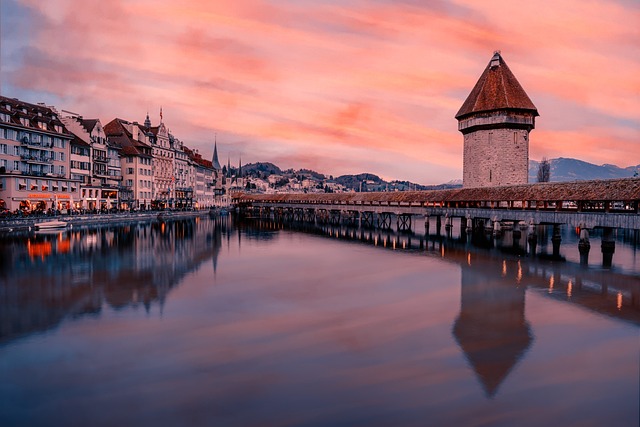
Eating Well in Lucerne Without Overspending
Eating Well in Lucerne Without Overspending Switzerland is genuinely one of the more expensive places to eat in Europe, so it pays to know where the real cost sits before you order. A supermarket picnic runs CHF 12-17, a casual restaurant lunch CHF 25-40, and dinner CHF 35-55, all before drinks.
The one dish to try Luzerner Chügelipastete is the local specialty: a dome-shaped puff-pastry shell...
read more
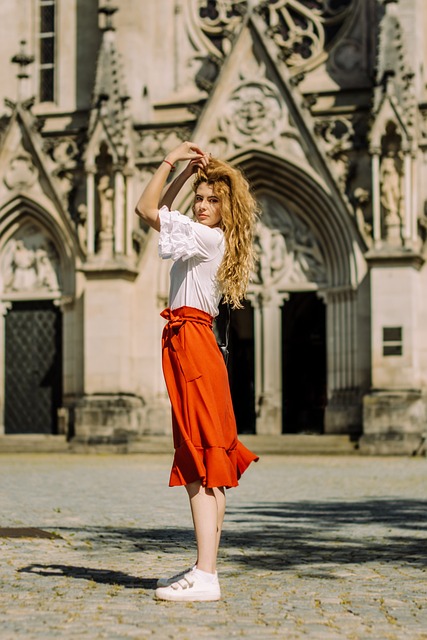
Nice Festivals and Events on a Budget
Nice Festivals and Events on a Budget Nice runs on an events calendar you can plan a cheap trip around, and much of it is free to watch. If value matters, aim for the shoulder-season dates rather than the July peak. Here is what is worth timing a visit for in 2026.
Nice Carnival (February 11 to March 1, 2026) The big one, and the reason winter is a smart-value window.
read more
Stavanger in 6 Days: What It Actually Costs
Heads up: some links here are affiliate links. Book or buy through them and we may earn a small commission at no extra cost to you. We only point you to things we would actually use.
6 days is enough for both fjord hikes, not just one Six honest days here means two city days (the wooden-house district, the Cathedral, the Petroleum Museum, Sverd i fjell), a Preikestolen day, a...
read more
Volgograd's Free Nature Spots on a Budget
Heads up: some links here are affiliate links. Book or buy through them and we may earn a small commission at no extra cost to you. We only point you to things we would actually use.
Travel advisory: The US State Department rates Russia Level 4, Do Not Travel (reissued 29 December 2025), and the UK FCDO advises against all travel to Russia (updated 3 July 2026), citing the war with Ukraine,...
read more
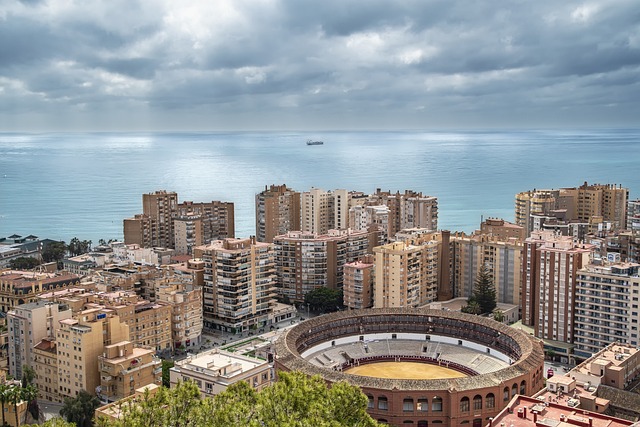
Where to Stay in Málaga on a Budget
Heads up: some links here are affiliate links. Book or buy through them and we may earn a small commission at no extra cost to you. We only point you to things we would actually use.
Where to base yourself in Málaga Málaga’s centre is small enough that you can pick an area by what you want each day, sights, beach, or fast trains for day trips, without ever being far from the rest.
read more
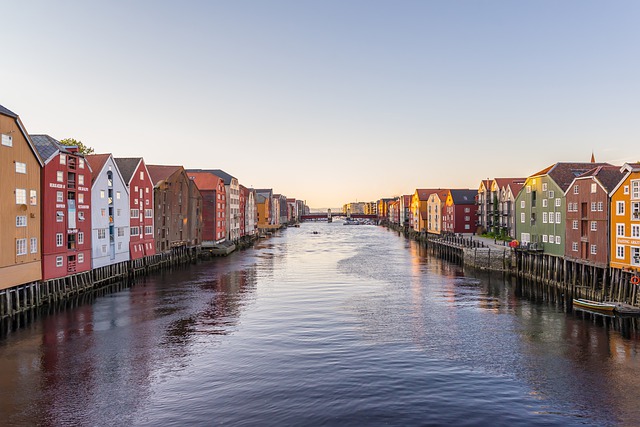
Where to Stay in Trondheim Without Overspending
Heads up: some links here are affiliate links. Book or buy through them and we may earn a small commission at no extra cost to you. We only point you to things we would actually use.
Trondheim comes down to three real neighborhoods Trondheim is small enough that the choice isn’t really between dozens of districts, it’s between three: the historic centre, the old town across the river,...
read more
Where to Stay in Aarhus Without Overpaying
Aarhus by neighbourhood, not by name Hotel names and nightly rates in Aarhus change too fast for a guide like this to responsibly track, so instead of naming specific properties, this covers the five zones worth choosing between and what each one costs you in walking time versus rate. Check current rates by neighbourhood on Booking.com once you’ve picked a zone, since prices swing hard...
read more
Cheap Eats in Antwerp and on Day Trips
Cheap Eats in Antwerp and on Day Trips If you are basing yourself in Antwerp and riding out to Ghent, Bruges, or the coast, the good news is that Belgian food is broadly the same across Flanders and the prices barely move between towns. The real trap is the tourist-ringed square, where the same plate costs half as much a few streets back. Here is how to eat cheaply at your base and on each day...
read more
Plecnik's Free Ljubljana: a Walking Guide
One architect, one free walking tour Ljubljana looks the way it does because of one man. Joze Plecnik (1872-1957), a Slovenian architect trained under Otto Wagner in Vienna, spent the interwar decades reshaping his home city into a walkable, human-scaled capital. In 2021 UNESCO inscribed his work here as “The works of Joze Plecnik in Ljubljana, human-centred urban design,” and the best...
read more
Tallinn + Estonia in 4 Days on a Budget
Tallinn in 4 Days: Old Town, Kalamaja, Lahemaa, and a Ferry to Finland Three facts before you plan a euro out of this trip: Estonia has used the euro since 2011, it’s a Baltic EU and Schengen member and NOT Russia despite Soviet occupation from 1944 to 1991, and it is NOT Scandinavian, Estonian is Finno-Ugric, closer to Finnish than to anything Russian or Nordic-adjacent. Tallinn also runs...
read more
Aarhus Photo Spots That Cost Nothing to Shoot
The one paid shot, and everything free around it Aarhus’s single most photographed view, ARoS’s rooftop “Your Rainbow Panorama,” a 360-degree circular skywalk of rainbow-coloured glass by Ólafur Elíasson, requires a paid museum ticket to reach (verify current admission), so budget for it as a museum visit rather than a quick photo stop. Everything else on this list costs...
read more
Bratislava Day Trips on a Budget: 4 Best Picks
Heads up: some links here are affiliate links. Book or buy through them and we may earn a small commission at no extra cost to you. We only point you to things we would actually use.
Bratislava day trips on a budget: what’s actually worth it Four day trips cover the region without wrecking a budget: Vienna, Budapest, the ruined Devín Castle at the Austrian border, and the Small Carpathians...
read more
Bruges Day Trips on a Budget: 4 Real Picks
Heads up: some links here are affiliate links. Book or buy through them and we may earn a small commission at no extra cost to you. We only point you to things we would actually use.
Bruges day trips on a budget: what’s actually worth it Four day trips cover the region without wrecking a budget: Ghent, the other great Flemish art city, is the cheapest and fastest at 25-30 minutes; Ypres...
read more
Budget Hiking Near Surabaya: Bromo & Ijen
Heads up: some links here are affiliate links. Book or buy through them and we may earn a small commission at no extra cost to you. We only point you to things we would actually use.
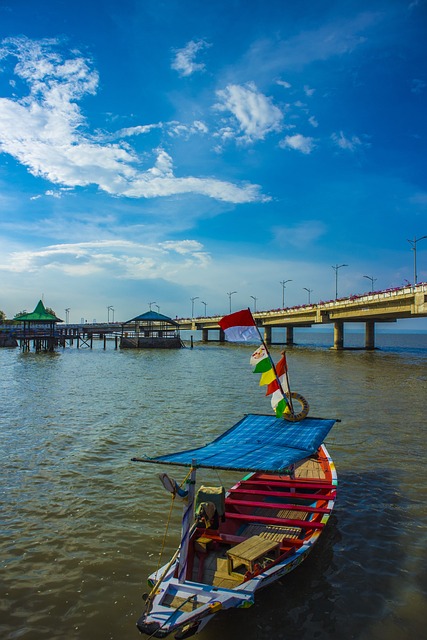
Surabaya itself has no real hiking Be honest about this before booking a trip around it: Surabaya is a flat, hot, spread-out port city, and there’s no genuine in-city trail worth the name. The hiking that draws...
read more
Budget Hiking Trails Near Sharm El Sheikh
Heads up: some links here are affiliate links. Book or buy through them and we may earn a small commission at no extra cost to you. We only point you to things we would actually use.
Sharm El Sheikh hiking: what’s free and what needs a tour Sharm isn’t a hiking destination first, it’s a diving one, but the desert and canyon country around it offers real walking, from a free...
read more
Busan Hiking Areas on a Budget: 4 Real Trails
Heads up: some links here are affiliate links. Book or buy through them and we may earn a small commission at no extra cost to you. We only point you to things we would actually use.
Busan’s hiking is real, not a beach-city afterthought Busan gets sold as a beach destination, but the mountains and cliffs ringing the city hold genuine trails, and every one below costs nothing beyond a metro...
read more