Recent See Eat Do
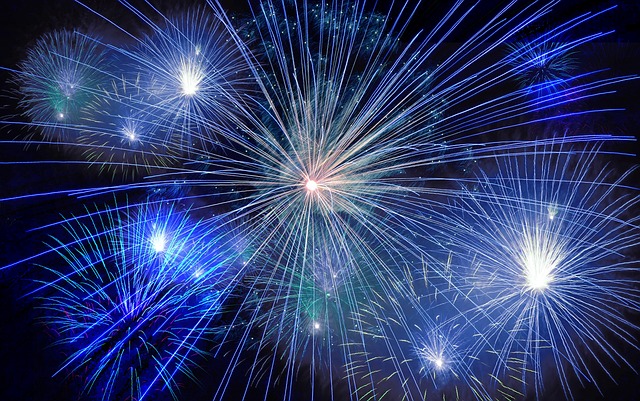
New Year Fireworks in Sydney
Sydney New Year’s Eve: Choosing Your Spot and What It Will Cost Sydney hosts the largest New Year’s Eve fireworks display in the southern hemisphere, with approximately 8.5 tonnes of fireworks launched from the Sydney Harbour Bridge and several barges around the harbour. The display runs for 12 minutes at midnight. There is also a 9 PM “family” display running about 7...
read more
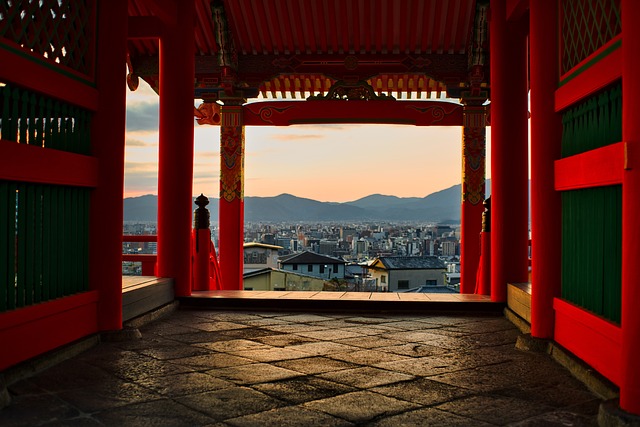
Kiyomizu Dera
Kiyomizudera: The Temple Built Without a Single Nail Kiyomizudera sits on the wooded hillside of Otowayama in eastern Kyoto, built into the slope on a structure of 139 wooden pillars rising 13 metres from the valley floor. The main hall and its famous jutting stage were constructed in 1633 under the third Tokugawa shogun, Iemitsu, and the entire structure was assembled without a single nail...
read more
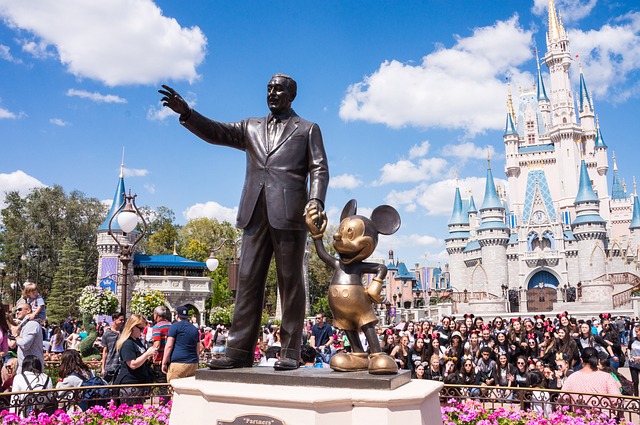
Magic Kingdom, Disney World, Orlando
Magic Kingdom: How to Actually Enjoy It Magic Kingdom is the most-visited theme park on earth. On a busy day in July it receives around 60,000 visitors. Understanding this before you arrive determines whether you have a good day or a miserable one. Disney does an exceptional job at crowd management, but 60,000 people in a park designed to feel intimate is a real experience, not a brochure.
This is...
read more
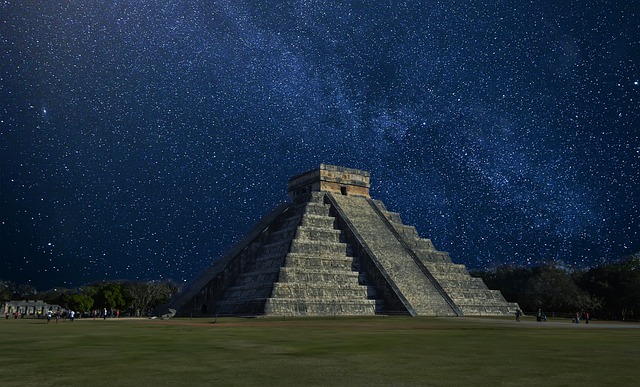
Chichen Itza
Chichen Itza: What You Actually Get, and What Most People Miss Chichen Itza is one of the best-known archaeological sites in the Americas and one of the most visited in the world, drawing around 2.5 million visitors a year. Its iconic pyramid El Castillo appears on Mexican tourist materials so frequently that the real thing can seem anticlimactic at first encounter. Do not be deceived. The site is...
read more
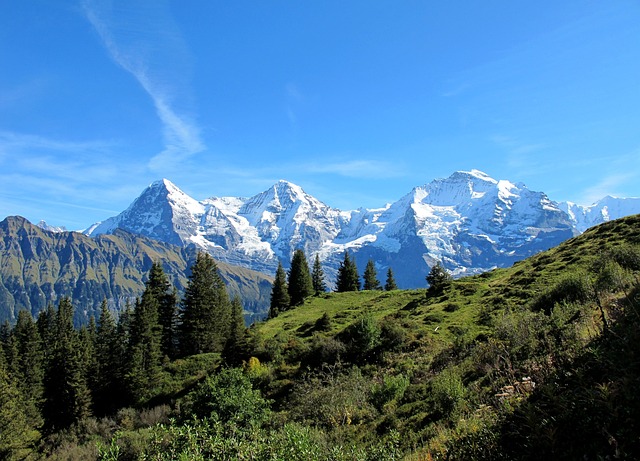
Eiger
The Eiger: The North Face You Can Watch from a Cafe The Eiger is 3,967 metres tall and sits in the Bernese Oberland of Switzerland between Grindelwald and Kleine Scheidegg. The north face, which rises 1,800 metres from the base to the summit, spent the years 1935 to 1938 as the site of what was called the “death climb” – a series of attempts during which four parties died before...
read more
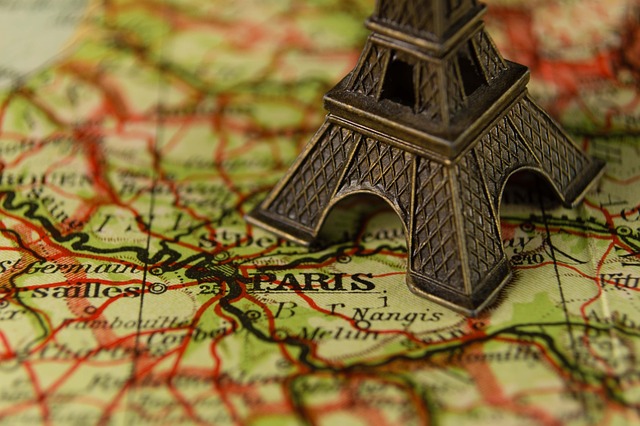
Paris, France
Paris: What Actually Matters Paris gets a lot of things right that other cities don’t. Good bread at every corner. Bistros where a proper lunch costs 15 euros. A metro that mostly works. Neighborhoods that feel like neighborhoods rather than theme parks. It also gets some things wrong, particularly around the major tourist sites, which can be soul-crushing in summer. Here is an honest...
read more
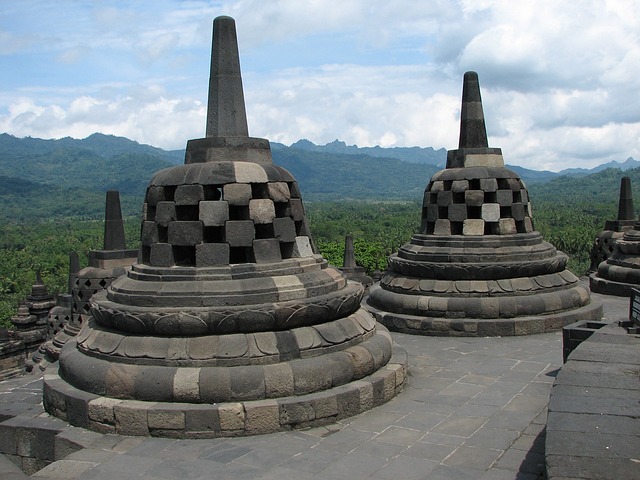
Borobudur Temple, Java
Ascending Enlightenment: A Guide to Exploring Borobudur Temple Borobudur is a UNESCO World Heritage Site that rises from the lush plains of Central Java like no other structure on earth. Built in the 9th century during the reign of the Sailendra dynasty, this colossal Buddhist monument is the largest of its kind in the world. It was constructed without mortar, using roughly two million carved...
read more
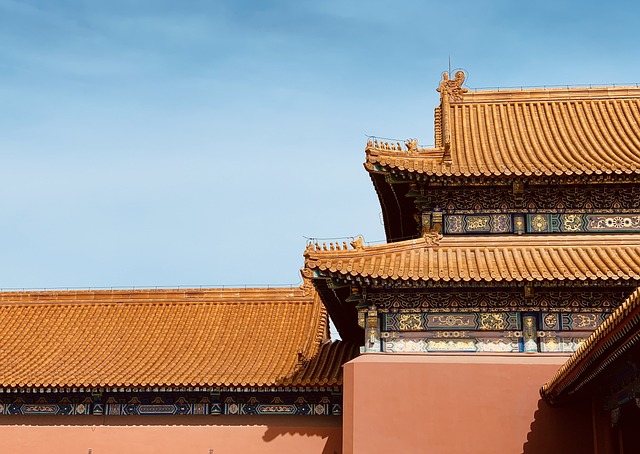
The Forbidden City China
The Forbidden City: Nine Hundred Rooms and Almost No One Explains Them The Forbidden City (Gugong, or Palace Museum) is the largest palace complex on earth: 980 buildings, around 8,700 rooms, across 72 hectares in central Beijing. It took 14 years and a million workers to build, was completed in 1420, and served 24 emperors across the Ming and Qing dynasties until Puyi abdicated in 1912. The last...
read more
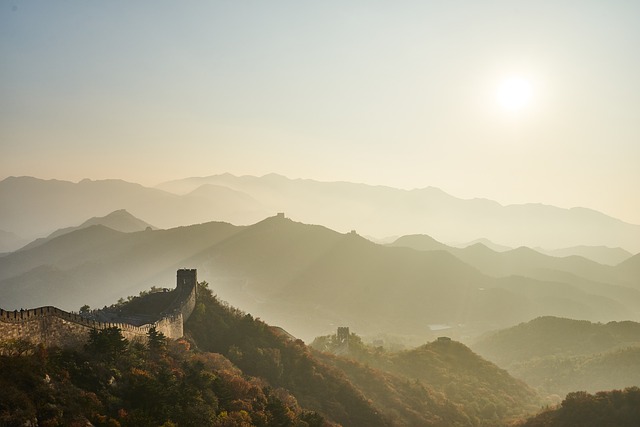
Great Wall, China
The Great Wall: Which Section to Visit and Why Badaling Is Not the Answer The Great Wall is not a single structure. It is a collection of walls, watchtowers, trenches, and fortifications built by various Chinese states and dynasties over approximately 2,300 years, from the 7th century BC onward. The most recognisable sections, with the crenelated battlements and stone-faced towers, were built...
read more
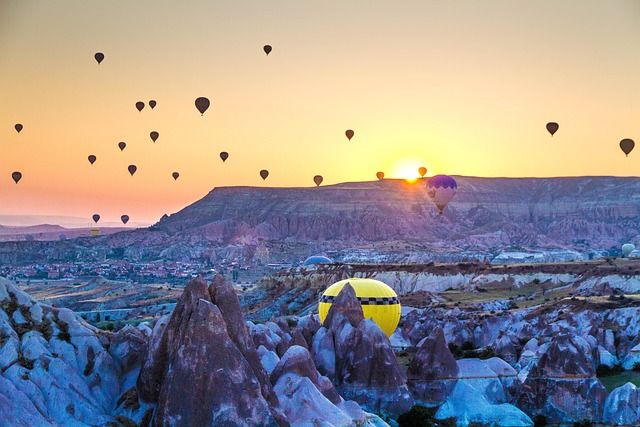
Cappadocia, Turkey
Cappadocia: Honest Notes on One of Turkey’s Most Photographed Places Cappadocia is a plateau in central Anatolia where millions of years of volcanic eruption, ash deposition, and erosion have produced a landscape of cones, pillars, and canyons unlike anything else on the easily accessible planet. It is genuinely extraordinary. It is also genuinely crowded from April through October and...
read more
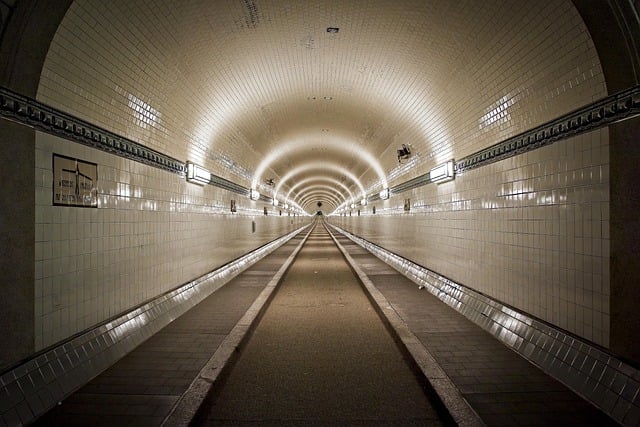
Cu Chi Tunnels
Cu Chi Tunnels: Sixty Kilometres of War Underground The Cu Chi tunnel network runs for 250 kilometres in total, with the tourist-accessible section in Cu Chi District sitting about 40 kilometres northwest of Ho Chi Minh City. The tunnels were dug progressively from the late 1940s through the American War period, expanding from simple escape routes during the French period into a full underground...
read more
Minaret and Archaeological Remains of Jam
The Minaret of Jam: A UNESCO Site That Almost No One Has Seen The Minaret of Jam stands at the confluence of the Hari Rud and Jam rivers in the Shahrak district of Ghor province, central Afghanistan. At 65 metres high, completed around 1194 AD under the Ghurid sultan Ghiyath al-Din Muhammad, it is the second-tallest minaret in the world from its era (after the Qutb Minar in Delhi, built shortly...
read more
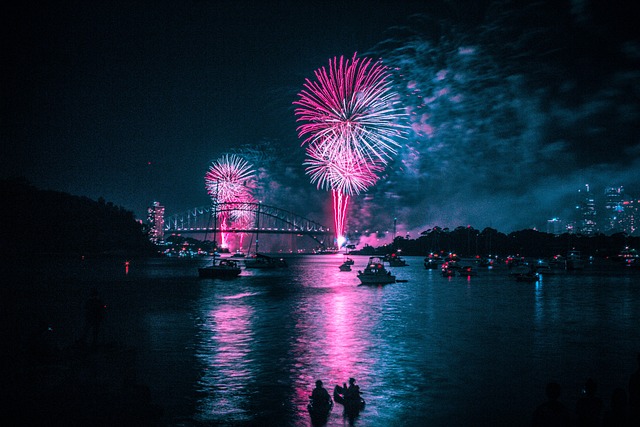
Sydney Harbor Bridge
Sydney Harbour Bridge: The Climb, The Walk, and What Not to Pay For Sydney Harbour Bridge is a single-arch steel bridge 503 metres long and 134 metres above mean sea level at its highest point. It opened in 1932 after nine years of construction that employed 1,400 workers and killed 16 of them. The “Coat Hanger” nickname is apt and affectionate. It is the largest steel arch bridge in...
read more
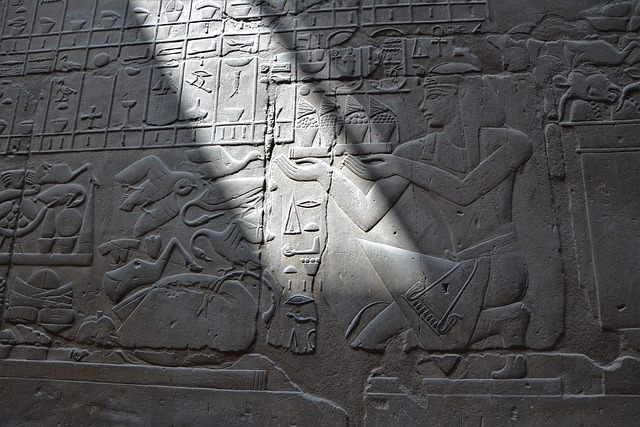
Karnak Egypt
Karnak: The Largest Temple Complex on Earth The Karnak temple complex near Luxor was never one temple. It was a city of temples, built, expanded, demolished, and rebuilt over approximately 2,000 years by around 30 different pharaohs. The result is one of the most disorientating archaeological sites on earth, and also one of the most spectacular.
Approaching from Luxor, you arrive via the Sphinx...
read more
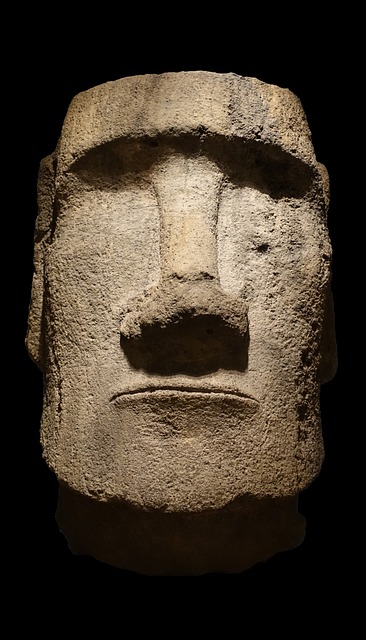
Moai
Easter Island: The Moai, the Logistics, and What People Get Wrong Easter Island (Rapa Nui) is a Chilean territory in the South Pacific, 3,700 kilometres west of the Chilean mainland and 2,000 kilometres from the nearest inhabited island (Pitcairn). It is one of the most isolated inhabited places on earth. The Rapa Nui people arrived from eastern Polynesia at some point between 300 and 1200 AD and...
read more
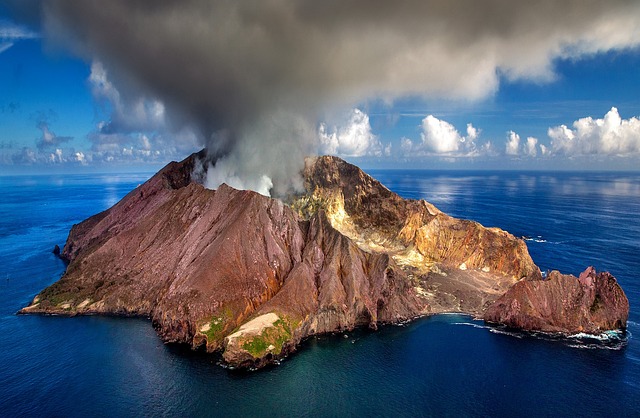
North Island New Zealand
North Island, New Zealand: The Volcanic Spine and the Cities Worth Your Time New Zealand’s North Island is approximately 44,000 square kilometres and holds around 78% of the country’s population. The South Island gets more attention in travel writing for its fiords and glaciers, but the North Island has most of the volcanic activity, most of the Maori cultural sites, a better wine...
read more
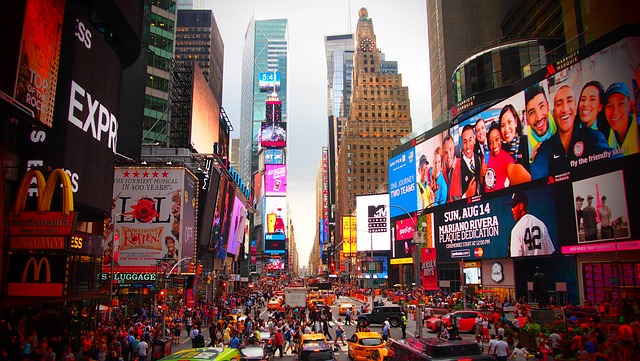
Times Square
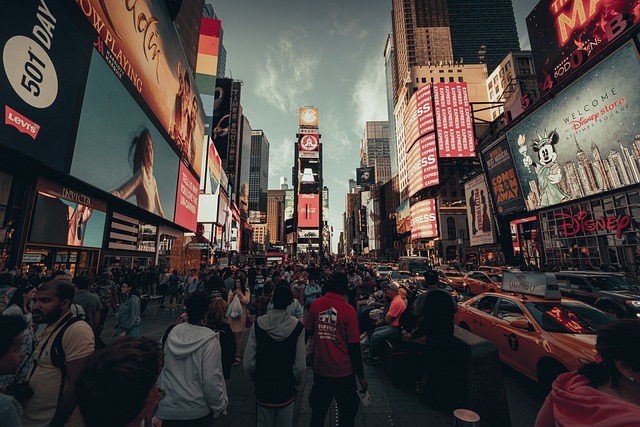
Times Square: Louder Than You Expect, Better Than You Fear Times Square is the intersection of Seventh Avenue and Broadway between 42nd and 47th Streets. That is not a large area. The billboards are seven stories tall and there are around 330,000 people passing through on a busy day. It is the most visited tourist destination in the United States by raw numbers, which partly explains why...
read more
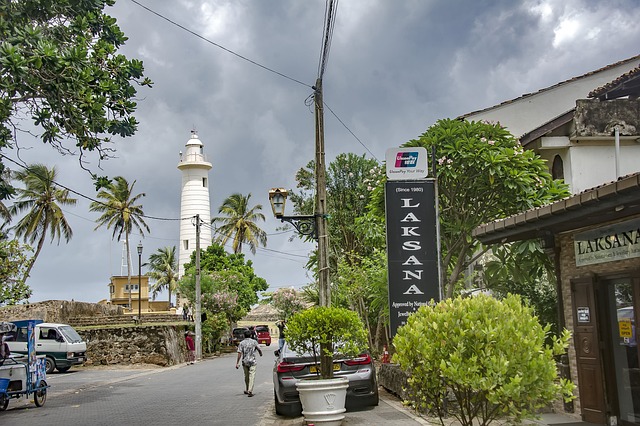
Galle Fort
Galle Fort: The Best-Preserved Colonial Port City in Asia Galle Fort in Sri Lanka’s southwest corner is a genuinely exceptional place, one of those sites that earns its UNESCO status without qualification. The fort was originally built by the Portuguese in 1588 and substantially expanded by the Dutch East India Company from 1649 onwards, who turned it into one of their most important trading...
read more
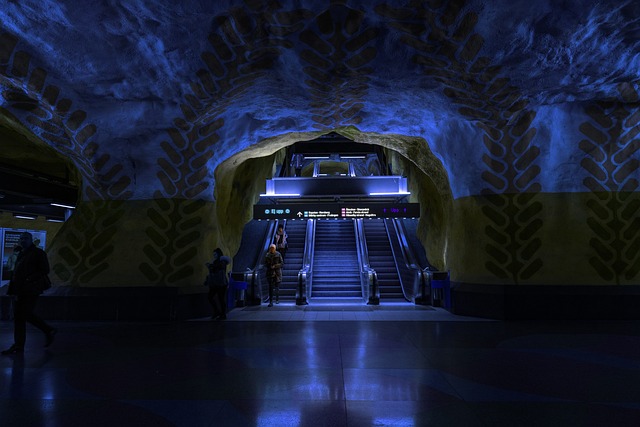
Stockholm City Hall
Stockholm City Hall: The Nobel Banquet Room, the Golden Hall, and What Visitors Can Actually See Stockholms Stadshus (Stockholm City Hall) is a brick building completed in 1923 on the island of Kungsholmen, beside the water where the Riddarfjarden bay meets Lake Malaren. The architect was Ragnar Ostberg and the building took 12 years to construct. It is considered one of the finest examples of...
read more
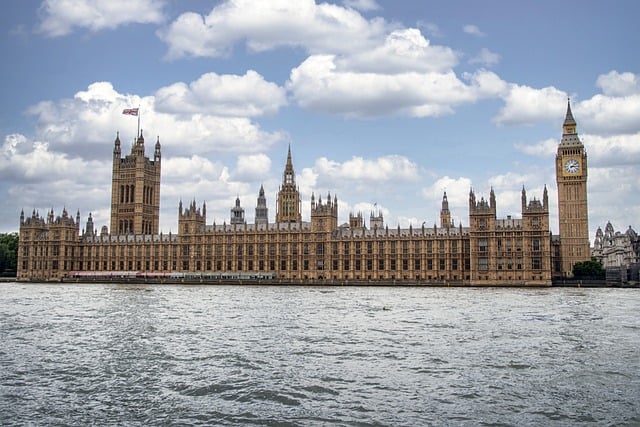
Parliament of London
The Houses of Parliament: What Visitors Can Actually Do The Palace of Westminster is not a museum, it is a working parliament. This distinction matters because it shapes what you can see and when. The building operates on parliamentary time: recess periods (roughly January, Easter, summer from late July, and November) reduce access. During sitting periods, you can watch debates from public...
read more
Kerala India
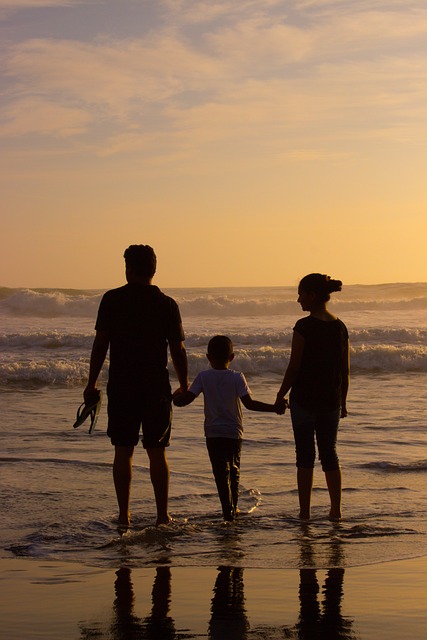
Kerala: What Backwater Tourism Gets Right and Gets Wrong Kerala is a narrow strip of land on India’s southwest coast, roughly 550 kilometres long and averaging 80 kilometres wide, bordered by the Western Ghats to the east and the Arabian Sea to the west. The state’s reputation internationally rests on three things: the backwater network around Alleppey, the tea hills of Munnar, and the...
read more
Chernobyl Exclusion Zone
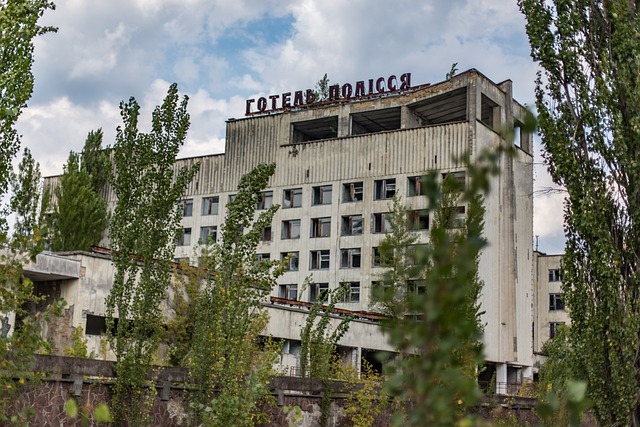
The Chernobyl Exclusion Zone: What to Know Before You Go Important note first: As of early 2022, Ukraine has been under Russian military invasion. The Chernobyl zone is in Ukrainian territory, and access has been suspended for most of the conflict period. Check current advice from your government and from reputable Ukrainian tour operators before making any plans. This account describes the zone...
read more
Sample Phenomenal Street Food, at a Hawker Center in Penang, Malaysia
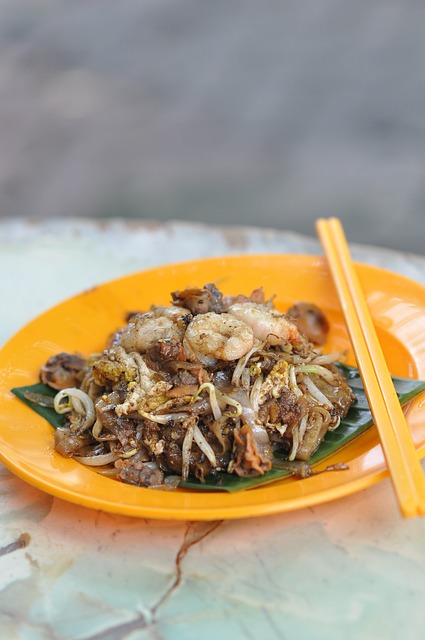
Penang Hawker Food: What to Order and Where to Stand Penang’s reputation for street food is not exaggerated. The island’s hawker centres and food courts collectively maintain a culinary tradition that draws food writers and chefs from around the world. Anthony Bourdain called it one of the best food cities on earth. The food itself is Hokkien Chinese in its foundations, but centuries...
read more
Chobe National Park, Botswana
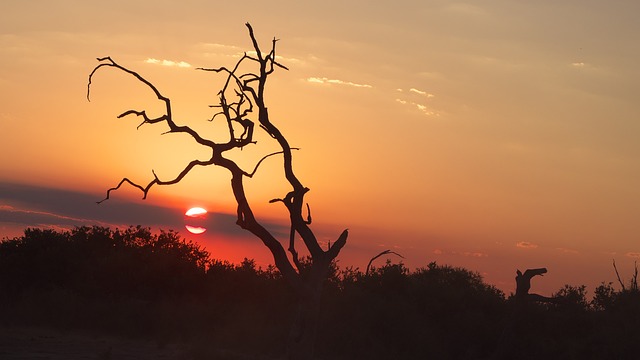
Chobe: Africa’s Elephant Capital, Honestly Assessed Chobe National Park in northern Botswana contains the largest concentration of elephants on earth. Estimates put the population at around 130,000 animals in the broader Chobe ecosystem, and along the Chobe Riverfront in dry season you can watch herds of several hundred arriving at the water simultaneously. This is not the sort of thing that...
read more
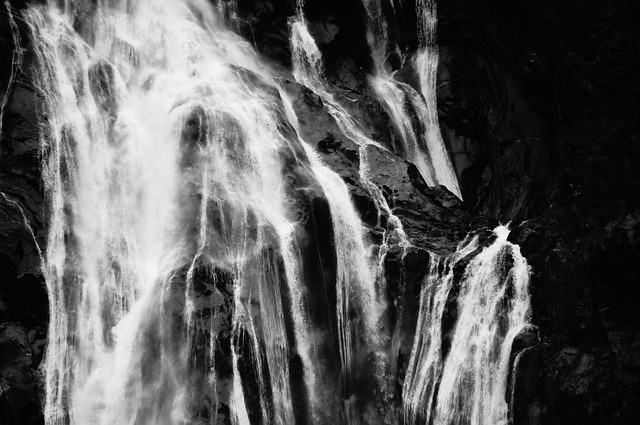
Milford Sound
Milford Sound: The Drive Is Half the Point Milford Sound is a fiord (not a sound – it was misidentified by an early European surveyor) on the southwest coast of New Zealand’s South Island, inside Fiordland National Park, 290 kilometres southwest of Queenstown. The fiord is 15 kilometres long, 2 kilometres wide at its widest point, and 290 metres deep. Mitre Peak, the most-photographed...
read more
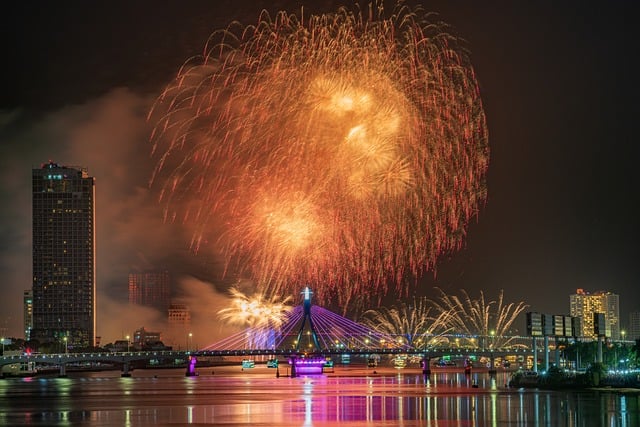
Danang to Hue Vietnam
Danang to Hue: The Drive That Outclasses Both Cities Most people treat Danang and Hue as separate stops on a Vietnam itinerary. The smarter move is to treat the journey between them as the main event. The Hai Van Pass road, which follows the coast from Danang north over a 496-metre mountain pass before dropping into the Lang Co Lagoon and continuing to Hue, is one of the better drives in Southeast...
read more
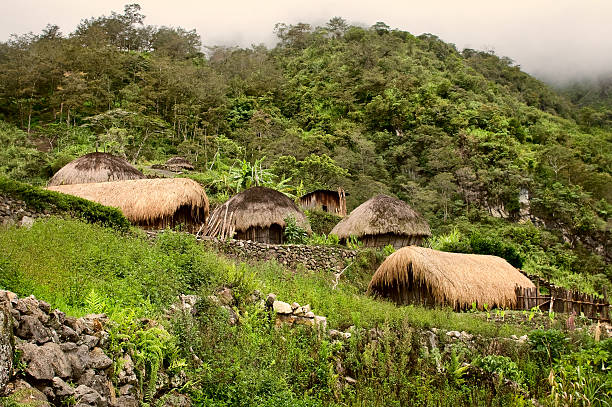
Papua New Guinea
Papua New Guinea: The Logistics Are Hard and That Is Partly the Point Papua New Guinea occupies the eastern half of the world’s second-largest island plus a scattering of islands in the Bismarck and Solomon Seas. It has around 9 million people, over 800 languages (more than anywhere else on earth by some counts), extremely limited road infrastructure outside of the Highlands Highway, and a...
read more
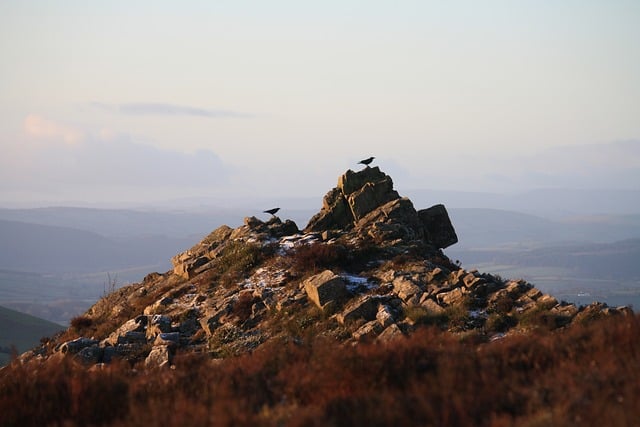
Iron Bridge, Shropshire
Ironbridge: Where the Industrial Revolution Actually Started The Iron Bridge over the Severn Gorge in Shropshire was completed in 1779 and is generally considered the world’s first bridge made entirely of cast iron. It was engineered by Abraham Darby III and spans 30 metres across a gorge that had been at the centre of English metalworking since the early 18th century. His grandfather,...
read more
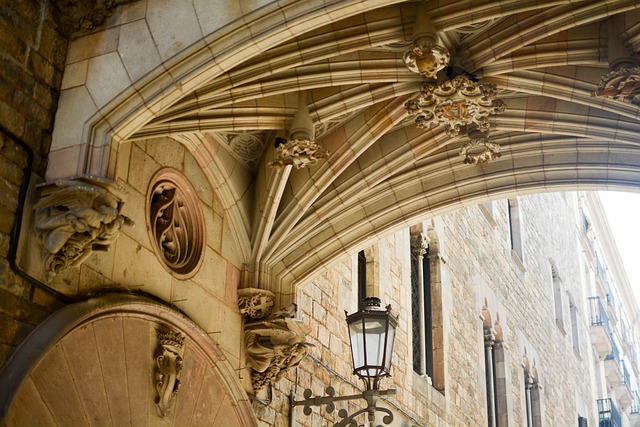
Museu Picasso Barcelona
The Museu Picasso: More Than Just the Blue Period Tucked into five adjoining medieval palaces on Carrer de Montcada in the El Born neighbourhood, the Museu Picasso holds over 4,000 works and tells a story that most Picasso coverage skips: the years before he became Picasso. That is what makes this museum genuinely worth your time, rather than just a tick-box on the Barcelona tourist circuit.
The...
read more
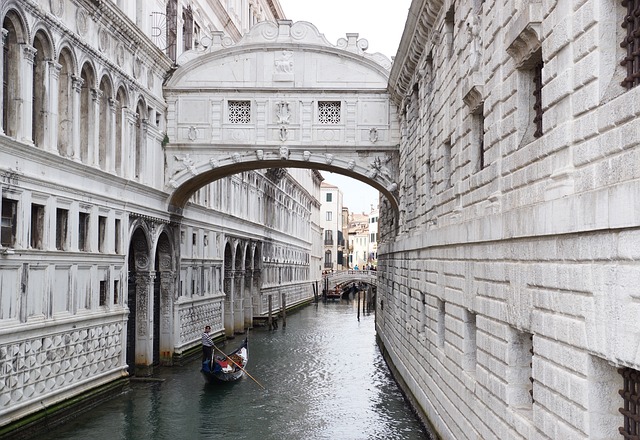
Bridge of Sighs
The Bridge of Sighs: What It Actually Is and Why It Still Matters The Bridge of Sighs is a roofed limestone bridge in Venice connecting the Doge’s Palace to the New Prison across the narrow Rio di Palazzo canal. It was completed around 1600 and designed in a Baroque style by Antonio Contino. The name comes from the sighs, real or imagined, of prisoners crossing it for the last time before...
read more
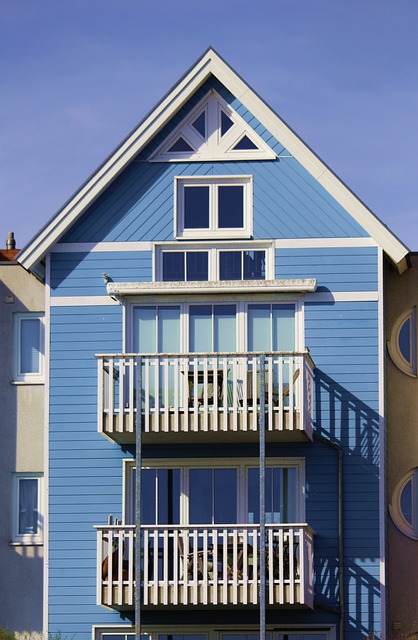
Juliets Balcony
Juliet’s Balcony in Verona: The Fiction, the Queue, and Why Verona Is Worth It Anyway The balcony at Casa di Giulietta on Via Cappello 23 in Verona is not the balcony from Romeo and Juliet. It was added to a medieval house in the 1930s to satisfy tourist expectations of a site that was already attracting visitors to a story that Shakespeare set in Verona but did not base on an actual balcony...
read more
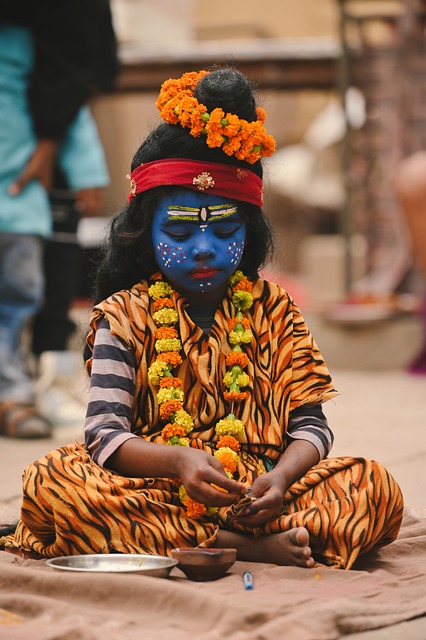
Varanasi
Varanasi: The Living City on the Ganges Varanasi is one of the oldest continuously inhabited cities in the world, with evidence of settlement dating back to around 1200 BCE. It sits on the western bank of the Ganges in Uttar Pradesh, about 800 kilometres southeast of Delhi. Hindus consider it the holiest city in India; dying in Varanasi is believed to ensure moksha, liberation from the cycle of...
read more
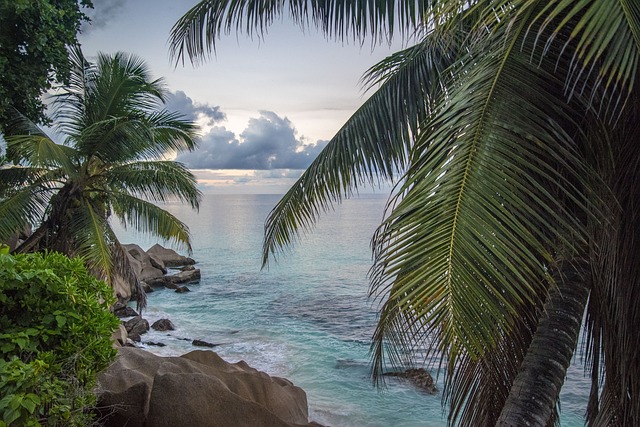
Seychelles
Seychelles: What You Are Actually Paying For Seychelles is an archipelago of 115 islands in the western Indian Ocean, 1,500 kilometres east of Nairobi. The islands divide into two types: granite islands (the inner group around Mahe, Praslin, and La Digue) and coral atolls (the outer islands, mostly uninhabited). The granite islands are unusual in the Indian Ocean; most islands in the region are...
read more
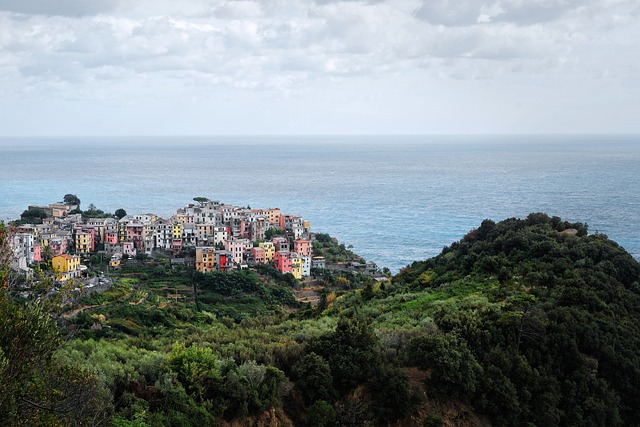
Cinque Terre
Cinque Terre: The Crowds Are Real and the Villages Are Still Worth It Cinque Terre is five villages on a 12-kilometre stretch of the Ligurian coast between La Spezia and Levanto. Riomaggiore, Manarola, Corniglia, Vernazza, and Monterosso al Mare are connected by coastal trail, regional train (3-4 minutes between most stops), and ferry in summer. The villages share similar DNA – coloured...
read more
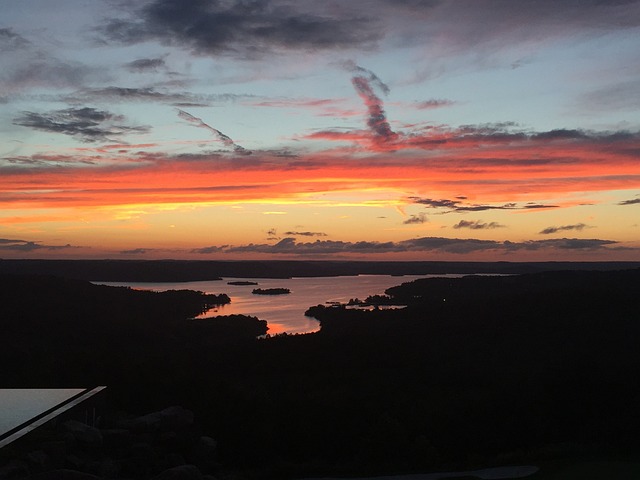
Branson Missouri
Branson, Missouri: Live Music, Outdoor Adventure, and Family Fun in the Ozarks Branson, Missouri has built a reputation as the live entertainment capital of the Midwest, drawing millions of visitors each year to its theaters, theme parks, and natural surroundings. Sitting in the heart of the Ozark Mountains alongside Table Rock Lake, it offers a mix of country music shows, outdoor recreation, and...
read more
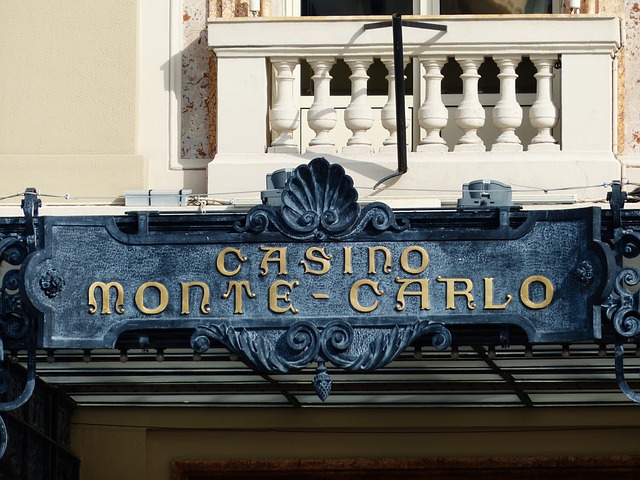
Casino Monte Carlo
Casino de Monte-Carlo: What You Should Actually Know Before You Go Monaco is about 2 square kilometres and exists primarily to avoid tax. The Casino de Monte-Carlo has been at the centre of that arrangement since 1863, when Princess Caroline decided a gambling house would save the principality from bankruptcy. She was right. Monaco Monegasque citizens are not allowed to gamble there. Everyone else...
read more
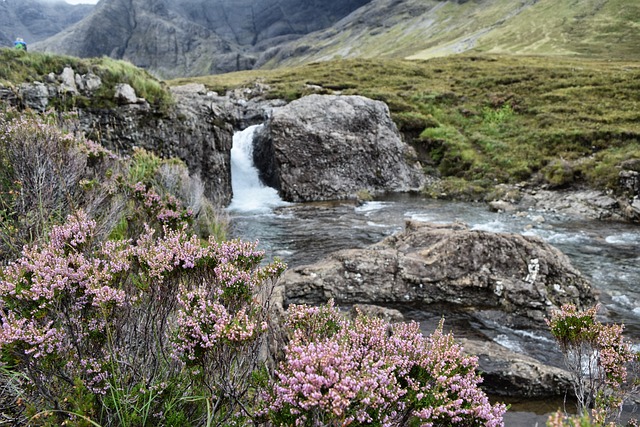
Isle of Wight
Isle of Wight: Small Island, Surprisingly Good The Isle of Wight is 23 miles wide and 13 miles north-to-south, separated from the Hampshire coast by the Solent. It takes about 40 minutes by car ferry from Southampton or 10 minutes on the high-speed foot-passenger catamaran from Southampton or Ryde. It is not technically far from London (2 hours by train to Southampton), but it feels like a...
read more
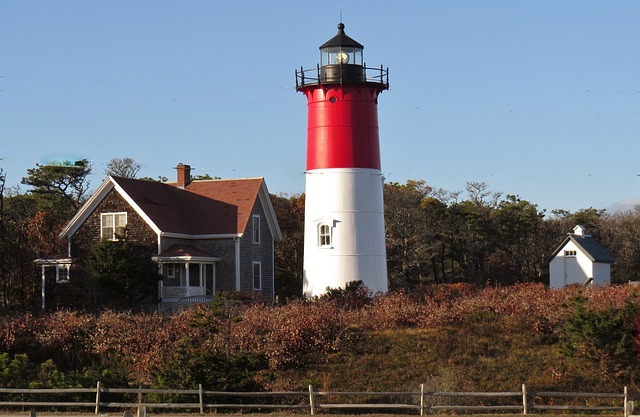
Cape Cod
Cape Cod: Provincetown, the Rail Trail, and the Off-Season Truth Cape Cod is a 65-mile peninsula in Massachusetts extending into the Atlantic south of Boston. The hook-shaped landmass is divided into different characters as you drive east from the Bourne and Sagamore bridges: the Upper Cape near the bridges is more suburban and year-round; the Mid Cape around Hyannis is the commercial centre; the...
read more
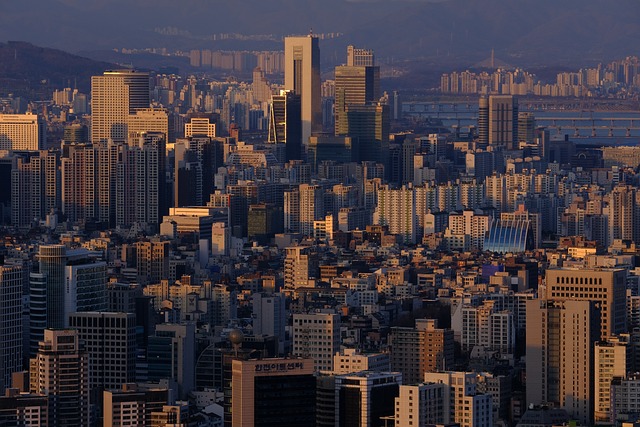
See What Seouls Ritzy Gangnam Neighborhood Is Really All About
Gangnam: The Seoul Neighbourhood That Lives Up to Its Reputation and Also Doesn’t Gangnam is south of the Han River, politically in Gangnam-gu district, and it is wealthy in the specific way that Korean wealth tends to manifest: plastic surgery clinics, luxury brand flagships, private tutoring centres (hagwons), and coffee shops that cost as much as a meal in most other Seoul neighbourhoods....
read more
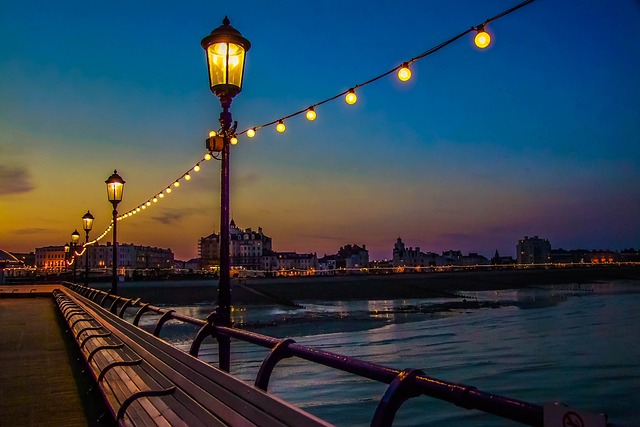
Brighton Pier
Brighton Pier: What England’s Most Visited Seaside Structure Actually Is Brighton Palace Pier is 524 metres long and was completed in 1899, replacing an earlier structure that was destroyed in a storm. There is also a West Pier, opened in 1866, which burned in 2003 and now stands as a rusted iron skeleton about 400 metres offshore. The contrast between the two piers – one still...
read more
Registan Square
Registan: The Most Impressive Square You Haven’t Thought About The Registan in Samarkand, Uzbekistan, is a square framed on three sides by monumental Timurid-era madrasahs, each covered in intricate tilework, mosaic calligraphy, and geometric patterns in blues, golds, and turquoises that have barely faded in six centuries. It is, by any serious account, one of the finest pieces of Islamic...
read more
Burning Man Festival Nevada
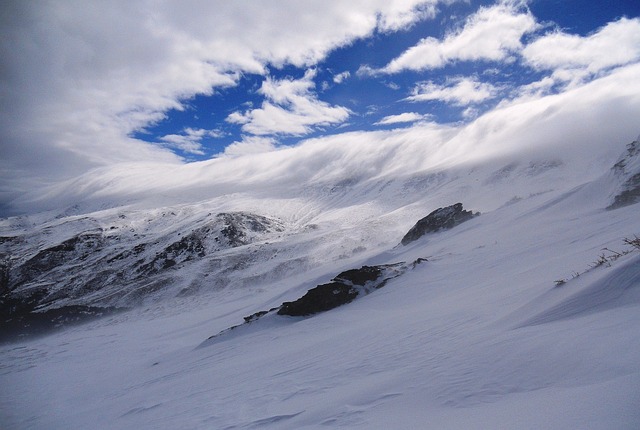
Burning Man: What Nobody Tells You Before You Go Burning Man happens annually on the Black Rock Desert playa in Nevada, roughly 3 hours north of Reno. In 2023, around 73,000 people attended. The event runs from the last Monday of August through the first Monday of September, spanning 9 days. It is famous for the burning of a large wooden effigy on Saturday night, for large-scale art installations,...
read more
Pike Place Market Seattle Wa
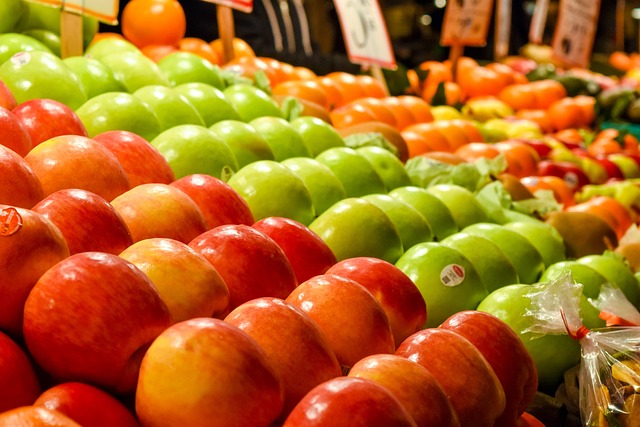
Pike Place Market: What It Is and What It Is Not Pike Place Market opened in 1907 on a bluff above Elliott Bay in downtown Seattle. It is a public farmers market, not a shopping mall. The distinction matters because tourists often arrive expecting one and get the other, which produces the confused expressions you see on people who just queued 20 minutes for a coffee at a chain that did not exist...
read more
Malecon De Riohacha
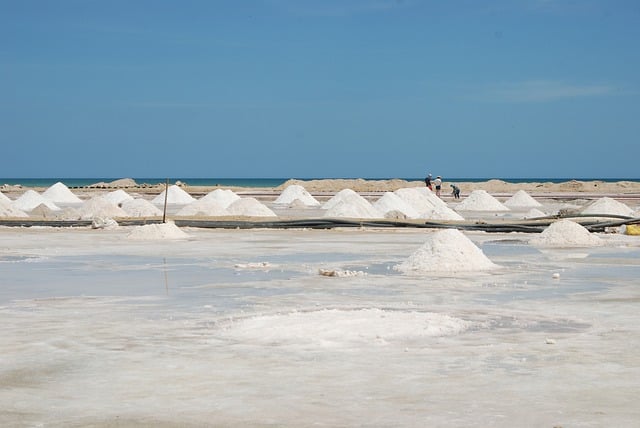
Riohacha’s Malecon: A Real Gateway Into the Guajira Most people arrive in Riohacha by bus from Santa Marta, stumble off at the terminal, and immediately ask about minibuses to Cabo de la Vela. Fair enough. Cabo is extraordinary. But spending a day or two on the Malecon de Riohacha before heading north into the desert makes the trip considerably richer.
The Malecon runs roughly two kilometres...
read more
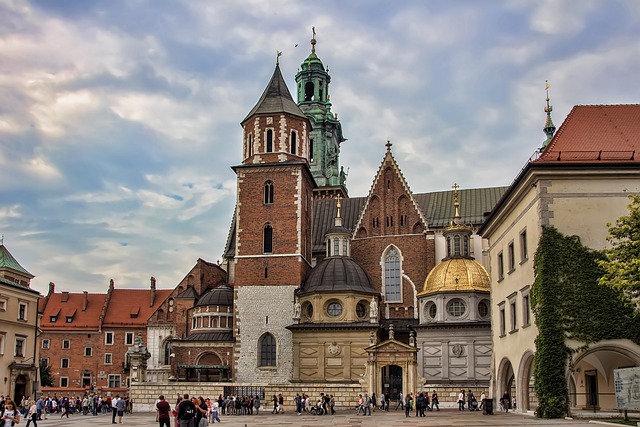
Rynek Glowny Krakow
Rynek Glowny, Krakow: The Square That Kept Its Medieval Shape Krakow’s Main Market Square (Rynek Glowny) is the largest medieval square in Europe at 200 by 200 metres. It has been the commercial and civic centre of the city since the 13th century. Most of what you see around it – the Cloth Hall, the tower of the demolished Town Hall, St. Mary’s Basilica on the corner –...
read more
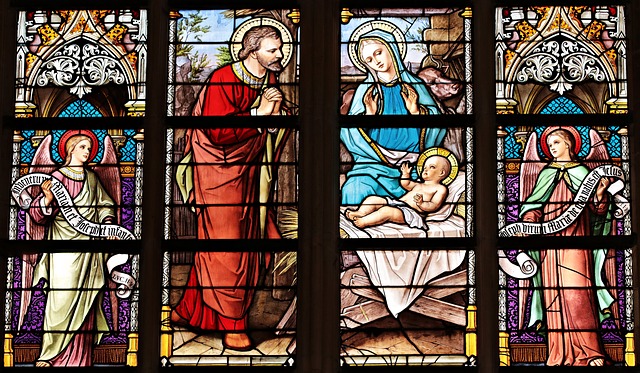
Church Of The Holy Sepulcher
The Church of the Holy Sepulchre: Sacred, Chaotic, Unmissable The Church of the Holy Sepulchre is the site Christians identify as Golgotha, the place of the crucifixion, and the tomb from which the resurrection occurred. It sits in the Christian Quarter of Jerusalem’s Old City, a short walk from the Damascus Gate and somewhat longer from the Jaffa Gate. You will find it eventually; the lanes...
read more
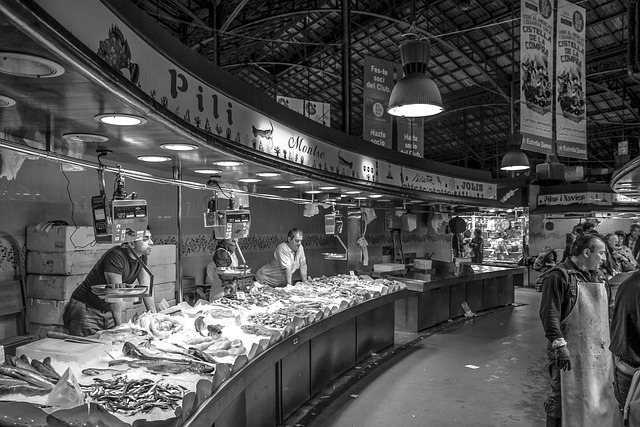
Tsukiji Fish Market, Japan
Tsukiji: The Inner Market Moved, the Outer Market Stayed, and That’s Fine The famous Tsukiji tuna auction moved to the new Toyosu Market in October 2018. Many articles about Tsukiji still describe it as if the auction is there. It is not. The wholesale seafood business now operates from Toyosu, 2.5 km to the south, where foreign visitor access to the famous auction requires a lottery ballot...
read more
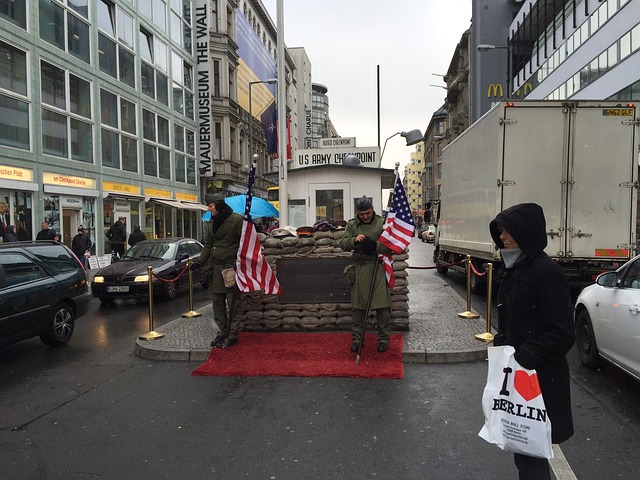
Checkpoint Charlie Berlin
Checkpoint Charlie: What the Tourists Miss and What Actually Matters Checkpoint Charlie was the Allied crossing point between West Berlin and East Berlin from 1961 until the Wall fell in 1989. It stood at the corner of Friedrichstrasse and Zimmerstrasse in the American sector, one of the few places where foreign nationals could cross between the two halves of a divided city. The checkpoint saw...
read more
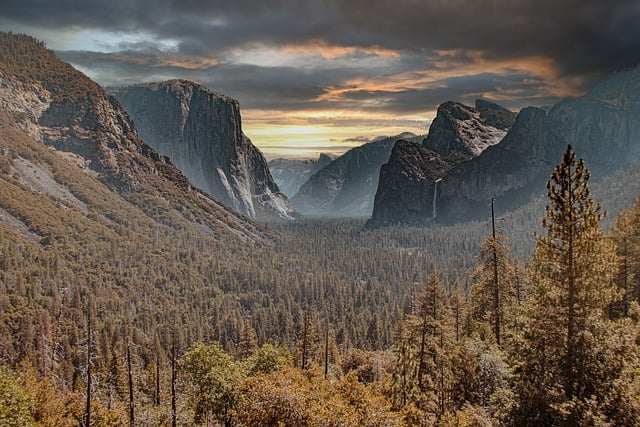
Whitsunday Islands National Park (QLD)
Whitsunday Islands: Whitehaven Beach, Sailing, and the Great Barrier Reef The Whitsunday Islands are a group of 74 islands midway along the Queensland coast, approximately 1,200 kilometres north of Brisbane. They sit within the Great Barrier Reef Marine Park and are reached by ferry or light aircraft from Airlie Beach on the mainland or from Hamilton Island Airport, which has direct connections to...
read more
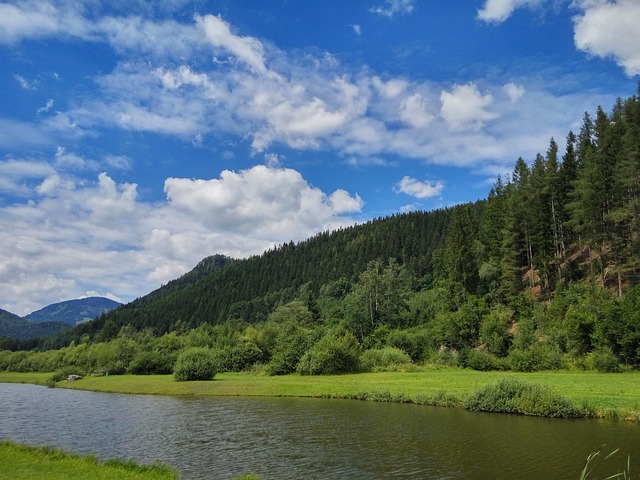
Semmering Pass
Semmering Pass: Austria’s Forgotten Weekend An hour south of Vienna by train, the Semmering Pass sits at 985 metres and feels like a different century. Most Viennese have childhood memories of coming here. Fewer foreign tourists bother, which is their loss.
The pass is best understood through three overlapping stories: the railway, the Belle Epoque resort culture, and the hiking that...
read more