Recent Tr4vel
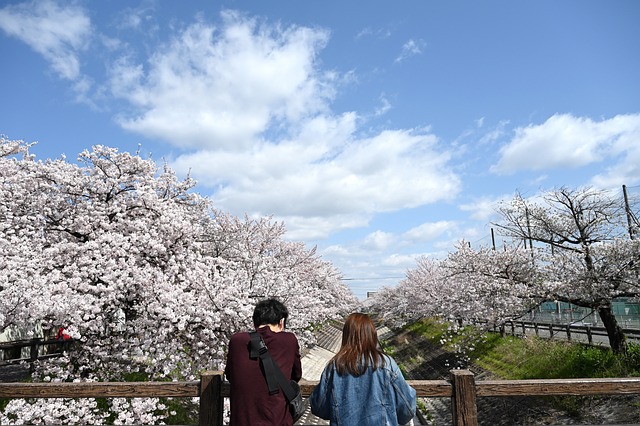
Lovers Bridge
Pembrokeshire’s Quietest Bridge and Why It Deserves 90 Minutes Nobody is certain how long the Old Bridge over the Eastern Cleddau at Llangwm has been called Lovers’ Bridge. The official name is flatly descriptive; the local name tells you something about the place’s function in the community’s imagination, which is the more useful information. The bridge is stone, medieval...
read more
Wieliczka Salt Mine
Wieliczka Salt Mine: Nine Levels of Salt Carved History The Wieliczka Salt Mine is 14 kilometres south-east of Kraków, has been continuously mined since the 13th century, extends to nine levels reaching 327 metres underground, and contains 300 kilometres of passages. The tourist route covers about 3 kilometres of those passages, descending to the third level at 135 metres depth. The journey takes...
read more
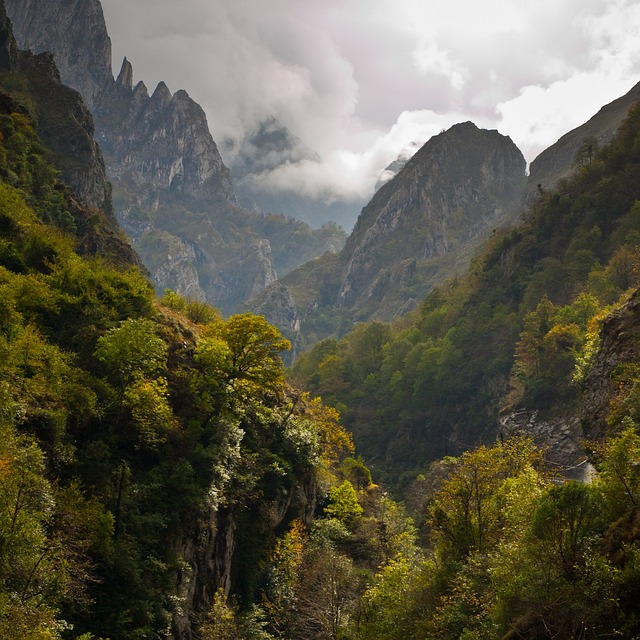
Picos De Europa
Picos de Europa: The Mountain Range That International Tourism Forgot The Picos de Europa sit 20 kilometres from the northern coast of Spain: a compact limestone massif straddling Asturias, Cantabria, and Castilla y Leon that rises to 2,648 metres at the Torre de Cerredo. That’s lower than the central Pyrenees and dramatically lower than the Alps, but elevation doesn’t tell the story...
read more

Groom Lake, Nevada
Area 51 and the Extraterrestrial Highway: What’s Actually Out There The U-2 reconnaissance aircraft, the SR-71 Blackbird, and the F-117 stealth fighter were all developed and tested at the US Air Force installation on the shore of Groom Lake, a dry lakebed in the Nevada desert 150 kilometres northwest of Las Vegas. None of that is disputed or classified anymore. The UFO mythology that grew...
read more
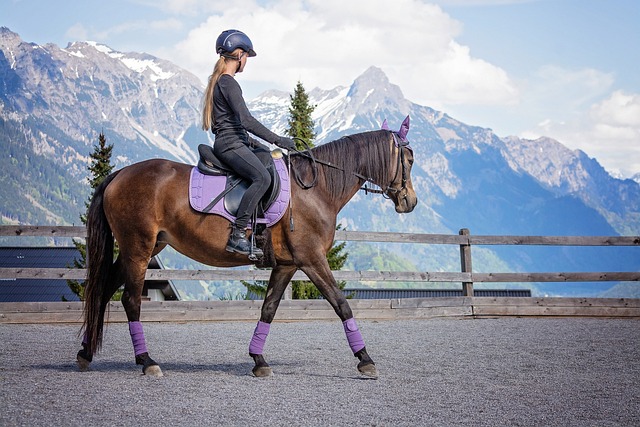
Spanish Riding School
A Lipizzaner Takes Six to Eight Years to Train and the Rider Alongside It Takes the Same Amount of Time The Spanish Riding School in Vienna is the oldest continuously operating classical riding school in the world. It has occupied the same baroque riding hall inside the Hofburg Imperial Palace since 1729, when the Winter Riding School was completed for Emperor Charles VI. The hall’s white...
read more
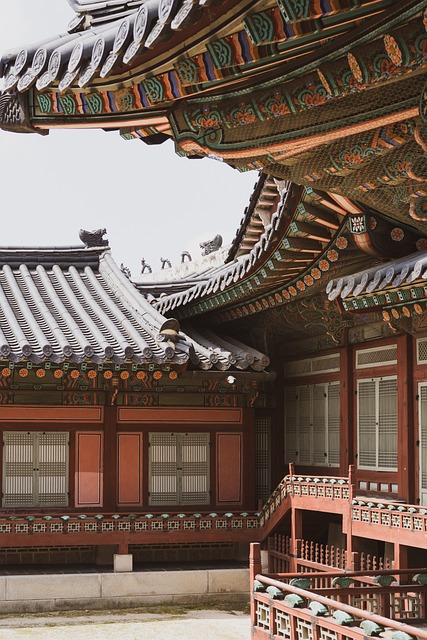
Everland Gyeonggi Do South Korea
Everland: South Korea’s Biggest Theme Park, and How to Actually Enjoy It Skip the gate price. Everland’s standard admission costs KRW 59,000 at the entrance, but third-party platforms like Klook sell the same ticket for around KRW 39,000. That gap is significant enough to justify five minutes with your phone before you leave Seoul. The park in Yongin, Gyeonggi Province, is about an...
read more
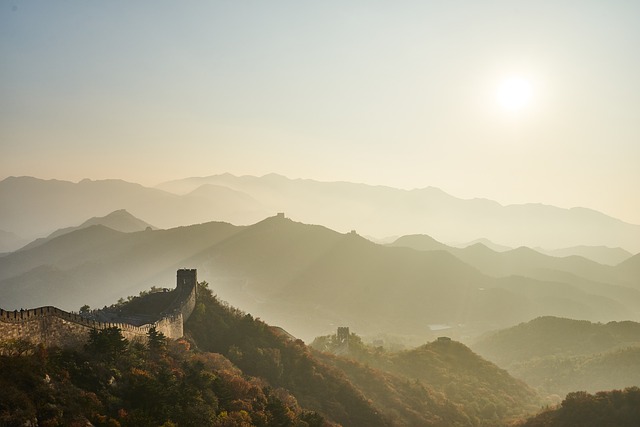
Great Wall, China
The Great Wall Is Not One Wall and Badaling Is Not the Best Way to Understand That The Great Wall of China is a collection of walls, watchtowers, trenches, and fortifications built across approximately 2,300 years by various Chinese states and dynasties. The total length of all segments across all dynasties is approximately 21,000 kilometres. The iconic sections that most visitors see –...
read more
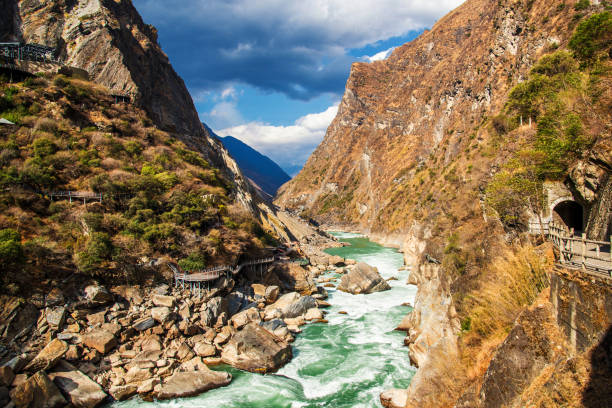
Tiger Leaping Gorge China
Tiger Leaping Gorge: One of the Deepest Gorges on Earth and Worth Every Switchback Tiger Leaping Gorge has a vertical relief of approximately 3,900 metres from the Yangtze River to the summit of Jade Dragon Snow Mountain. The river drops through a gap between two peaks – Jade Dragon Snow Mountain and Haba Snow Mountain – and the high trail above it runs two days through terrain where...
read more
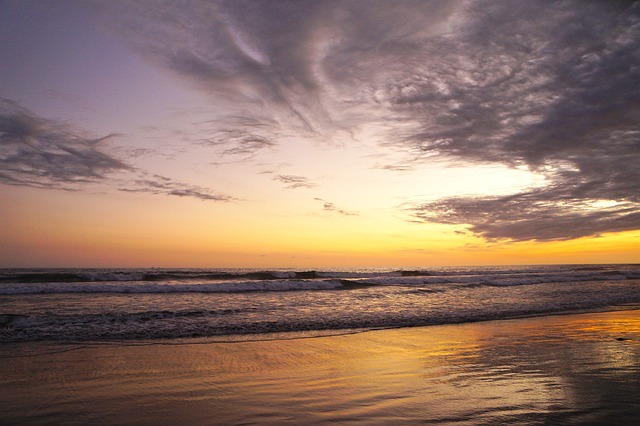
Ruta De Las Flores El Salvador
El Salvador’s Most Overlooked 36 Kilometres El Salvador remains one of Central America’s least-visited countries by international tourists, which means the Ruta de las Flores is still mostly a Salvadoran weekend destination rather than a foreign-tourist circuit. On a Saturday morning in Juayua, you are sharing the central park food festival primarily with families from San Salvador,...
read more
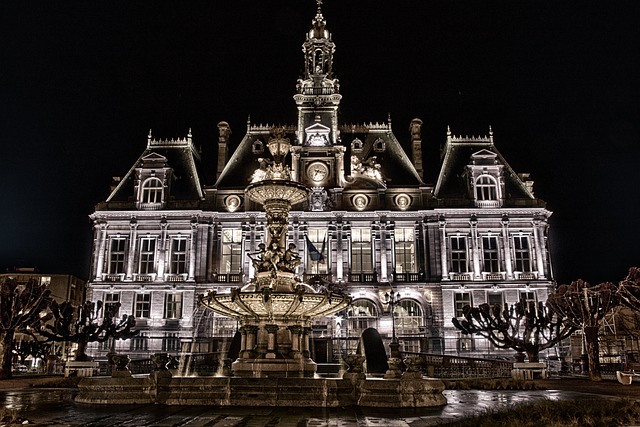
Town Hall Square Pamplona
Pamplona’s Plaza Consistorial: Where the Encierro Begins The Plaza Consistorial is Pamplona’s town hall square, a compact baroque space anchored by the 18th-century Ayuntamiento (town hall) building with its ornate neoclassical facade. For eleven months of the year it is a normal city square with outdoor cafe tables, pigeons, and people crossing on their way somewhere else. During the...
read more
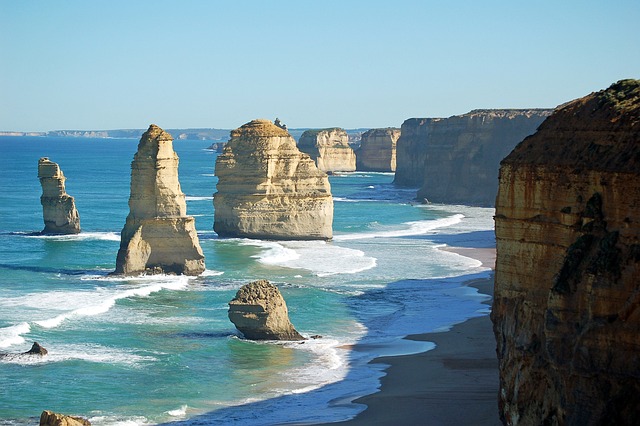
Apostles Great Ocean Road
The Twelve Apostles: Fewer Than the Name Promises, More Than You Expect There were never twelve of them. When sealers first worked this stretch of Victorian coastline, they called the limestone stacks the “Sow and Piglets.” The tourism industry renamed them the Twelve Apostles in 1922 to make the drive from Melbourne worth marketing, and the name was always generous. Today, after...
read more
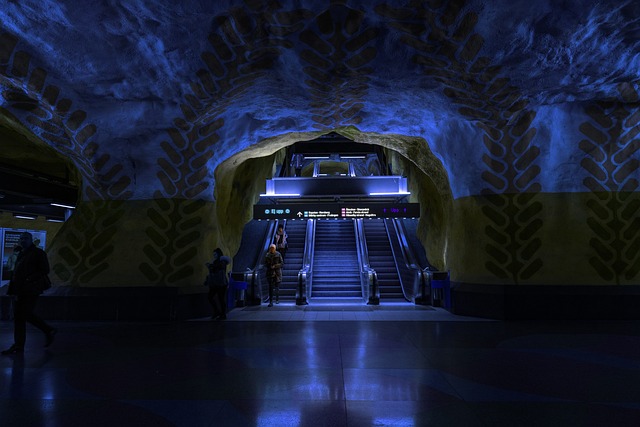
Stockholm City Hall
Stockholm City Hall: The Nobel Banquet Room, the Golden Hall, and What Visitors Can Actually See Stockholms Stadshus (Stockholm City Hall) is a brick building completed in 1923 on the island of Kungsholmen, beside the water where the Riddarfjarden bay meets Lake Malaren. The architect was Ragnar Ostberg and the building took 12 years to construct. It is considered one of the finest examples of...
read more
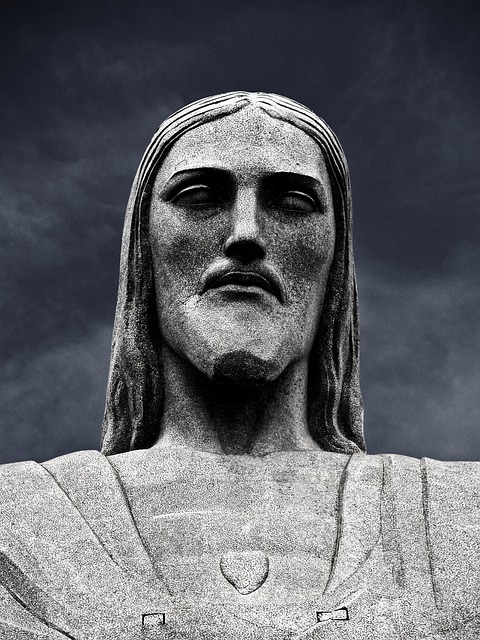
Christ the Redeemer Rio De Janerio Brazil
The Corcovado Train Has Been Running Since 1884 That specific fact tends to reframe the visit. The Trem do Corcovado – South America’s oldest electric railway, a cog railway that ascends 3.8 kilometres through the Atlantic Forest to the summit of Corcovado Mountain – began carrying passengers 140 years before most of us showed up with our phones. Cristo Redentor (Christ the...
read more
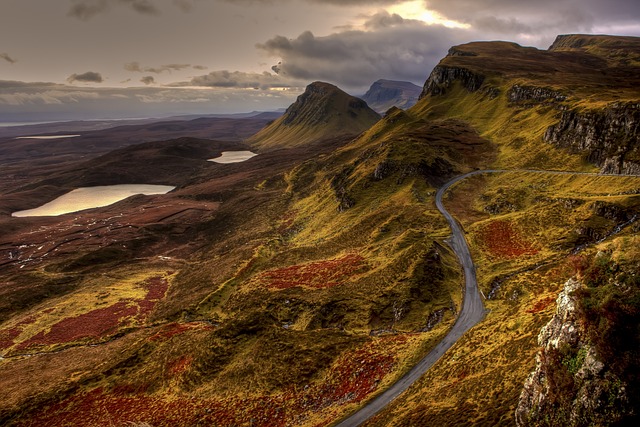
Bath England
Bath: A City That Has Been Selling Its Hot Spring for Two Thousand Years The spring that made Bath famous delivers about 1.17 million litres of hot mineral water per day at a constant temperature of 46 degrees Celsius. The Romans built their temple and bath complex here around 70 AD, dedicated the site to the goddess Sulis Minerva, and spent centuries dropping votive offerings, curse tablets, and...
read more
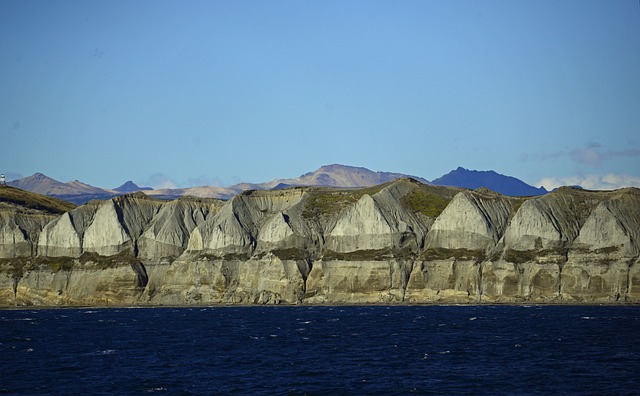
Tigray Churches
You Arrive at the Mountain’s Base, Look Up, and Realize the Church Is Up There Not halfway up. At the top, carved into a vertical cliff face, accessible by a ledge barely a metre wide crossing a 200-metre drop. Abuna Yemata Guh is the one Tigray church that requires genuine climbing, and the government recently removed the safety ropes that guides previously provided. You free-climb the...
read more
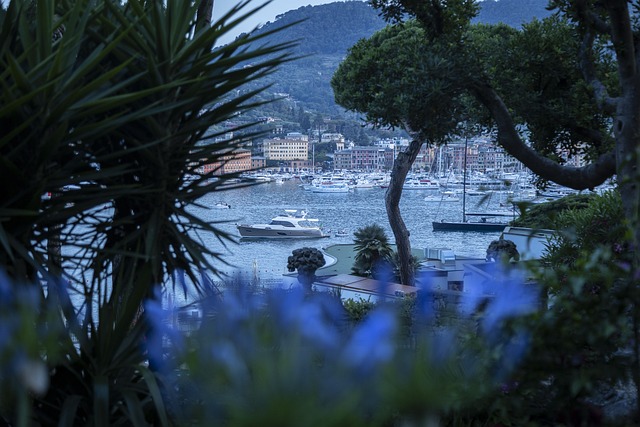
Portofino
comment : #(real_date: 2024-09-09T10:10:37+00:00) comment : # (real_timestamp: 1725876637)
The Village Centre Is Car-Free Because Portofino Has 424 Residents That number – 424 permanent residents in a fishing village that has attracted wealthy visitors since the Counts of Tigullio began hosting them in the 10th century – explains the particular quality of the place. Portofino is...
read more
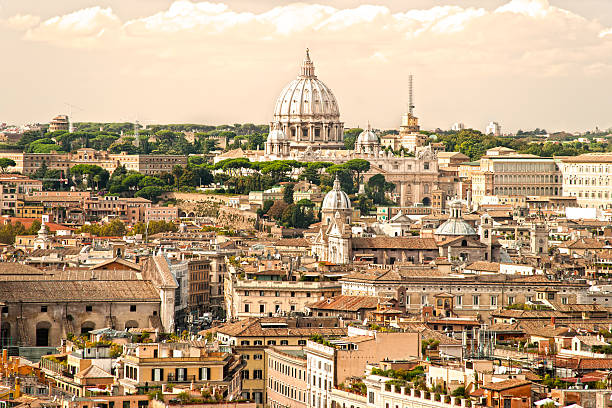
Sistine Chapel
The Sistine Chapel: Book Online, Arrive Early, Sit on the Benches The Sistine Chapel is the private chapel of the Pope and the room where the Conclave meets to elect a new pontiff. It is not accessible as a standalone visit. You reach it through the Vatican Museums, paying for the museums (EUR 17 online, EUR 21 at the door, though prices shift – check the official site) and the chapel is the...
read more
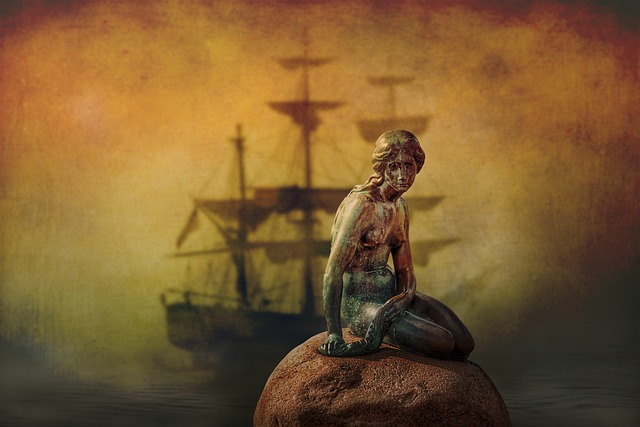
Little Mermaid
The Little Mermaid Statue Has Been Beheaded Twice, Had Her Arm Cut Off, and Been Pushed Into the Water Most visitors are surprised by how small the statue is. The Little Mermaid (Den Lille Havfrue) is 1.25 metres tall, sitting on a rock at the Langelinie promenade in Copenhagen harbour. Commissioned by Carl Jacobsen of the Carlsberg brewing family and unveiled in 1913, inspired by Hans Christian...
read more
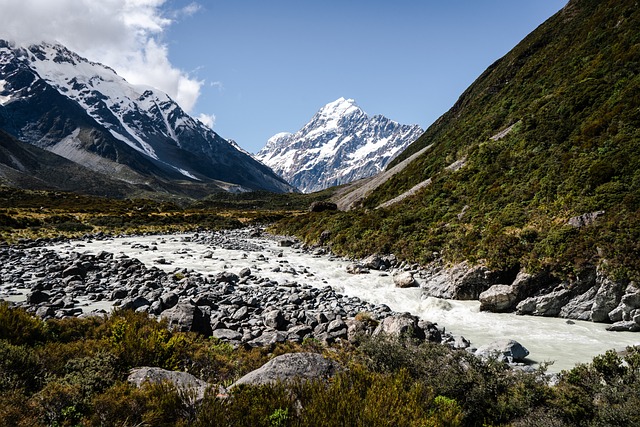
Mt. Etna
Etna Erupts Regularly and That Is Part of the Point Europe’s tallest active volcano erupts roughly every few years with varying intensity, and the access zones at the summit change accordingly. Summit craters can close for weeks due to eruptions or dangerous gas emissions. Before planning anything above 2,000 metres, check the INGV (National Institute of Geophysics and Volcanology) website...
read more
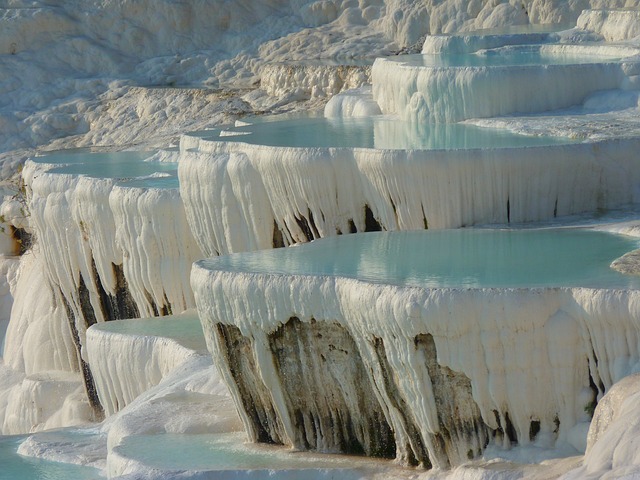
Pamukkale
Pamukkale: Thermal Terraces, Roman Ruins, and the Reason the Slope Turned White The Turkish name “Pamukkale” means “cotton castle,” which sounds like a translation of a marketing tagline but is in fact the only description that makes immediate sense from a distance. The hillside in southwestern Turkey looks like a snowfield or a cascade of frozen white water –...
read more
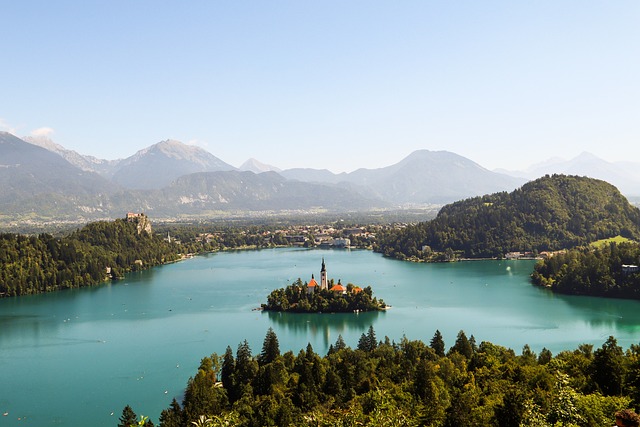
Assumption of Mary Pilgrimage Church Lake Bled
Bled Island: The Church That Earns Its Postcard Status The photograph of the Assumption of Mary Pilgrimage Church on its island in Lake Bled with the Julian Alps behind it is one of the most reproduced images in European travel photography. The reality, surprisingly, does not disappoint. The church sits on the only natural lake island in Slovenia, in a glacial lake carved from Alpine limestone,...
read more
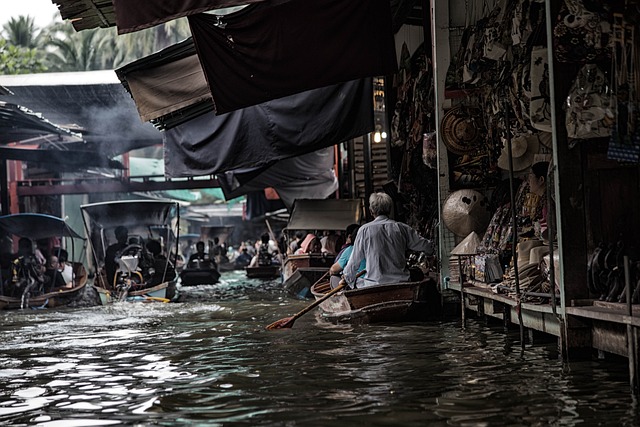
Chatuchak Weekend Market, Bangkok
Arrive at 9am. By 11am Chatuchak Is a Different Experience. By 11am the 35-acre market is hotter, slower, and significantly more crowded. By 1pm many vendors are packing up and the best food is sold. Chatuchak (JJ Market) has operated continuously since the 1940s, holds more than 15,000 stalls, and draws over 200,000 visitors on a busy weekend day. On a hot Saturday morning in July, it is...
read more
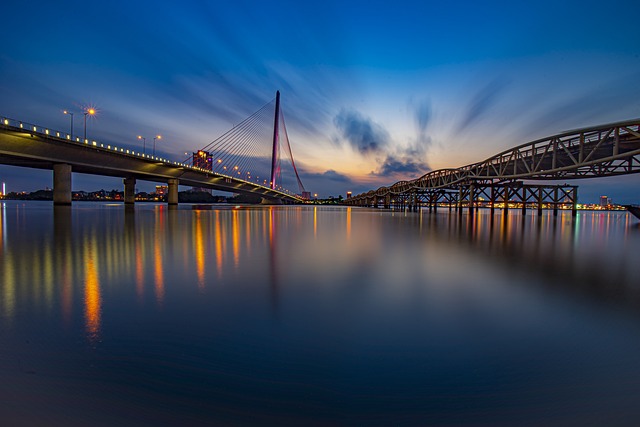
Hue Vietnam
Hue: Vietnam’s Imperial Capital Deserves More Than a Day Trip Hue sits on the Perfume River in central Vietnam, roughly equidistant between Hanoi and Ho Chi Minh City. Most travellers treat it as a one-day stop on a north-south journey. Two days is the minimum for doing it properly; three is better, particularly if you want to spend real time at more than one of the imperial tombs.
The city...
read more
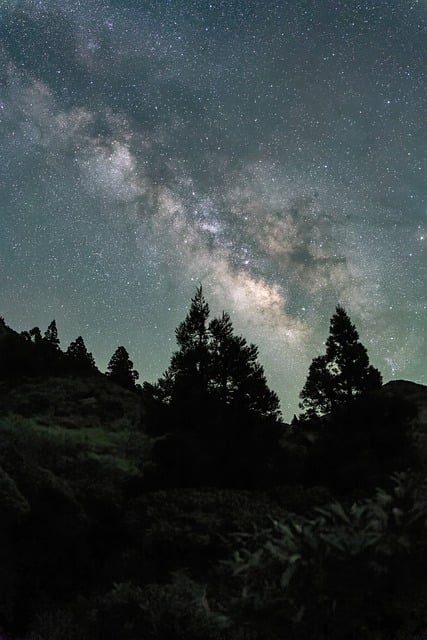
Yakushima
Yakushima: A Tree Estimated at Up to 7,200 Years Old and an Island That Rains 35 Days a Month The Jomon Sugi, the oldest cedar on Yakushima, is estimated to be between 2,170 and 7,200 years old – scientists disagree on the methodology and the range is genuinely that wide. Standing beside it requires a 21-kilometre return walk through ancient forest, and the tree itself is behind a viewing...
read more
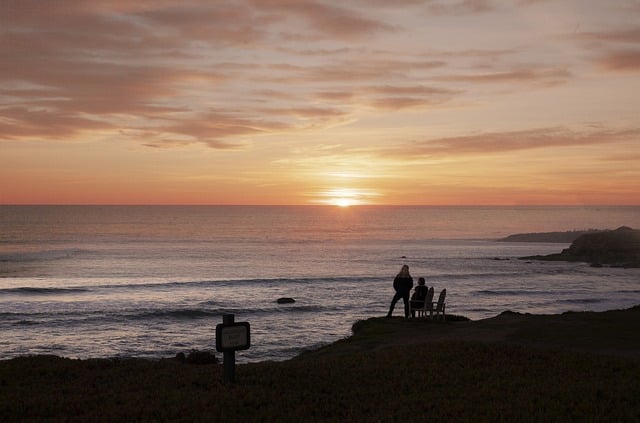
Big Sur California
Highway 1 Has Closed Without Warning More Times Than Most Visitors Know Checking the Caltrans website before driving Big Sur is not a suggestion – it is a precaution the region genuinely requires. Landslides and storm damage have closed stretches of Highway 1 for months at a time. The road that looks passable on a map may have a wall of concrete across it. This is one of the most dramatic...
read more
Abu Simbel, Egypt
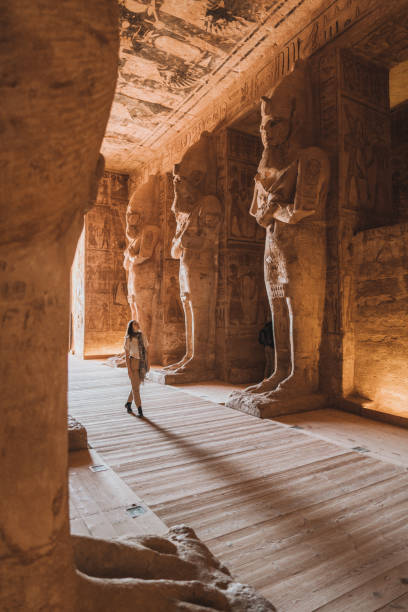
Abu Simbel Was Cut Into 1,038 Blocks and Moved Between 1964 and 1968, an international team of engineers and archaeologists dismantled both temples at Abu Simbel into 1,038 blocks, the largest weighing 30 tonnes, transported them 213 feet uphill, and reassembled them on an artificial plateau above the rising waters of Lake Nasser. The Aswan High Dam, completed in 1970, would have permanently...
read more
Statue of Liberty, USA
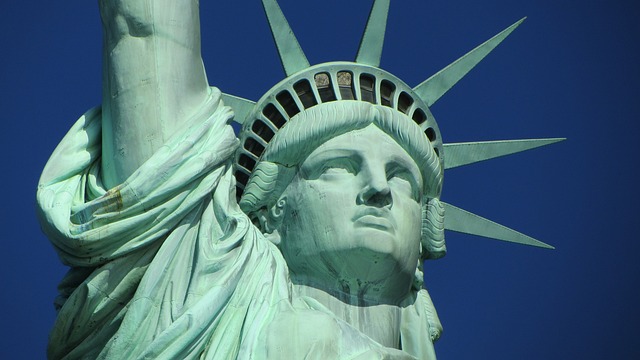
Statue of Liberty: What You Need to Book Months in Advance and Why The crown of the Statue of Liberty has 354 steps and a maximum daily visitor capacity that results in crown tickets selling out months ahead. Most visitors who fail to plan ahead end up on Liberty Island looking at the statue from outside, which is a perfectly valid experience but not what they thought they were booking. Book at...
read more
Bryggen
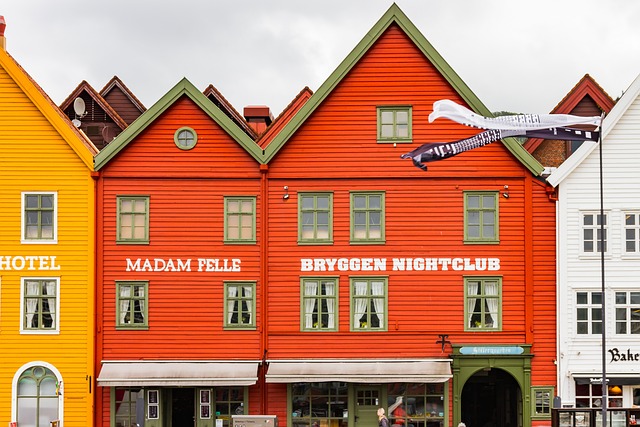
Bryggen: Bergen’s Medieval Wharf, Still in Use After 660 Years The German Hanseatic League established its Bergen trading post on the eastern side of Vågen harbour in 1360. For two centuries Bergen was the most important fish market in northern Europe: dried cod from Arctic Norway, shipped southward to feed a continent. The Hanseatic merchants lived and worked in narrow wooden buildings...
read more
Fairy Pools, Isle of Skye, Scotland
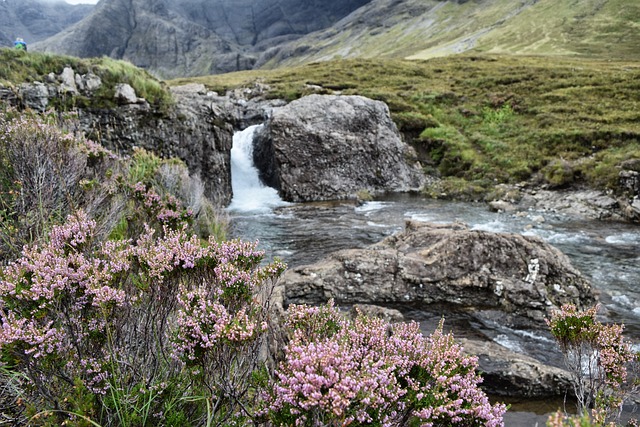
The Fairy Pools Car Park Fills Before 9am on Summer Saturdays. This Is Not a Hidden Gem. The Fairy Pools are real and genuinely beautiful: a series of clear rock pools below the Black Cuillin at Glenbrittle, fed by streams descending from the mountains, coloured a striking green-blue in good light, connected by small falls and underwater arches. Photographs of the place circulate widely on travel...
read more
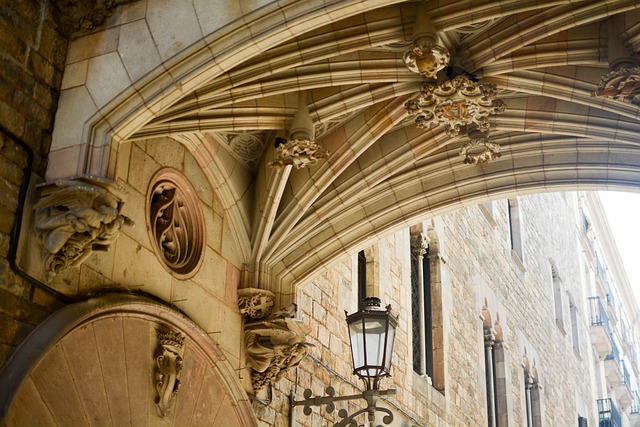
Museu Picasso Barcelona
The Museu Picasso Has None of His Most Famous Paintings and That Is Exactly Why It’s Worth Going Guernica is in Madrid. Most of the canonical Cubist work is in Paris or New York. What Barcelona has is over 4,000 works covering the years before he became Picasso – the teenage academic painter, the art student in Barcelona and Madrid, the young artist learning the rules he would later...
read more
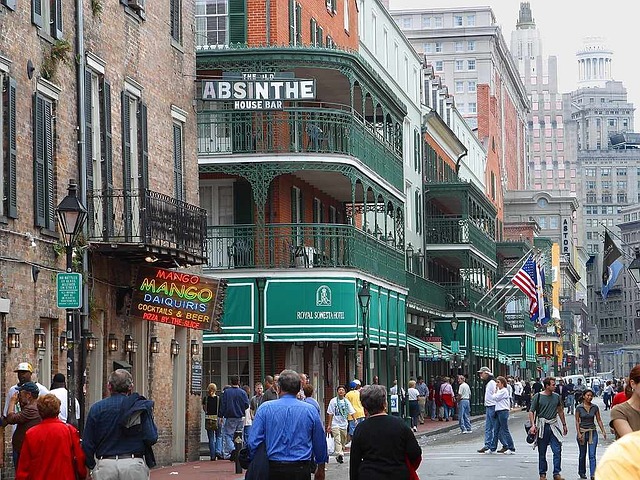
Bourbon Street New Orleans
Bourbon Street: Louder Than It Needs to Be and More Interesting Than It Looks Bourbon Street is named after the French royal House of Bourbon, not the whiskey, though the whiskey is everywhere. The street was laid out in the late 1700s when New Orleans was a French colonial city, and it has been many things since: a residential boulevard, a brothel district, the epicentre of Mardi Gras, a strip of...
read more
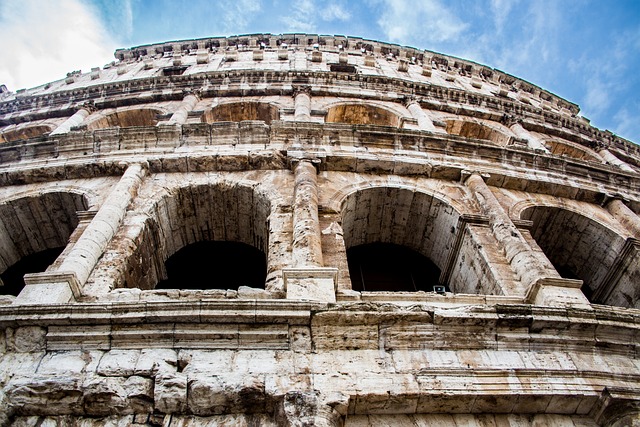
Colosseum
The Colosseum Was Built by Jewish Captives After the Sack of Jerusalem That is the fact that most visitors standing outside it do not know, and knowing it changes the weight of the building. The Flavian Amphitheatre was completed in 80 CE under Emperor Titus, financed by the looting of the Second Temple in Jerusalem in 70 CE and built by the Jewish captives brought back as slaves after the Roman...
read more
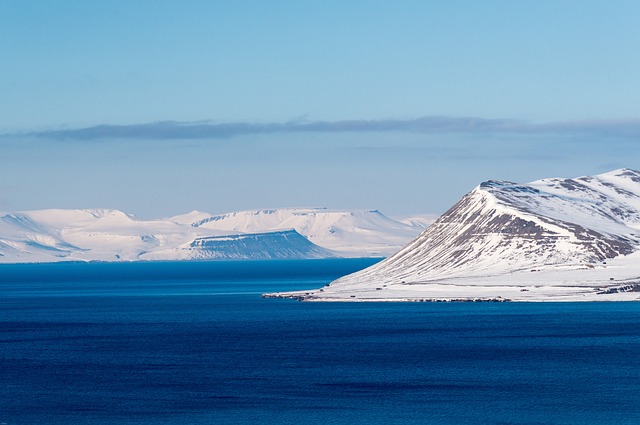
Svalbard
Svalbard: You Must Carry a Rifle Outside Town and the Polar Bears Are the Reason Svalbard is a Norwegian archipelago at 78 degrees North, midway between mainland Norway and the North Pole. The main island is Spitsbergen; the only significant settlement is Longyearbyen, population approximately 2,400. The total polar bear population of the archipelago is approximately 3,000. When you travel outside...
read more
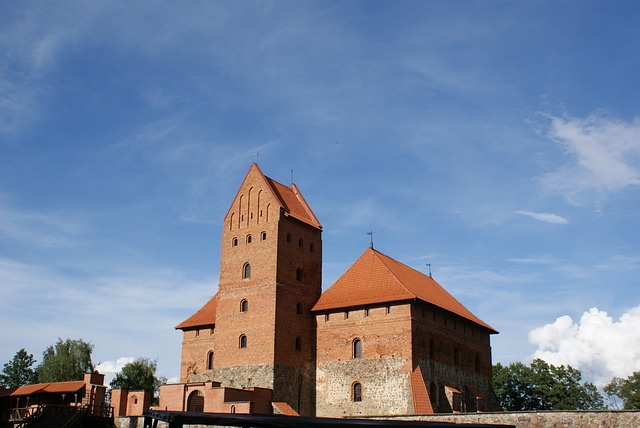
Trakai Castle
Trakai Castle: A Gothic Fortress on a Lake, and the Turkic Jewish Community Nobody Told You About Trakai Castle stands on an island in Lake Galve, 28 kilometres west of Vilnius. The red brick Gothic fortress was built by Grand Duke Vytautas in the late 14th and early 15th centuries as the seat of the Lithuanian Grand Duchy – at the time, the largest state in Europe by territory, stretching...
read more
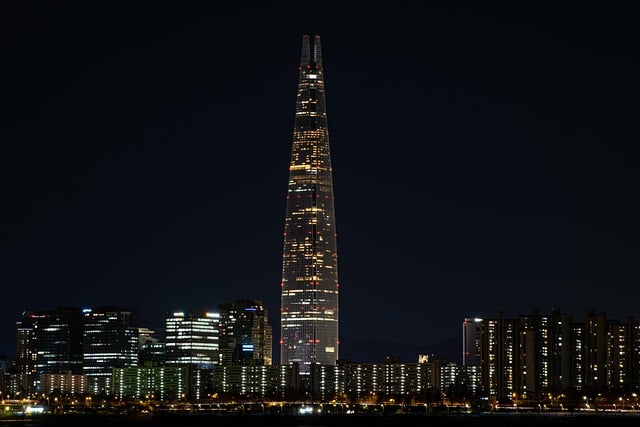
Lotte World, Seoul
Seven Million People Visit Lotte World Each Year and Most of Them Underestimate What It Actually Is The usual description is “indoor theme park.” That is true and completely inadequate. Lotte World in Seoul’s Jamsil district is two connected parks – a massive glass-roofed indoor section called Adventure and an outdoor section called Magic Island built on a man-made lake...
read more
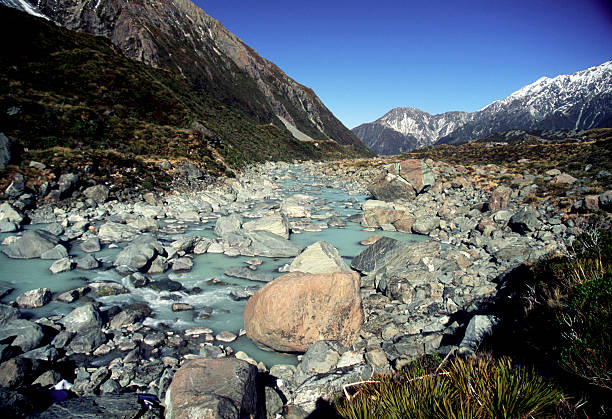
Aoraki Mount Cook National Park New Zealand
Edmund Hillary Trained Here Before Everest In 1951, Edmund Hillary joined Harry Ayres for a series of climbs in the Aoraki/Mount Cook region on New Zealand’s South Island, developing the technique and glacier experience that would contribute to the first ascent of Everest in 1953. The park was his training ground and he regarded it as such explicitly. That specific piece of mountaineering...
read more
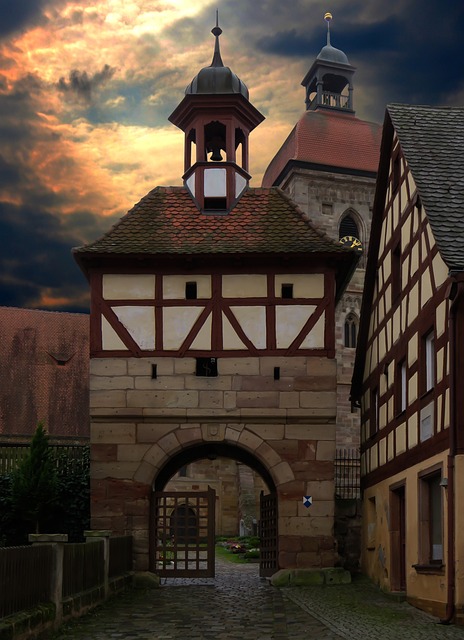
Bel M Tower
Belém Tower: The Fortress That Watched Vasco da Gama Sail Away In 1497, Vasco da Gama’s fleet departed from Lisbon on the voyage that would establish the sea route to India and transform Portugal from a small Atlantic kingdom into a global empire. The Torre de Belém was built in the early 16th century partly to commemorate that era, partly to defend Lisbon’s harbour mouth, and partly...
read more
Parc G Ell
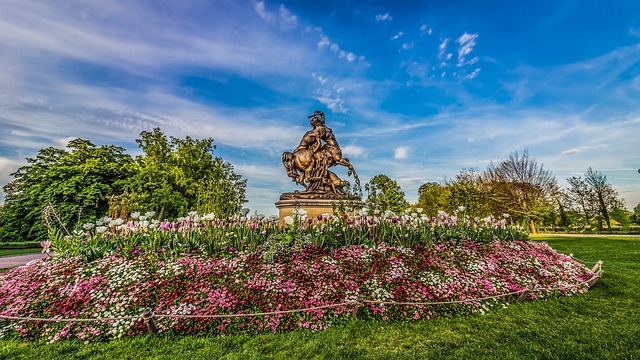
Park Guell: What You Are Actually Paying 18 Euros to See Eusebi Guell commissioned Antoni Gaudi to design a residential development on the Carmel hill above Barcelona in 1900. The plan was 60 villas with communal infrastructure: market halls, paths, terraces, and viaducts. By 1914 only two houses had been built and no one was buying. The development failed and Guell’s family donated the land...
read more
Angkor, Cambodia
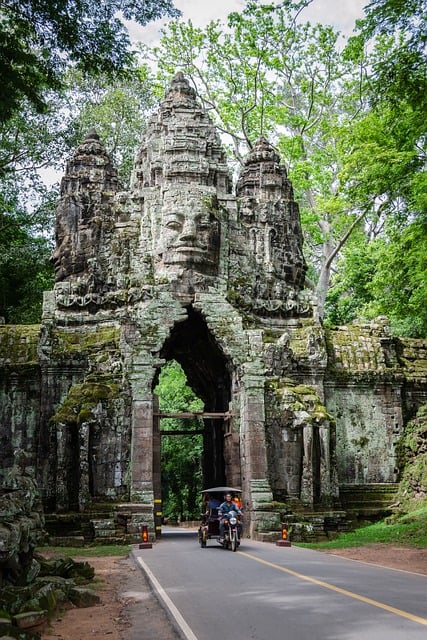
Angkor Wat Was Never Abandoned. It Has Been Continuously Worshipped for 900 Years. The popular image of Angkor Wat as a lost city consumed by jungle is only partly accurate. The temple complex was built by Khmer King Suryavarman II around 1150 CE, dedicated originally to Vishnu, and has been an active Buddhist site since the 15th century. When the French naturalist Henri Mouhot...
read more
Old Quebec/Vieux Québec
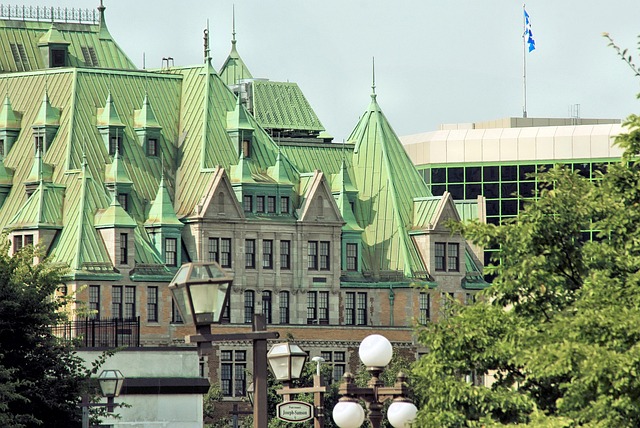
Vieux Québec: The Only Fortified City in North America Quebec City’s old walled town is an anomaly. It is the only fortified city north of Mexico that still has intact 17th and 18th-century defensive walls, preserved well enough that UNESCO designated the historic district in 1985. Walking through a gate in those walls and onto the cobblestones of the Haute-Ville (Upper Town) is a genuinely...
read more
Cu Chi Tunnels
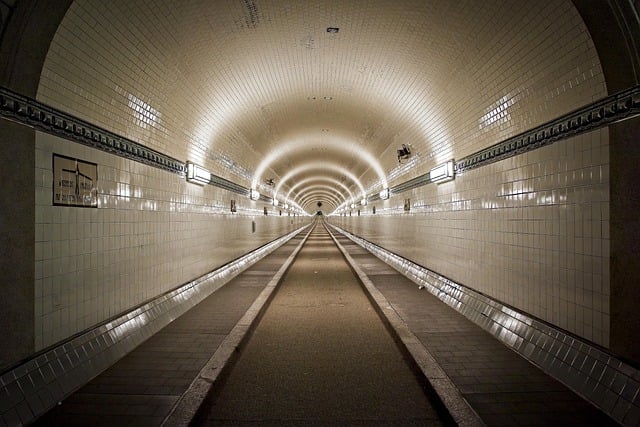
The Tunnels Are Smaller Than You Expect and That Changes Everything The Cu Chi tunnel network runs for 250 kilometres in total. The tourist-accessible section in Cu Chi District, 40 kilometres northwest of Ho Chi Minh City, connects to passages dug progressively from the late 1940s through the American War period. By the late 1960s, an estimated 16,000 Viet Cong soldiers and civilians lived and...
read more
Jungles of Borneo
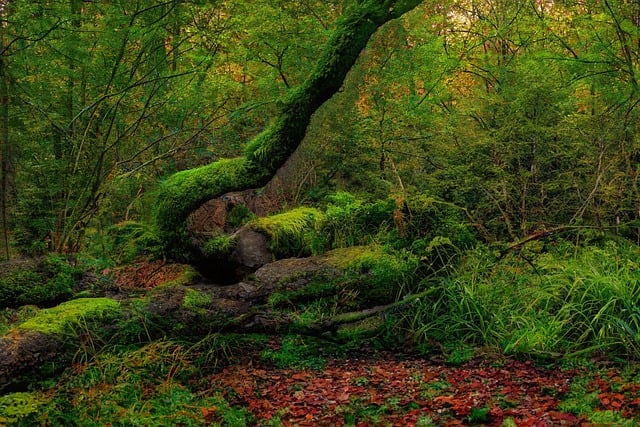
Borneo: The 140-Million-Year-Old Rainforest and What Remains of It Borneo’s interior rainforest is estimated to be around 140 million years old – predating the Amazon, predating most of the world’s tropical forests, and containing the evolutionary residue of an island that has never been connected to a continental landmass during the period when mammals diversified. The island is...
read more
Lanse Aux Meadows Canada
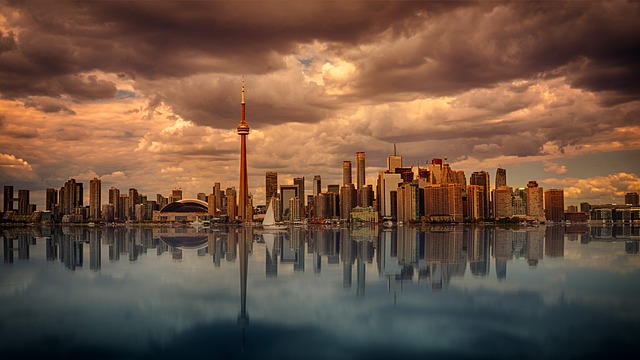
L’Anse aux Meadows: Europe Arrived Here Five Centuries Before Columbus In 1960, Norwegian explorer Helge Ingstad and archaeologist Anne Stine Ingstad were systematically working their way down the North American coastline, looking for the Vinland described in the Norse sagas. A local fisherman in a small Newfoundland outport pointed them toward some unusual grass-covered mounds near the...
read more
Chenonceau
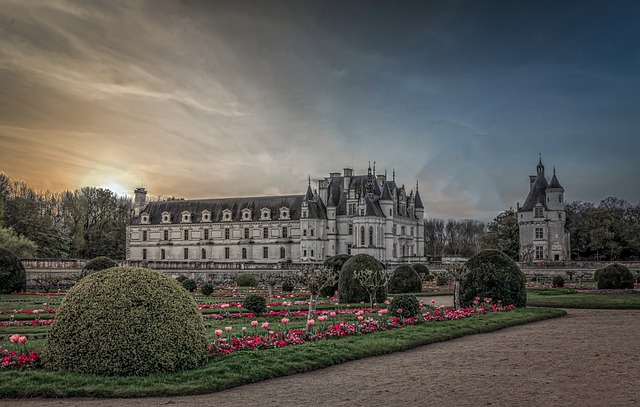
Château de Chenonceau: The Loire Castle Where Every Major Decision Was Made by a Woman The history of Chenonceau is essentially a succession of determined women reshaping the property. Catherine Briçonnet oversaw its original construction in the early 16th century. Diane de Poitiers, Henri II’s official mistress, received it as a gift and built the bridge across the Cher. When Henri died,...
read more
Pulpit Rock
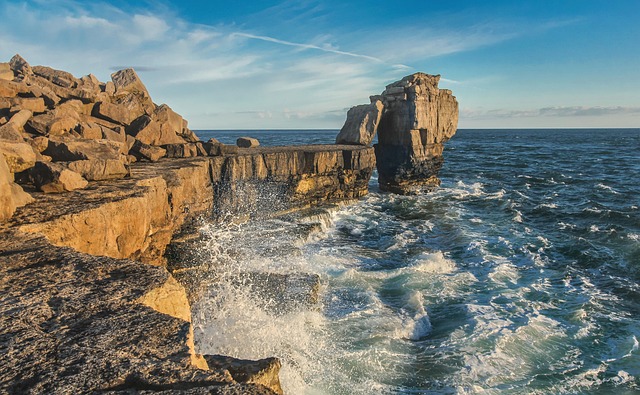
Pulpit Rock Photos Show an Empty Cliff. In Summer It Has 100 People on It. Go Anyway. Preikestolen (Pulpit Rock) is a 604-metre cliff above the Lysefjord in western Norway with a flat top roughly 25 by 25 metres. The photographs that have made it one of the most recognised natural sites in Scandinavia suggest solitude. In July and August, the flat top holds around 100 people at peak times,...
read more
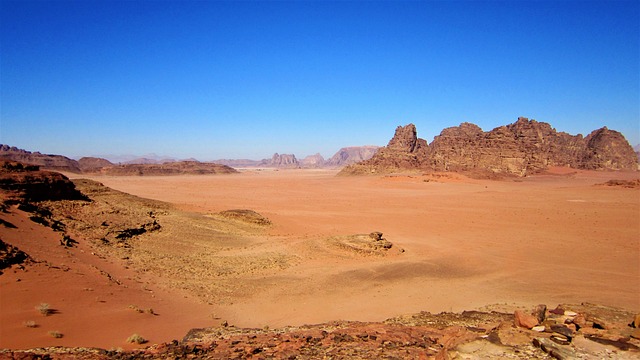
Wadi Rum Protected Area
Four Films Have Used Wadi Rum to Represent Mars. The Landscape Persuades You Why. The Martian, Dune, Rogue One, and Lawrence of Arabia all used this desert. The sandstone and granite formations – towers, arches, narrow canyons, open plains of red sand – create a landscape so geologically alien that it becomes the default choice when directors need a planet that is not Earth. What you...
read more
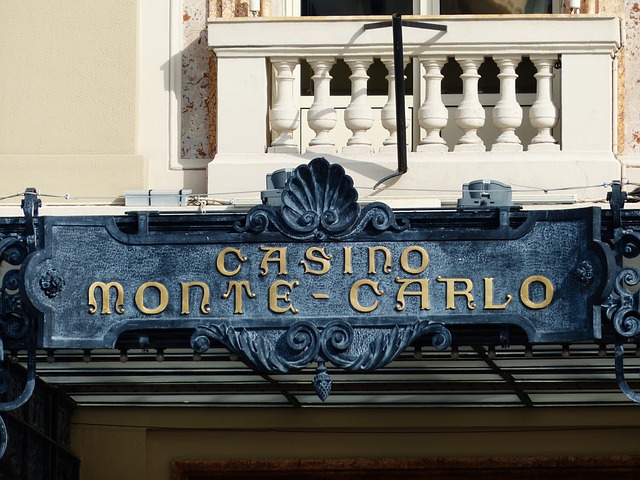
Casino Monte Carlo
Monaco Bans Its Own Citizens From Gambling Here That rule, in place since 1863, tells you something about the place. The Casino de Monte-Carlo was built not to entertain Monegasques but to save the principality from bankruptcy, and it did. Princess Caroline’s instinct was correct: foreigners would come, spend money, and leave. They have been doing exactly that for 160 years. Monaco is about...
read more
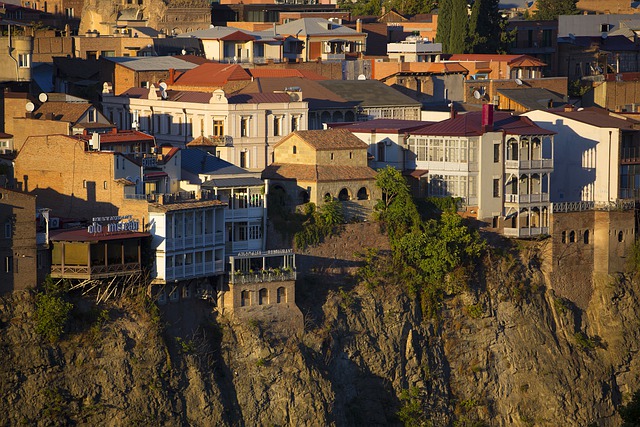
Old Tbilisi, Georgia
Georgia Has Been Making Wine in Clay Pots for 8,000 Years and This Is the Best Place to Drink It The qvevri – large terracotta vessels buried in the earth for temperature regulation, used to ferment and age wine – are the oldest wine vessels in continuous use anywhere on earth. Georgia’s claim to be the birthplace of wine is better documented archaeologically than any other...
read more
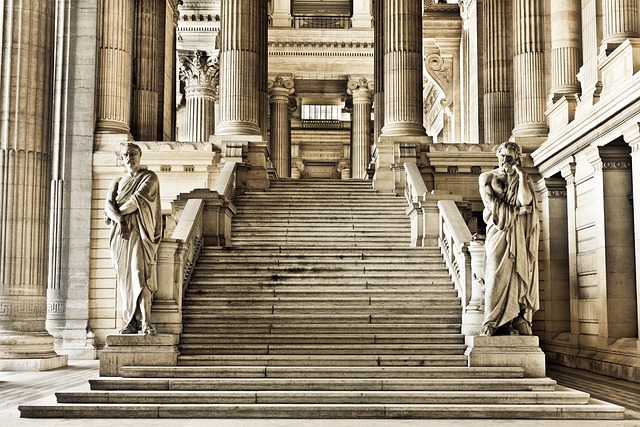
Hampton Court Palace
Hampton Court Palace: Two Palaces in One Building Hampton Court Palace was built in the 1510s by Cardinal Wolsey as his private residence, then acquired by Henry VIII after Wolsey’s fall from favour in 1529. Henry enlarged it extensively – a pattern you can trace room by room if you pay attention, the Tudor brick getting thicker and more assertive as the building grew. A century and a...
read more
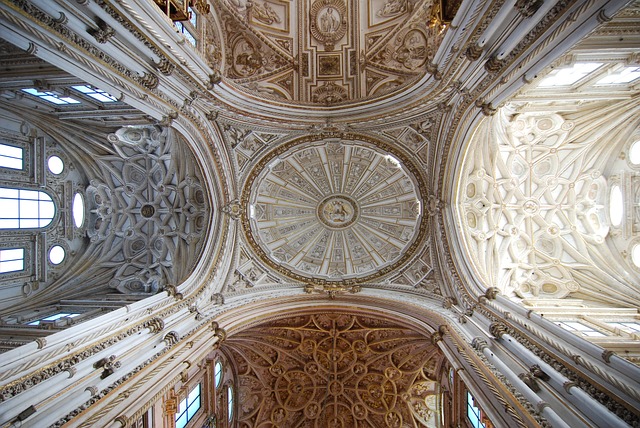
Cordoba
Cordoba: The Mezquita and the City That Was Once Europe’s Most Sophisticated In the 10th century, Cordoba was the most populous and culturally advanced city in Europe, serving as the capital of the Umayyad Caliphate of al-Andalus with a population of around 500,000. It was a centre of philosophy, medicine, astronomy, and translation scholarship at a time when the rest of Western Europe was...
read more