Recent See Eat Do
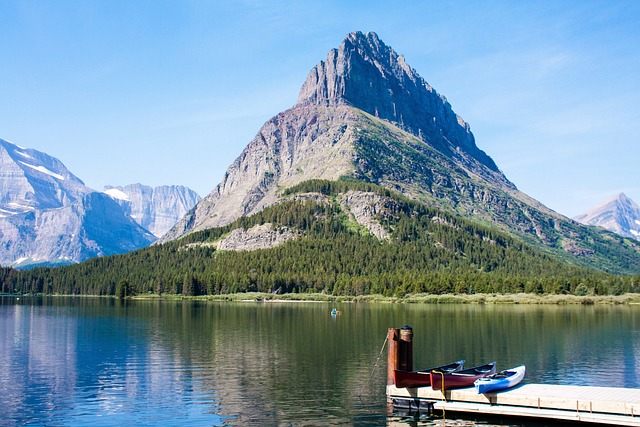
Glacier National Park, Montana
See It Before the Name Becomes a Lie When Glacier National Park was established in 1910, it had roughly 150 glaciers. By 2015 that number was 26. Every single named glacier in the park shrank between 1966 and 2015, some by more than 80 percent. Grinnell Glacier, one of the most visited, loses between two and ten acres per year. Scientists who study this closely estimate that the remaining glaciers...
read more
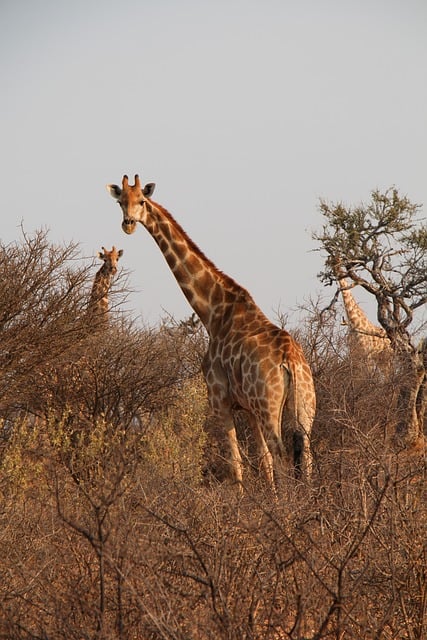
Blyde River Canyon, South Africa
The Largest Green Canyon on Earth, and South Africa’s Most Underestimated Drive Most people know Blyde River Canyon exists. Far fewer know that it is the largest green canyon on earth, not the largest canyon full stop (that’s the Grand Canyon), and not even the largest in Africa (Fish River Canyon in Namibia beats it on raw size), but the largest that is subtropical, forested, and...
read more
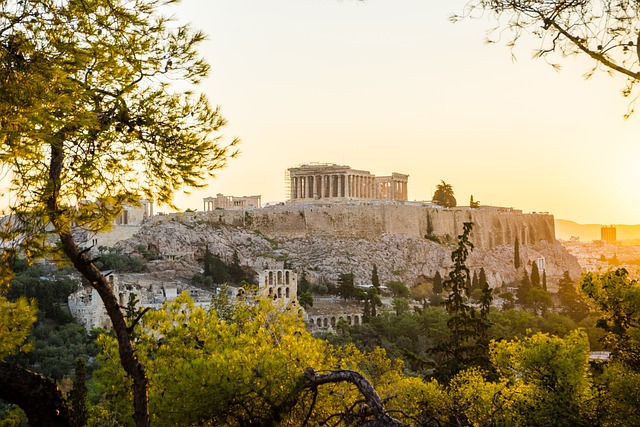
The Acropolis, Greece
A Venetian Cannonball Changed Everything On September 26, 1687, a Venetian mortar round struck the Parthenon from the Hill of Philopappos. The Ottomans had been using the temple as a powder magazine. The explosion destroyed three-fifths of the building’s sculptures and blew out the columns along its flanks. Before that night, the Parthenon had stood largely intact for over 2,000 years. The...
read more
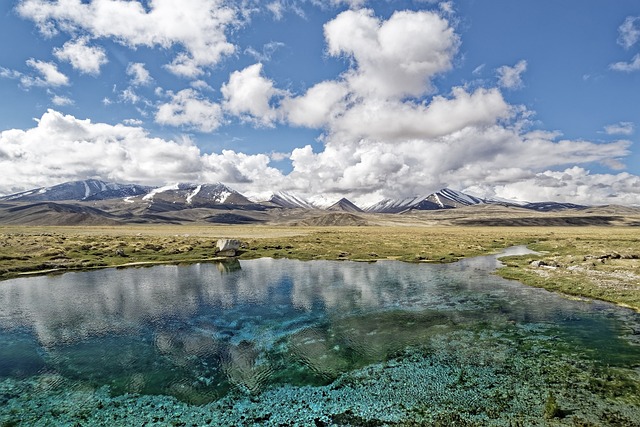
Tajik National Park (Mountains of the Pamirs)
The Roof of the World Has Very Few Visitors Tajik National Park covers 2.5 million hectares across the eastern half of Tajikistan. That is almost the size of the United Kingdom, and it sees a tiny fraction of the visitors that any given British National Park collects on a bank holiday weekend. The Pamir plateau sits at an average elevation of around 4,000 metres. The passes you cross to reach the...
read more
Copan
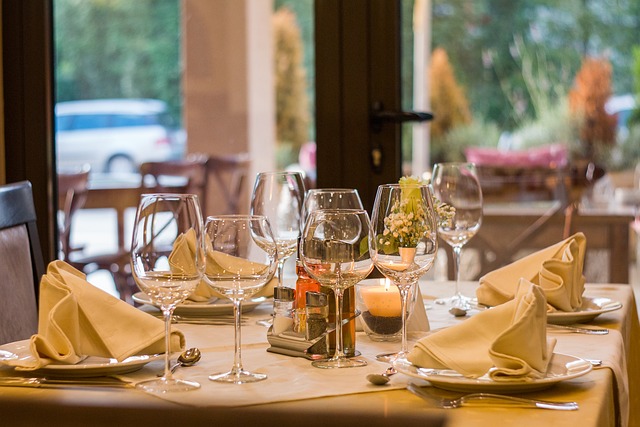
The Maya Site That Rewards Slow Looking Chichen Itza gets the crowds. Palenque gets the dramatic backdrop. Copan, tucked into the western highlands of Honduras near the Guatemalan border, gets the specialists, and that is exactly why it is worth going.
The site is not the biggest or the tallest Maya ruin you can visit. What it has, in greater concentration than almost anywhere else in the Maya...
read more
Hoi An
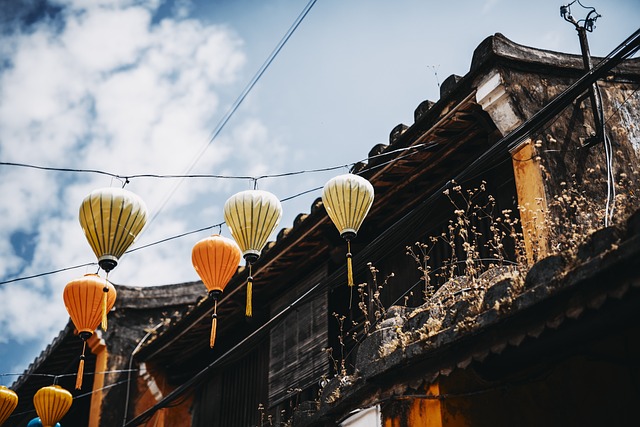
Hoi An, Vietnam: The Ancient Town That Earned Its Own Ticket System Here is the thing about Hoi An that nobody warns you: you will spend ten minutes standing on a bridge, watching lanterns drift downstream, and quietly resent every place you have been before. After two years of closure and a 20-billion-VND restoration finished in August 2024, the Japanese Covered Bridge is back open, and it has...
read more
Library of Congress Washington D C
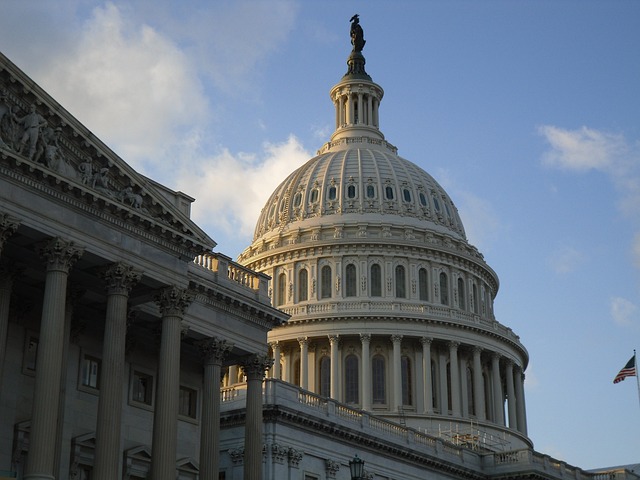
The Library of Congress: The Best Free Hour in Washington Most visitors to Washington DC spend their time on the Mall. Understandable, but there is a building one block east of the Capitol that consistently does more for your understanding of American history in 60 minutes than most institutions manage in a full day. The Library of Congress is the largest library in the world, free to enter, and...
read more
The Vatican
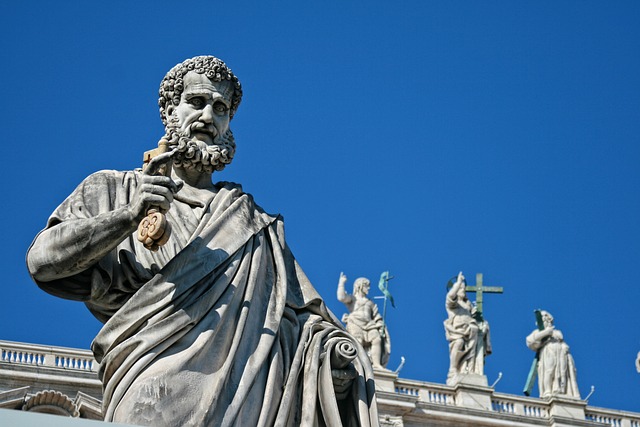
Plan Your Vatican Day Like a Vatican Employee Would The Vatican Museums attract around six million visitors a year, making them consistently among the top five most visited museums in the world. The Sistine Chapel ceiling is at the end of a long tunnel of galleries that have, over the centuries, accumulated enough art to embarrass any national museum in Europe. Michelangelo painted it while lying...
read more
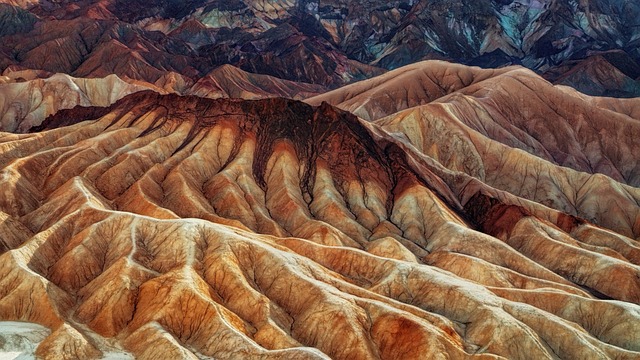
Death Valley
The Hottest Place on Earth, and Why You Should Go Anyway On July 10, 1913, a thermometer at Furnace Creek registered 134 degrees Fahrenheit (56.7 Celsius). That figure has been disputed by some climate scientists in recent years, the measurement methodology of the era makes verification difficult, but the more credible modern record is still 130°F (54.4°C), recorded in August 2020 and again in...
read more
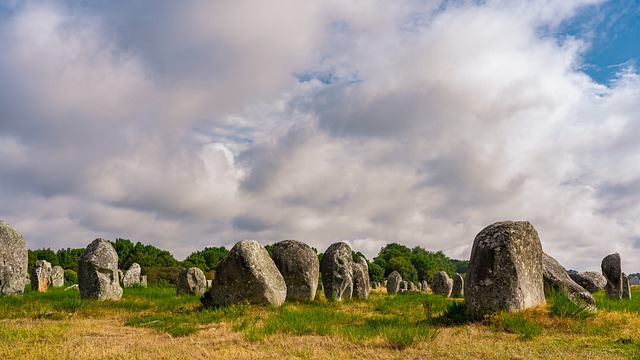
Carnac
Three Thousand Stones Nobody Fully Understands In July 2025, the megalithic sites of Carnac and the Morbihan Coast were officially inscribed on the UNESCO World Heritage List, a recognition that had been expected for years and still felt, when it finally came, like a meaningful acknowledgement of how extraordinary this place actually is. Carnac now sits alongside Stonehenge and Brú na Bóinne in...
read more
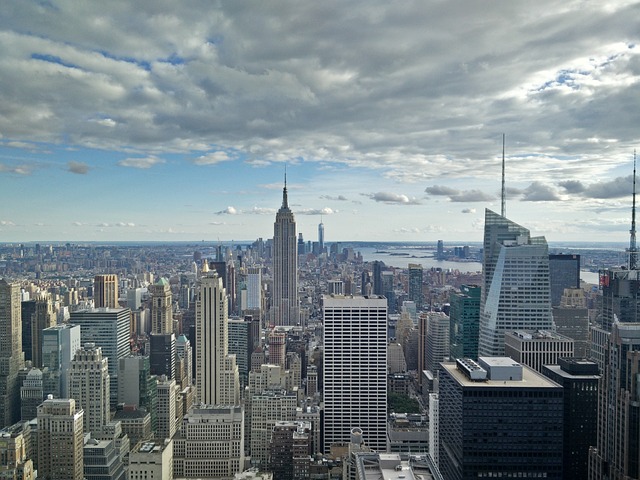
Rockefeller Center
Built on a Failed Opera House, Opened During the Depression The story of Rockefeller Center begins with a canceled deal. In 1928, the Metropolitan Opera agreed to move to a new site on a block between 48th and 51st Streets, leased from Columbia University. When the stock market crashed in October 1929, the Met pulled out. John D. Rockefeller Jr. was left holding the lease on 11 acres of midtown...
read more
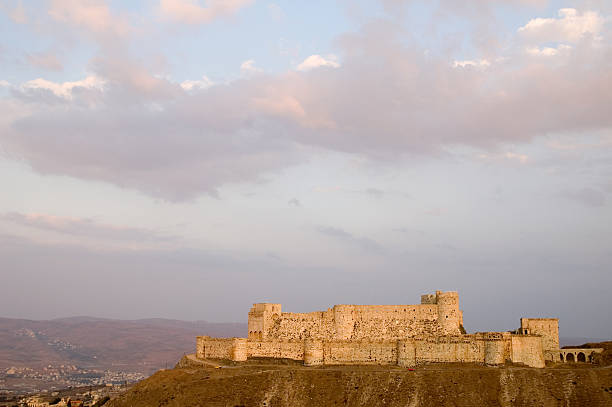
Krak Des Chevaliers, Syria
Krak des Chevaliers: The Castle That Outlasted Everything Thrown at It In 1271, the Mamluk Sultan Baibars spent 36 days besieging Krak des Chevaliers. The garrison held. He eventually got in not by force but by allegedly forging a letter from the Hospitaller Grand Master ordering surrender. The castle had never actually fallen to a military assault. That stubbornness, that refusal to yield, feels...
read more
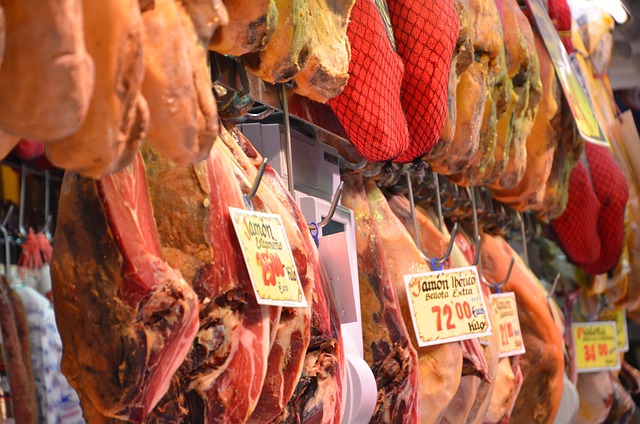
Museo Del Prado
Goya Painted These on His Own Walls, for No One Around 1820, Francisco Goya moved into a house outside Madrid that locals called the Quinta del Sordo, the House of the Deaf Man. He was 74, profoundly deaf, and had survived a near-fatal illness. Over the next few years he covered the interior walls of the house with fourteen paintings that he never named, never showed to anyone, and never spoke...
read more
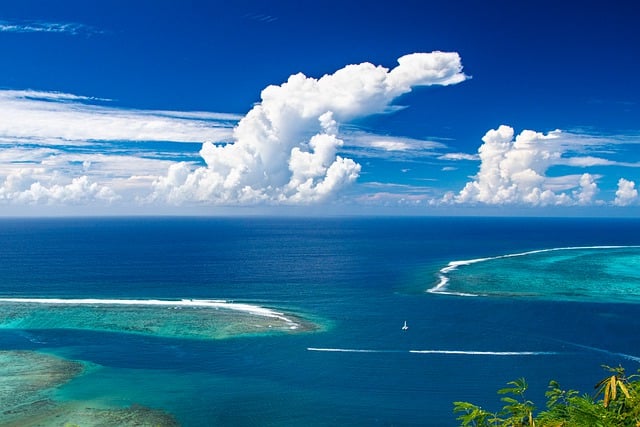
Pacific Islands
The Pacific Is Too Big To Talk About as One Place The Pacific Ocean covers a third of the earth’s surface and contains somewhere between 20,000 and 25,000 islands, depending on what you count. Treating it as a single destination is the kind of mistake that results in a Bora Bora-or-bust trip when you might have been better served by two weeks in the Cook Islands for a fraction of the price,...
read more

Pol E Khaju
Isfahan’s Bridge Where the River Sings Every evening as the light softens over the Zayandeh Rud, something unusual happens at Pol-e Khaju. Locals gather under the stone arches, and someone starts singing. Not busking, not performing for cameras. Just a man with a good voice and an arch built 370 years ago that was designed, it turns out, with acoustics in mind. The sound fills the vaulted...
read more
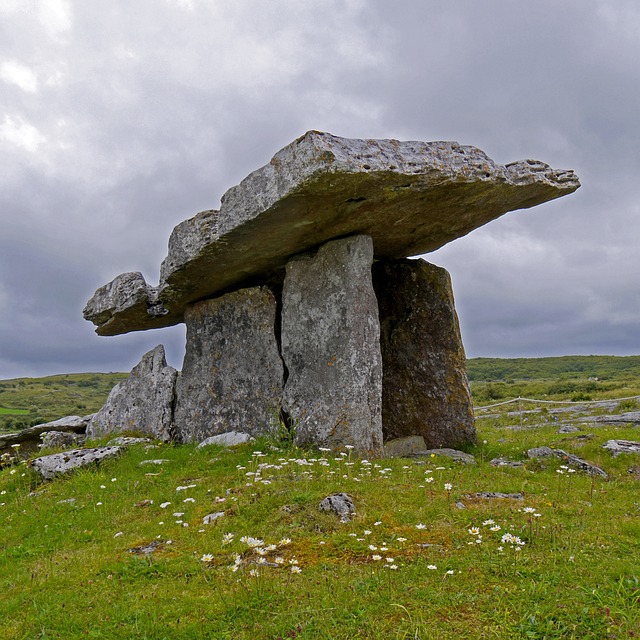
Br Na B Inne Neolithic Site County Meath Ireland
The Tomb That Was Built Before Writing Existed Here is the fact that tends to stop people cold: Newgrange was constructed around 3200 BC, five centuries before the first Egyptian pyramid. The people who built it had no metal tools, no written language, and no wheels. What they did have was an intimate knowledge of the sun’s movement across the sky, precise enough to orient a 19-metre stone...
read more
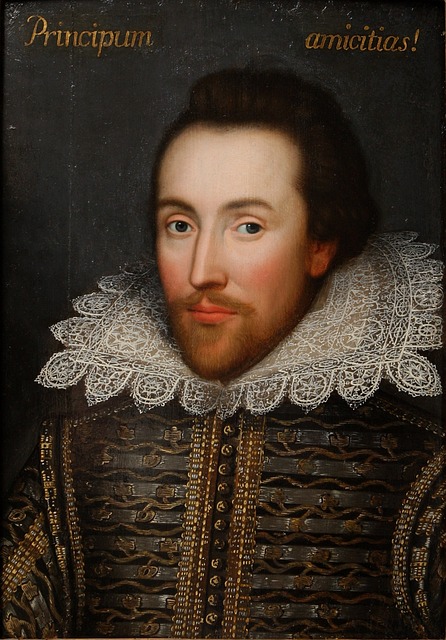
Shakespeares Birthplace
The House on Henley Street Where Hamlet’s Twin Brother Also Died Most visitors arrive at Shakespeare’s Birthplace in Stratford-upon-Avon with the playwright in mind. They leave knowing about the family’s grief. In 1596, when Shakespeare was 32 and already writing the plays, his son Hamnet died in this house at the age of eleven. The cause is unknown. His twin sister Judith...
read more
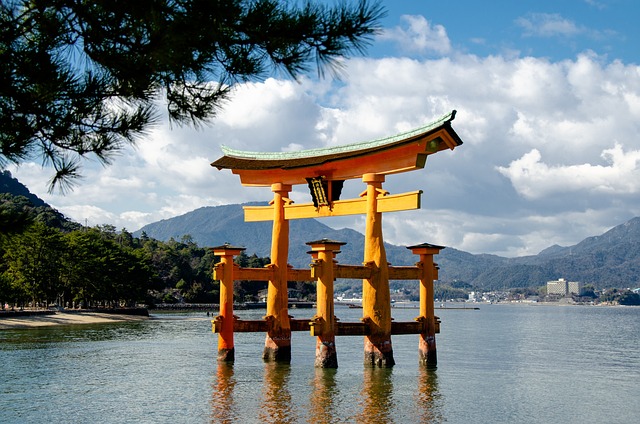
Itsukushima Shinto Shrine
Itsukushima Shrine: The Island That Was Too Sacred for the Living For centuries, no one was allowed to be born or die on Miyajima Island. To preserve its spiritual purity, pregnant women were sent to the mainland as their delivery dates approached, and the terminally ill followed. The policy, enshrined in law since 1878, technically still stands. That tells you something about what kind of place...
read more
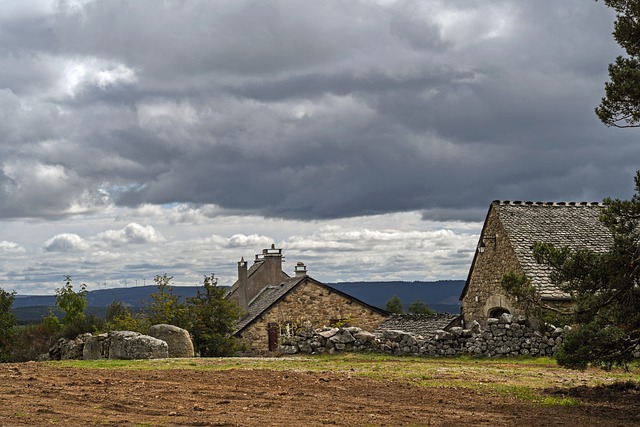
St Lucia
Britain and France Fought Over This Island 14 Times Fourteen times. The British and French traded St. Lucia back and forth across the 17th and 18th centuries, each side convinced the island was worth fighting for. It earned the nickname “The Helen of the West Indies,” after the Trojan War’s central prize. Standing on the waterfront at Soufriere today, looking up at the Pitons as...
read more
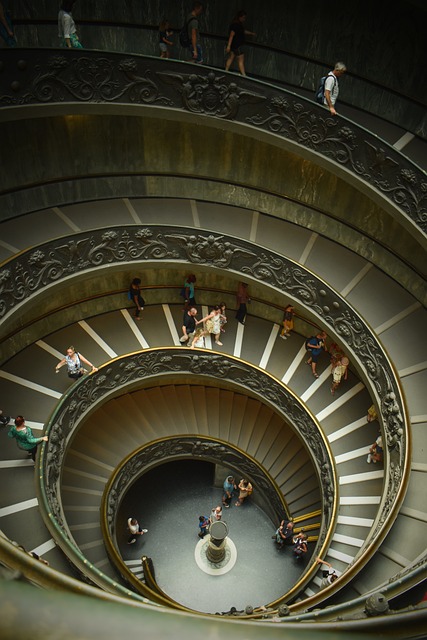
Vatican Museum
Seven Kilometres of Art, One Very Overcrowded Chapel The Vatican Museums contain around 70,000 works of art. The collection spans Egyptian mummies, Greek sculpture, Etruscan bronzes, Renaissance frescoes, and 20th-century paintings. You get to see almost none of it on a standard visit because the one-way routing system funnels virtually everyone along the same corridor toward the Sistine Chapel,...
read more
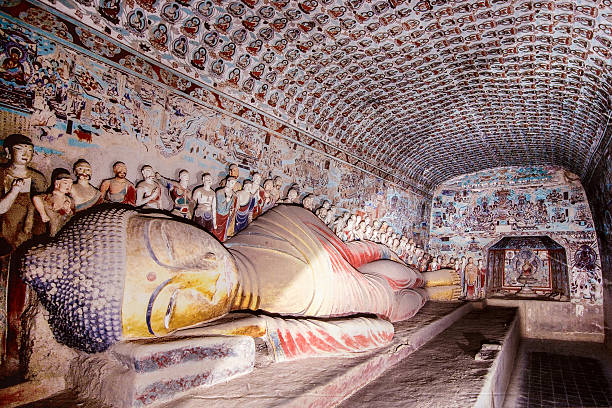
Mogao Caves
The Caves Someone Tried to Hide for a Thousand Years On June 25, 1900, a self-appointed caretaker monk named Wang Yuanlu followed the drift of smoke from a cigarette through a corridor at Mogao and discovered a bricked-up wall. Behind it was a small chamber crammed with roughly 50,000 manuscripts, paintings, and silk banners sealed shut sometime around the 11th century. Nobody knows why. The...
read more
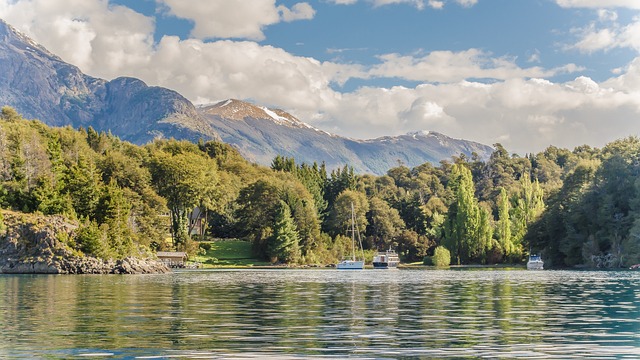
Parque Nacional Nahuel Huapi
Argentina’s First National Park Started With One Person Giving Away Land In 1903, Francisco Pascasio Moreno (known as Perito Moreno, the word means “expert”) donated 75 square kilometers of land in the Lake District to the Argentine government, on one condition: that it be used for a national park. He had been the first Argentine to reach Lake Nahuel Huapi in 1875, had spent...
read more
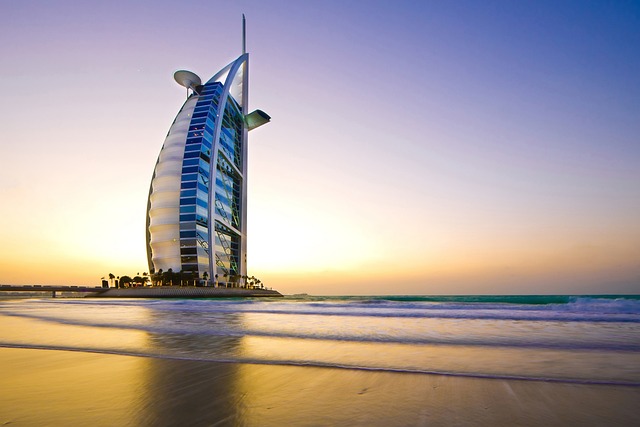
Burj Al Arab Hotel
The Hotel That Began on a Restaurant Napkin In October 1993, a British architect named Tom Wright was sitting at the Dubai Offshore Sailing Club when he spotted a dhow sailing across the water. He picked up a pen and sketched something on a napkin. That sketch, handed to Dubai’s rulers, became the Burj Al Arab, the building that, more than any other single structure, redefined what people...
read more
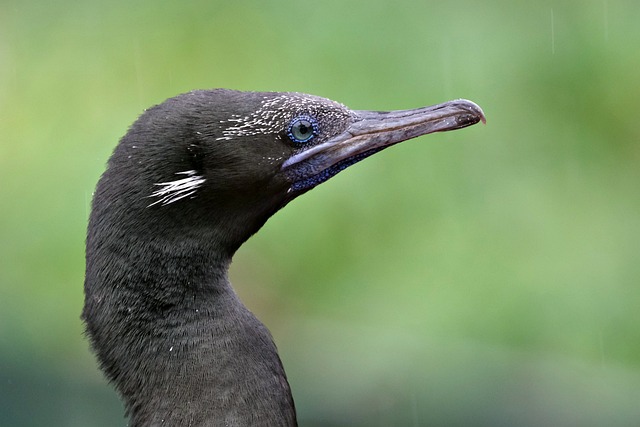
Socotra Island
The Island That Shouldn’t Exist Here is a fact that stops most people cold: 37% of Socotra’s plant species exist nowhere else on Earth. Not elsewhere in Yemen, not on any nearby island, nowhere. The Dragon Blood Tree, with its flat umbrella crown and blood-red sap, looks like something a child drew after being told to invent an alien world. But it is real, it grows in a specific corner...
read more
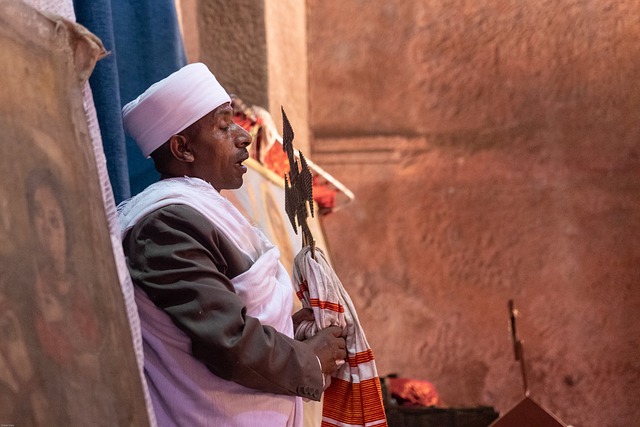
Lalibela Ethiopia
Lalibela: Eleven Churches Carved Out of Rock, Built for a Jerusalem That Was Out of Reach King Lalibela had a problem. It was the 12th century, Islamic conquests had closed the pilgrimage routes to Jerusalem, and the Ethiopian Orthodox faithful had nowhere to go. His solution was to build them a Jerusalem at home, in the highlands of northern Ethiopia, at altitude, using volcanic basalt. He...
read more
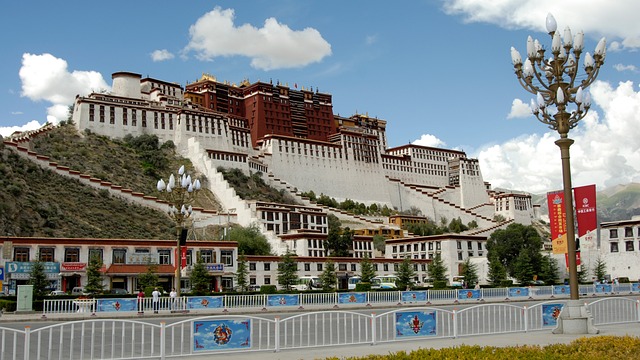
Potala Palace, Lhasa
Potala Palace: 1,000 Rooms, 200,000 Statues, and a Context That Cannot Be Separated From the Building The Potala Palace stands on Red Mountain (Marpo Ri) in Lhasa at 3,763 metres above sea level, rising another 117 metres above the city. It is 13 storeys tall, contains approximately 1,000 rooms, 10,000 shrines, and about 200,000 statues. The White Palace on the eastern side was the administrative...
read more
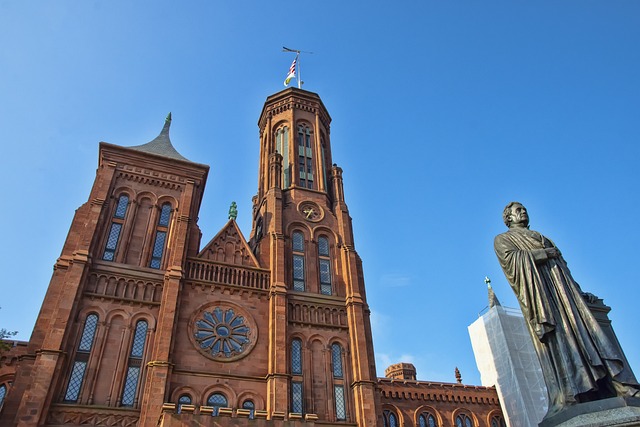
The Smithsonian Museum
The Smithsonian: 21 Institutions, All Free, Impossible to See in a Week James Smithson, a British scientist who had never visited the United States, died in 1829 and left his entire estate to the country with the instruction to use it for “the increase and diffusion of knowledge.” He had no known connection to America. The bequest led to the founding of the Smithsonian Institution in...
read more
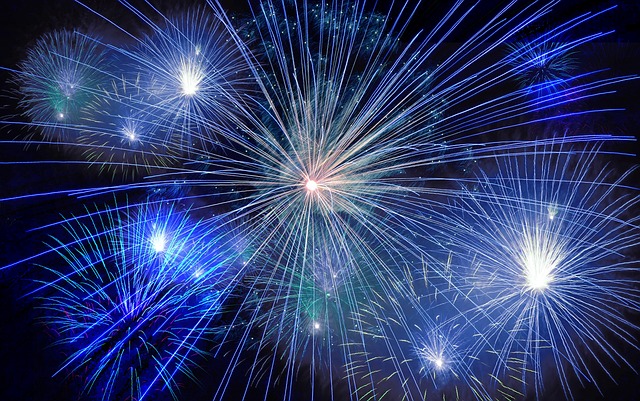
New Year Fireworks in Sydney
Sydney New Year’s Eve: Choosing Your Spot and What It Will Cost Sydney hosts the largest New Year’s Eve fireworks display in the southern hemisphere, with approximately 8.5 tonnes of fireworks launched from the Sydney Harbour Bridge and several barges around the harbour. The display runs for 12 minutes at midnight. There is also a 9 PM family display running about 7 minutes for...
read more
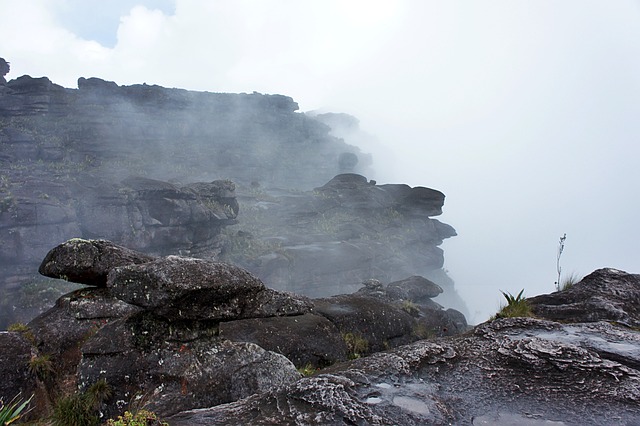
South American Tepuis
South American Tepuis: The Table Mountains That Inspired The Lost World Arthur Conan Doyle published The Lost World in 1912. The isolated plateau he imagined, surrounded by vertical walls, accessible from below only with difficulty, and harboring creatures evolved in isolation from the rest of the world – was drawn from the tepuis of Venezuela’s Guiana Highlands. The science fiction...
read more
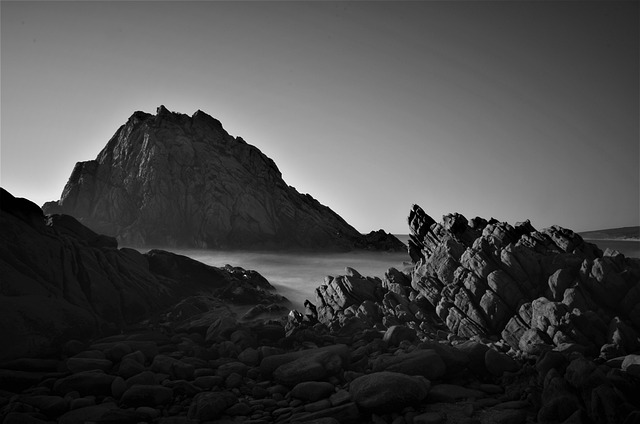
Lord Howe Island Australia
The Law Says 400 Visitors at a Time. That Law Is the Point. Lord Howe Island has a legally enforced visitor cap of 400 tourists on the island simultaneously. The cap has been in place for decades and is the single most important fact about visiting: accommodation is scarce, flights have limited seats, and the island is deliberately quiet in a way that no resort design or off-season timing can...
read more
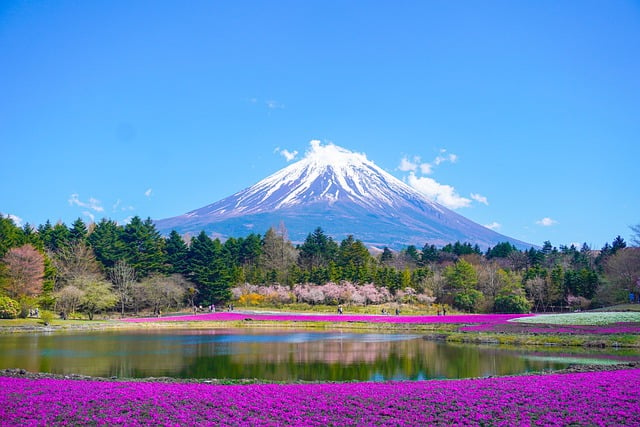
Mount Fuji
Mount Fuji: The New Regulations and Why They Exist Mount Fuji at 3,776 metres is an active stratovolcano, the highest peak in Japan, and one of the most climbed mountains in the world. It has been a sacred mountain since at least the 7th century, a pilgrimage site, and the subject of more Japanese art than any other natural feature – Hokusai’s Thirty-Six Views of Mount Fuji established...
read more
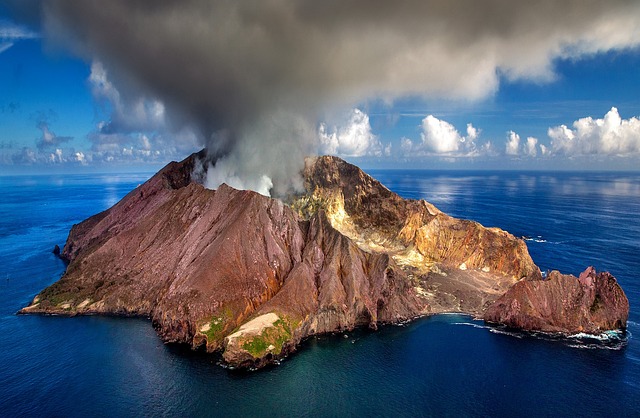
North Island New Zealand
North Island: The New Zealand the South Gets Credit For Travel writing about New Zealand defaults to the South Island. The fiords, the glaciers, the alpine scenery – Queenstown, Milford Sound, Aoraki. The North Island is where 78 percent of the country’s population lives, where most of the Maori cultural history is concentrated, where the geothermal activity runs along the entire spine...
read more
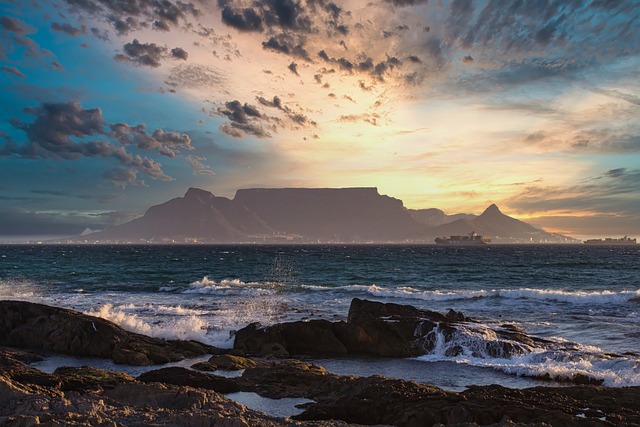
Table Mountain Cape Town
Table Mountain: Check the Weather Before You Drive Up There The cableway on Table Mountain closes in wind. The “tablecloth” of cloud that forms on the summit when the south-easterly blows looks dramatic from the city below – it is a Cape Town meteorological signature, visible from the waterfront – and it means the cable car is closed and visibility on the summit is near...
read more
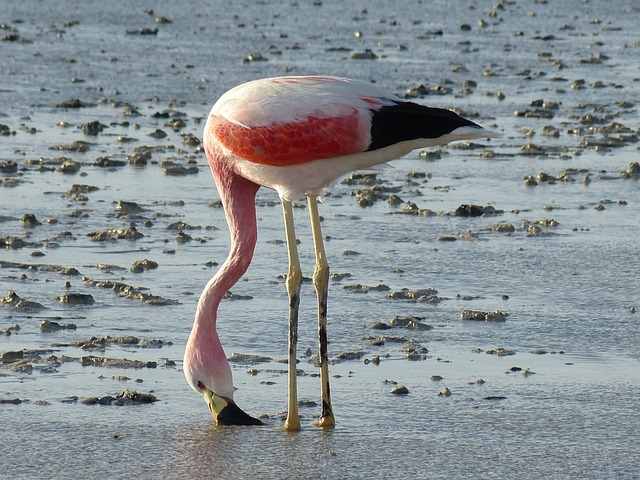
Valle De La Luna San Pedro De Atacama Chile
Valle de la Luna: Where the Atacama Gets Theatrical The Atacama Desert is already the driest non-polar desert on Earth – some of its weather stations have never recorded rainfall in their operational histories. Valle de la Luna, 15 kilometres from San Pedro de Atacama, is where the desert decides to show off. Wind and water carved the salt and clay formations over millions of years into...
read more
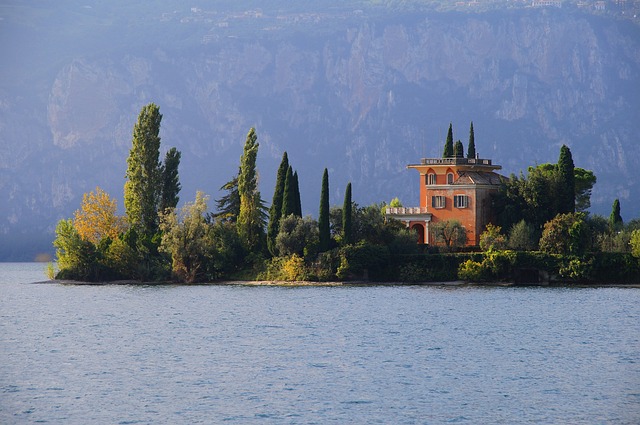
Lago Di Garda, Italy
Lake Garda: Why the Town You Choose Matters More Than You Think Lake Garda is 51 kilometres long, up to 17 kilometres wide, and the largest lake in Italy. Its northern tip is flanked by the Alps; the southern end opens into the Po Valley. The lake straddles three regions – Lombardy, Veneto, and Trentino-Alto Adige – and the towns on each shore have genuinely different characters rather...
read more
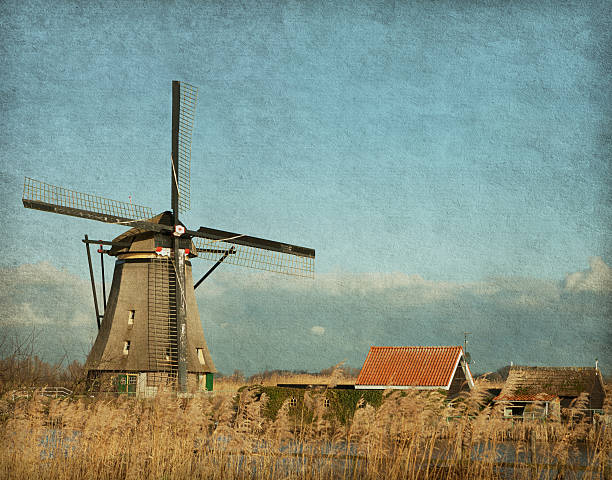
Mill Network at Kinderdijk-Elshout
Kinderdijk: Nineteen Working Windmills That Were Never Decorative Kinderdijk is sold to tourists as a scenic experience, which it is. What gets undersold is that it is also a functional explanation of why the Netherlands exists in its current form. The nineteen windmills at Kinderdijk were built between 1738 and 1740 to solve a specific engineering problem: the Alblasserwaard polder sits below sea...
read more
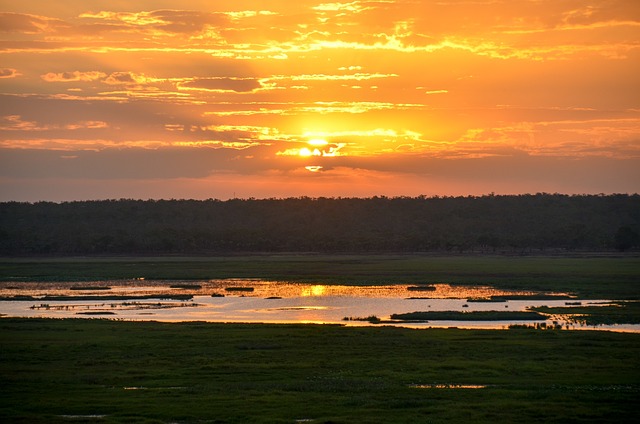
Arnhem Land, Australia
Arnhem Land: 97,000 Square Kilometres of Aboriginal Australia, and Getting In Requires a Permit The Yolngu people of Arnhem Land sent a formal petition to the Australian parliament in 1963 on sheets of bark, decorated with traditional clan designs and written partly in Yolngu languages. This was Australia’s first formal legal document created by indigenous Australians asserting their rights...
read more
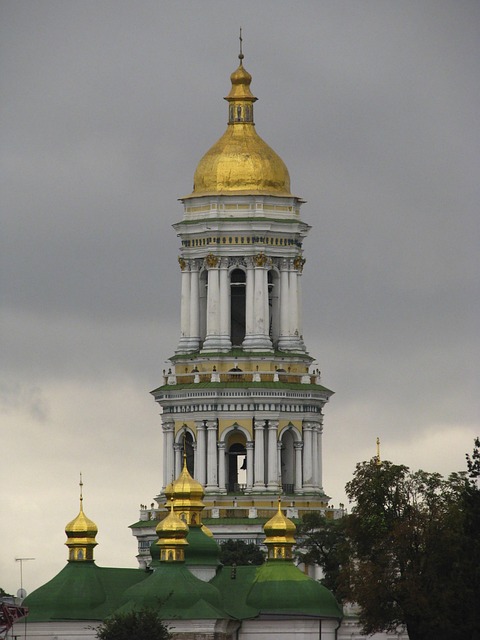
Pechersk Lavra
In January 2026 a Russian Drone Shattered Windows Across Two of Its Buildings That was the first war-related damage to the Kyiv-Pechersk Lavra since World War II. The monastery complex on bluffs above the Dnipro River has survived Mongol raids, Soviet demolitions, German occupation, and nearly three years of active war. It is still open. The cave network beneath it, in continuous use since monks...
read more
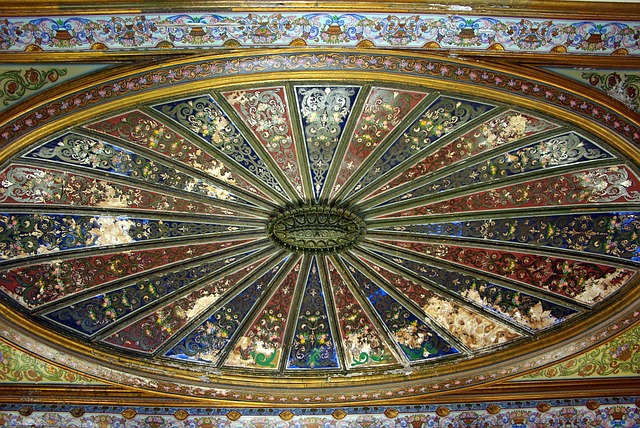
Bardo Museum Tunis
The World’s Best Roman Mosaic Collection Is in Tunis The Bardo National Museum holds the largest collection of Roman mosaics anywhere on earth. That sentence seems like the kind of claim that belongs in tourist marketing, but it is simply true: the floors and walls of Roman villas and bathhouses across North Africa – ancient Carthage, Hadrumetum, Hippo Regius, Thysdrus – were...
read more
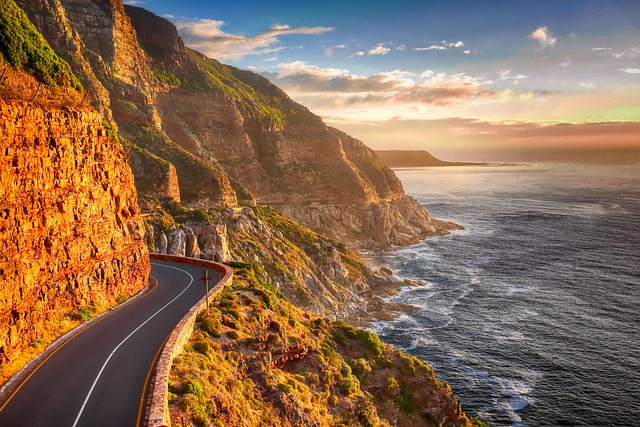
South Georgia Island South Atlantic Ocean
South Georgia: 250,000 King Penguins and Two Days Across the Drake Passage to Reach Them There is no airport on South Georgia. No hotels. No restaurants. Getting here requires booking an expedition cruise from Ushuaia or Stanley, paying somewhere between USD 10,000 and 20,000 for the trip, and then enduring two to three days crossing the Drake Passage in whatever sea state the Southern Ocean...
read more
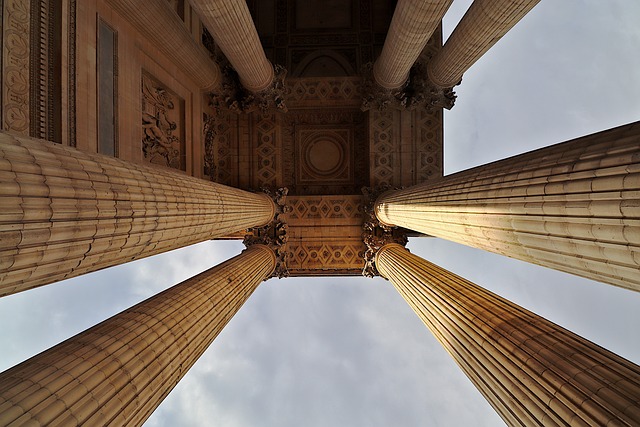
Pantheon
The Pantheon: Built by a Modest Emperor Who Kept Someone Else’s Name on It The inscription across the Pantheon’s facade reads “M. AGRIPPA L. F. COS TERTIUM FECIT” – “Marcus Agrippa, son of Lucius, built this in his third consulship.” The building you are looking at was not built by Marcus Agrippa. Agrippa’s original temple on this site dated to 27...
read more
Chartwell House
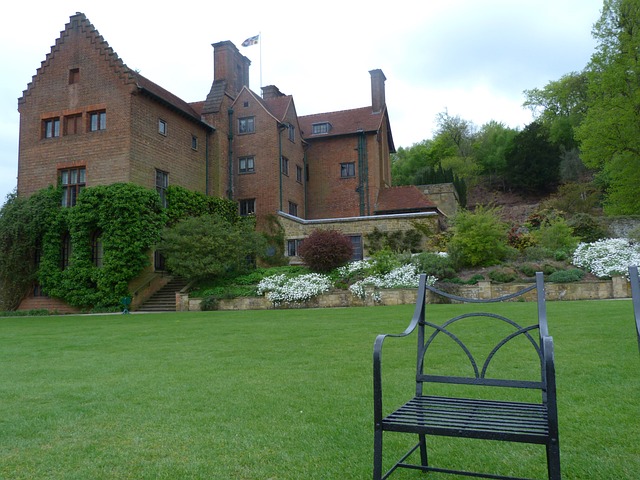
Chartwell: The House Churchill Loved and His Wife Found Impractical Winston Churchill paid £5,000 for Chartwell in 1922 – considered overpriced at the time – and spent the following decades altering it, extending it, and draining the family finances to maintain it. Clementine found it impractical and expensive to run. Churchill loved it with the kind of attachment that defied cost...
read more
Cappadocia, Turkey
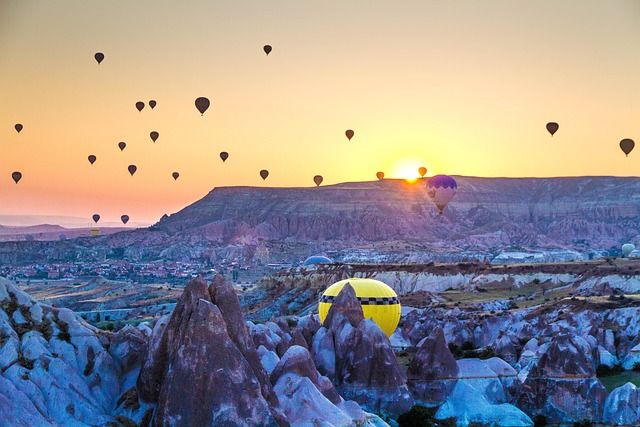
Cappadocia: The Balloon Photograph Is Real, and That’s a Problem Cappadocia launches 100 to 150 hot air balloons on most mornings from April through October, weather permitting. The dawn flight – an hour floating over volcanic cone formations called fairy chimneys, with dozens of other balloons in the same sky at sunrise – is one of the more striking visual experiences available...
read more
Notting Hill Carneval
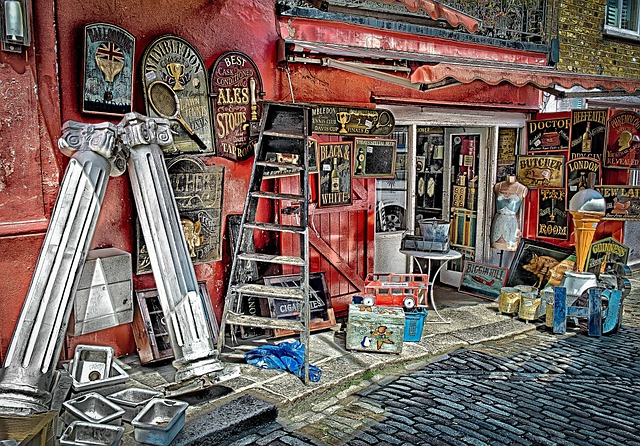
Two Million People in Two Square Miles Notting Hill Carnival in 2026 runs from 29 to 31 August, the August Bank Holiday weekend. Saturday 29 August is the Panorama steel band competition. Sunday 30 August is Children’s Day and J’ouvert, the early-morning pre-dawn start. Monday 31 August is the main masquerade parade. The Mayor of London announced GBP 5 million in funding for the 2026...
read more
Bioluminescent Lake, Australia
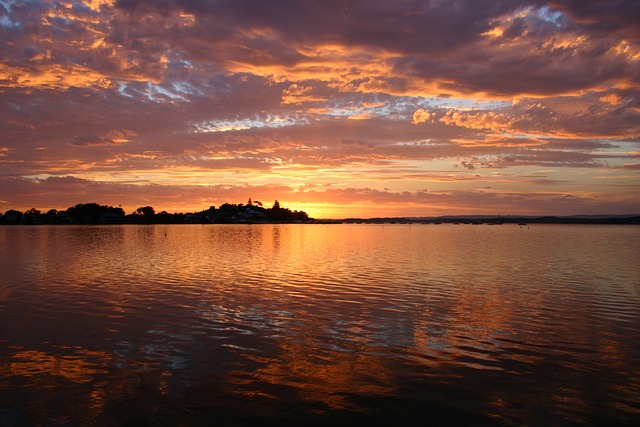
The Lake Has No Inflows and No Outflows and That Is Why It Glows Lake McKenzie on Fraser Island (K’gari) – a perched lake sitting above the water table, fed entirely by rainfall and filtered through pure silica sand – has no connection to any river, groundwater system, or sea. The water is extraordinarily clear, slightly acidic from the sand’s chemistry, and supports a...
read more
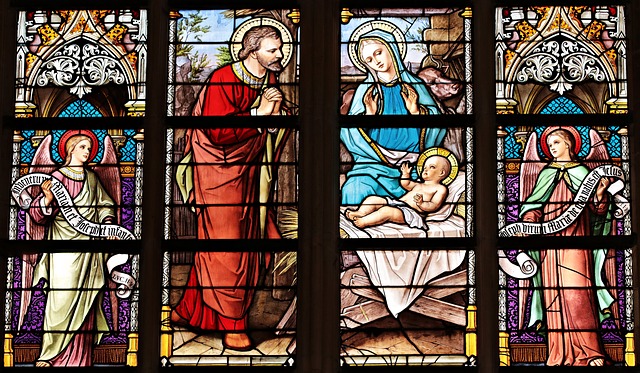
Church Of The Holy Sepulcher
The Church of the Holy Sepulchre: Sacred, Contentious, and Genuinely Strange There is a ladder on a ledge above the main entrance to the Church of the Holy Sepulchre that has not been moved since some time before 1852. It cannot be moved because no denomination that shares custody of the building can agree on who has jurisdiction over that particular ledge. This is not a historical curiosity. The...
read more
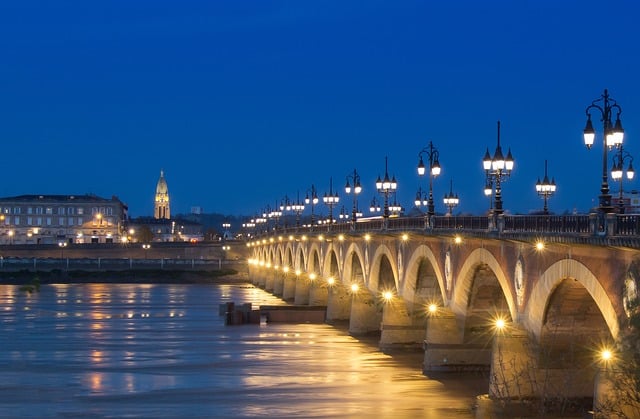
Millau Bridge, France
The Millau Viaduct: The Bridge That Goes Above the Clouds On autumn mornings in the Tarn Valley, a weather phenomenon occurs that justifies the Millau Viaduct’s most striking claim. Low cloud and mist settle in the valley floor, and the bridge deck floats above them in sunlight. The highest pylon top reaches 343 metres – 23 metres taller than the Eiffel Tower – and the road deck...
read more
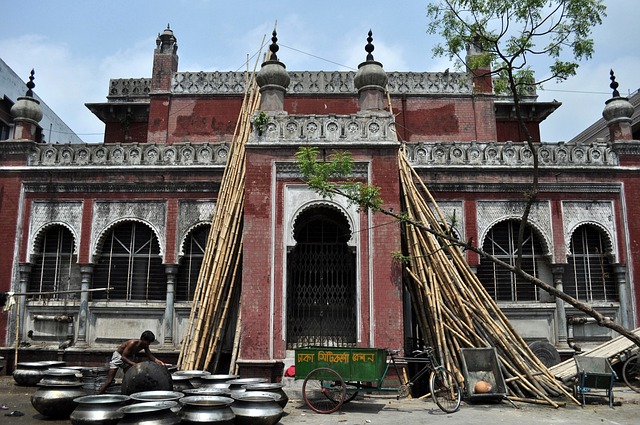
Old Dhaka
Old Dhaka Hasn’t Been Cleaned Up for Tourists, and That Is the Point Haji Biryani has been operating on Nazimuddin Road in Old Dhaka since the 1940s. They make one thing – kacchi biryani, mutton or beef slow-cooked with rice in a sealed clay pot over several hours – and they sell out by early afternoon most days. The queue outside in the morning is mostly local. The biryani costs...
read more
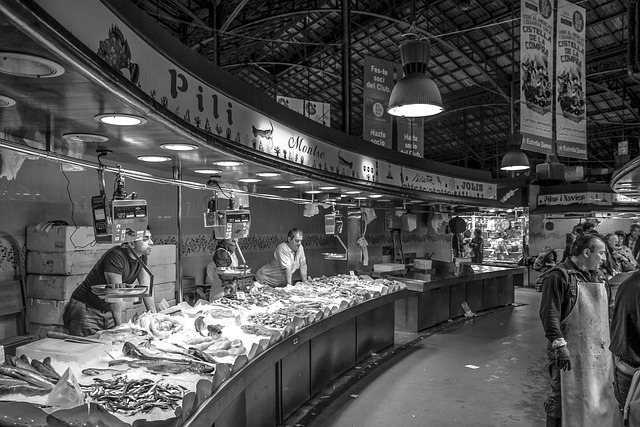
Tsukiji Fish Market, Japan
Tsukiji: The Inner Market Moved, the Outer Market Stayed, and That’s Fine The famous Tsukiji tuna auction moved to the new Toyosu Market in October 2018. Many articles about Tsukiji still describe it as if the auction is there. It is not. The wholesale seafood business now operates from Toyosu, 2.5 km to the south, where foreign visitor access to the famous auction requires a lottery ballot...
read more
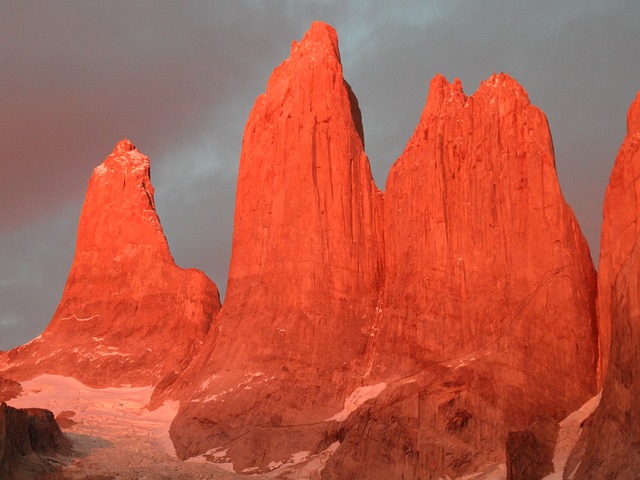
Torres Del Paine National Park
Torres del Paine: Book Six Months Out or Sleep Outside the Park Torres del Paine National Park occupies 181,414 hectares in the Magallanes region of Chilean Patagonia, roughly 80 kilometres north of Puerto Natales. The three granite towers that give the park its name rise to 2,850 metres and are, plainly, extraordinary. The weather in front of them, which can include sun, rain, snow, horizontal...
read more