Recent See Eat Do
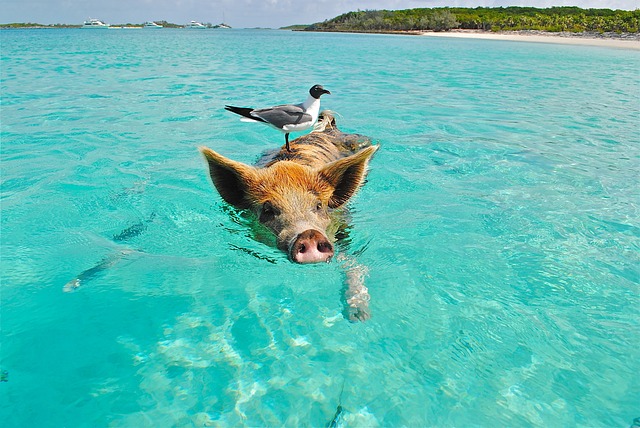
Feed Swimming Pigs in Exuma, the Bahamas.
The Swimming Pigs of Exuma: What the Photos Don’t Show Big Major Cay in the Exuma Cays is an uninhabited island in the southern Bahamas where a colony of domestic pigs lives on the beach and swims out to boats. The origin story is contested – sailors, a shipwreck, or (the most plausible version) a local entrepreneur who put pigs there for the tourism potential in the 1990s – and...
read more
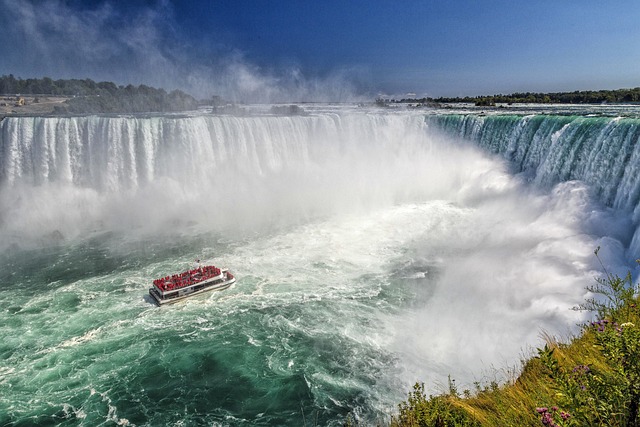
Niagara Falls Ontario Canada
Niagara Falls: The Canadian Side Is Better and Here Is Why The Niagara River carries the combined outflow of four Great Lakes northward and drops 57 metres at the falls. The US-Canada border runs through the middle of the river, and the falls are divided into three sections: the American Falls and Bridal Veil Falls on the US side, and the Horseshoe Falls on the Canadian side. Horseshoe Falls...
read more
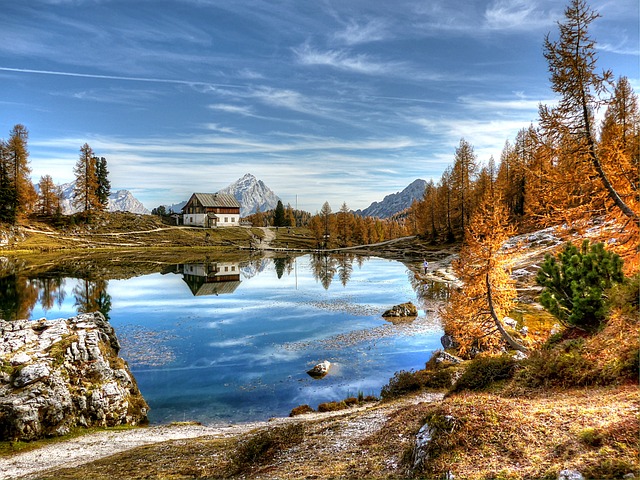
Salina, Italy
Salina: The Aeolian Island That Actually Has Enough Shade Salina is the greenest of the Aeolian Islands, which isn’t just a description of the colour but a statement about its character relative to its siblings. Lipari is the tourist hub. Stromboli has the active volcano. Vulcano has the sulphur smell. Salina has water – two volcanoes that trap moisture from passing clouds – and...
read more
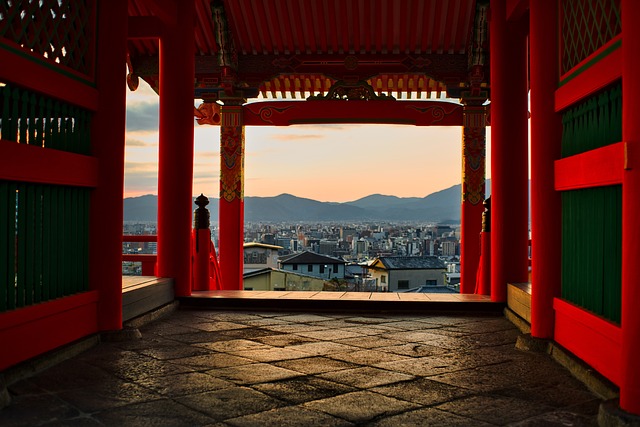
Kiyomizu Dera
The Phrase “Jumping Off the Stage at Kiyomizudera” Means Committing Fully to a Decision In Japanese, it is an idiom for going all in on something dangerous or irreversible. The phrase came from a historical practice: during the Edo period, people jumped from the main stage of Kiyomizudera as a test of faith or a plea to Kannon for wish-fulfillment. Historical records suggest the...
read more
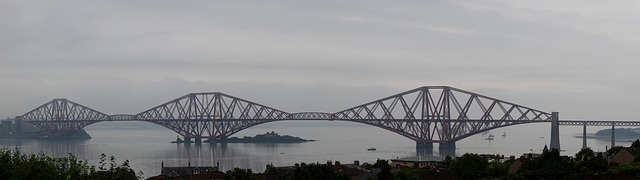
Forth Bridge
The Forth Bridge Was Built in Response to a Catastrophe On the night of 28 December 1879, the Tay Bridge – Scotland’s other great Victorian railway bridge – collapsed in a storm as a passenger train was crossing it. Seventy-five people died. The disaster was the defining engineering failure of Victorian Britain, and it shaped everything that came after. When construction began on...
read more
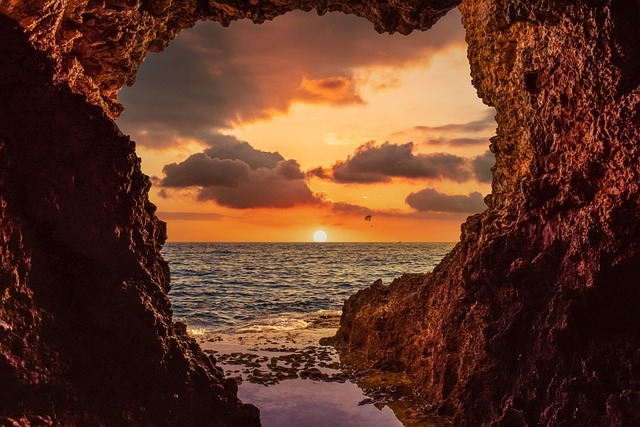
Blue Grotto Sea Cave Capri
Capri’s Blue Grotto: What Actually Causes the Light, and Why You Should Go Before 11am The Blue Grotto is roughly 60 metres long and 25 metres wide, with a ceiling 14 metres high at its tallest point. The cave cut into limestone cliffs on Capri’s northwestern shore has been generating philosophical commentary since the Roman emperor Tiberius kept a villa on the island – a recent...
read more
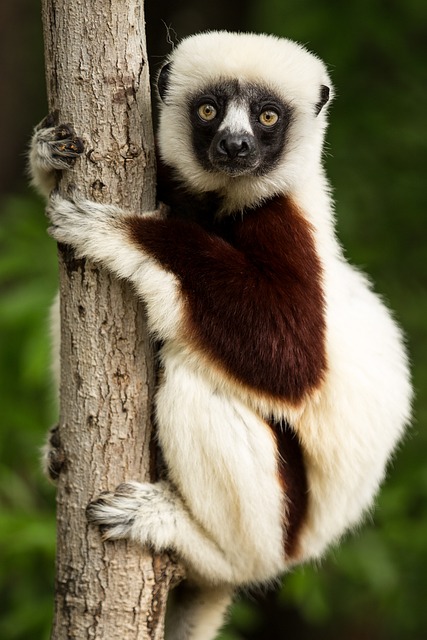
See Lemurs in Madagascar
Seeing Lemurs in Madagascar: Where, When, and How Not to Waste the Trip Before dawn in the Andasibe forest, the Indri starts. The call rises in a long, wailing territorial duet that carries several kilometres through the trees and is genuinely unlike any other wildlife sound on Earth. You hear it before you see the source – and when you do see them, two of the largest living lemurs perched...
read more
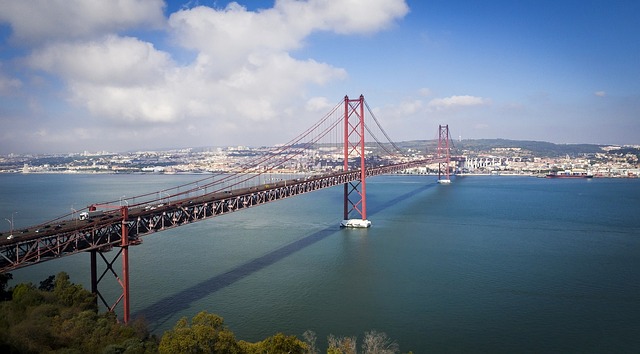
Ponte De Abril Bridge, Lisbon
The Bridge That Keeps Getting Mistaken for San Francisco The confusion is understandable. Both are suspension bridges with red-painted steel towers, dramatic towers rising from the water, long main spans, and an industrial grace that photographs nearly identically from the right angle. The reason they look alike is that the same firm built both: the American Bridge Company, working with US Steel,...
read more
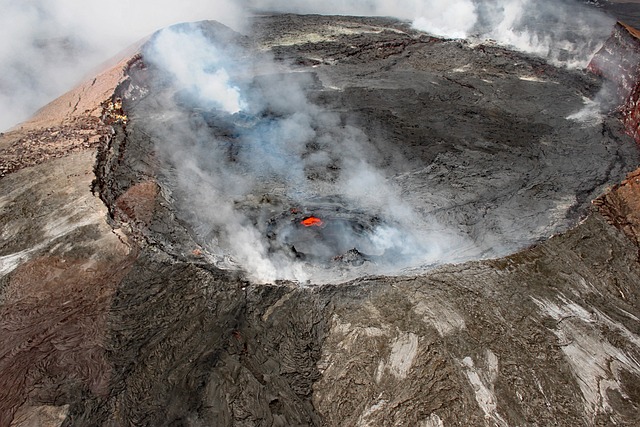
Hawaii Volcanoes National Park
Hawaii Volcanoes National Park: Kilauea Is Erupting Again, and the Timing Matters Kilauea began a new episodic eruption cycle at the Halemaumau crater on December 23, 2024 – one of the longest-running eruption sequences on record, with 48 documented eruption episodes by June 2026, more than any previous episodic fountaining eruption in recorded Hawaiian volcanic history. Individual episodes...
read more
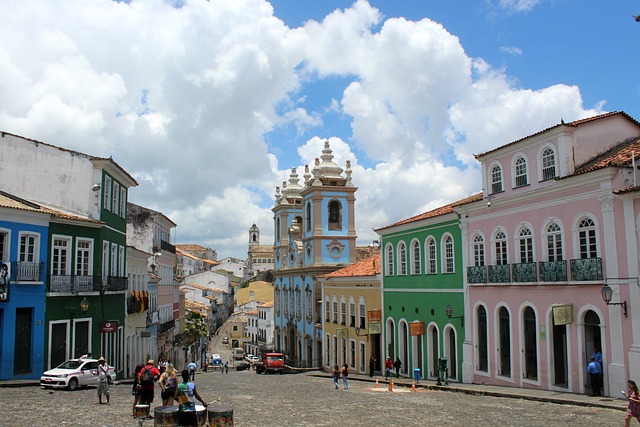
Pelourinho
Pelourinho: Salvador’s Old City and the History It Carries The name of the neighbourhood tells you what happened here. Pelourinho means “pillory” in Portuguese – the whipping post where enslaved people were publicly punished during the colonial era. Salvador da Bahia was the first capital of colonial Brazil and the largest entry point for enslaved Africans in the Atlantic...
read more
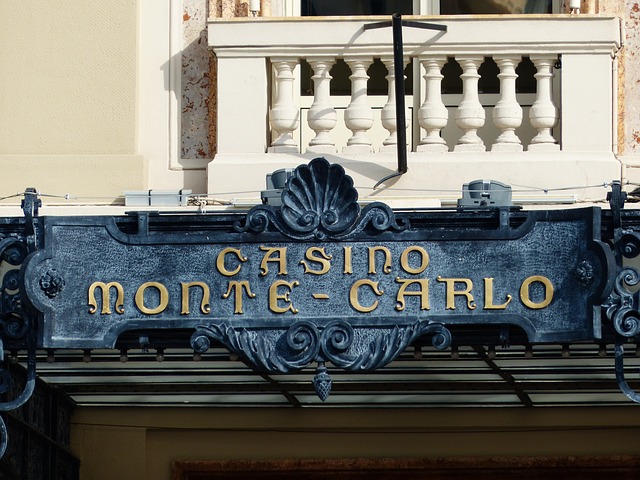
Monte Carlo Casino
Charles Garnier Built the Casino First and the Paris Opera Four Years Later The architect who gave France its most celebrated opera house designed the Casino de Monte-Carlo in 1863 as his warm-up act. Walking into the Place du Casino and seeing the two buildings side by side in your memory – the opera house on the Boulevard des Capucines, the casino on this Mediterranean terrace – the...
read more
Pompidue Center
The Centre Pompidou Is Closed Until 2030 and That Makes Now the Wrong Time to Read About It Casually The Centre Pompidou closed on 22 September 2025 for a five-year renovation. It will not reopen until 2030. If you are visiting Paris in 2026, the building is not accessible for its usual exhibitions and museum floors. The renovation – led by architects Moreau Kusunoki, with Frida Escobedo...
read more
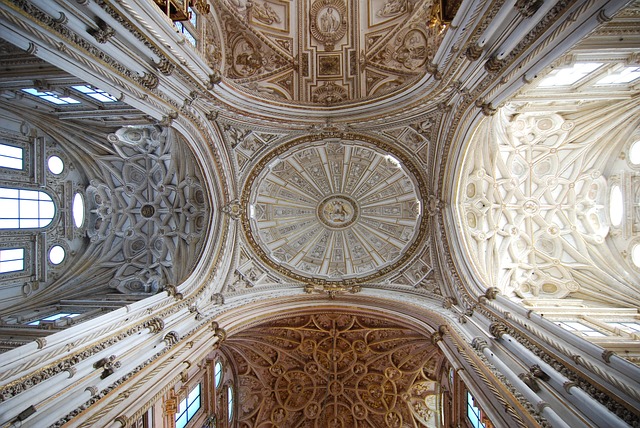
Great Mosque of Cordoba
The Mosque-Cathedral of Cordoba: One Building That Charles V Regretted When Charles V came to see the cathedral nave that had been inserted through the center of the Great Mosque’s interior in 1523, he is said to have told the chapter: “You have destroyed something unique to build something ordinary.” The story is possibly apocryphal, but it captures something true about the...
read more
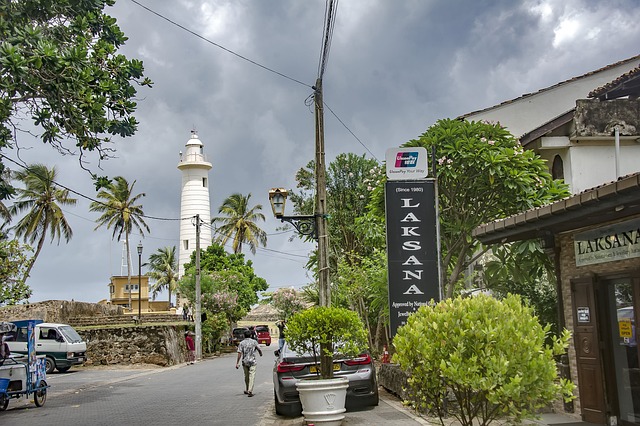
Galle Fort
The 2004 Tsunami That Killed 35,000 Sri Lankans Barely Touched Galle Fort The Dutch East India Company ramparts, built from 1649 onwards and reinforced over subsequent decades, deflected the waves that swept over the surrounding southwest coastline. The walls were designed to protect trade routes and colonial interests, not to serve as emergency flood defences 350 years later. But the engineering...
read more
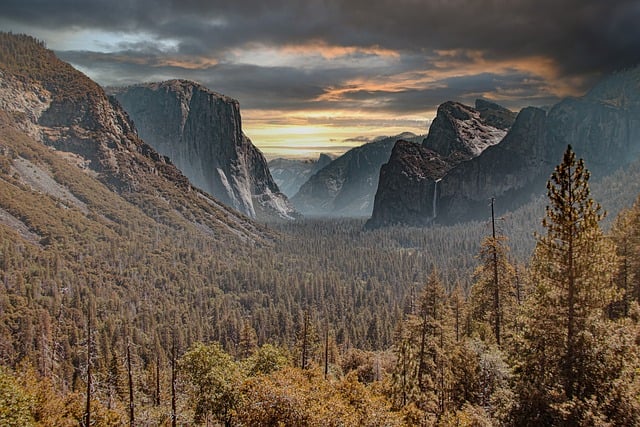
Jasper National Park
Jasper National Park: The Quieter Rockies, Caveat Noted Jasper National Park covers 11,000 square kilometres in the Alberta Rockies, about twice the size of Banff. They share the Icefields Parkway, a 230-kilometre road connecting the two towns and passing the Columbia Icefield midway. Most visitors to the Rockies do Banff. Jasper, two hours further north, has the same landscape quality with...
read more
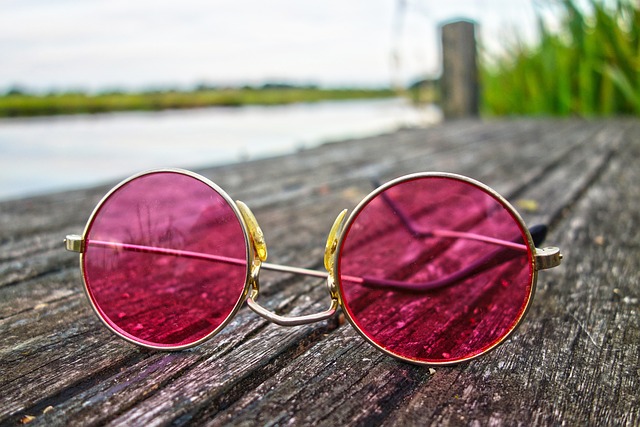
Lençóis Maranhenses
The Dunes Fill with Clear Blue Lagoons After the Rainy Season Lencois Maranhenses looks impossible in photographs: a vast field of white sand dunes, rolling like a frozen sea, each valley between dunes holding a pool of clear freshwater ranging from pale green to deep cobalt. The photographs are accurate. The explanation is geological rather than miraculous: the park receives heavy rainfall from...
read more
Parc National D´Andringitra
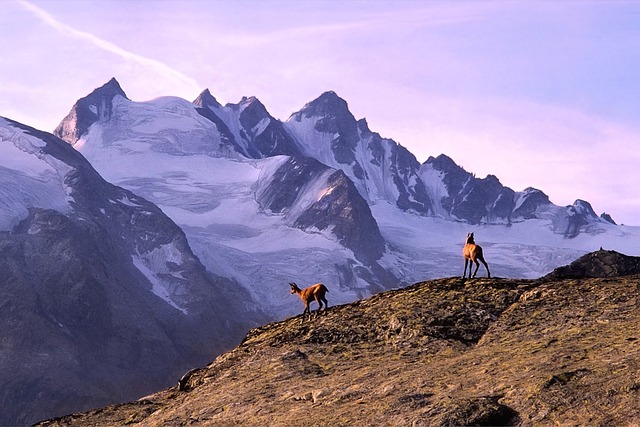
Andringitra: The Madagascar Highlands Most Visitors Miss Madagascar’s lemur-watching circuit – Isalo, Ranomafana, Andasibe – gets the tourist traffic. Andringitra National Park sits an hour south of Ambalavao in the southern highlands, and it gets a fraction of those numbers because it requires more effort to reach and makes fewer concessions to casual visitors. That combination...
read more
Pulau Sipadan Resorts
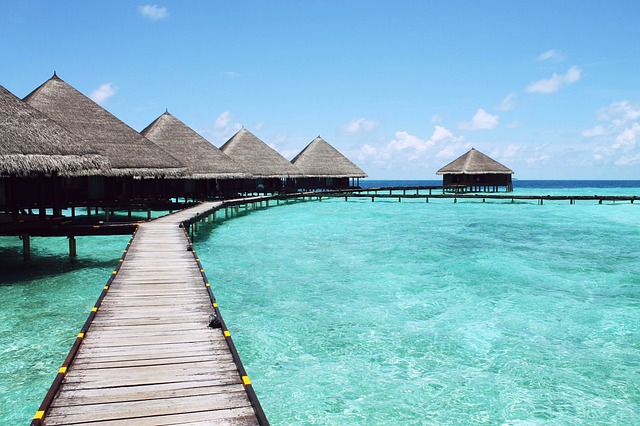
Nobody Actually Stays on Sipadan. The Last Resort Was Removed in 2004. Malaysia removed all resort infrastructure from Sipadan Island in 2004 to protect the marine environment. You sleep on the nearby islands of Mabul or Kapalai and take a 20-minute boat to Sipadan for your dives. This is the arrangement that keeps the reef in its current condition, and the reef is extraordinary.
Sipadan is a...
read more
Louvre Museum
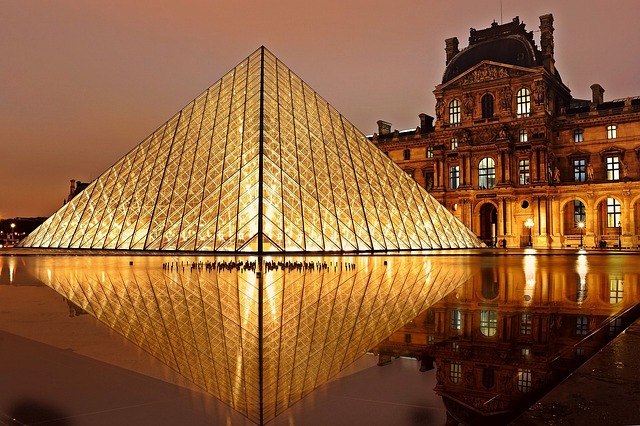
The Louvre Has 35,000 Works on Display. Most Visitors See Three of Them. That is an exaggeration but not much of one. The standard Louvre visit involves: queue at the pyramid entrance, walk directly to the Mona Lisa, stand six metres back in a crowd of several hundred people to see it, walk past the Winged Victory of Samothrace, leave. The museum has approximately 72,735 square metres of gallery...
read more
St Marks Basilica Campanile
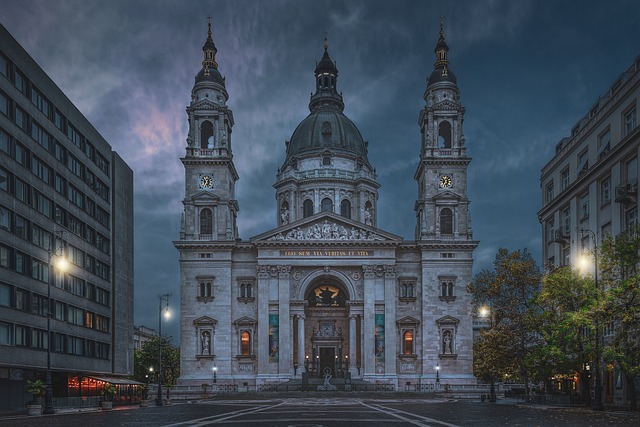
St Mark’s Basilica and the Campanile: Two Very Different Experiences They stand 50 metres apart on the same piazza but visiting them is not the same experience. The Basilica is one of the most complex interior spaces in European architecture, built over 11 centuries by a city that used it to display its wealth and piety simultaneously. The Campanile is a straight brick tower with a lift....
read more
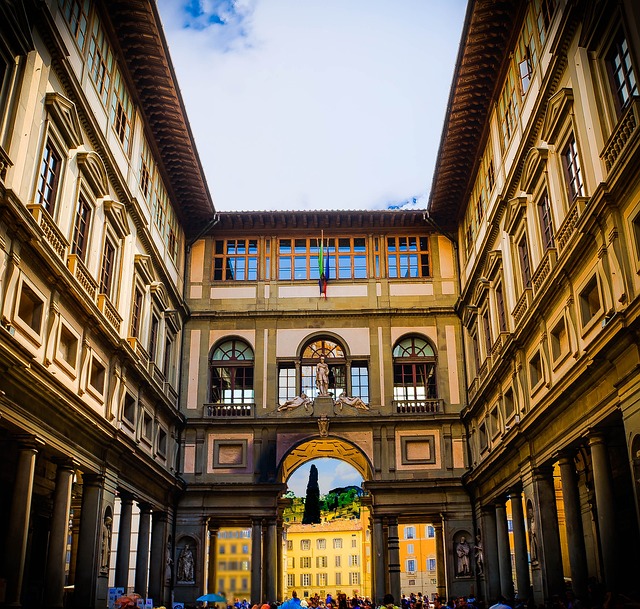
Uffizi Gallery
The Uffizi: Get Into the Botticelli Rooms Before 9am The Uffizi Gallery in Florence holds the two most important Botticelli paintings in existence, which is reason enough to organise a visit around access to rooms 10 through 14. Primavera (c. 1482) and The Birth of Venus (c. 1485) hang in the same large hall. If you know nothing else about Renaissance painting, these two works will make the visit...
read more
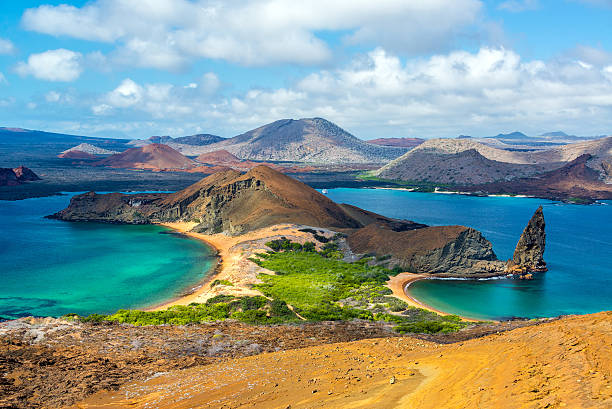
Galapagos Islands
The Galapagos: What No Nature Documentary Prepares You For The marine iguana shuffled across my feet. Not over them – across, weighed them, continued. This is the thing about the Galapagos that photographs and documentaries fail to communicate: the animals are not performing for you. They simply do not register humans as a threat. Sea lion pups try to play with your fins underwater....
read more
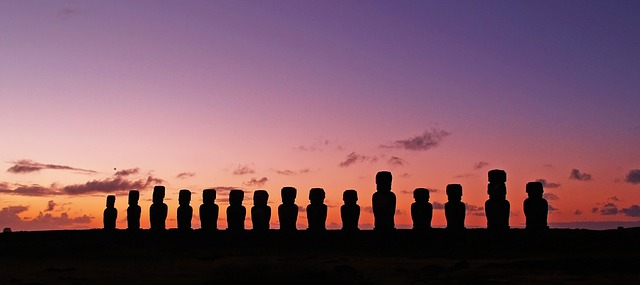
Easter Island, Chile
The Most Expensive Mistake You Will Make in South America Is Flying Over Easter Island That is the old joke among budget travellers, but most of them admit within 48 hours of landing that it was worth every peso. Easter Island – Rapa Nui in the indigenous language – sits 3,700 kilometres from the Chilean coast and 2,075 kilometres from Pitcairn, the nearest inhabited land. One of the...
read more
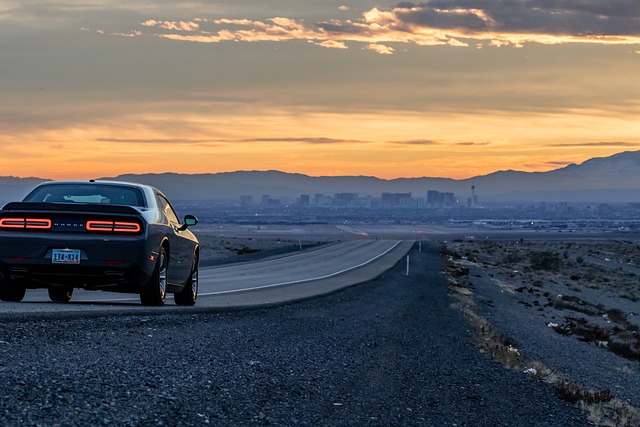
Las Vegas Strip
Las Vegas Spent $2.3 Billion Building a Spherical Concert Venue The Sphere at The Venetian opened in September 2023 after five years of construction – a 111-metre-tall spherical building covered in the world’s largest LED display screen on the outside and the world’s largest LED screen on the inside. Residencies in 2026 include the Eagles, Metallica, No Doubt, and Kenny Chesney....
read more
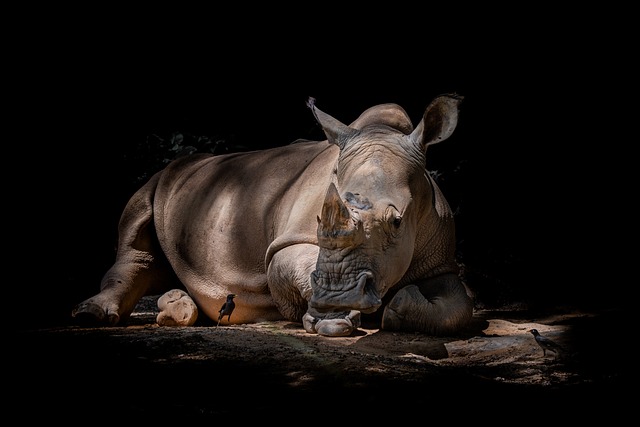
Dal S Rhinoceros Marbella
Dali Spent Years Studying Rhinoceros Horns. The Bronze One in Puerto Banus Is the Best Reason to Stop There. Salvador Dali’s obsession with the rhinoceros horn was not the whimsy it appears to be. From the early 1950s onward, he spent several years photographically and mathematically analysing natural forms that break down into logarithmic spirals – sunflowers, cauliflower heads, and...
read more
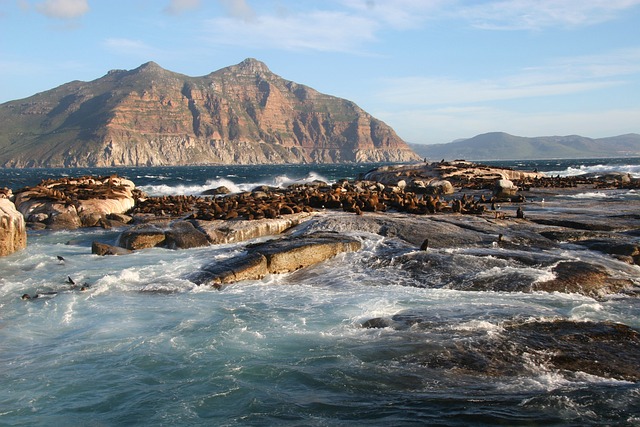
Robben Island, South Africa
The Guide Was There That is the thing that distinguishes Robben Island from every other apartheid-era historical site in South Africa. When your guide walks you into the Maximum Security Prison and shows you an isolation cell, it is not a reconstruction and he is not describing someone else’s experience. The tour of Robben Island is conducted by former political prisoners who were...
read more
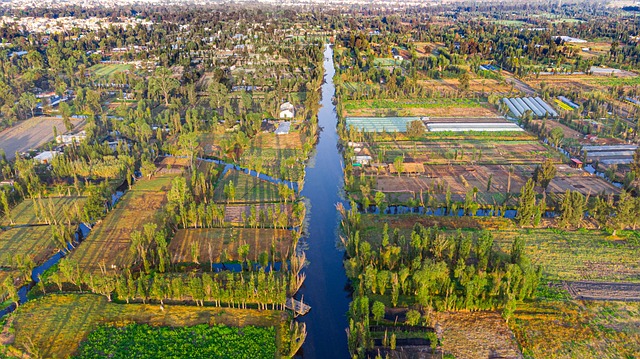
Xochimilco
Xochimilco: The Aztec Canal System That Survived the Drainage of the Lake When the Spanish arrived at Tenochtitlan, the Aztec capital sat on an island in a lake. The city was connected to the mainland by causeways and the lake was criss-crossed by canals with chinampas – artificial islands built from layered aquatic vegetation and lake mud over woven reed frames – used for intensive...
read more
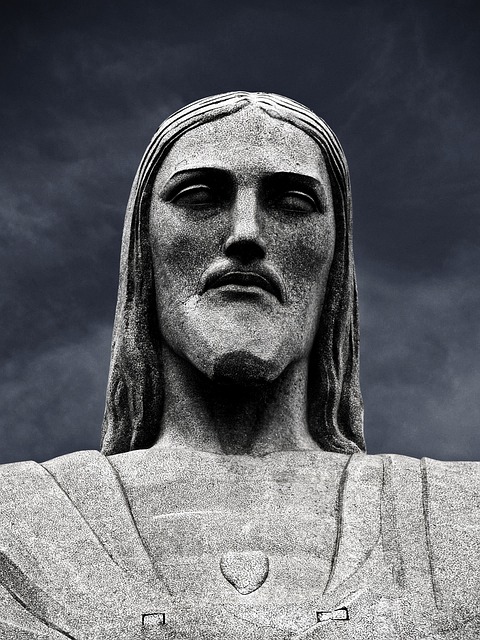
Christ the Redeemer
Cristo Redentor: The One Monument That Justifies the Hype The summit of Corcovado Mountain on a clear morning is one of the few tourist landmarks that delivers in excess of what you expect. The photographs are already familiar – the outstretched arms against blue sky, the city spreading in every direction below – but the scale, the 360-degree reality of Rio at your feet, and the...
read more
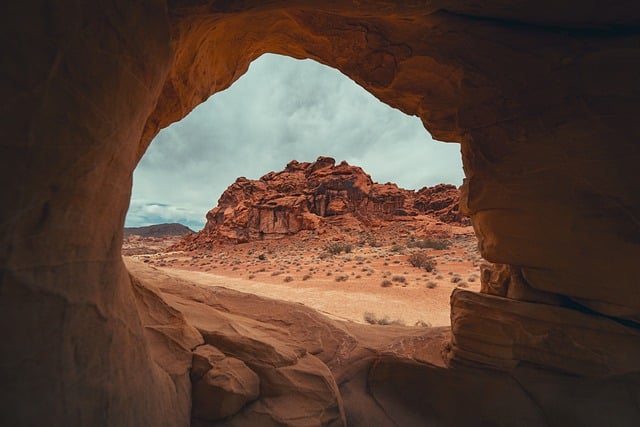
Postojna Cave
Postojna Cave: You Board a Train Inside the Mountain The tour of Postojna Cave begins with a three-minute ride on a narrow-gauge electric railway that carries visitors 2 kilometres into the limestone mountain. This is not a detail or an analogy. You board a small train at the cave entrance, and it moves at a moderate speed through passages of stalactites and stalagmites in the dark before...
read more
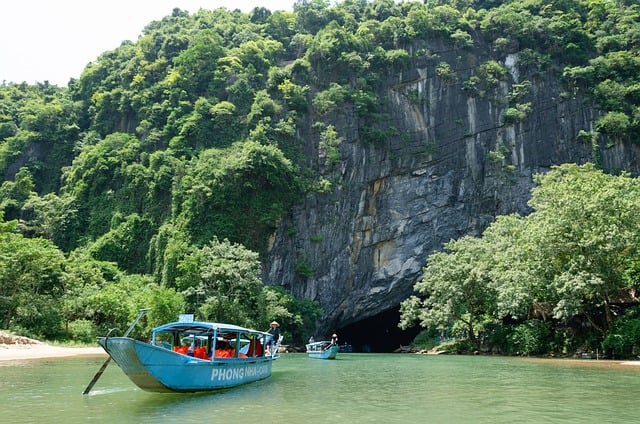
Phong Nha Ke Bang National Park
Son Doong: The Cave You Probably Won’t Get Into Oxalis Adventure sells 1,000 slots per year for Son Doong Cave expeditions. New dates are released in late January and sell out within hours. The tour costs USD 3,000 per person for a four-night, five-day expedition, is capped at 10 participants per group, and requires climbing a 90-metre calcite flowstone wall and wading through underground...
read more
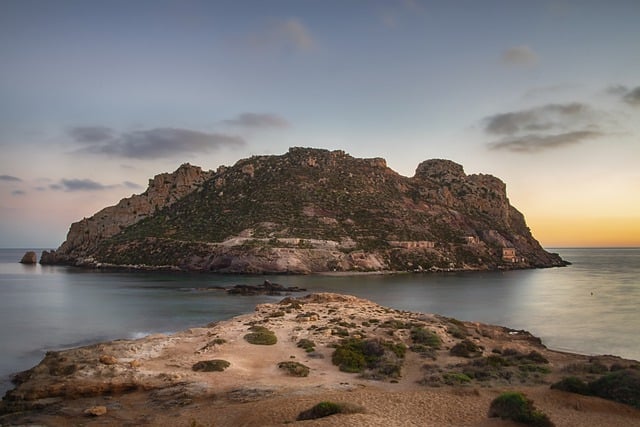
Necker Island
Necker Island: $78,000 a Night and What You Get For It Richard Branson bought Necker Island in 1978 for £180,000. It was a 74-acre uninhabited island in the North Sound of the British Virgin Islands with no fresh water and no buildings. He was told it was worth £3 million. He offered £175,000, was refused, came back with £180,000, and got it on the condition he develop it within five years or the...
read more
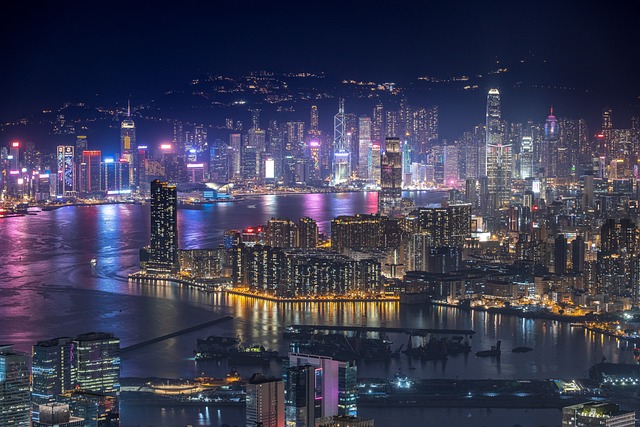
The Peak Hong Kong
The Peak Tram Has Been Running Since 1888 That specific fact – Victoria Peak’s funicular railway opened in 1888, making it one of the oldest cable railways in Asia – reframes the visit slightly. The steep climb to 552 metres on Hong Kong Island, looking north across Victoria Harbour toward Kowloon, was being done by visitors on the same track when this was still a British colony...
read more
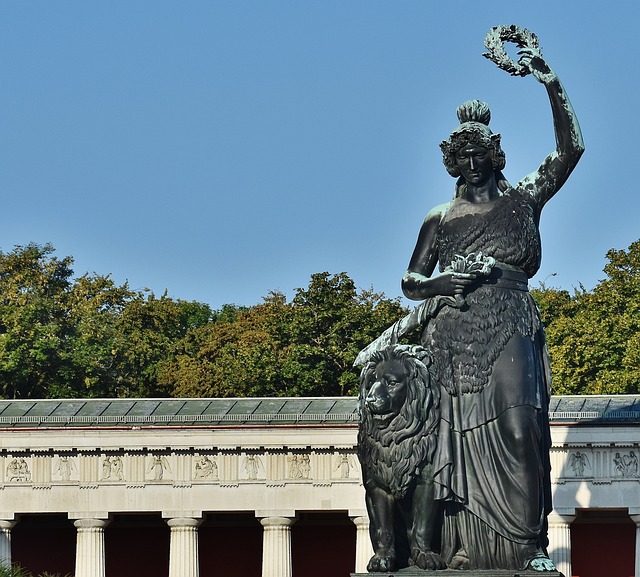
Theresienwiese
Theresienwiese: Munich’s Biggest Open Field and Two Weeks of Controlled Chaos Oktoberfest began as a horse race. Crown Prince Ludwig of Bavaria married Princess Therese of Saxony-Hildburghausen in October 1810, the public was invited to watch horse races on the field outside the city gates, and that single event became a tradition that has run for over two centuries, growing into something...
read more
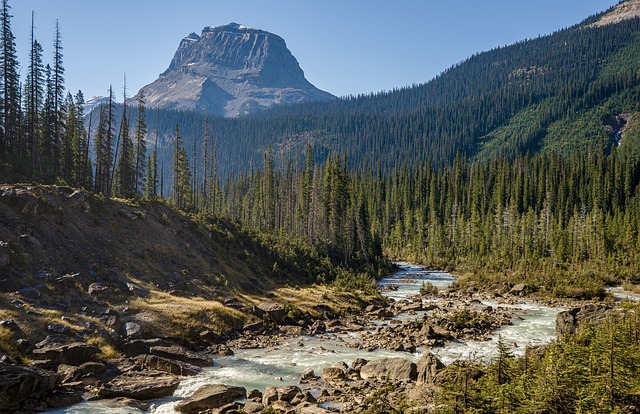
Haida Gwaii, British Columbia
Getting to Haida Gwaii Takes Effort and That Is Precisely the Point The archipelago of around 150 islands sits 130 kilometres off the northern British Columbia coast. Access is by BC Ferries from Prince Rupert (an 8-hour sailing) or by small prop flights from Prince Rupert or Vancouver. Prince Rupert itself is 14 hours by train from Prince George or a flight from Vancouver. None of this is casual....
read more
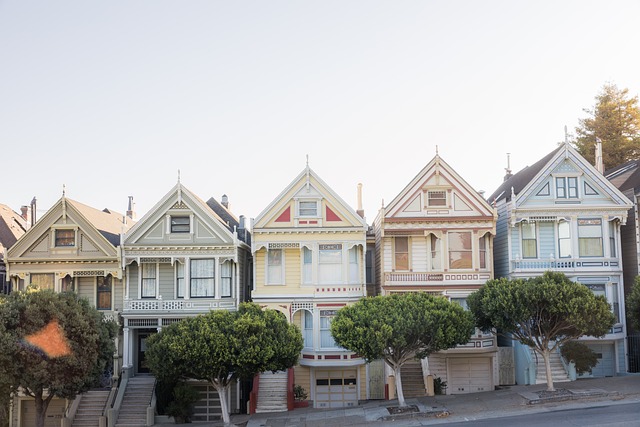
Pier , San Francisco
Pier 39 and Fisherman’s Wharf: Three Things Worth Your Time and Why Everything Else Isn’t Pier 39 is the most visited tourist destination in San Francisco. It is also, at its core, a two-storey shopping mall on stilts over the bay with primarily interchangeable souvenir outlets. Knowing this going in saves you from spending your afternoon there when you should be somewhere else. But...
read more
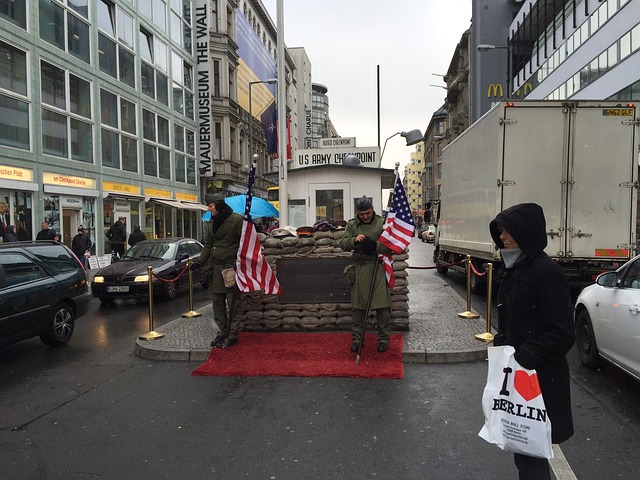
Checkpoint Charlie Berlin
Checkpoint Charlie: The Site Is Disappointing; the History Is Not Checkpoint Charlie – the Allied crossing point between West and East Berlin at the corner of Friedrichstrasse and Zimmerstrasse – was demolished in June 1990. What stands there now is a replica booth, two actors in Cold War military uniforms offering photos for tips, a commercial souvenir market on the pavement, and the...
read more
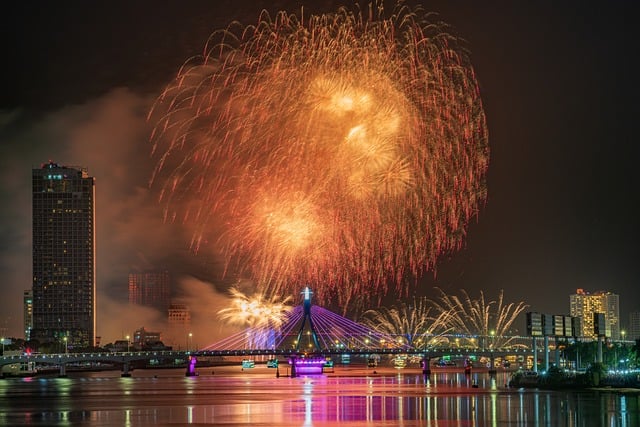
Danang to Hue Vietnam
The Expressway Tunnel Bypasses One of Southeast Asia’s Better Drives Most bus and train passengers travelling between Danang and Hue take the modern expressway tunnel that cuts through the mountain and deposits them in the next city without ceremony. This is efficient and devoid of the reason to make the trip. The Hai Van Pass road, which climbs over a 496-metre coastal mountain before...
read more
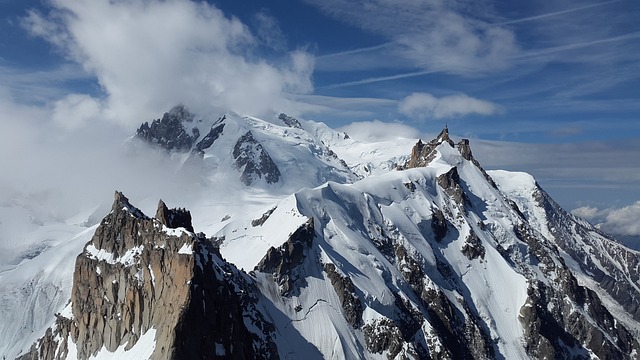
Aiguille Du Midi, France
At 3,842 Metres You Are Looking Down at Mont Blanc’s Shoulders Mont Blanc is the highest peak in western Europe at 4,808 metres. Standing on the Aiguille du Midi summit platform, you are 966 metres below the top of it, but you are also surrounded by the mountain in a way that no lower viewpoint provides. The Mer de Glace glacier flows below you to the north. The Italian Alps are visible to...
read more
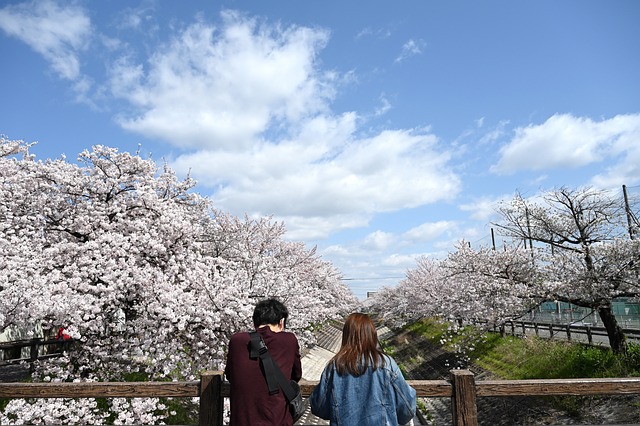
Lovers Bridge
Pembrokeshire’s Quietest Bridge and Why It Deserves 90 Minutes Nobody is certain how long the Old Bridge over the Eastern Cleddau at Llangwm has been called Lovers’ Bridge. The official name is flatly descriptive; the local name tells you something about the place’s function in the community’s imagination, which is the more useful information. The bridge is stone, medieval...
read more
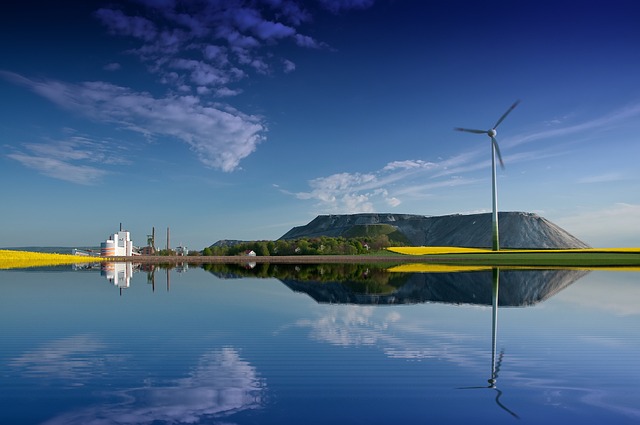
Wieliczka Salt Mine
Wieliczka Salt Mine: Nine Levels of Salt Carved History The Wieliczka Salt Mine is 14 kilometres south-east of Kraków, has been continuously mined since the 13th century, extends to nine levels reaching 327 metres underground, and contains 300 kilometres of passages. The tourist route covers about 3 kilometres of those passages, descending to the third level at 135 metres depth. The journey takes...
read more
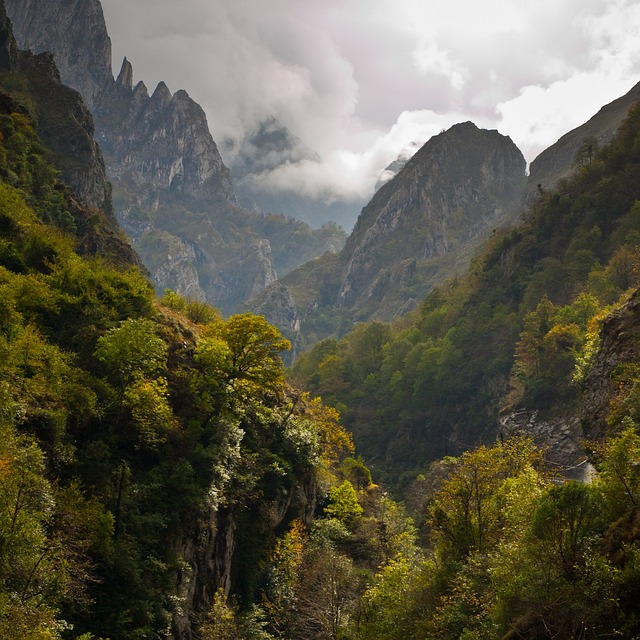
Picos De Europa
Picos de Europa: The Mountain Range That International Tourism Forgot The Picos de Europa sit 20 kilometres from the northern coast of Spain: a compact limestone massif straddling Asturias, Cantabria, and Castilla y Leon that rises to 2,648 metres at the Torre de Cerredo. That’s lower than the central Pyrenees and dramatically lower than the Alps, but elevation doesn’t tell the story...
read more
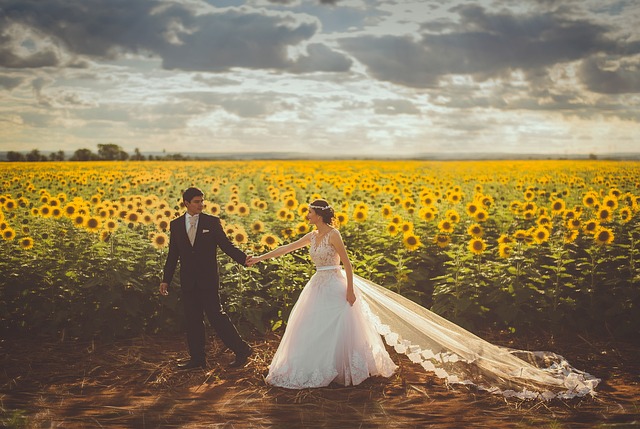
Groom Lake, Nevada
Area 51 and the Extraterrestrial Highway: What’s Actually Out There The U-2 reconnaissance aircraft, the SR-71 Blackbird, and the F-117 stealth fighter were all developed and tested at the US Air Force installation on the shore of Groom Lake, a dry lakebed in the Nevada desert 150 kilometres northwest of Las Vegas. None of that is disputed or classified anymore. The UFO mythology that grew...
read more
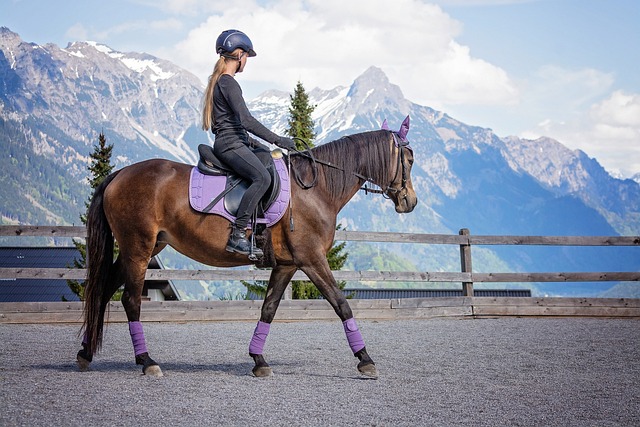
Spanish Riding School
A Lipizzaner Takes Six to Eight Years to Train and the Rider Alongside It Takes the Same Amount of Time The Spanish Riding School in Vienna is the oldest continuously operating classical riding school in the world. It has occupied the same baroque riding hall inside the Hofburg Imperial Palace since 1729, when the Winter Riding School was completed for Emperor Charles VI. The hall’s white...
read more
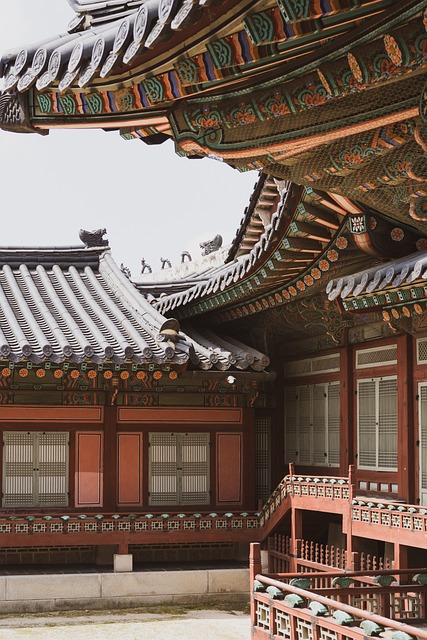
Everland Gyeonggi Do South Korea
Everland: South Korea’s Biggest Theme Park, and How to Actually Enjoy It Skip the gate price. Everland’s standard admission costs KRW 59,000 at the entrance, but third-party platforms like Klook sell the same ticket for around KRW 39,000. That gap is significant enough to justify five minutes with your phone before you leave Seoul. The park in Yongin, Gyeonggi Province, is about an...
read more
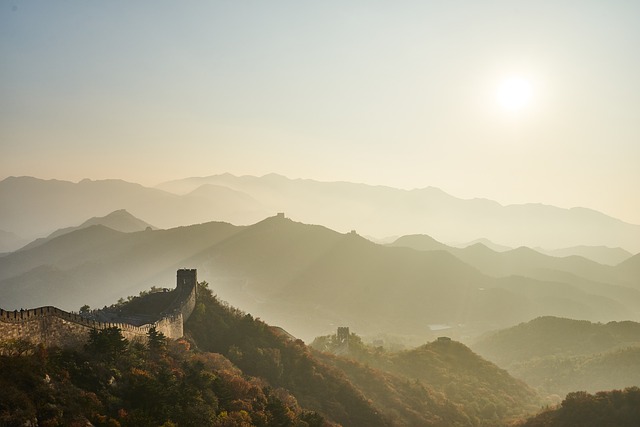
Great Wall, China
The Great Wall Is Not One Wall and Badaling Is Not the Best Way to Understand That The Great Wall of China is a collection of walls, watchtowers, trenches, and fortifications built across approximately 2,300 years by various Chinese states and dynasties. The total length of all segments across all dynasties is approximately 21,000 kilometres. The iconic sections that most visitors see –...
read more
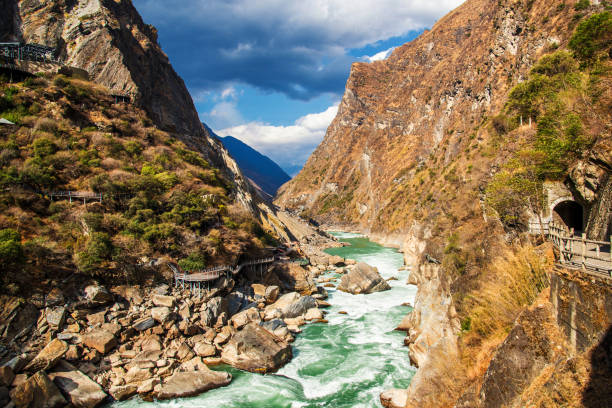
Tiger Leaping Gorge China
Tiger Leaping Gorge: One of the Deepest Gorges on Earth and Worth Every Switchback Tiger Leaping Gorge has a vertical relief of approximately 3,900 metres from the Yangtze River to the summit of Jade Dragon Snow Mountain. The river drops through a gap between two peaks – Jade Dragon Snow Mountain and Haba Snow Mountain – and the high trail above it runs two days through terrain where...
read more
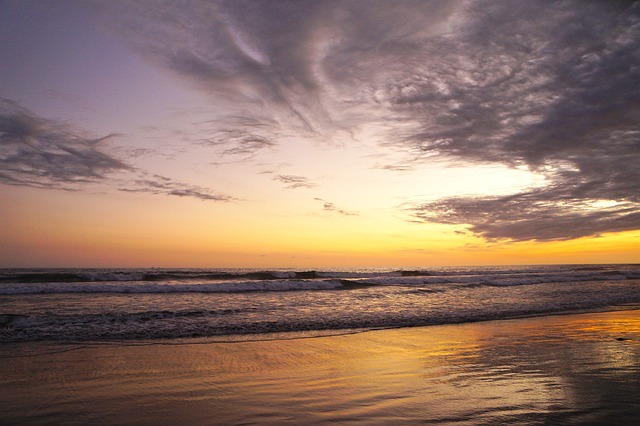
Ruta De Las Flores El Salvador
El Salvador’s Most Overlooked 36 Kilometres El Salvador remains one of Central America’s least-visited countries by international tourists, which means the Ruta de las Flores is still mostly a Salvadoran weekend destination rather than a foreign-tourist circuit. On a Saturday morning in Juayua, you are sharing the central park food festival primarily with families from San Salvador,...
read more
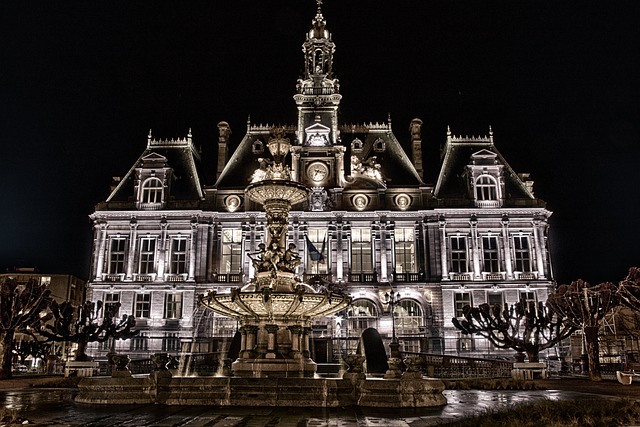
Town Hall Square Pamplona
Pamplona’s Plaza Consistorial: Where the Encierro Begins The Plaza Consistorial is Pamplona’s town hall square, a compact baroque space anchored by the 18th-century Ayuntamiento (town hall) building with its ornate neoclassical facade. For eleven months of the year it is a normal city square with outdoor cafe tables, pigeons, and people crossing on their way somewhere else. During the...
read more
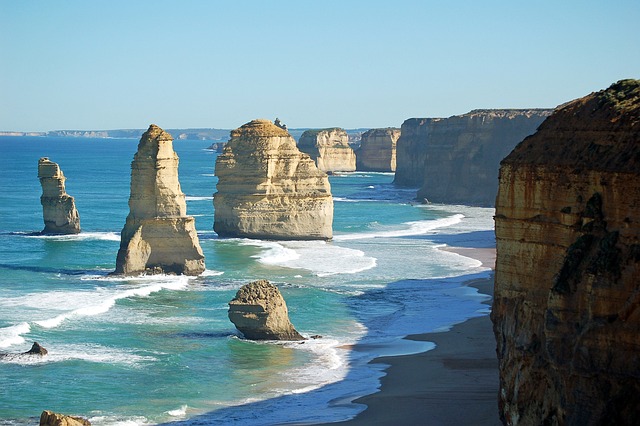
Apostles Great Ocean Road
The Twelve Apostles: Fewer Than the Name Promises, More Than You Expect There were never twelve of them. When sealers first worked this stretch of Victorian coastline, they called the limestone stacks the “Sow and Piglets.” The tourism industry renamed them the Twelve Apostles in 1922 to make the drive from Melbourne worth marketing, and the name was always generous. Today, after...
read more
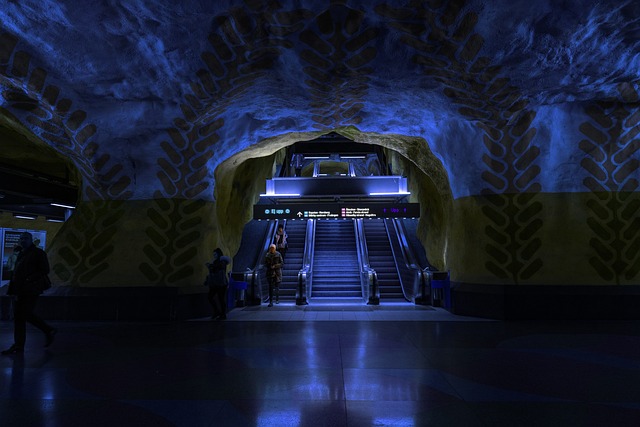
Stockholm City Hall
Stockholm City Hall: The Nobel Banquet Room, the Golden Hall, and What Visitors Can Actually See Stockholms Stadshus (Stockholm City Hall) is a brick building completed in 1923 on the island of Kungsholmen, beside the water where the Riddarfjarden bay meets Lake Malaren. The architect was Ragnar Ostberg and the building took 12 years to construct. It is considered one of the finest examples of...
read more