Recent See Eat Do
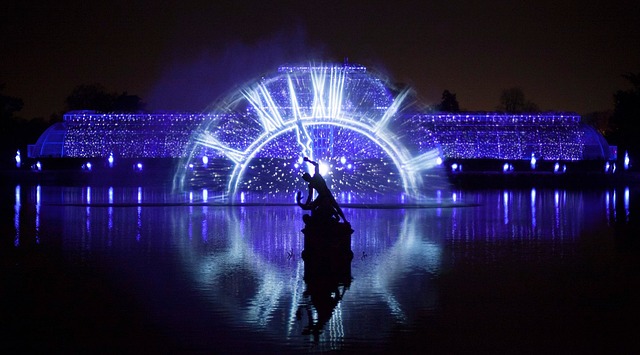
Kew Gardens
The World’s Most Important Garden Is in Zone 3 The Royal Botanic Gardens, Kew holds the world’s largest collection of living plants. It also runs the Millennium Seed Bank at Wakehurst in West Sussex, which has banked seeds from over 40,000 plant species from 190 countries, representing roughly 15 percent of the world’s wild plant species. Some of those seeds belong to plants that...
read more
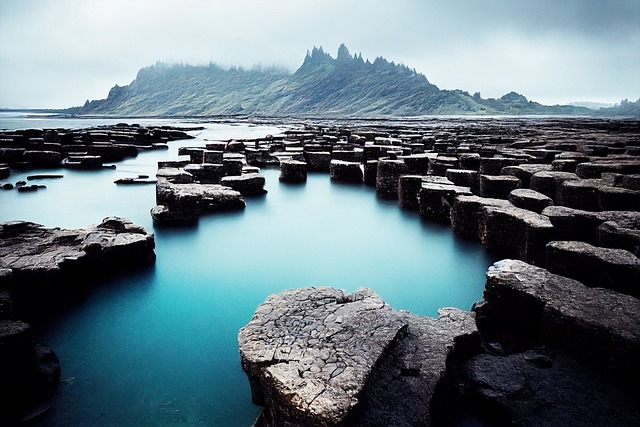
Giants Causeway
40,000 Columns of Basalt, One Thermal Contraction Crack at a Time Sixty million years ago, when Ireland was still physically attached to North America before the continents finished separating, a sequence of lava flows poured across the north Antrim coast. As each flow cooled from above and below, thermal contraction cracked the surface in a geometric pattern that propagates downward, producing...
read more
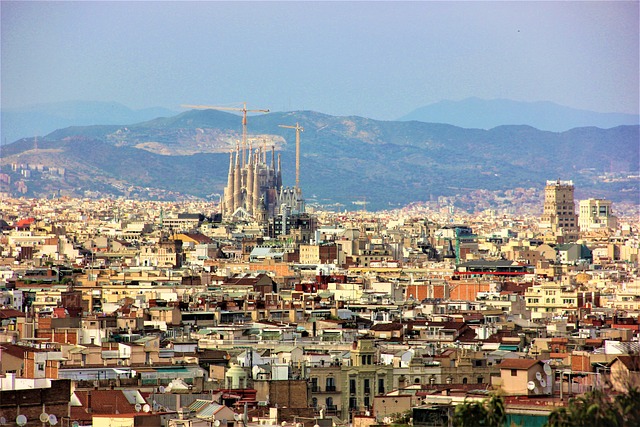
Sagrada Família
The Church That Funded Itself with Tickets and Never Took a Euro of Public Money Antoni Gaudi died in June 1926, struck by a Barcelona tram and initially unrecognised because he dressed so poorly that bystanders assumed he was a beggar. He had spent the last twelve years of his life living on the Sagrada Familia construction site, absorbed entirely by the project. At his death, roughly a quarter...
read more
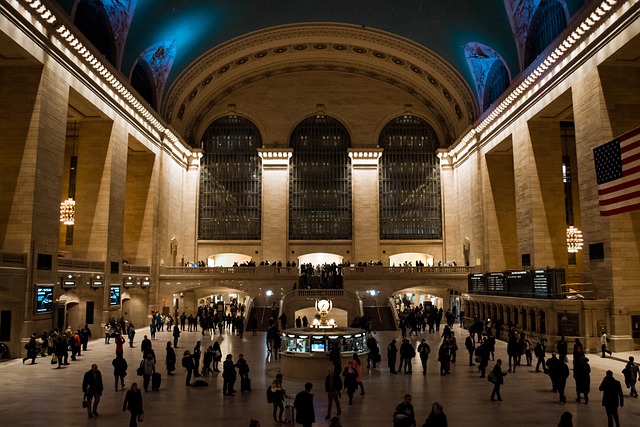
Grand Central Terminal, New York City
The Ceiling Is Wrong, and That Is the Best Thing About It The star map on the ceiling of Grand Central Terminal’s Main Concourse is painted backwards. The constellations are shown as they would appear from outside the celestial sphere, looking down at the heavens from God’s point of view rather than from the Earth looking up. This was not a mistake by the 1912 painters; it followed an...
read more
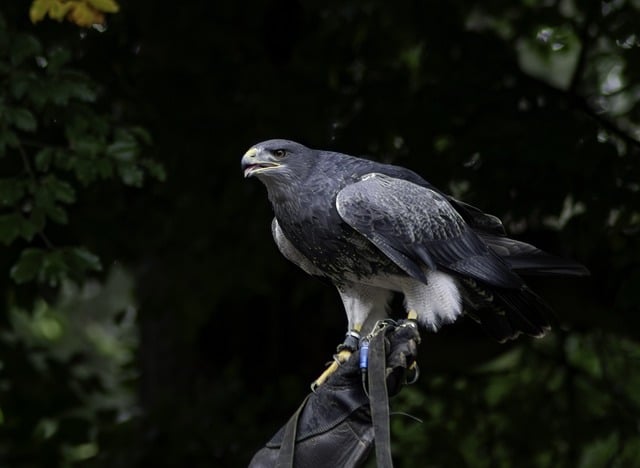
Cordillera Terraces, Philippines
The Cordillera Rice Terraces: Rethinking the “2,000-Year-Old” Claim Nearly every travel guide repeats it: the Ifugao rice terraces are 2,000 years old. Recent archaeology has complicated that significantly. Studies from the Ifugao Archaeological Project suggest the wet-rice terracing system may have been constructed much closer to 400 years ago, developed as a response to Spanish...
read more
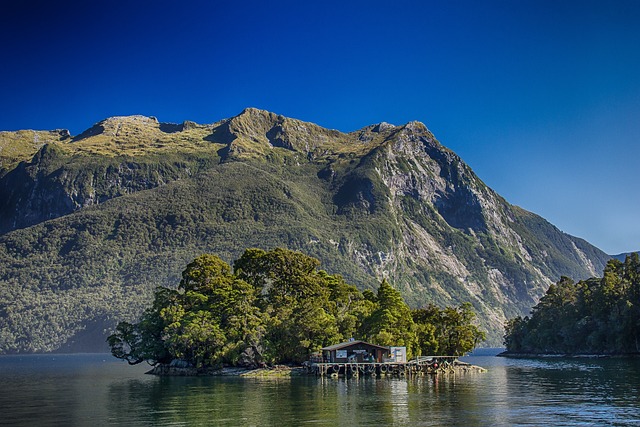
Doubtful Sound
Captain Cook Wouldn’t Go In. That Instinct Preserved It. When James Cook anchored off the entrance in 1770, he recorded the inlet as “Doubtful Harbour” because he doubted whether a sailing ship could get back out against the prevailing westerly wind. He was probably right, and his reluctance to enter meant that Doubtful Sound remained uncharted and largely unvisited for another...
read more
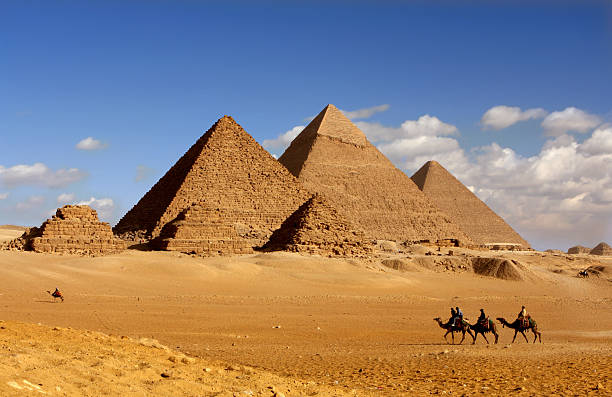
Pyramids of Giza
The Workers Who Built Khufu’s Pyramid Got Paid in Beer In 2013, a French archaeological team discovered a papyrus logbook at the Red Sea harbour of Wadi el-Jarf, the oldest papyri ever found. The author was an official named Merer, who supervised a team transporting Tura limestone to Giza during Khufu’s reign around 2560 BCE. His diary describes his workers receiving regular rations of...
read more
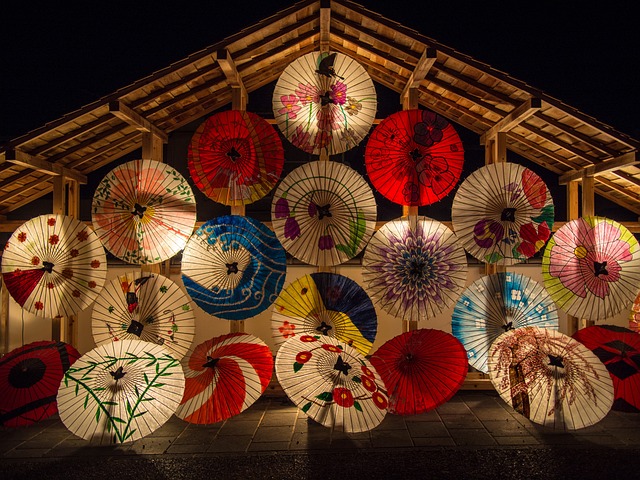
Japanese Ryokan, Japan
The World’s Oldest Hotel Is a Ryokan and Has Been Run by the Same Family for 52 Generations Nishiyama Onsen Keiunkan in Yamanashi Prefecture opened in 705 AD and holds the Guinness World Record for the world’s oldest operating hotel. The second-oldest hotel in the world is also a ryokan: Hoshi Ryokan in Ishikawa Prefecture, founded in 718 AD. These are not historical footnotes. They...
read more
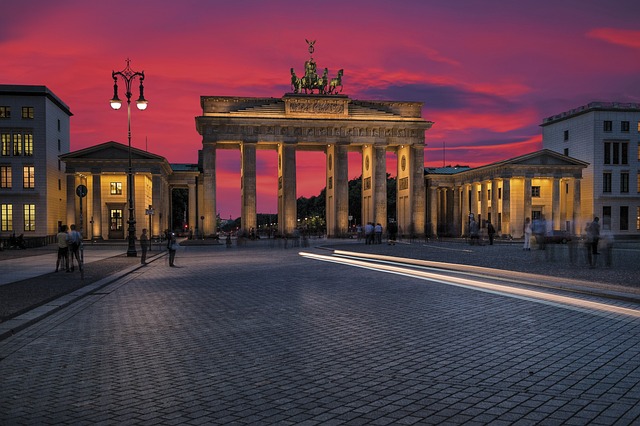
Brandenburg Gate
The Brandenburg Gate: Berlin’s Most Misread Monument Napoleon rode through it on 27 October 1806, ordered the bronze Quadriga on top shipped to Paris as a trophy, and then – by most accounts – promptly forgot about the statue. It sat in a Paris storehouse for eight years while his empire unravelled around him. When Prussian troops returned it to Berlin in 1814, the figure...
read more
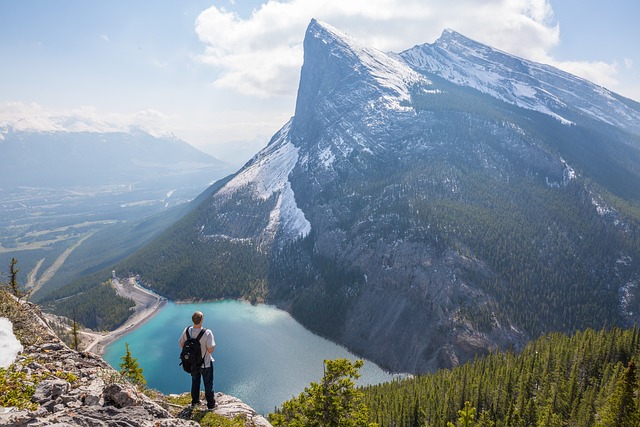
Canadian Rockies
Book the Shuttle First, Plan Everything Else Second The single most important thing to know before visiting Moraine Lake is that you cannot drive there. Personal vehicles have been banned from the Moraine Lake road since 2023. Access is by Parks Canada shuttle only, and the 2026 season sold out its April pre-release in minutes. The remaining 60% of tickets drop on a rolling 48-hour window at 8 am...
read more
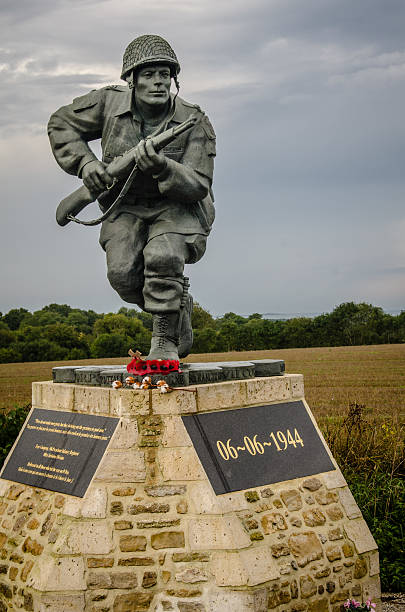
D-Day Beaches, American Cemetary
What Omaha Beach Looked Like Before Anyone Knew It Would Be Called Omaha Beach In January 1944, General Omar Bradley was shown sand samples collected by Royal Engineers who had made more than thirty clandestine missions to the Normandy coast by midget submarine. The engineer briefing him concluded: “Sir, I hope you don’t mind me saying it, but this beach is a very formidable...
read more

Le Cimetière de Père Lachaise
The Cemetery That Paris Tried to Ignore, Then Could Not Stop Visiting When Père Lachaise opened in 1804, Parisians refused to use it. The site was too far from the city, the ground was not consecrated, and Roman Catholics were suspicious of a cemetery that had been designed by a civil architect rather than a priest. In its first years, it recorded barely 13 burials. The city’s solution was...
read more
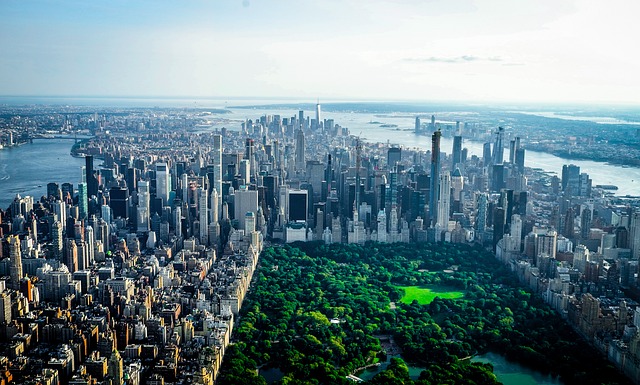
Central Park
843 Acres Engineered to Look Wild Central Park’s greatest design trick is that it looks natural. The rolling meadows, rocky outcrops, woodland paths, and meandering lake were not found but built, on a rectangle of swampy, uneven Manhattan terrain, beginning in 1858. Frederick Law Olmsted and Calvert Vaux won the design competition with their “Greensward Plan,” which beat out 32...
read more
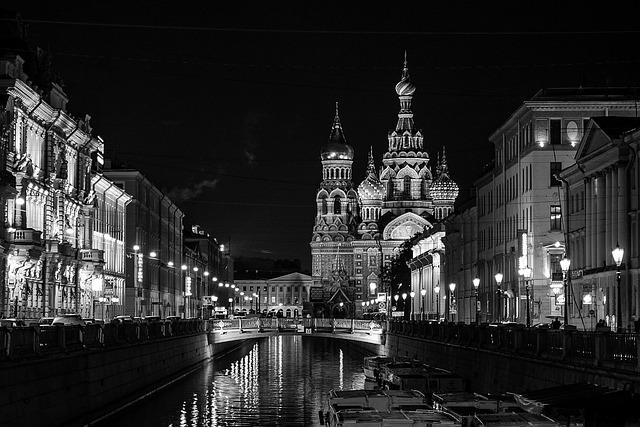
Church of Our Savior on Spilled Blood, St. Petersburg
The Church That Survived Being a Potato Warehouse During the Soviet period, the Church of the Savior on Spilled Blood served successively as a morgue during the Siege of Leningrad, a set-storage facility for the Maly Opera Theatre, and a warehouse for potatoes and other vegetables. Locals nicknamed it “the Savior on Potatoes.” That this building, which contains more than 7,500 square...
read more
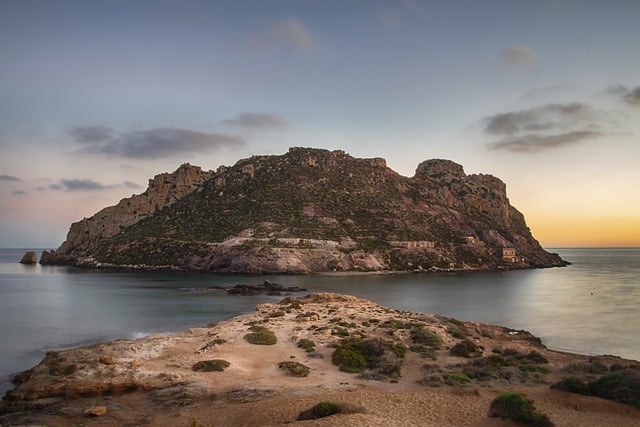
Ellis Island
Gibbet Island to Gateway: What Ellis Island Gets Right and Wrong Before it processed a single immigrant, Ellis Island was where New York hanged its pirates. Locals called it Gibbet Island, a reference to the wooden post where executed bodies were left on public display. That grim prologue is conveniently absent from most museum signage, but it says something true about the place: Ellis Island has...
read more
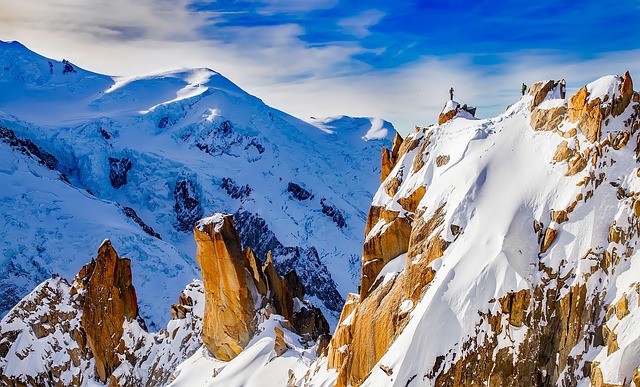
Vimy Ridge France
The Ridge That Made Canada At 5:30 on the morning of Easter Monday, 9 April 1917, 35,000 Canadian soldiers moved forward across a snow-swept ridge in northern France. By noon they had done what British and French forces had failed to do in two previous years of trying: they took Vimy Ridge. The four-day battle cost 3,598 Canadian lives and left another 7,004 wounded. April 9 remains the single...
read more
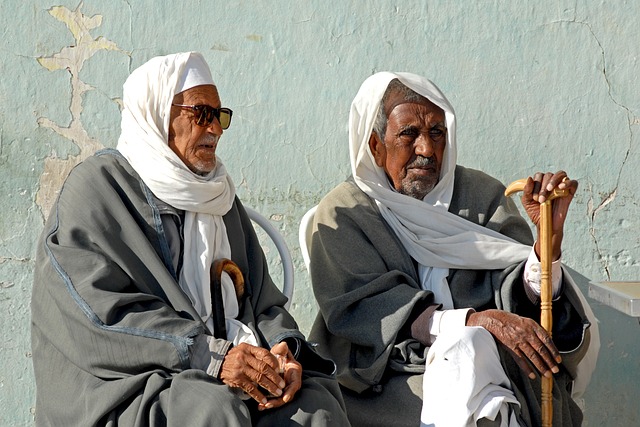
Carthage, Tunisia
Carthage, Tunisia: What Remains When an Empire Falls Rome did not just defeat Carthage. After the Third Punic War ended in 146 BCE, Roman forces spent seventeen days burning the city, and according to ancient accounts the flames were visible from the sea for weeks. Then they tore down what remained, stone by stone. What stands today at Carthage is therefore mostly Roman, built on top of the...
read more
Glencoe
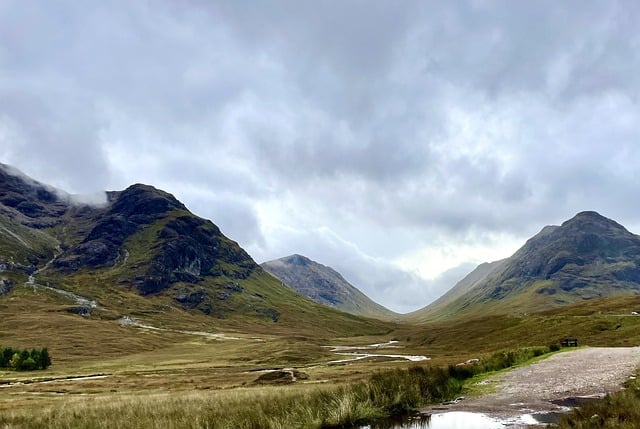
Glencoe, Scottish Highlands: A Glen That Does Not Forgive Shortcuts On 13 February 1692, soldiers quartered overnight as guests of the MacDonald clan rose before dawn and killed 38 people in the glen. A further 40 died in the snow trying to escape. What most accounts gloss over is the particular nature of the betrayal: the soldiers had been welcomed under Highland laws of hospitality, eating and...
read more

The Needles
The Needles Used to Have Four Stacks The formation you see from Alum Bay today has three chalk stacks. There used to be four, and the name “The Needles” came from the fourth one: a 120-foot pinnacle, sharp and pointed, that collapsed in a storm in 1764. The sound of it hitting the water was reportedly heard as far away as Southampton. The missing stack was called “Lot’s...
read more
Etosha National Park, Namibia
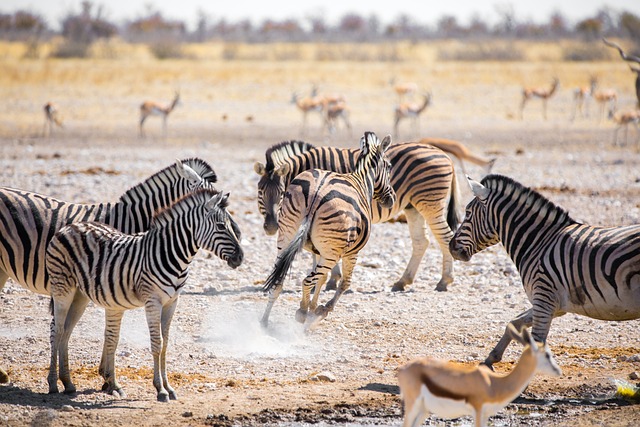
The Safari Where You Park Your Car and Wait Most safari formats move to find animals. In Etosha National Park, you find the waterhole and let the animals come to you. The park’s 22,270 square kilometres sit largely on or around the Etosha Pan, a vast saline depression that was once a lake fed by the Kunene River. That lake dried up thousands of years ago (palaeontologists have found...
read more
Winter Palace
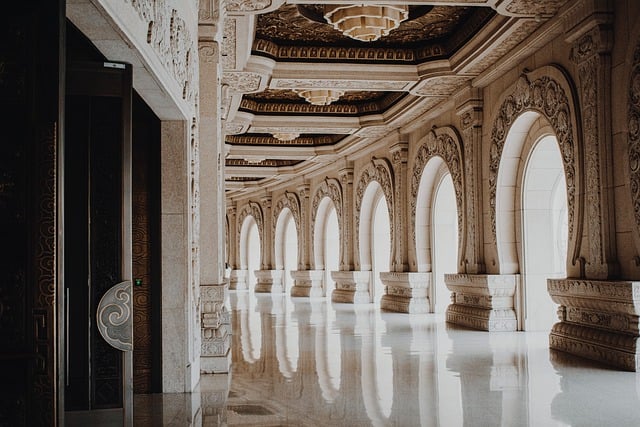
Three Million Objects and a Building That Outlasted the Tsars In the winter of 1917, sailors from the Baltic Fleet stormed the Winter Palace in Petrograd and arrested the Provisional Government. The storming has been mythologised far beyond what actually happened (it was more of a late-night walk-in than a military assault), but the symbolic weight stuck: this building, the official residence of...
read more
Jane Austens House Museum
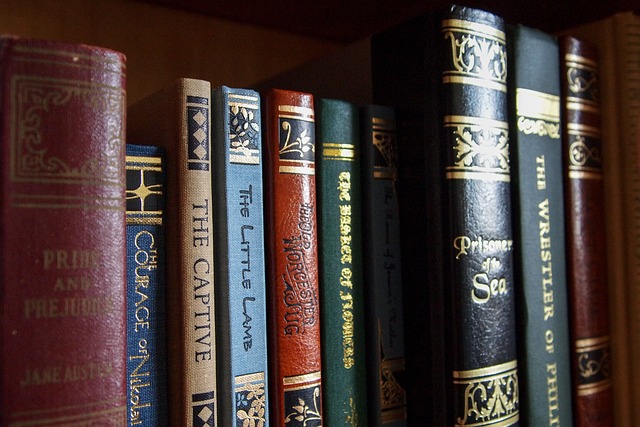
Jane Austen’s House Museum, Chawton: The Cottage Where She Finally Wrote There was a swing door at Chawton Cottage between the entrance hall and the back offices that creaked loudly whenever it opened. Jane Austen asked specifically that it not be oiled. The creak gave her advance notice when anyone was approaching, so she could slide her writing paper under the blotter on the small...
read more
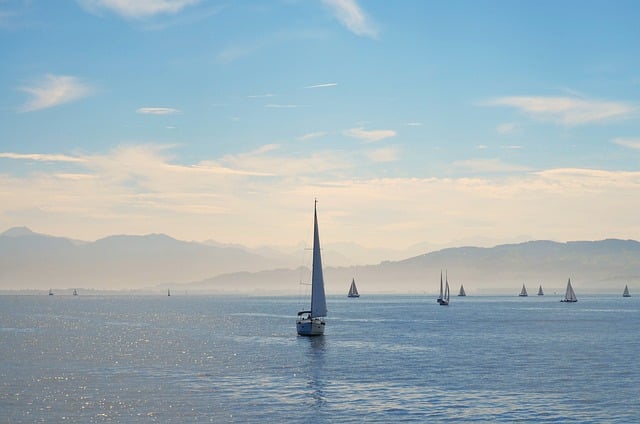
Lake Manasarovar
The Lake Brahma Created With His Mind The name Manasarovar compounds two Sanskrit words: manas (mind, consciousness) and sarovar (lake). Hindu tradition holds that Brahma created this body of water through an act of pure thought before it existed physically, establishing it as a place where the metaphysical and material meet. That origin story is shared, in different formulations, by Hinduism,...
read more
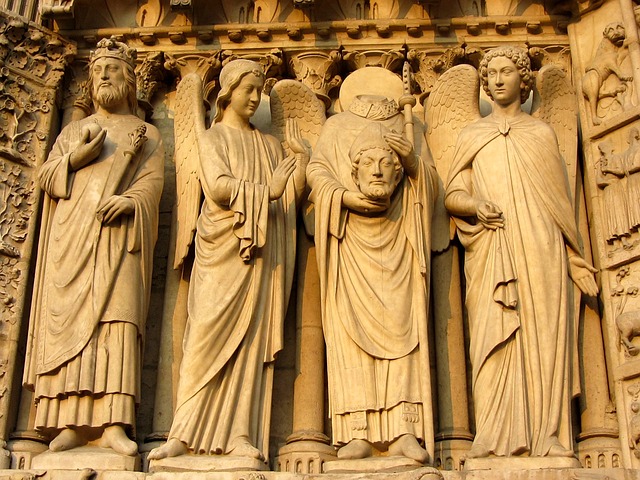
Notre Dame
The Cathedral That Reopened Better Than It Closed Notre-Dame de Paris reopened on 7 December 2024, five years and eight months after the fire that destroyed the 19th-century spire, burned through the oak-framed roof, and sent a lead-and-stone shower down onto the vaults below. The restoration cost over 700 million euros, involved 250 specialist companies and 2,000 craftspeople at peak, and...
read more
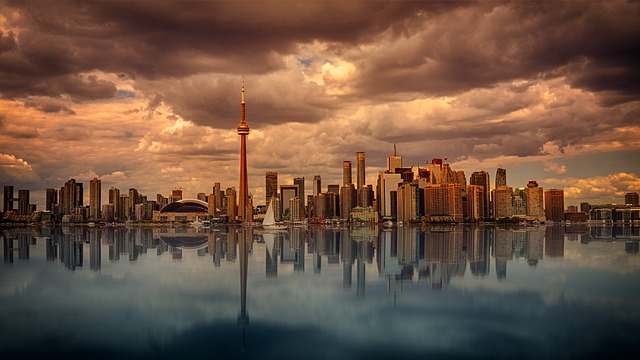
Burgess Shale Bc Canada
The World’s Most Important Fossil Site Requires an 11-Hour Hike to Reach Five hundred and eight million years ago, a mudslide entombed an entire marine community on what was then the edge of a shallow tropical sea. The creatures suffocated, sank below the oxygen layer, and were spared the decay that erases almost everything that has ever lived. What Charles Walcott stumbled upon in 1909 on a...
read more
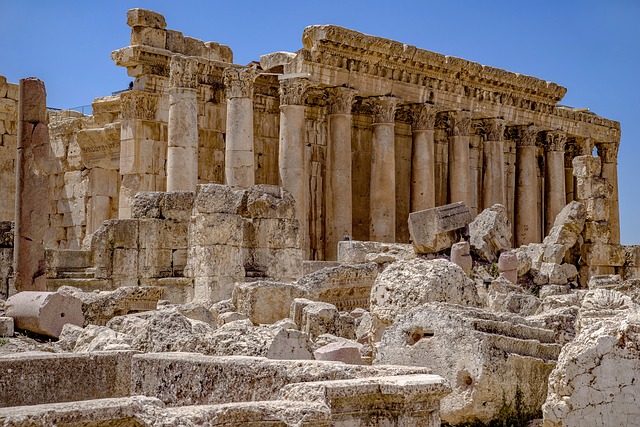
Chester Roman Gardens
The Roman Gardens Chester Built as a Festival Project (and Why That Makes Them Worth Visiting) Most visitors assume Chester Roman Gardens are an ancient site preserved in situ. They are not, and that distinction matters. In 1949, archaeologist Graham Webster and city surveyor Charles Greenwood designed the gardens specifically as Chester’s contribution to the 1951 Festival of Britain,...
read more
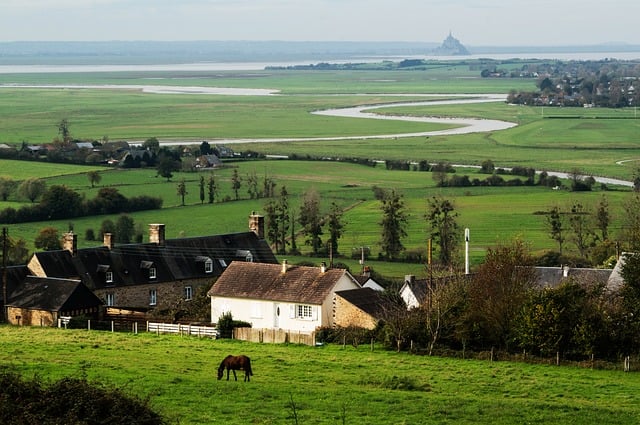
Clovelly Village
The Village That Still Refuses to Let Cars In Clovelly has been privately owned by the same family line since 1738, and that single fact explains almost everything about it. The Hamlyn-Williams family has maintained the car-free cobbled street, the whitewashed cottages, and the working harbour with a consistency that planned conservation zones rarely achieve. The result is a village that looks...
read more
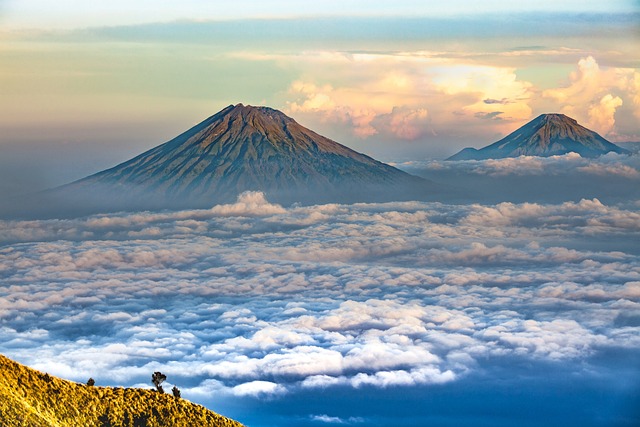
Gunung Leuser National Park, Sumatra, Indonesia
Gunung Leuser National Park: One of the Last Places on Earth Where Tigers and Orangutans Share a Forest Fewer than 14,000 Sumatran orangutans remain in the wild. The Leuser Ecosystem holds more than 85 percent of them. That single statistic frames every decision you make when visiting Gunung Leuser National Park, from which guide company to hire to how close you stand when a wild male drops from a...
read more
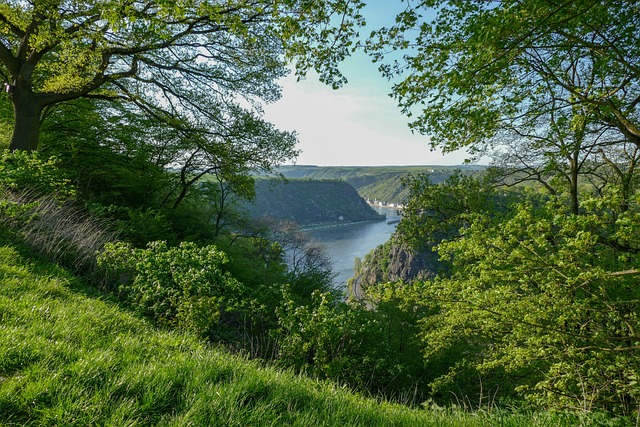
Loreley Rock
The Loreley Rock: What the Myth Gets Wrong and the Rock Gets Right The legend of the Loreley is not ancient. Most visitors assume they are standing at the site of a folk tale stretching back to the Middle Ages, but the enchantress who lured Rhine sailors to their deaths with her singing was invented in 1801 by the German Romantic poet Clemens Brentano, who published a ballad featuring a figure...
read more
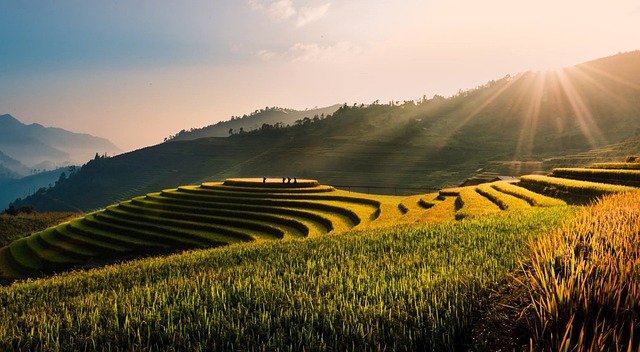
Cultural Landscape of Honghe Hani Rice Terraces
The Rice Terraces That Run on 1,300 Years of Hydraulic Engineering The Honghe Hani Rice Terraces in Yunnan province, China, have been farmed continuously for roughly 1,300 years, and they still work on the same principle they always have: no reservoirs, no pumps, no modern infrastructure. The Hani people carved 174 canal channels across 752 kilometres of mountain slope, pulling water from...
read more
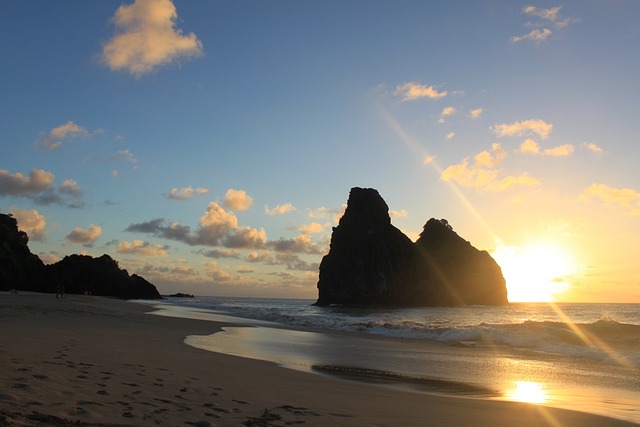
Fernando De Noronha Archipelago Brazil
Pay Before You Land Fernando de Noronha operates one of the more unusual entry systems in travel. The archipelago sits 350 kilometres off the northeastern coast of Brazil, a cluster of 21 volcanic islands under federal environmental protection. To manage impact on a fragile marine ecosystem, the Brazilian state of Pernambuco charges visitors a daily TPA (Taxa de Preservacao Ambiental) that rises...
read more
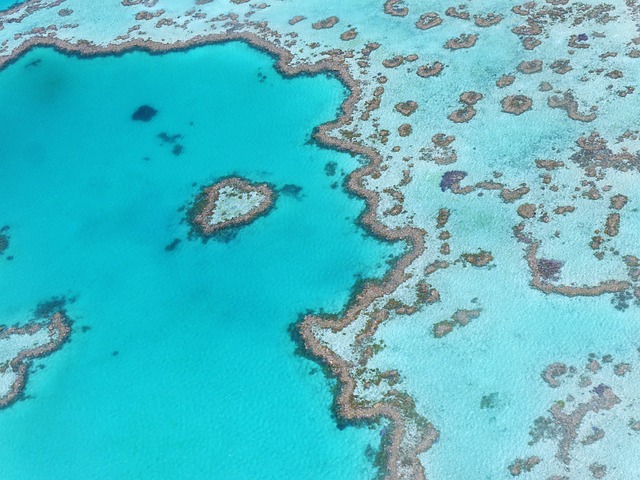
Great Barrier Reef, Australia
The Great Barrier Reef: Go Now, With Clear Eyes The Great Barrier Reef suffered its sixth mass bleaching event since 2016 during the 2024-25 summer, making it the first time two consecutive years of bleaching have struck the full system since 2016-17. A 2025 survey by the Australian Institute of Marine Science found that 48% of the 124 reefs monitored had experienced a decline in coral cover,...
read more
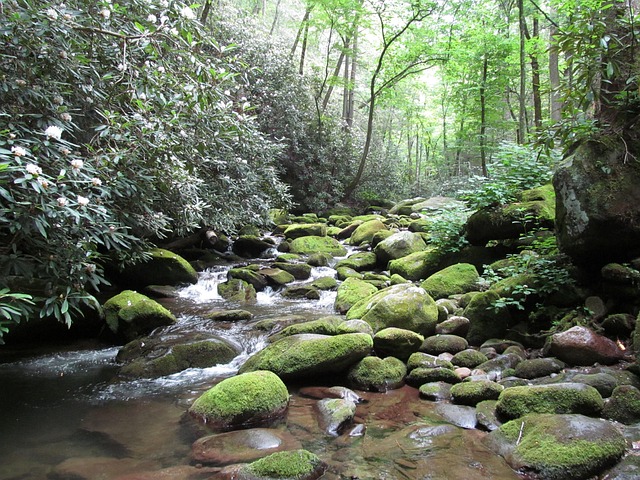
Great Smoky Mountains National Park, Tennessee
The Most Visited Park in America Has a Parking Problem (And a Few Secrets Worth Finding) Great Smoky Mountains National Park draws 12 to 13 million visitors per year, more than Yellowstone and Grand Canyon combined, by a significant margin. The no-entry-fee policy (unique among major national parks) is one reason. The location within a day’s drive of one-third of the US population is...
read more
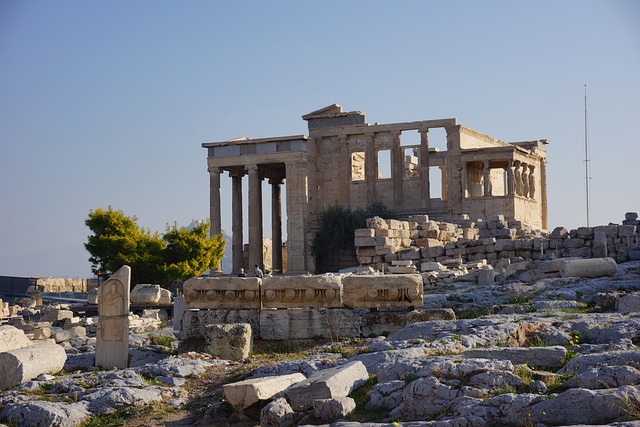
Acropolis
Acropolis The Columns Are Lying to You, and That Was the Point Stand at the foot of the Parthenon on a clear morning before the tour groups arrive, and look along the eastern colonnade. The building appears perfectly straight, perfectly level, the columns evenly spaced and rigidly upright. None of that is true. Every horizontal surface curves. Every column leans slightly inward. The corner columns...
read more
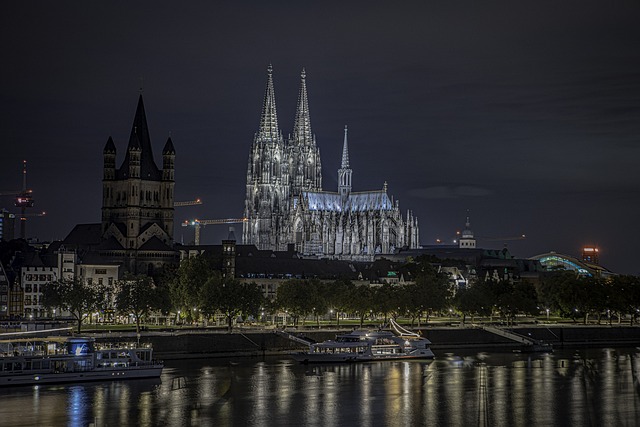
Cologne Cathedral
632 Years to Finish, Free to Enter (For Now) The foundation stone was laid in 1248. The building was completed in 1880. In between, work stopped for roughly 300 years, the cathedral was used as a stable during the French occupation, and the medieval crane that sat on the unfinished south tower became such a fixture that it appeared on Cologne’s city seal. When the twin spires were finally...
read more
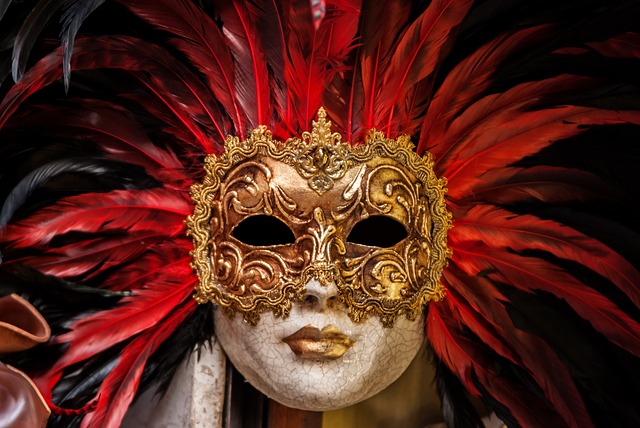
Go to Rio De Janeiro Carnival
How to Actually Experience Rio Carnival Rather Than Just Survive It Two million people per day fill the streets of Rio de Janeiro during Carnival. That figure is accurate and also slightly misleading, because Rio Carnival is not one event: it is several dozen concurrent events spread across a city of over six million people, running simultaneously over nearly two weeks. The Sambadrome parade is...
read more
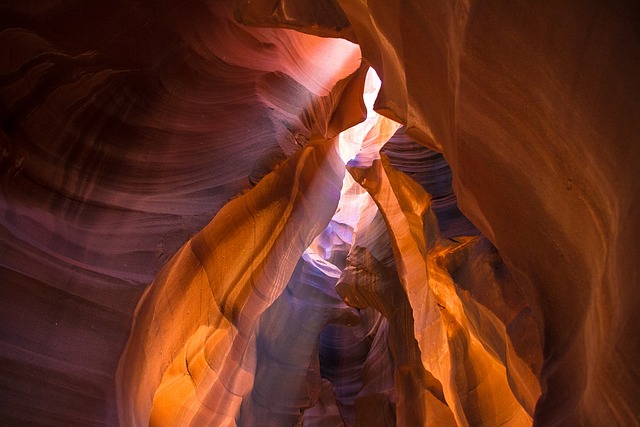
Rock Formations Page Arizona Wave Antelope Canyon Lake Powell Blue Canyon More
Page, Arizona: The Logistics of Getting to Some of the Most Controlled Landscapes in the American West Page, Arizona sits on the southern shore of Lake Powell, a reservoir formed by Glen Canyon Dam on the Colorado River. At full capacity, Lake Powell holds 24 million acre-feet of water. In May 2026, it holds 5.6 million. The lake has been shrinking for two decades as rising temperatures and...
read more
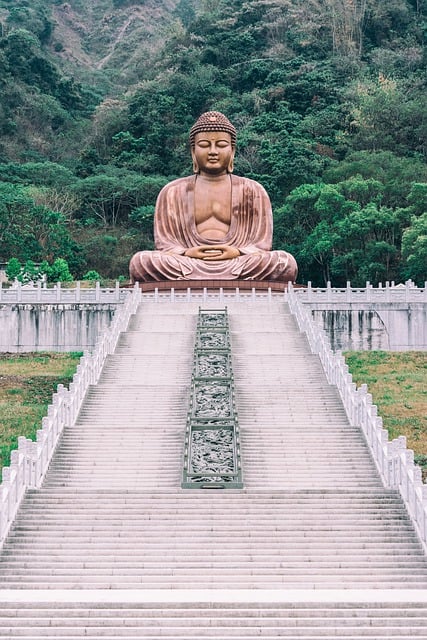
Grand Buddha Leshan
A Monk Who Gouged Out His Own Eyes and Still Got His Buddha Built Haitong was a Tang Dynasty monk who began carving the Leshan Giant Buddha into the cliff face of Mount Lingyun in 713 CE. His motivation was practical: three rivers converge at that point (the Min, Dadu, and Qingyi), creating dangerous currents that regularly capsized boats carrying goods and people. Haitong believed a Maitreya...
read more
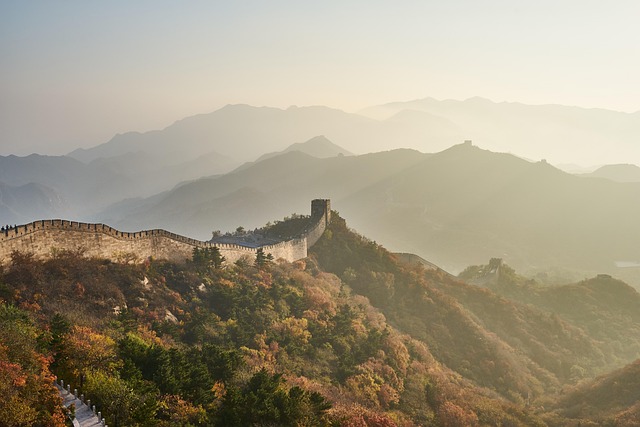
Great Wall of China
Great Wall of China Here is something most travel articles will not tell you: the stretch of stone walkway you are probably picturing right now was built by Ming dynasty emperors fewer than 600 years ago. The Chinese call it “the ten-thousand-li wall,” but it was never a single, continuous ribbon of fortification. It is a family of overlapping, competing, and sometimes parallel...
read more
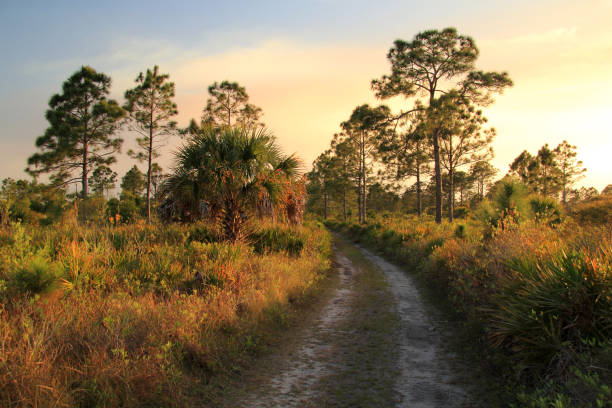
Everglades National Park
The Everglades: America’s Most Misunderstood Wilderness The Everglades is not a swamp. That distinction matters because it shaped the park’s history. For most of the twentieth century, the public and the government treated it as wasted land suitable for drainage and development. The ecosystem lost more than half its original area to agriculture and flood control infrastructure before...
read more
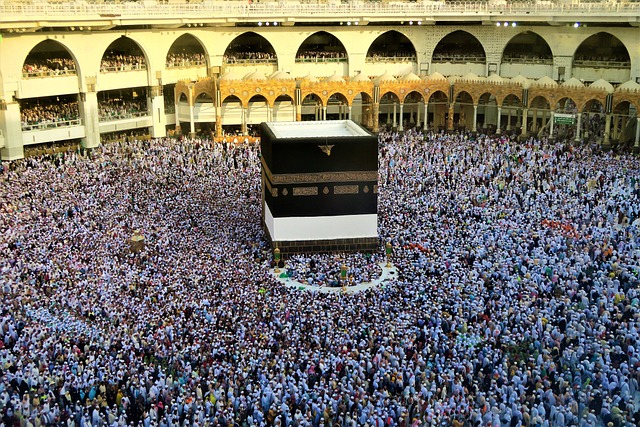
Kaaba
The Kaaba: A Complete Guide for Muslim Pilgrims The Kaaba is a cube-shaped granite structure standing approximately 13 metres tall at the centre of Masjid al-Haram, the Grand Mosque in Mecca, Saudi Arabia. It is the holiest site in Islam and the directional focus of the daily prayers observed by around 1.8 billion Muslims worldwide. Each year, millions of pilgrims perform Hajj (the annual...
read more
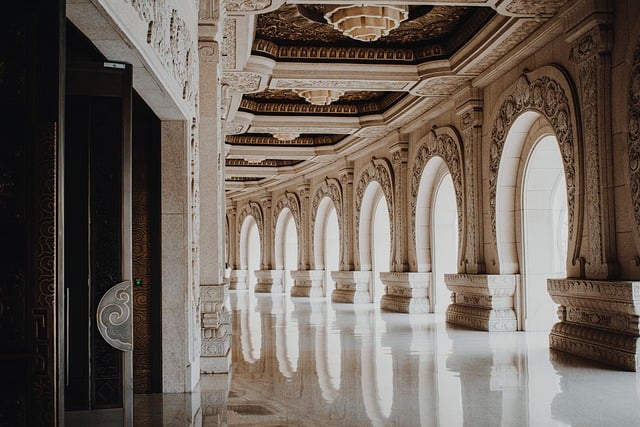
Papel Palace, Avignon
The Palais des Papes, Avignon: The Largest Gothic Palace in Europe Was Built Under Duress In 1303, agents of the French King Philip IV arrested Pope Boniface VIII at his summer palace in Anagni and beat him. The Pope died a month later. His successor lived only eight months. When the conclave reconvened, Philip pressured it into electing a French archbishop who had never been to Rome and who, once...
read more
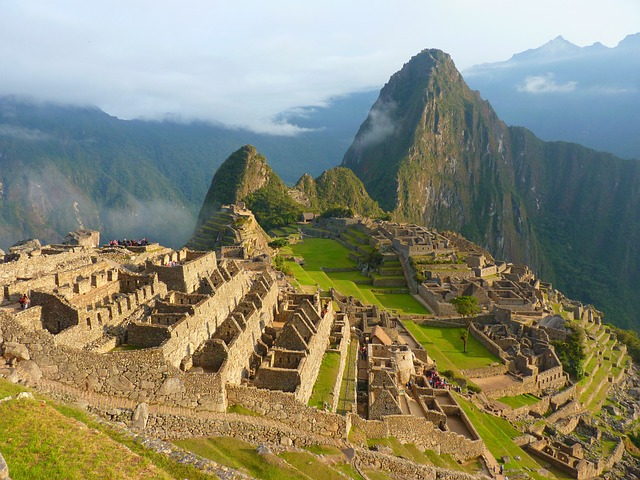
Machu Picchu
Machu Picchu: The City the Spanish Never Found In 1902, a local farmer named Augustin Lizarraga cleared sections of Machu Picchu for agriculture and scratched his name and the date in charcoal on the wall of the Temple of the Three Windows. Nine years later, Hiram Bingham arrived and got most of the credit. This is worth knowing before you go: the “discovery” of Machu Picchu was...
read more
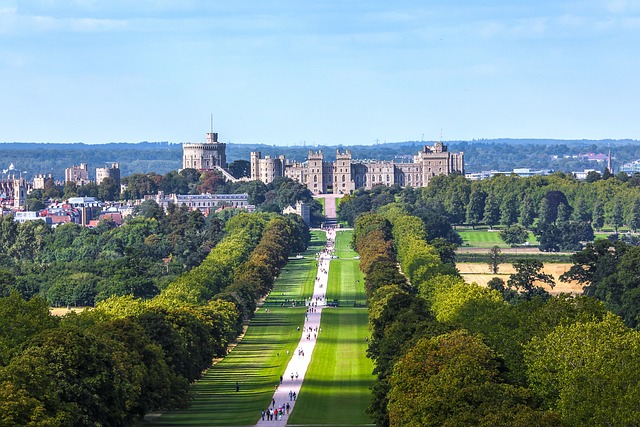
Windsor Castle
The Castle That Has Been Continuously Occupied for Over Nine Hundred Years Windsor Castle was begun by William the Conqueror around 1070 as a motte-and-bailey fortification to control the Thames valley west of London. Every subsequent English or British monarch has either lived in it, modified it, or used it in some official capacity. The current structure contains elements added across nine...
read more
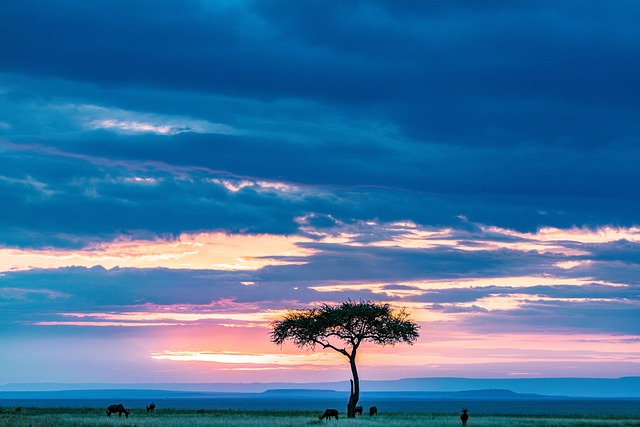
Masai Mara Kenya
The Mara River Crossing: What Nobody Tells You Before You Go The photographs of wildebeest plunging into the Mara River are among the most reproduced wildlife images on earth. What they do not show is the waiting. A herd of 50,000 animals will assemble at a crossing point, mill about, retreat from the water, reassemble, and wait again for hours or sometimes days before the first animal commits....
read more
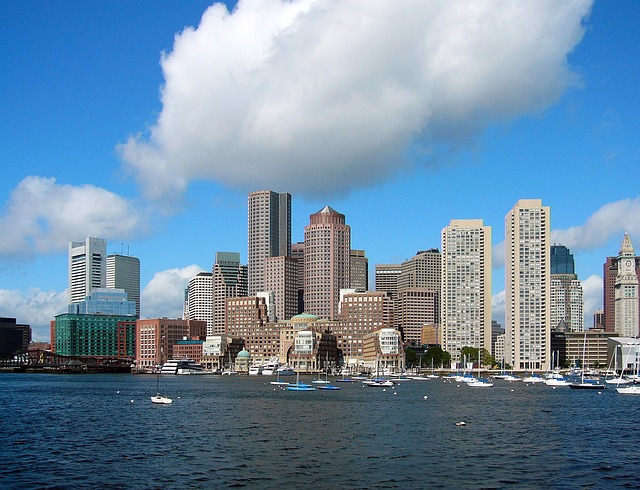
Boston, Massachusetts
Boston in 2026: Revolution, Baseball, and Tall Ships Summer 2026 is the single best time to visit Boston in a generation. The city is hosting FIFA World Cup matches at Gillette Stadium, welcoming Tall Ships to the harbor for the first time since 2017, and marking the 250th anniversary of American independence with an extended series of events under the Boston 250 banner running from June through...
read more
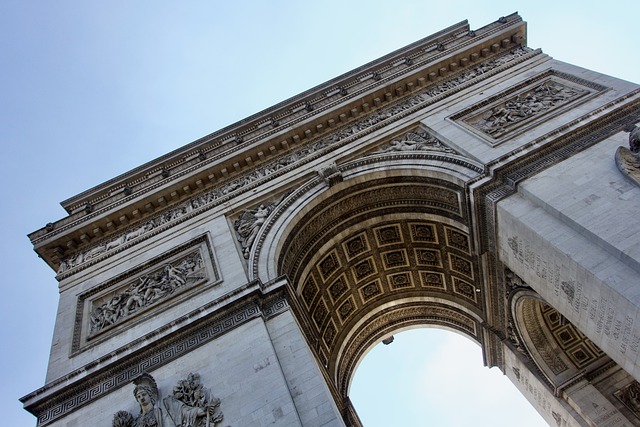
Arc De Triomphe
Arc De Triomphe The Monument the Man Never Saw Here is the fact that undoes the triumphal narrative: Napoleon Bonaparte never once saw the Arc de Triomphe standing. He commissioned it in 1806, fresh from his victory at Austerlitz. He watched the foundations go in and saw the pillars rise barely a dozen metres before the project stalled under a combination of war, exile, and regime change. He died...
read more

Mosteiro Dos Jerónimos
The Monastery That Spice Built The Mosteiro dos Jerónimos was paid for by pepper. More precisely, it was funded by the Vintena da Pimienta, a 5% tax levied on all trade with Africa and the East that Manuel I introduced after Vasco da Gama returned from India. The timing was deliberate. Construction began in 1501, on the same stretch of Belém shore where da Gama and his sailors had prayed the night...
read more
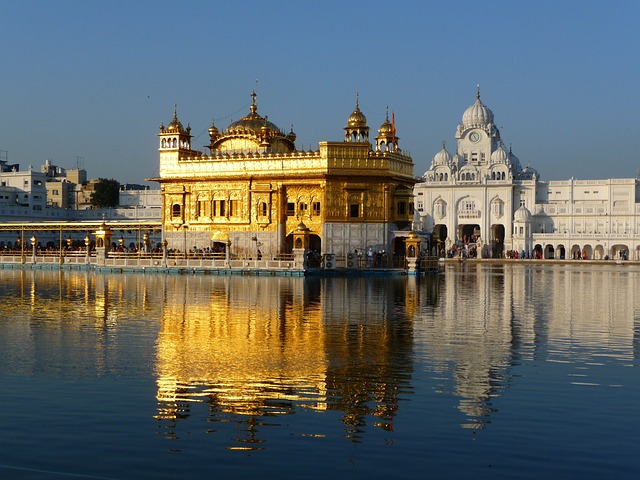
Golden Temple
Four Doors, One Level Below the Ground: Understanding Harmandir Sahib Here is the architectural decision at the heart of this building: Guru Arjan, the fifth Sikh Guru, had Harmandir Sahib built below the level of the surrounding terrain in 1604. You step down to enter. He also gave it four entrances, one facing each direction of the compass, signifying openness to all people regardless of caste...
read more
Twelve Apostles
Seven Left Standing, and Worth Every Kilometre There were never twelve. The original name for the limestone stacks off Victoria’s Shipwreck Coast was “The Sow and Piglets,” which tells you something about how their reputation has evolved. The name Twelve Apostles was adopted in the 1960s, partly for tourism appeal, at a point when there were actually nine stacks visible. One...
read more