Recent Tr4vel
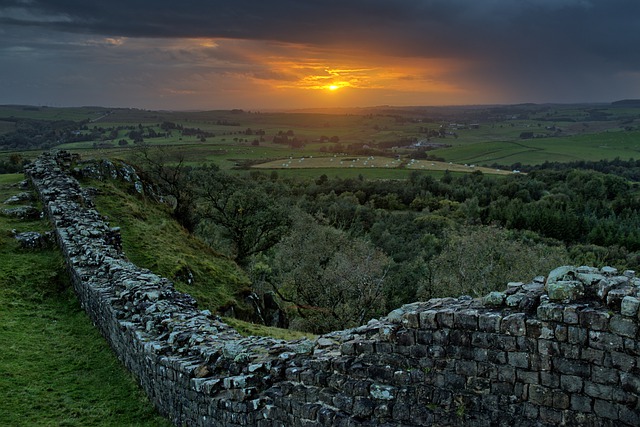
Hadrians Wall
Hadrian’s Wall: A Journey Through Roman Britain The Wall in Context In AD 122, the Emperor Hadrian arrived in Britain and ordered the construction of a wall 117 kilometres long, from the Solway Firth in the west to the mouth of the Tyne in the east. The conventional explanation is defensive – keeping out the northern tribes. A more plausible reading is that it was partly a statement:...
read more
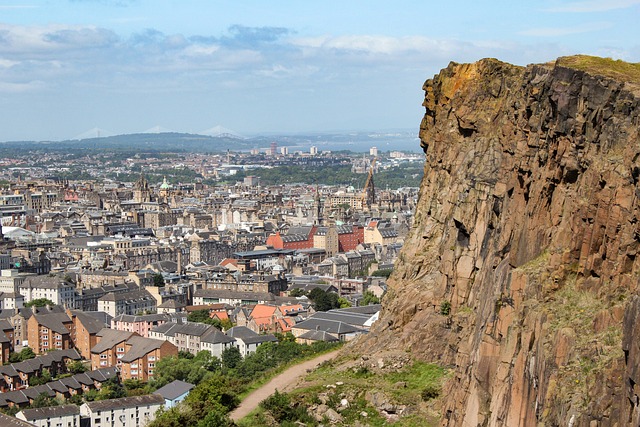
Arthurs Seat
Arthur’s Seat: Edinburgh’s Volcano, Free to Climb, Worth Every Step In the middle of Scotland’s capital city, rising 251 metres from the Holyrood Park floodplain, is an extinct volcano. Arthur’s Seat is not a hill that happens to be volcanic in origin; it is a recognisably volcanic shape, formed around 350 million years ago during the Carboniferous period, and its craggy...
read more
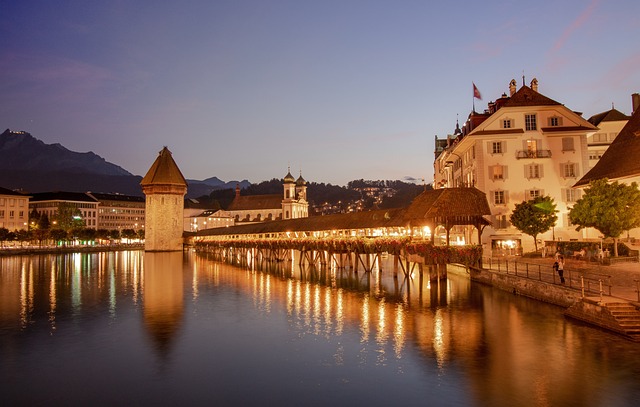
Chapel Bridge
Most of Lucerne’s Most Photographed Bridge Is a Reconstruction The Kapellbrücke (Chapel Bridge) dates to 1333, crosses the Reuss River on a diagonal, and appears in a significant proportion of all photographs taken in Switzerland. What less of the promotional literature mentions is that the bridge burned in August 1993 – a tourist’s cigarette, officially the cause – and was...
read more
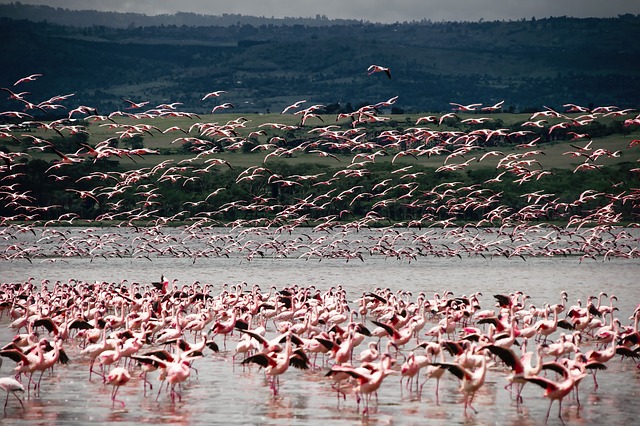
Mt Kenya Wildlife Conservancy
Mount Kenya Is Africa’s Second-Highest Peak and the Conservancy Around It Is Protecting Things That Safari Circuits Normally Miss The Laikipia Plateau north of Nairobi is not the Kenya that wildlife television covers. It has no Mara, no wildebeest crossing, no fixed-camera watering hole circuits. What it has instead is a functioning community-based conservation model, viable black rhino...
read more

French Quarter
The French Quarter: What the Name Gets Wrong and the City Gets Right The Vieux Carre’s cast-iron balconies are Spanish Creole work, not French. The street grid, laid out in 1721, is the French part. The name “French Quarter” stuck despite the fact that the most visually distinctive architecture – the lacework ironwork, the interior courtyards, the coloured stucco facades...
read more
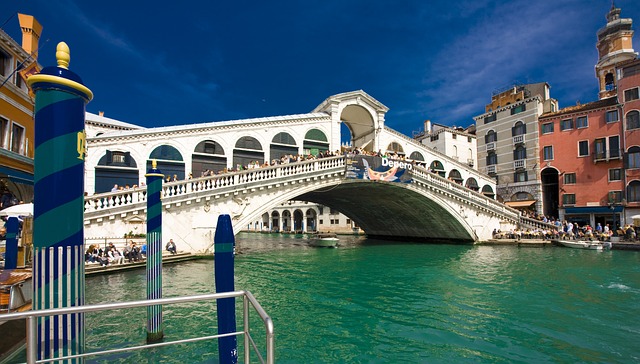
Rialto Bridge
The Rialto Bridge Architect Beat Palladio, Sansovino, and Michelangelo to Win the Commission Antonio da Ponte – not a famous name in architectural history – won the design competition for the bridge over the Grand Canal in the 1580s. His competitors included Palladio, Sansovino, and Michelangelo, which either reflects well on da Ponte or says something uncomfortable about politics in...
read more
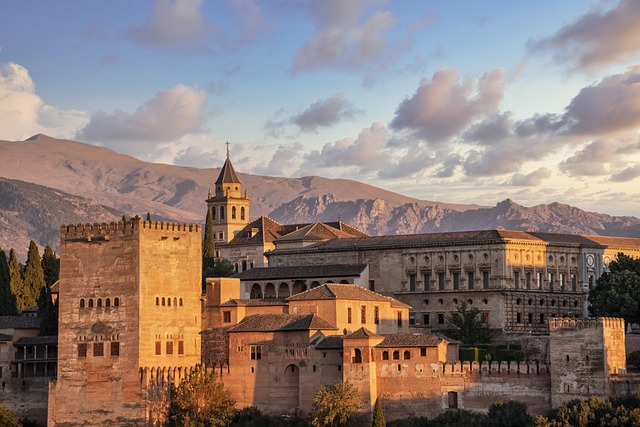
Alhambra
The Alhambra Sells Out Months in Advance and Most People Find Out Too Late You can visit Granada without entering the Nasrid Palaces. Thousands of tourists do it every year, usually because they arrived in Spain and then discovered that the most important rooms in the most important palace in the country have been booked solid for weeks. Tickets are EUR 21 for adults in 2026 and available online...
read more
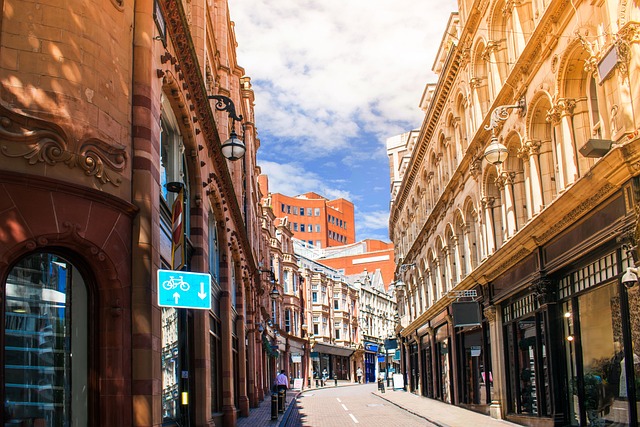
Birmingham
Birmingham: The UK’s Most Underrated Eating City Birmingham holds more Michelin stars per head of population than any UK city outside London, and most people who haven’t been there recently still think it peaked in 1975. That gap between reputation and reality is one of the more reliable travel finds in England. The city is the UK’s second largest, was the engine room of the...
read more
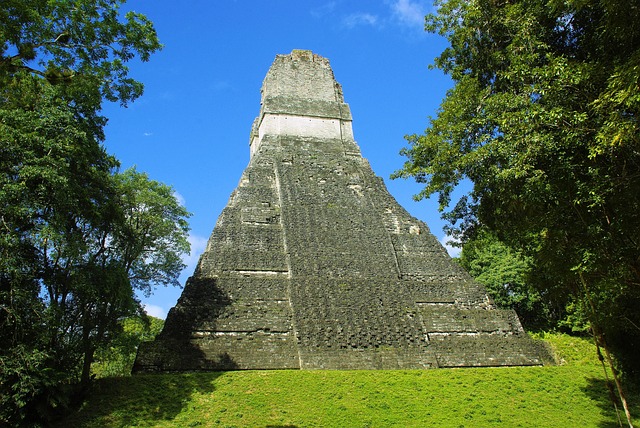
Tikal National Park, Guatemala
The View from Temple IV Appeared in Star Wars Before Most People Had Heard of Tikal In 1977, the view of Tikal’s jungle canopy with temple combs rising through the mist was used as the Rebel Base on Yavin 4 in the original Star Wars film. Filmmakers chose it because nothing else on earth looked quite like it – massive stone structures emerging from intact tropical forest, neither...
read more
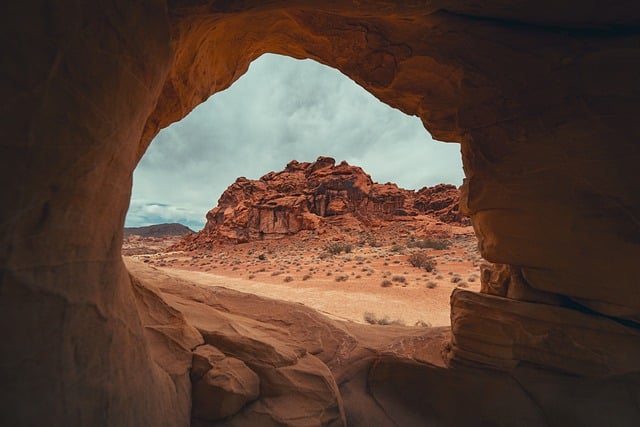
Glowworm Cave
Waitomo Glowworm Caves: Worth the Hype, Mostly The glowworms that name these caves are Arachnocampa luminosa, a fungus gnat found only in New Zealand and Australia. The larvae produce bioluminescent light to attract prey into their sticky threads – a hunting mechanism that happens, in total darkness with several hundred thousand individuals on a cave ceiling, to produce something that looks...
read more
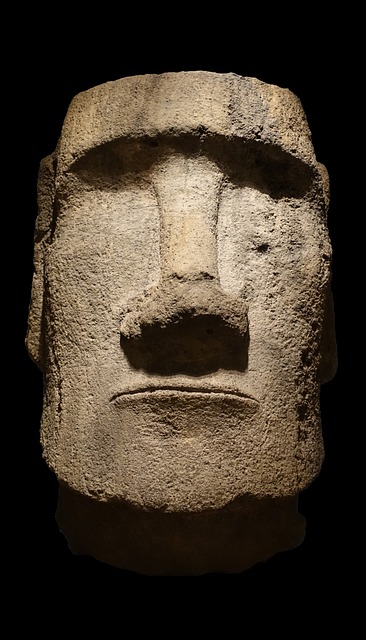
Moai
The Moai Are Not Mysterious. The Collapse That Preceded Their Abandonment Is. The purpose of the moai is understood: they are ancestral figures, carved to embody the spiritual power (mana) of specific ancestors and erected on ahu (stone platforms) facing inland toward the villages they protected. The carving technique is documented. The transportation method has been demonstrated through...
read more
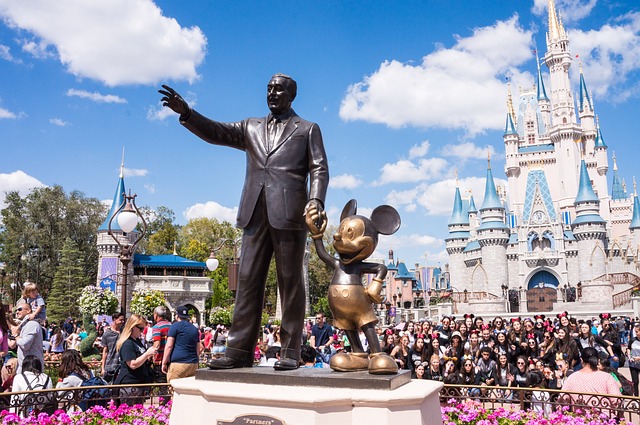
Animal Kingdom, Disney World, Orlando
Disney’s Animal Kingdom: The Disney Park That Tries to Be a Zoo and Almost Succeeds Animal Kingdom opened in 1998 as Walt Disney World’s largest and most ambitious theme park, covering 500 acres. The central conceit is unusual for a theme park: real animals living in designed habitats alongside thrill rides and theatrical entertainment. The Tree of Life at its centre, 145 feet tall and...
read more
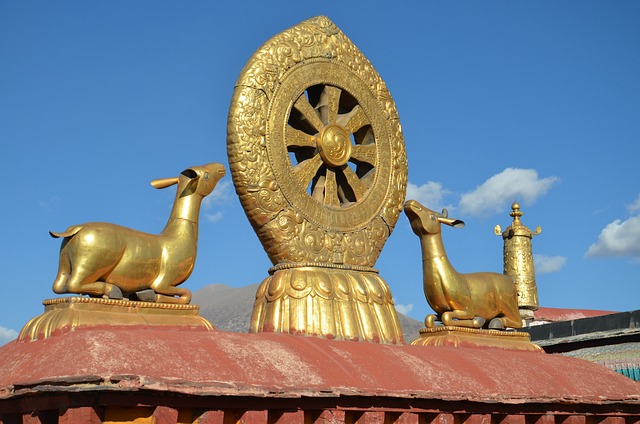
Jokhang Temple Lhasa
Jokhang Temple: The Holiest Site in Tibet, and How to Actually Get There The Jokhang is not difficult to find once you are in Lhasa – it sits at the centre of the Barkhor, the pilgrimage circuit that encircles it, and from most points in the old city you can orient by the direction pilgrims are moving. What is genuinely difficult is getting to Lhasa as a foreign visitor. Tibet requires a...
read more
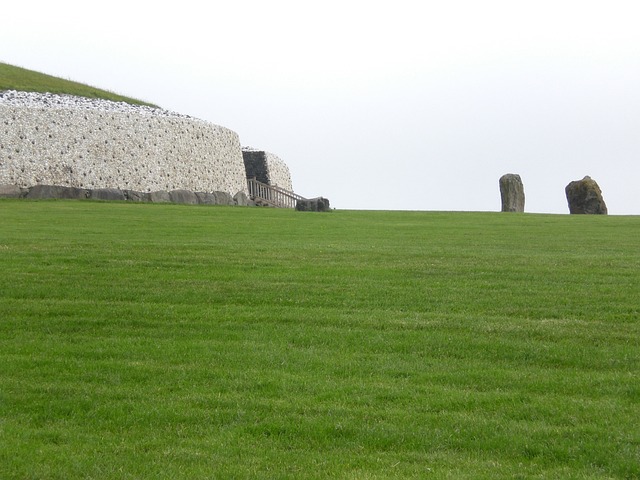
Newgrange
Newgrange Was Built Several Centuries Before Stonehenge and 1,000 Years Before the Great Pyramid The numbers place it correctly. Newgrange was constructed around 3200 BCE: before Egypt had the Pyramids, before Stonehenge’s sarsen circle, before writing was invented in Mesopotamia. The mound is 76 metres in diameter and about 12 metres high, covering a stone passage 19 metres long that leads...
read more
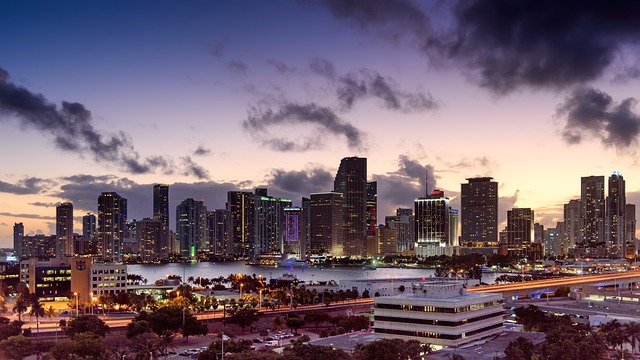
Miami Beach, Florida
Miami Beach: A City Marking Its First 100 Years of Art Deco January 2026 marked the centennial of Art Deco architecture in Miami Beach, and the city did not let the occasion pass quietly. The 49th Annual Art Deco Weekend celebration in January drew visitors to Ocean Drive with guided tours, expert-led talks, vintage experiences, and the reveal of the Reefline – a major public art project...
read more
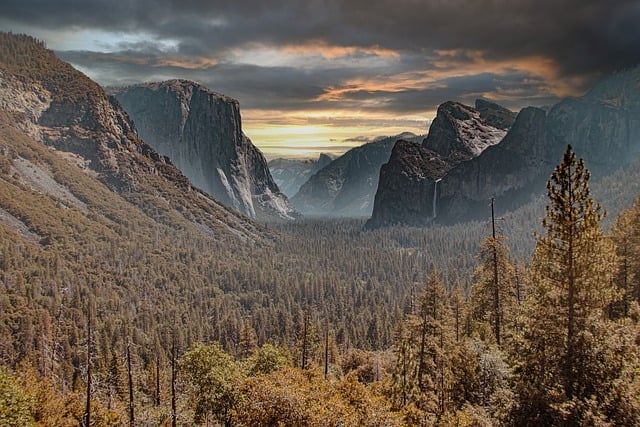
Yellow Stone National Park
Yellowstone Sits on Top of a Supervolcano That Will Eventually Erupt That is not an exaggeration for effect. The Yellowstone hotspot – the magma chamber beneath the park – produced eruptions approximately 2.1 million, 1.3 million, and 640,000 years ago. The cycle suggests the next major eruption is overdue in geological time, though current seismological monitoring shows no indication...
read more
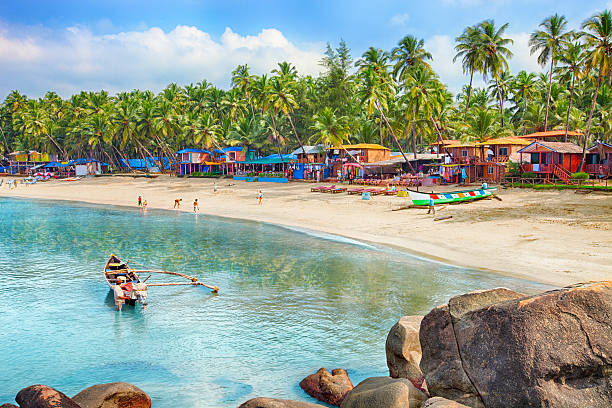
Goa
Goa: 450 Years of Portuguese Colonialism Left Something Distinctive Goa was a Portuguese colony from 1510 to 1961 – longer than most colonies in Asia and Africa. The 450-year presence left churches that rank among the finest Baroque architecture in Asia, a cuisine unlike anything else on the Indian coast, a Catholic minority that continues to shape the state’s cultural character, and a...
read more
Ishak Pasa Sarayi
Ishak Pasha Palace’s Golden Doors Are in the Hermitage in St Petersburg Russian forces removed them during the 1877 to 1878 Russo-Turkish War, and they remain there. The absence is one of the more visible reminders that this palace in far eastern Turkey has had a complicated 250 years. Ishak Pasha Sarayi sits on a rocky outcrop at 1,970 metres above sea level near Dogubayazit, approximately...
read more
Lake Malawi National Park
Lake Malawi Contains Between 800 and 1,000 Species of Cichlid Fish, 90 Percent Found Nowhere Else on Earth The evolutionary radiation of these fish from a common ancestor is one of the most striking examples of rapid speciation on the planet – comparable in scientific significance to Darwin’s finches, but taking place underwater in clear tropical freshwater rather than on islands....
read more
The Pravcice Gate, Czech Republic
Pravcicka Brana: Europe’s Largest Natural Arch, and Why You Can’t Walk on It A section of the Pravcicka Brana arch collapsed in 1980. The prohibition on walking on the arch surface has been permanent since 2013. This is worth stating at the start because most visitor photographs are taken from below, and because the arch – at 26 metres wide and 16 metres high, the largest natural...
read more
Fortress of Minceta Dubrovnik
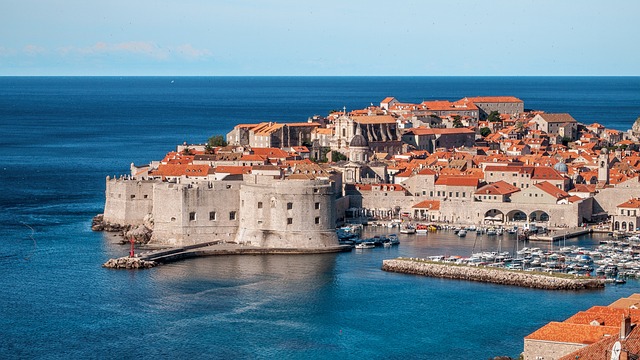
Dubrovnik Has a Cruise Ship Problem and a Solution At peak summer in 2019, Dubrovnik’s Old Town received around 800,000 cruise ship passengers annually – day visitors arriving by tender from the harbour, spending 4-5 hours in the city, and contributing significantly to the crowds that made July and August in the Old Town a genuinely unpleasant experience. The Croatian government...
read more
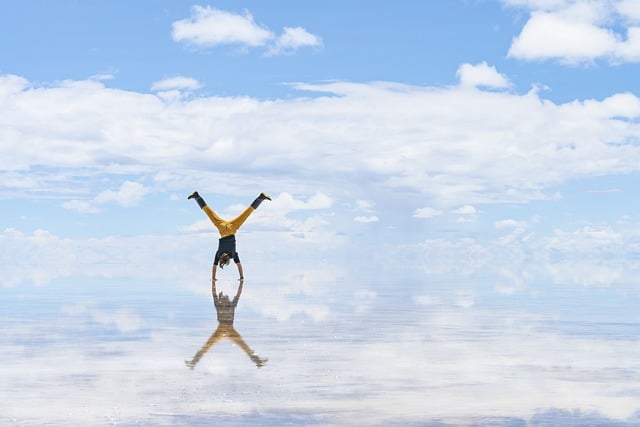
Salar De Uyuni
Salar de Uyuni: The Salt Flat That Calibrates Satellites At 10,582 square kilometres and 3,656 metres above sea level, the Salar de Uyuni is the largest salt flat on Earth. The surface is flat to within one metre across the entire expanse – a fact that NASA uses for satellite calibration. The crust averages 10 metres thick and rests on a brine lake with the world’s largest known...
read more
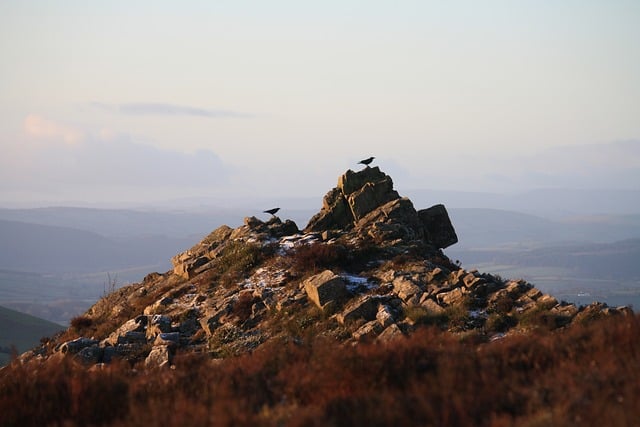
Iron Bridge, Shropshire
The Industrial Revolution Started Here and the Bridge They Built to Prove It Is Still Standing The Iron Bridge over the Severn Gorge was completed in 1779 as the world’s first bridge made entirely of cast iron. Abraham Darby III engineered the 30-metre span across a gorge that had already become the centre of English metalworking. His grandfather, Abraham Darby I, had perfected the...
read more
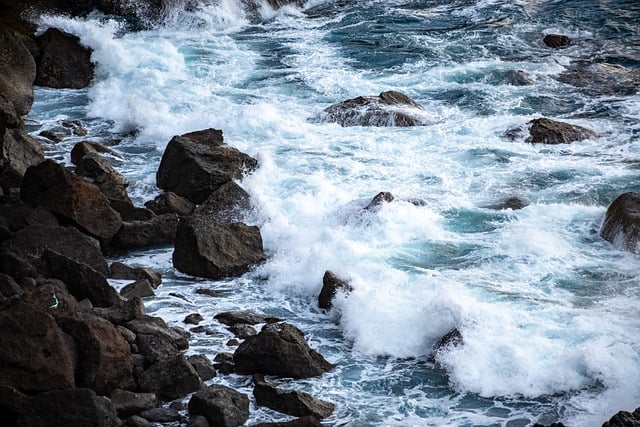
Bay of Fundy
Twice a Day, 160 Billion Tonnes of Water Move Through This Bay That is the weight of water the Bay of Fundy exchanges with the Atlantic on every tidal cycle – 160 billion tonnes in, 160 billion tonnes back out, every 12 hours and 26 minutes. The tidal range at the Minas Basin reaches 16 metres (52 feet), the highest consistently recorded anywhere on earth. The shape of the bay is the...
read more
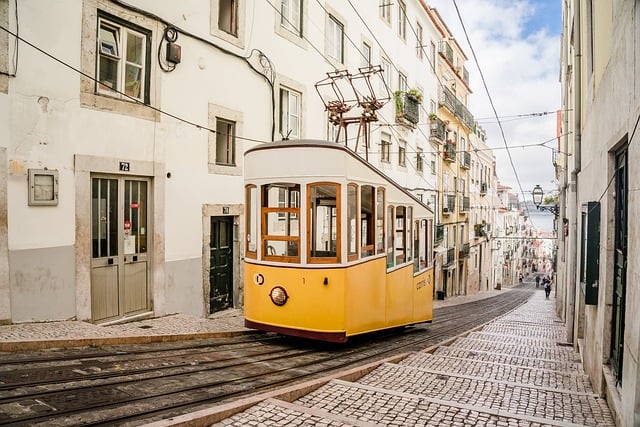
Bairro of Ribeira Portugal
Ribeira, Porto: Where the River Meets the City’s Oldest Quarter The Douro runs brown after rain upstream, but by the time it reaches Porto it widens and slows and the rabelo boats – the flat-bottomed wooden vessels that once transported Port wine barrels from the Douro Valley – sit at their moorings along the Cais da Ribeira in colours that look applied rather than weathered. The...
read more
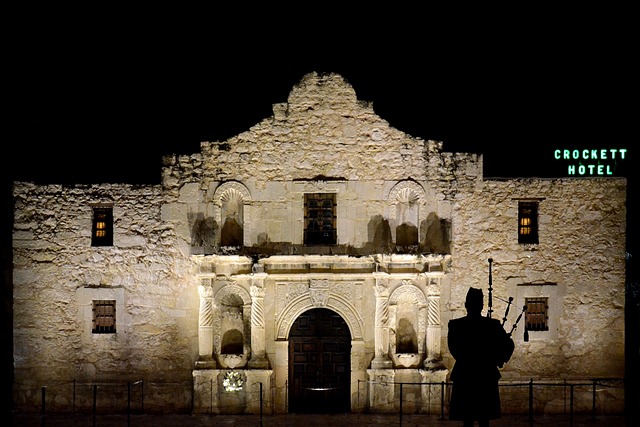
Alamo
The Alamo Is Smaller Than Most People Expect The chapel – the iconic front facade with its curved parapet – is the surviving section of Mission San Antonio de Valero, founded by Spanish missionaries in 1718. The 13-day siege in 1836 during which approximately 189 defenders held off General Santa Anna’s forces before being overrun is the event that made the name indelible in...
read more
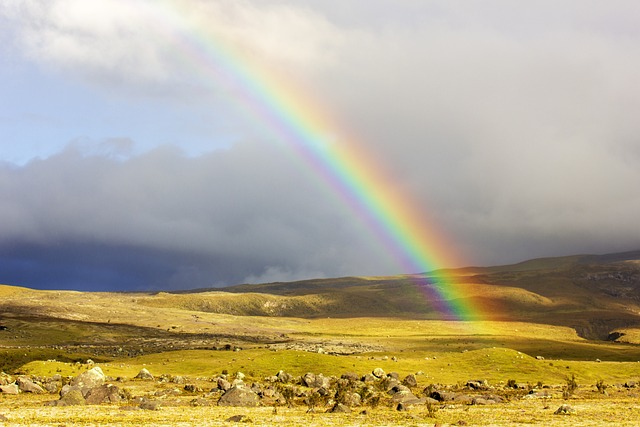
Cotopaxi Ecuador
Cotopaxi Is One of the World’s Highest Active Volcanoes and You Can Drive to Within 400 Metres of the Summit Glacier The José Ribas refuge sits at 4,800 metres on Cotopaxi’s flanks. A paved road from the national park entrance runs to a car park at about 4,600 metres, a 15-minute walk below the refuge. Most day visitors from Quito drive up, walk around the scree fields, take...
read more
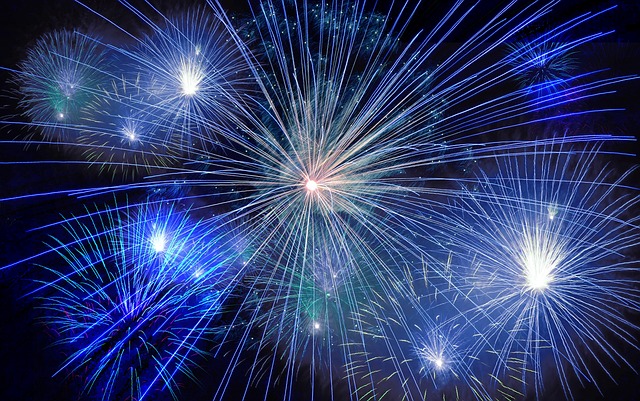
Lunar New Year in Singapore
Chinatown on Lunar New Year Eve Is Barely Passable by Foot and Completely Worth It Singapore’s Lunar New Year is not a quiet, domestic holiday. The city transforms for it. Chinatown goes up in red lanterns and gold decorations from mid-January and runs a street market for weeks before the actual date. Lion dance troupes work the city in the first days of the new year. River Hongbao fills...
read more
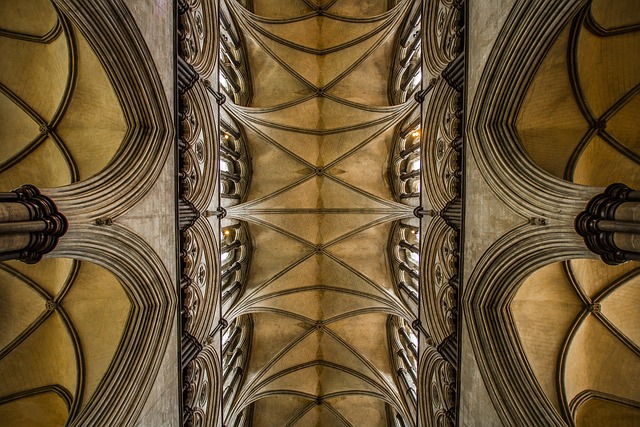
Salisbury Cathedral
Salisbury Cathedral Has the Oldest Working Mechanical Clock in the World and a Magna Carta Original The clock, dating to 1386 and displayed in the nave, has no clock face – it was designed to strike a bell at set hours rather than display the time visually. It has been running for over 600 years with various maintenance interventions. The Magna Carta, one of four surviving originals of the...
read more
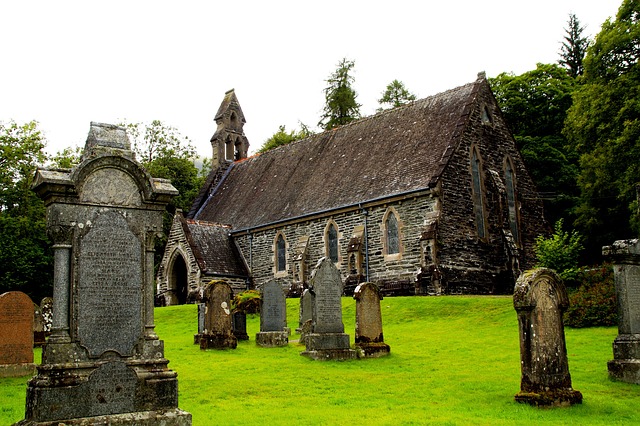
Loch Lomond
Loch Lomond Runs Along a Geological Fault Line and It Shows The Highland Boundary Fault – the geological line dividing Scotland’s Lowlands from the Highlands – runs diagonally across the country and cuts directly through Loch Lomond. The result is a single body of water with two completely different characters: the southern end is wide, gentle, island-dotted, and accessible from...
read more
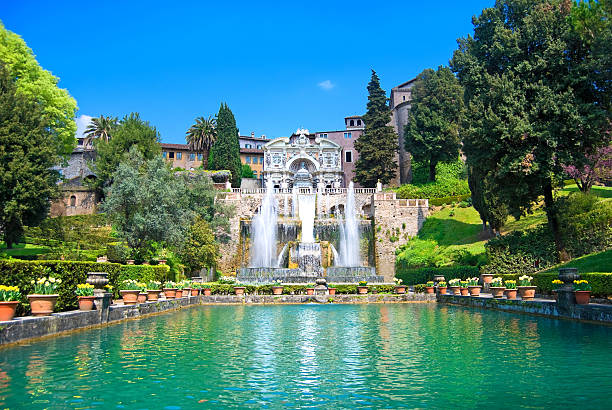
Villa Deste Tivoli
No Pump Has Ever Been Needed Here The Villa d’Este gardens in Tivoli contain 51 fountains, 364 water jets, 64 waterfalls, and over 220 water basins, all fed entirely by gravity from the Rivellese river diverted through a purpose-built aqueduct. The hydraulic engineering – designed by Pirro Ligorio between 1550 and 1572 for Cardinal Ippolito II d’Este – requires no...
read more
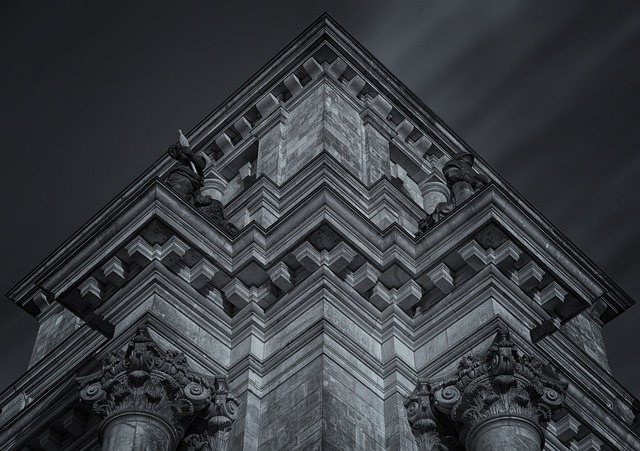
Reichstag Building
Book the Reichstag Dome Before You Book Your Berlin Hotel This is not hyperbole. The dome and rooftop terrace of the Reichstag are free to visit but require online registration through the Bundestag website (bundestag.de/en/visitthebundestag). In practice, this means booking several weeks ahead during peak season – spring through autumn – if you want a specific time slot. This is the...
read more
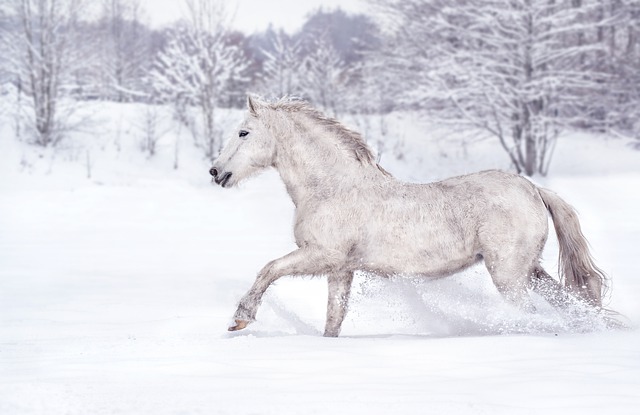
The White Horse Sutton Bank
The Kilburn White Horse and Sutton Bank: North Yorkshire’s Best View The Kilburn White Horse is a chalk figure cut into the limestone escarpment of the North Yorkshire Moors, visible from up to 30 kilometres away across the Vale of York. It was created in 1857 by a local schoolmaster named John Hodgson and his students, following a visit to the white horse figures on the Wiltshire Downs....
read more
Angel of the North
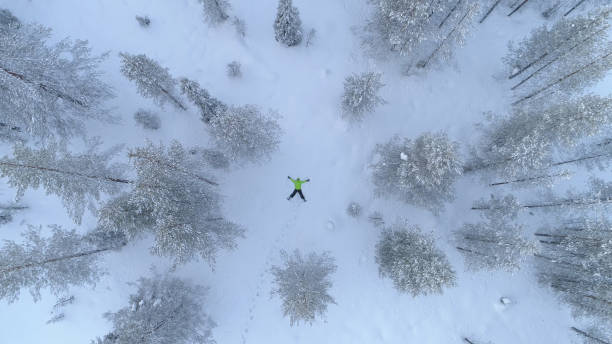
Angel of the North: 200 Tonnes of Deliberately Confrontational Rust-Coloured Steel Antony Gormley did not design the Angel of the North to be subtle. At 20 metres tall with a wingspan of 54 metres – wider than a Boeing 757 – the rusted Cor-Ten steel figure stands above the A1(M) motorway near Gateshead and makes itself impossible to ignore for everyone driving between England and...
read more
Statue of Liberty
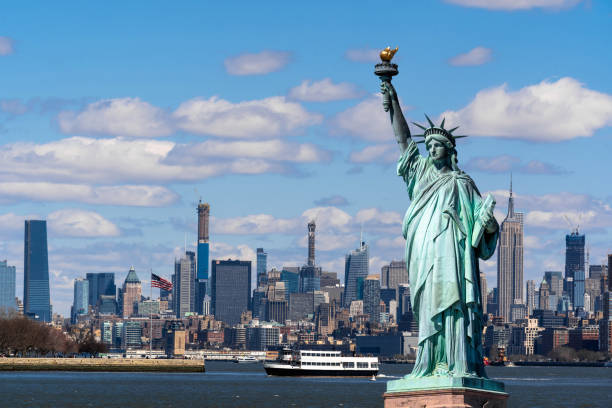
The Crown Sells Out Months in Advance and the Torch Has Been Closed Since 1916 The Statue of Liberty is 93 metres from ground to torch tip. The copper skin that gives it its green colour was originally the colour of a penny. The torch has been closed to visitors since an explosion damaged the arm during World War I in 1916. These three facts – the height, the oxidation, and the century-long...
read more
Eisriesenwelt
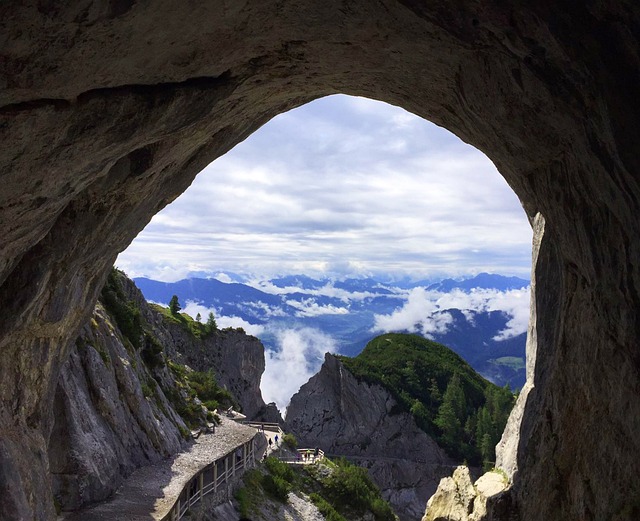
The Largest Ice Cave in the World Is Only Open Half the Year Eisriesenwelt (literally “World of Ice Giants”) is a 42-kilometre-long cave system in the Tennengebirge massif above Werfen in Austria’s Salzburg region. One kilometre of the system is accessible to visitors, and that kilometre contains the largest natural ice formations open to tourism anywhere on earth. Frozen...
read more
Lake District England
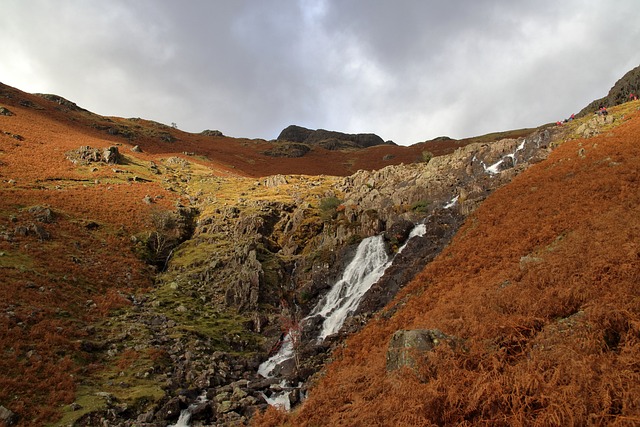
The Lake District’s Problem Is That Everyone Knows the Same Part of It The central valley around Windermere and Grasmere receives most of the 15 million annual visitors. Summer weekend parking there is a genuine ordeal. Accommodation costs more than the surrounding non-park area and books out months ahead. These problems dissolve when you move to the western lakes – Wastwater,...
read more
Iona
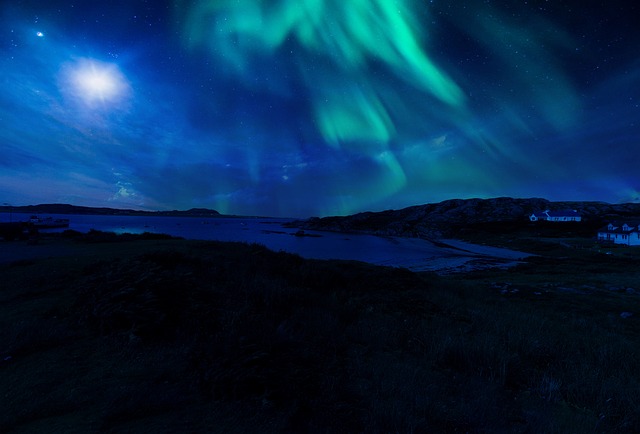
Iona: Three Miles Long, Fifteen Hundred Years of Consequence The island that shaped Scottish Christianity is about the size of a large estate. Iona is 3 miles long and 1.5 miles wide, off the southwest tip of Mull in Scotland’s Inner Hebrides, and it has been one of the most spiritually significant places in northern Europe since 563 AD when the Irish monk Columba arrived with twelve...
read more
Pike Place Market Seattle Wa
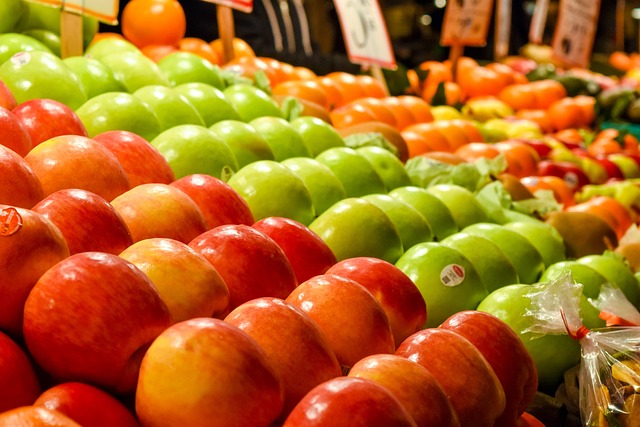
Pike Place Market: The Point Is Not the Coffee Chain Pike Place Market opened in 1907 on a bluff above Elliott Bay. It is a public farmers market, not a shopping centre. The distinction matters because the most famous entity at the market – the Starbucks at 1912 Pike Place, marketed as the “original” location – is actually not the original location (which was at 2000...
read more
Amazon Forest
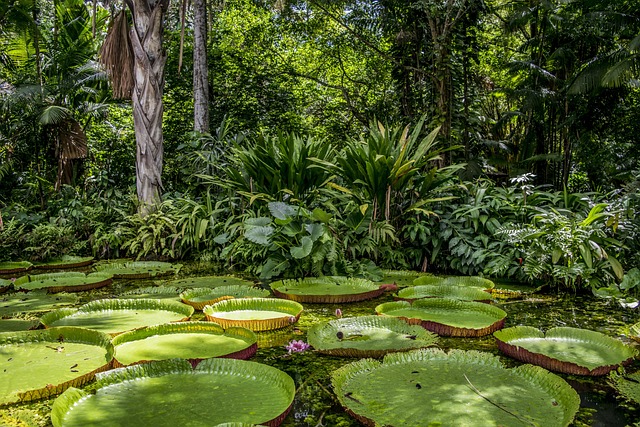
The Amazon: How to Actually Get Into It The Amazon rainforest spans roughly 5.5 million square kilometres across nine countries. It holds approximately 10 percent of Earth’s species. At its densest it produces an oxygen output and carbon storage function so significant that Brazilian and international policy arguments about deforestation are, at their core, arguments about the atmosphere....
read more
Ice Hotel
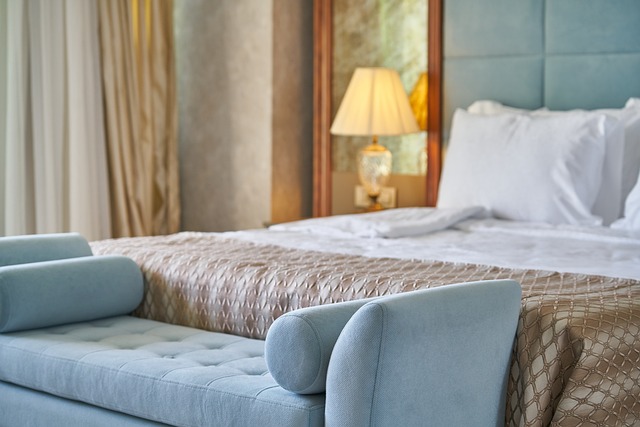
The Icehotel, Jukkasjarvi: Sleeping in Something That Will Melt The Icehotel in Jukkasjarvi, Sweden, is 200 kilometres north of the Arctic Circle in Swedish Lapland. The original hotel has been rebuilt every winter since 1990, using snow and ice harvested from the nearby Torne River. The current structure is around 2,000 square metres. Each room is carved and decorated by international artists...
read more
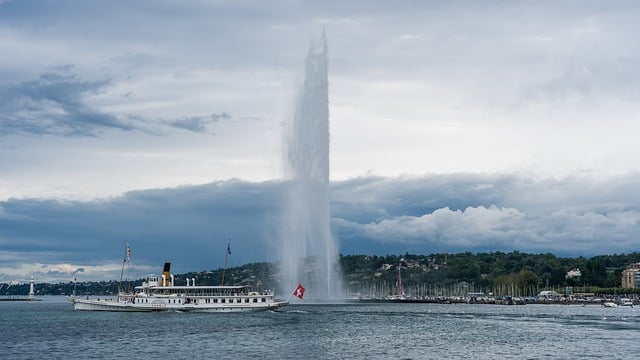
Lake Geneva
Lausanne Has a Night Watchman Who Has Called the Hours Every Night Since the 13th Century Without Interruption Between 10pm and 2am, a watchman climbs the belfry of Lausanne’s Gothic cathedral and calls out the hour to the sleeping city. Not as a tourist performance, not as a weekend re-enactment – as an unbroken municipal job held continuously for over 700 years. If you want a single...
read more

Washington D C
Washington D.C.: A City That Gives Its Best Things Away for Free Seventeen Smithsonian museums, all free. The Lincoln Memorial, the Vietnam Wall, the WWII Memorial, the Washington Monument’s 360-degree city view – free or near-free. The National Gallery of Art, one of the finest art collections in the Western hemisphere – free. You can spend five full days in D.C. doing nothing...
read more
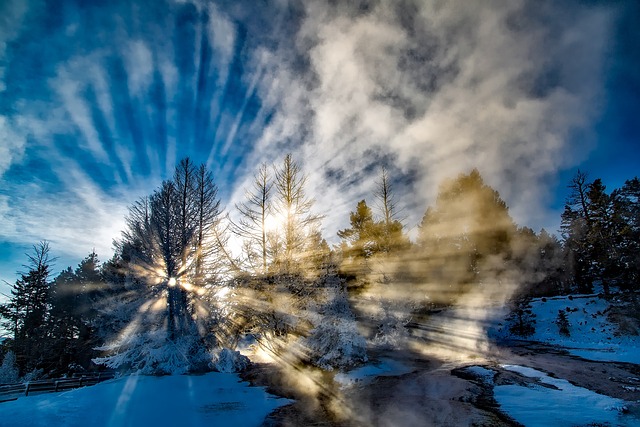
Yellowstone National Park Wy
Yellowstone Sits on Top of an Active Supervolcano and Is Open to the Public The Yellowstone hotspot has produced eruptions for 2.1 million years. The most recent supervolcanic eruption (640,000 years ago) covered most of North America in ash. The caldera from that event is the entire central valley of the park. All the geothermal activity – geysers, hot springs, fumaroles, mud pots –...
read more
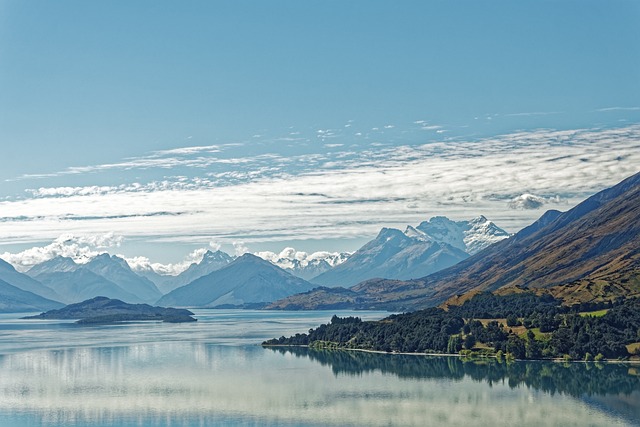
Lake Wakatipu
The TSS Earnslaw Was Launched the Same Year as the Titanic and It Still Runs on Coal That detail tends to land harder than any photograph of the lake. The twin-screw steamer launched on October 18, 1912 – the Titanic sank in April of the same year – and the Earnslaw remains the last coal-fired passenger steamer operating in the Southern Hemisphere. When you step below decks and watch...
read more
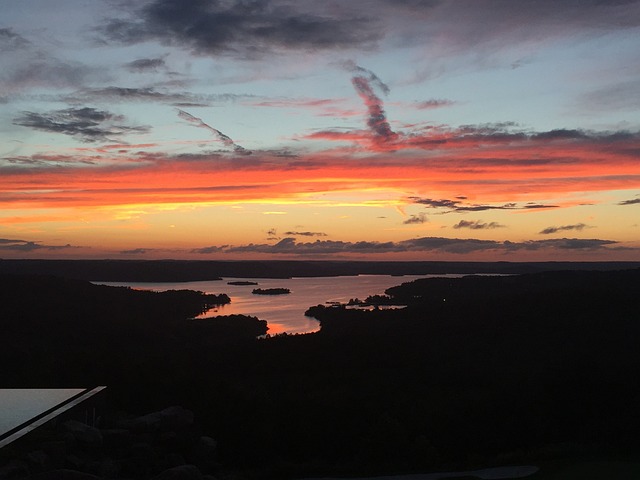
Branson Missouri
Branson Is Not the Place You Think It Is Most people who haven’t been to Branson imagine it as a dated country music show town – the kind of place where 1970s acts play to retirees in matching t-shirts. That picture is out of date. Silver Dollar City alone has produced consistently award-winning coasters for the last decade, and the Ozark outdoors around Table Rock Lake are genuinely...
read more
Isla Mujeres
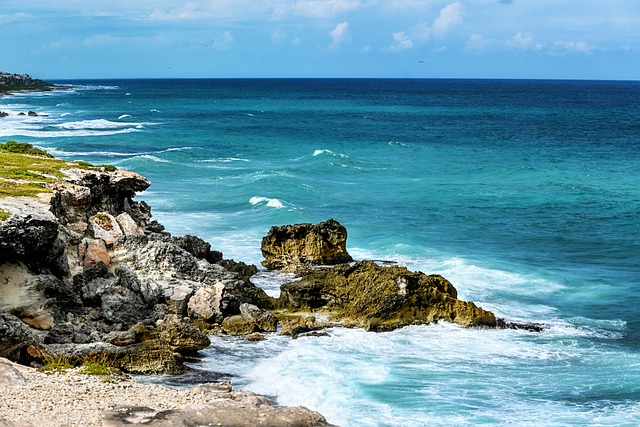
Cancun Is a Long, Expensive Mistake and Isla Mujeres Is the Ferry Ride You Take to Fix It Twenty minutes on the Ultramar or Magana ferry from Puerto Juarez and you are somewhere completely different. Isla Mujeres is a 7-kilometre island in the Caribbean, 13km northeast of Cancun, where the streets are narrow enough that golf carts are the primary vehicle, the town has an actual fishing community,...
read more
Bhaktapur Durbar Square, Nepal
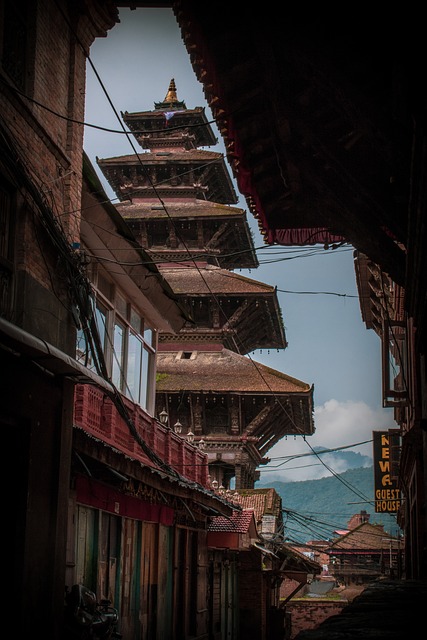
The Nyatapola Temple Was Built in Seven Months in 1702 and Still Stands at 30 Metres Construction speed that would be respectable today, accomplished with Newari craftsmen and no power tools. The five-storey pagoda in Taumadhi Square has two enormous stone guardians flanking each level of the staircase: wrestlers, elephants, lions, griffins, and the goddesses Baghini and Singhini, each pair of...
read more
St Peters Basilica
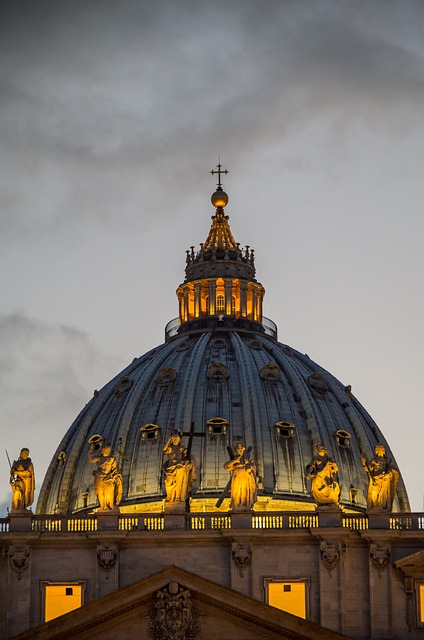
The Holy Water Font Cherub Is 1.5 Metres Tall That specific fact explains what the basilica is trying to do to you. The marble cherub holding the basin at the entrance to St. Peter’s is life-size – the size of an actual human child – and most visitors walk past it without registering its scale because the building around it is so vast that a 1.5-metre stone figure reads as a...
read more
Avebury
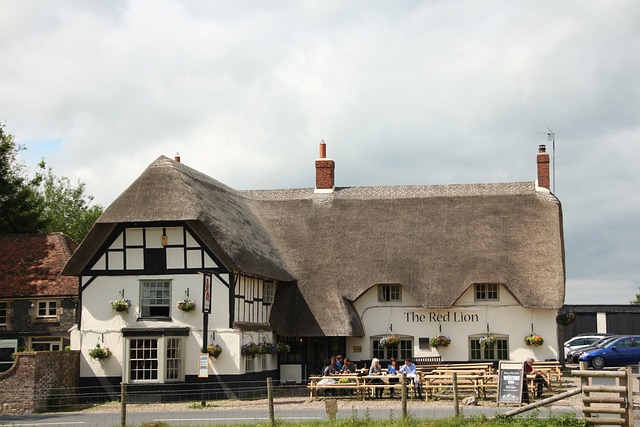
Avebury: Bigger Than Stonehenge, Better Than Stonehenge, and You Can Touch the Stones Stonehenge is famous. Avebury is larger, older in parts, and you can walk freely among the stones rather than viewing them from behind a rope. Both are UNESCO World Heritage Sites. Stonehenge has become a managed experience; Avebury remains a living village with prehistoric stones in the gardens, in the...
read more